

A zeolite moisture absorber traps water vapor in its tiny, porous crystal pores.
If you need a compact, reusable way to fight damp, mold, and musty smells, a zeolite moisture absorber is a smart pick. I’ve tested these mineral-based desiccants in closets, camera cases, cars, and even a damp basement shelf. In this guide, I’ll break down how a zeolite moisture absorber works, when it beats other options, and how to size, use, and recharge it like a pro.
What is a zeolite moisture absorber?
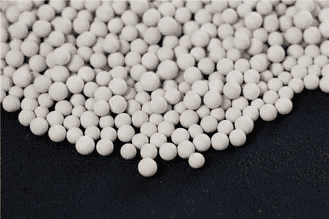
Zeolite is a natural or synthetic mineral with a honeycomb-like structure. Its pores are so small that they can trap water molecules. That makes a zeolite moisture absorber a powerful, reusable tool for controlling humidity in small spaces.
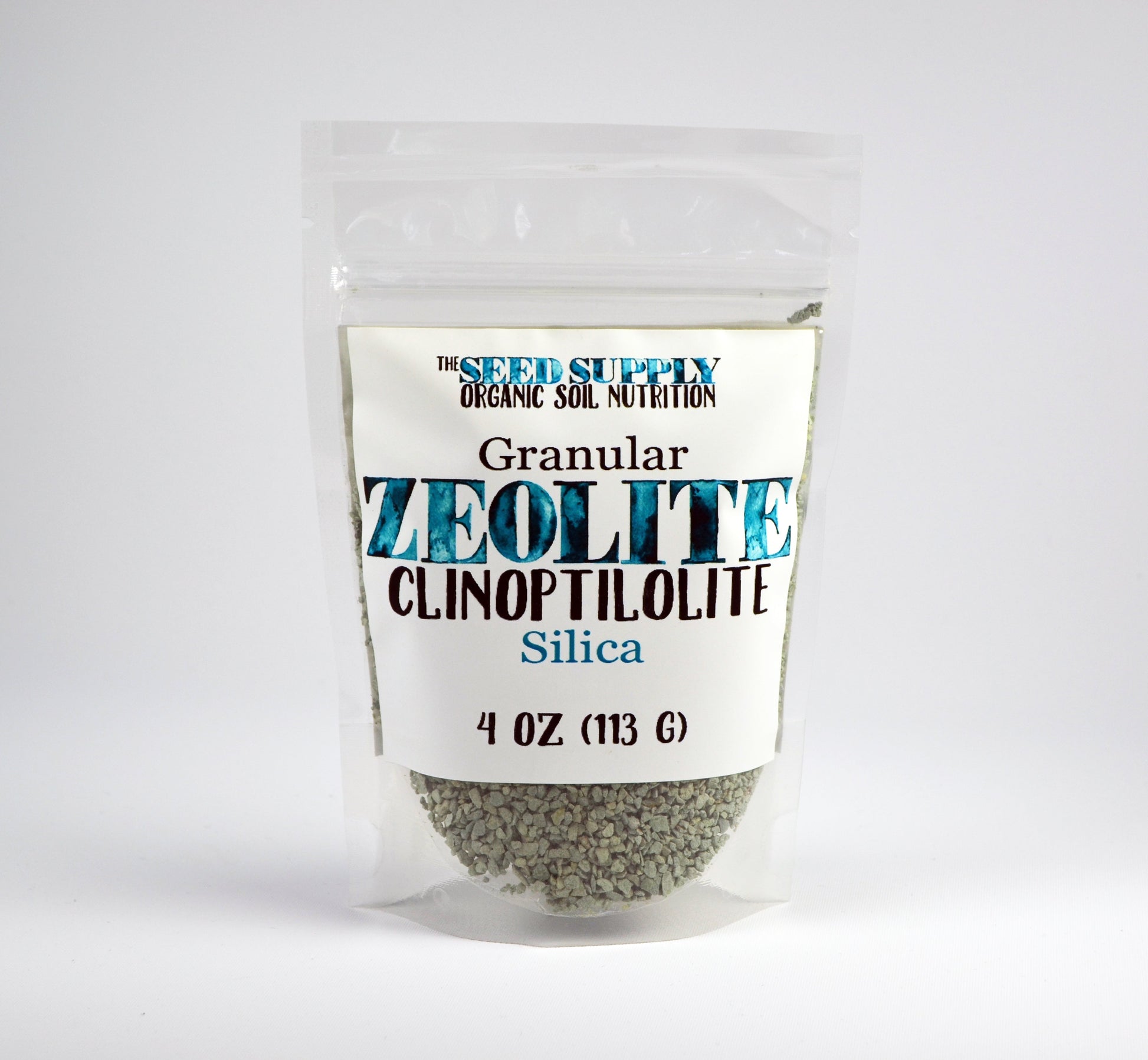
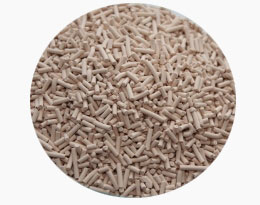
You’ll see zeolite sold as beads, pellets, or granules inside bags or canisters. It is widely used in labs and factories as a molecular sieve. In homes, a zeolite moisture absorber keeps stored items dry, fresh, and protected.
Because zeolite holds water by adsorption, not absorption, it does not turn into liquid. That means no leaks, no messy puddles, and easier cleanup.
How a zeolite moisture absorber works
Think of zeolite like a sponge made of tiny tunnels. Water vapor moves into those tunnels and sticks to the internal surface. This is adsorption, so the zeolite moisture absorber stays solid while it pulls moisture from the air.
Different zeolites target different molecule sizes. Common types include 3A, 4A, 5A, and 13X. The number hints at the pore size, which affects performance. In simple terms, 3A and 4A are great for water. 13X can also handle some odors and gases, depending on the blend.
Key points to know:
- Zeolite works fast at low humidity, where silica gel can slow down.
- It holds water tightly, so it is great for protecting electronics and optics.
- It can be regenerated many times by gentle heat, so your zeolite moisture absorber lasts a long time.

Benefits and real-life use cases
Why choose a zeolite moisture absorber? It brings reliable, steady drying in places where a powered dehumidifier cannot reach. I rely on it in sealed or semi-sealed spaces.
Great places to use it:
- Camera bags, lens cabinets, and drones for crisp glass and dry circuits
- Toolboxes and safes to prevent rust and corrosion
- Closets, shoes, and gym bags to curb musty smells
- Cars, RVs, and boats during storage to limit foggy windows and mold
- Storage bins and memory boxes to protect photos and documents
Top benefits you will notice:
- Reusable many times with simple oven recharging
- Leak-free performance without the sticky brine that some salts create
- Strong drying power at low humidity where it matters most
Zeolite vs other desiccants
There is no one-size-fits-all. Here is how a zeolite moisture absorber compares with common options.
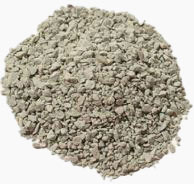
- Silica gel is great at high humidity and has high capacity. Zeolite is better at very low humidity and holds water more tightly.
- Clay is cheap but weaker. It can be fine for light jobs, but zeolite wins where protection matters.
- Calcium chloride pulls lots of water fast but turns into liquid. It suits open rooms or garages. It is not ideal near gear or fabrics that cannot get wet.
- Activated carbon removes smells but does not dry well alone. Some blends mix carbon with zeolite for odor and moisture control together.
When to choose zeolite:
- You need low and stable humidity in a sealed space
- You want a reusable, heat-rechargeable solution
- You want no leaks, even when fully saturated

How to choose the right zeolite moisture absorber
A little planning goes a long way. Pick the right zeolite moisture absorber for your space and use.
What to look for:
- Pore type. 3A or 4A for strong water focus. 13X if you want some odor control too.
- Size and capacity. For small sealed boxes, start with 10 to 20 grams per cubic foot. For larger or damp spaces, scale up and use more than one pouch. Always check the maker’s capacity chart.
- Packaging. Vented tin canisters are sturdy and easy to recharge. Fabric pouches are flexible for tight spots. Rigid cartridges drop into dry boxes or gun safes.
- Indicators. Some products add color-change beads to signal when to recharge. Not all zeolite blends include them.
- Grade and safety. Choose food-safe options for pantry use and cobalt-free indicators if you want to avoid certain dyes.
Pro tip: In very damp seasons, two small units often outperform one big unit. You can rotate one in the oven while the other stays on duty.
How to use and regenerate your zeolite moisture absorber
Use is simple. A few small steps can double your results.
Placement and setup:
- Place the zeolite moisture absorber near the center of the space, off the floor.
- Give it air access. Do not bury it under clothes or papers.
- In long spaces like safes, use two units at opposite ends.
Check and recharge:
- Check monthly in mild climates and every two weeks in wet seasons.
- If you see foggy lenses, musty smell, or slow drying, it is time to recharge.
- Follow the maker’s directions for heat and time.
Basic at-home recharge method:
- Lay the zeolite moisture absorber on a baking sheet.
- Heat in a ventilated oven at 212 to 302°F for 2 to 4 hours.
- Let it cool fully before use.
- Do not microwave unless the product says you can.
- Expect partial regeneration at home. Industrial reactivation may use higher heat and dry gas.
Safety notes:
- Avoid dust. Do not cut open the pouch.
- Keep away from kids and pets.
- Use a tray. Do not place the pouch directly on heating elements.

Safety, quality, and sustainability
Zeolite is a stable mineral. A zeolite moisture absorber does not create liquid waste, which makes it tidy and low risk. Still, treat it with care.
What I look for in safe products:
- Sturdy stitching or sealed metal canisters that do not shed dust
- Clear heat limits and recharging steps on the label
- Food-safe assurance when used near pantry items
Green perks you will like:
- Long life with many recharge cycles
- Less single-use plastic compared with disposable salts
- No liquid leakage into trash or drains
Know the limits:
- A zeolite moisture absorber works best in sealed or semi-sealed spaces
- It will not replace a powered dehumidifier for a wet room
- Odor control depends on the zeolite type and blend

Real-world lessons and tips from the field
I keep a zeolite moisture absorber in my camera bag year-round. Lenses stay clear, and sensor cleanings dropped. The key was rotating two small canisters, not one big one.
In my tool chest, the first pouch failed fast because I left it under a pile of rags. After moving it to a top drawer and recharging monthly, rust spots stopped forming. In my car during winter, one canister under each seat kept windows clearer on cold mornings.
Tips you can use today:
- Use more, smaller units for faster cycling and even coverage
- Mark a recharge date on tape so you do not forget
- Pair zeolite with airflow. A tiny fan in a cabinet helps a lot

Troubleshooting common problems
If your zeolite moisture absorber seems weak, check these quick fixes.
Not drying enough:
- The space may be too open. Use a sealed bin or add a gasket.
- The unit may be saturated. Recharge longer or at a slightly higher allowed temperature.
- Add a second unit during wet seasons.
Odor still present:
- Use a zeolite blend with odor-targeting capacity or add activated carbon nearby.
- Clean the source. Desiccants do not fix active mold or spills.
Beads clumping or pouch feels heavy:
- That is normal when saturated. Recharge fully and ensure the oven is dry.
- If clumping persists, replace the unit. It may have reached end of life.
Condensation in cars or boats:
- Use two or more units and crack a window slightly for airflow during storage.
- Dry wet mats or seats first. A zeolite moisture absorber works best on vapor, not standing water.
Frequently Asked Questions of zeolite moisture absorber
What is the main advantage of a zeolite moisture absorber?
It works very well at low humidity and holds water tightly. That makes it ideal for sealed spaces and sensitive gear.
How often should I recharge it?
Start with once a month. In very humid weather or near water, recharge every two weeks.
Can I use it with food?
Yes, if it is labeled food-safe and kept in its original container. Do not let loose beads touch food directly.
Is zeolite better than silica gel?
It depends. Zeolite is stronger at low humidity and is very stable. Silica gel often holds more water at high humidity.
Will it remove mold?
No, it does not kill mold. It reduces moisture so mold is less likely to grow after you clean the area.
Can I microwave a zeolite moisture absorber?
Only if the product label says it is safe. Most units should be recharged in an oven.
How long does a unit last?
With careful use and gentle recharging, many units last for years. Replace if the pouch rips or performance drops a lot.
Conclusion
A zeolite moisture absorber is a small tool with big impact. It keeps gear dry, stops rust, and cuts musty air in places where plugs and drains are not an option. With the right size, smart placement, and regular recharging, it will serve you well for a long time.
Try one in your most stubborn damp spot this week. Start small, measure results, then scale up. If you found this helpful, subscribe for more practical guides or drop a question in the comments.