

Condensation forms when warm indoor air hits cold surfaces, leaving water and potential mold.
If winter condensation problems keep fogging your windows and dampening sills, you are not alone. I’ve helped hundreds of homeowners find and fix these issues. In this guide, I’ll break down winter condensation problems with clear steps, proven fixes, and simple checks you can do today.

What is condensation and why it spikes in winter
Condensation is water that forms when moist air cools to its dew point on a cold surface. Winter makes this worse because outdoor air is cold, and indoor surfaces get colder. Windows, corners, and metal parts cool fast and pull water from the air.
The gap between warm indoor air and cold surfaces is the key. The bigger the gap, the more likely winter condensation problems will show up. You may not see leaks, yet your home can still get wet from air alone.
Aim for indoor relative humidity near 30 to 40 percent in cold weather. That sweet spot keeps air comfy but less prone to drip. It also helps protect your home and your health from winter condensation problems.

Signs and risks of winter condensation problems
Look for signs early. Small drops can turn into big repairs.
Common signs:
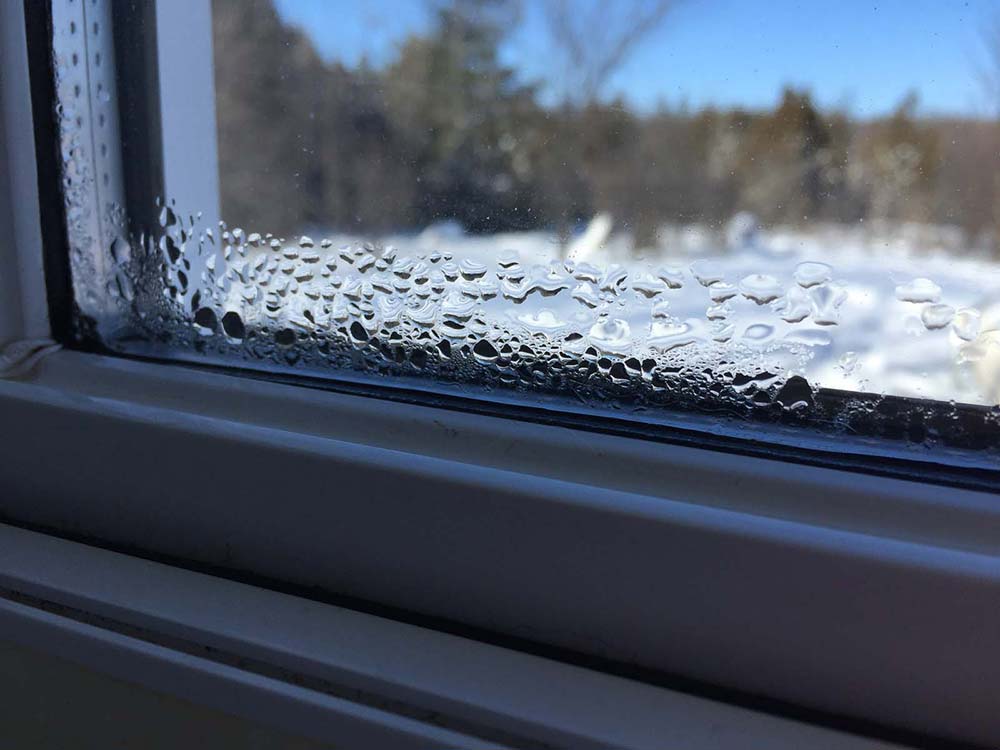
- Wet window glass, frames, or sills after showers or in the morning.
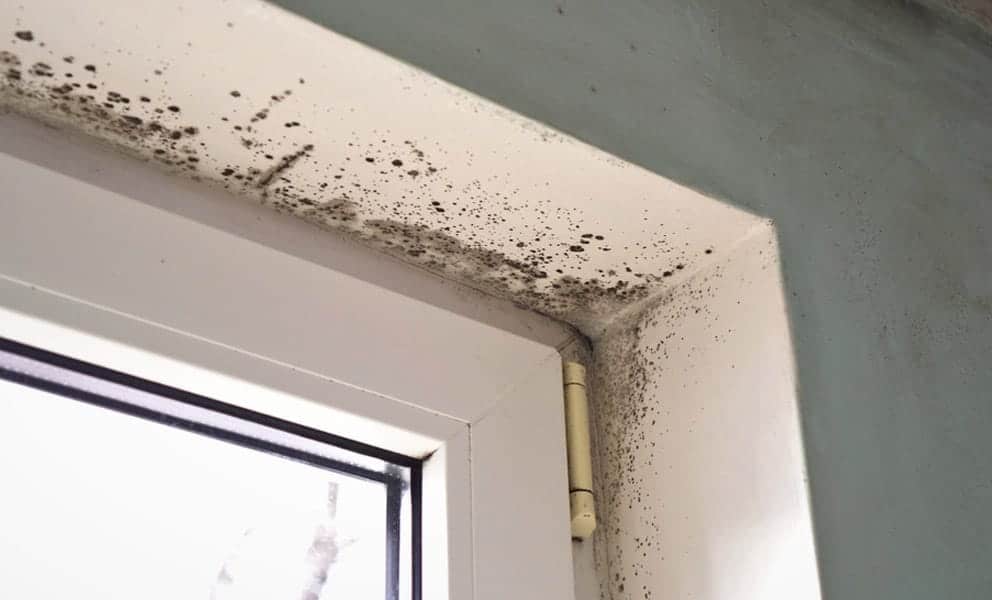
- Black spots on caulk, drywall, or window corners.
- Peeling paint, soft wood, or musty smells.
- Frost on window edges or metal hardware.
Risks to note:
- Mold growth and allergy flare-ups.
- Damage to frames, drywall, floors, and insulation.
- Heat loss as wet insulation performs worse.
- Hidden decay at sills and wall cavities.
If you spot these, you likely have winter condensation problems that need action.
Root causes you can control
Most winter condensation problems come from a mix of three factors: too much moisture, cold surfaces, and air leaks. Fixing these three sets you on the right path.
Excess indoor moisture
Daily life makes a lot of moisture. Cooking, showers, laundry, plants, and even breathing add it. Drying clothes inside is a common trigger. So are fish tanks and humidifiers set too high.
Cold surfaces and thermal bridges
Cold glass, metal frames, and wall edges cool below the dew point. Thermal bridges are spots where heat flows out faster, like around window frames, steel beams, or uninsulated headers. These areas become damp first.
Air leaks and pressure
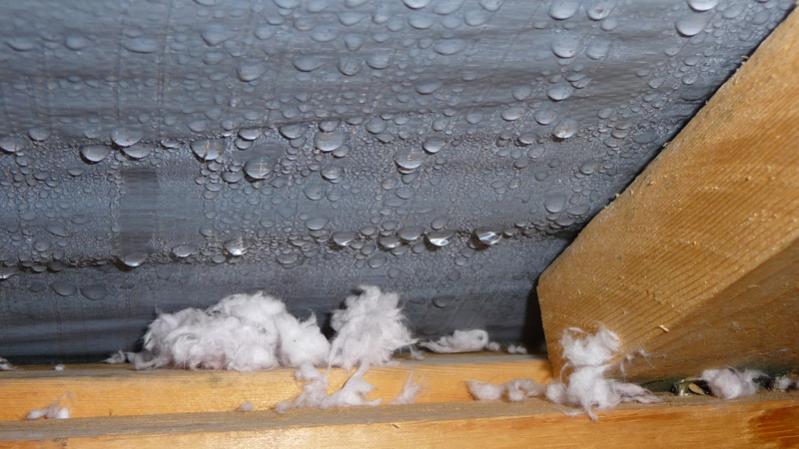
Warm air can leak into cold wall cavities, then cool and drop water. Leaky bath fans or poor ducting move moist air into attics. That feeds ice dams and hidden mold.
When you control moisture, keep surfaces warm, and stop leaks, winter condensation problems fade fast.
How to diagnose winter condensation problems at home
Start with simple checks before you spend money.
Basic steps:
- Measure indoor humidity. Use a low-cost hygrometer in key rooms. Aim for 30 to 40 percent when it is below freezing outdoors.
- Take surface temperature readings. An infrared thermometer shows cold spots on glass, corners, and ceilings.
- Do a tissue test on fans. Hold a tissue to the bath fan grill. If it sticks, air is moving. If it falls, the fan needs work.
- Check for fog timings. Morning fog points to bedroom breathing load. Evening fog after cooking points to kitchen sources.
- Look for frost in the attic. Frost on nails or sheathing means warm, moist air is leaking up.
If things are not clear, a pro can do a blower door test and a thermal scan. That will map leaks and bridges linked to winter condensation problems.

Quick fixes you can do this week
You can cut most moisture fast with a few daily habits.
Try these:
- Use bath fans during showers and 20 minutes after. Keep doors closed to contain steam.
- Run the range hood on a higher setting when you cook. Boil with lids on.
- Lower the humidifier setpoint to 30 to 35 percent in cold snaps.
- Open blinds and curtains a bit at night. This lets warm air wash the glass.
- Pull furniture two inches off exterior walls. This reduces cold spots.
- Wipe window sills dry each morning. It stops mold from taking hold.
These steps often lower the peak of winter condensation problems within a week.

Long-term solutions that last
Short-term habits help. But major wins come from better ventilation, insulation, air sealing, and windows.
Ventilation that meets standards
Balanced systems like HRVs or ERVs bring in fresh air and exhaust stale air. They recover heat while doing it. Industry standards suggest at least 0.35 air changes per hour or 15 cubic feet per minute per person. Good ventilation keeps moisture in check and reduces winter condensation problems.
Insulation and thermal bridge fixes
Add or top up attic insulation. Dense-pack walls where safe. Use insulated headers on window openings during upgrades. Wrap steel or concrete edges when possible. Warmer surfaces mean less condensation.
Air sealing the big leaks
Seal the attic plane first. Use foam and gaskets around penetrations and top plates. Seal rim joists in the basement. Tight homes are comfier and cheaper to heat, and they cut winter condensation problems.
Window upgrades and tune-ups
Install quality storm windows or replace with double or triple glazing when you can. Warm-edge spacers and insulated frames help. Make sure interior air can flow across glass. Check weatherstripping and sash locks.
Vapor control done right
In cold climates, a smart vapor retarder on the warm side of walls can help. In mixed climates, choose assemblies that dry in both directions. Avoid plastic that traps moisture unless design calls for it.
Room-by-room guide to reduce moisture
Each room has its own moisture story. Tackle the high-load areas first. It makes winter condensation problems easier to handle.
Kitchen:
- Use a vented range hood that ducts outside. Clean the filters.
- Cook with lids and simmer rather than boil hard.
Bathroom:
- Choose a quiet, strong fan rated for the room size. Use a timer.
- Squeegee shower walls. Less water means less steam.
Bedrooms:
- Keep doors slightly open unless using a return grille.
- Do not run humidifiers high. Aim for 30 to 35 percent in deep cold.
Basement and laundry:
- Vent the dryer outside. Check for crushed ducts.
- Run a dehumidifier if RH stays above 50 percent in shoulder seasons.
Living areas:
- Move plants away from cold windows.
- Add trickle vents or use the HRV boost when hosting many guests.

Prevention targets and simple monitoring
Small numbers make big changes. Track a few key metrics and you can prevent most winter condensation problems.
Targets to hit:
- Indoor RH: 30 to 40 percent when it is below 32°F outside.
- Surface temps: Keep interior glass above 45 to 50°F if possible.
- Fan runtime: 20 minutes after showers and during active cooking.
- Fresh air: Meet a minimum of 15 cfm per person or a set schedule.
Tools that help:
- Hygrometers for each floor.
- A plug-in fan timer in bathrooms.
- A Wi‑Fi thermostat with humidity alerts.
- Smoke pencil or incense to find drafts on windy days.

Common myths and mistakes to avoid
There is a lot of bad advice out there. Here is what to skip.
Myths:
- Condensation means your windows are bad. Not always. It often means your air is too humid or surfaces are too cold.
- A bigger humidifier will fix dry air. Often it causes winter condensation problems instead.
- Crack a window in the bath and skip the fan. Fans move moisture out. A cracked window can chill surfaces and make more fog.
Mistakes:
- Venting fans into the attic. This feeds mold and ice dams.
- Blocking supply or return vents with rugs or furniture.
- Closing blinds tight all night. It traps cold air at the glass.
Budget and ROI for typical fixes
You do not need to spend a fortune to ease winter condensation problems. Start small and stack gains over time.
Low cost wins:
- Hygrometers, squeegees, fan timers, and caulk pay back fast.
- Weatherstripping and outlet gaskets stop little leaks.
Mid-range upgrades:
- Quality bath fans and a ducted range hood.
- Storm windows for drafty single-pane units.
Higher investment:
- Air sealing and insulation packages.
- HRV or ERV systems for steady fresh air.
- Window replacement during larger remodels.
Many fixes save energy. Lower bills help offset costs while cutting winter condensation problems.
Case studies and lessons from the field
In my work as a home energy auditor, I saw a 1960s ranch with wet sills every morning. The fix was not new windows. We lowered RH to 35 percent, added a bath fan timer, and sealed the attic leaks. The fog vanished within a week.
At my own 1950s bungalow, frost traced the steel lintels over windows. Dense-pack insulation and insulated trim warmed those edges. I now see clear glass on the coldest days. The big lesson: aim for warmer surfaces and steady exhaust. It is the fastest way to solve winter condensation problems without guesswork.
Another client had a finished basement with musty air. The dryer vent was loose and the bath fan went into the joist cavity. We fixed both, added a dehumidifier for shoulder seasons, and set HRV boost during laundry. The smell was gone, and winter condensation problems upstairs eased too.
Frequently Asked Questions of winter condensation problems
Why do my windows sweat only in the morning?
You breathe all night with the doors closed, so humidity rises. The cold morning glass drops that moisture out first.
Is condensation on new windows normal?
Yes, at first. Tighter windows reduce drafts, so indoor humidity can stay higher. Use fans and lower the RH setpoint until it balances.
Will a dehumidifier fix winter condensation problems?
It helps in basements or damp rooms. For the whole home, proper ventilation and air sealing work better.
What relative humidity should I aim for in winter?
Keep it around 30 to 40 percent in cold weather. Go closer to 30 percent during deep freezes.
Do plants and fish tanks make it worse?
They can. Group plants away from cold glass and cover tanks. Vent the room well to prevent spikes.
Should I replace my windows to stop condensation?
Not always. Try humidity control, fans, and air sealing first. If glass stays very cold, storms or new windows can help.
How long should I run the bathroom fan?
Run it during the shower and at least 20 minutes after. A timer switch makes this easy.
Conclusion
Winter condensation problems are common, but they are not random. Control moisture, warm cold surfaces, and seal leaks. Start with simple habits today, then plan smart upgrades for lasting comfort.
Pick one action now. Set your bath fan on a 30‑minute timer, check your humidity, and open the range hood at dinner. Want more tips like these? Subscribe, share your experience, or leave a question so we can solve winter condensation problems together.