

It’s likely exhausted, in a too-dry space, clogged, or set up wrong.
If you’re asking why is my moisture absorber not collecting water, you’re in the right place. I’ve tested these products in closets, basements, RVs, and boats. I’ll break down the real reasons they stall, how to diagnose the problem fast, and what to do so they actually work.

How moisture absorbers work
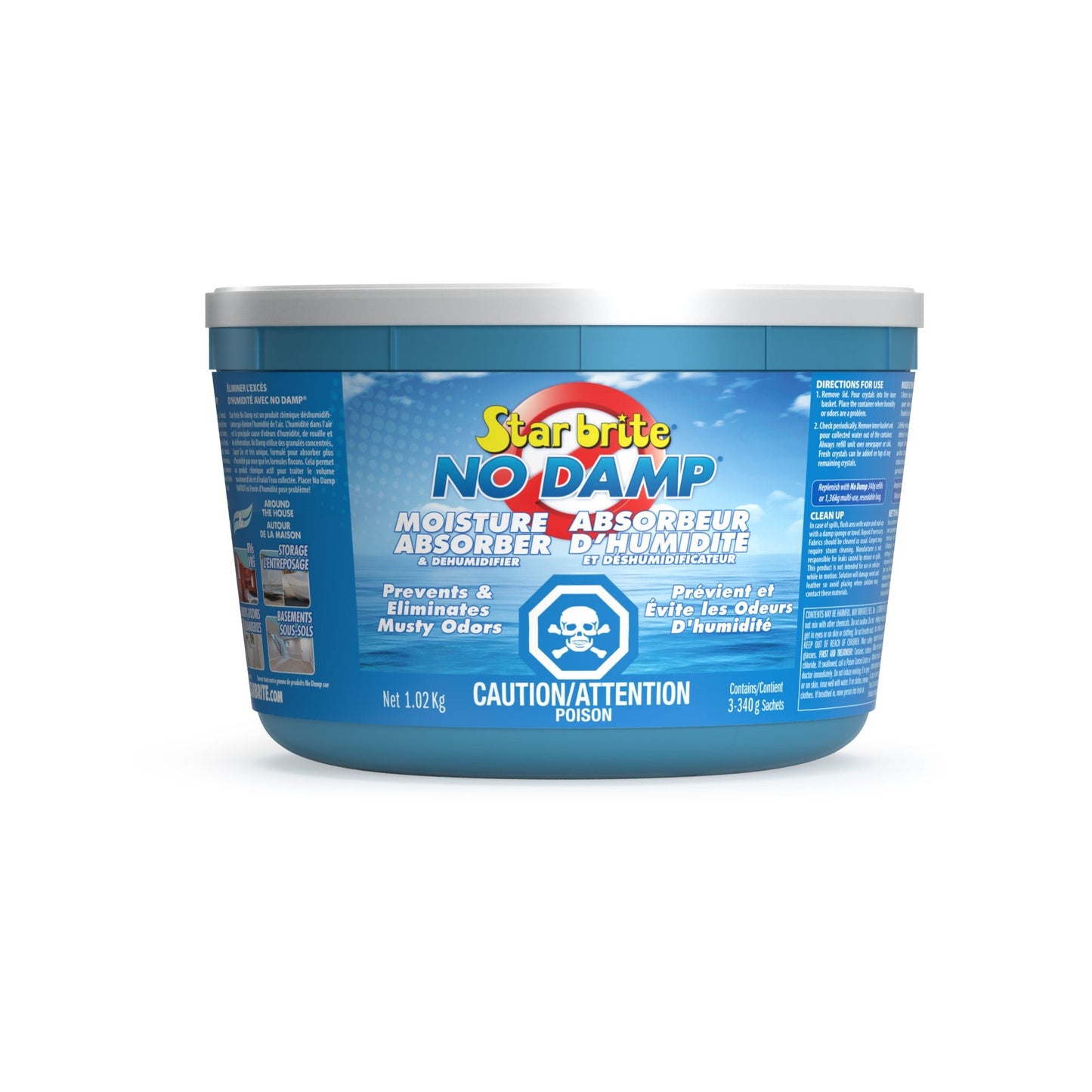
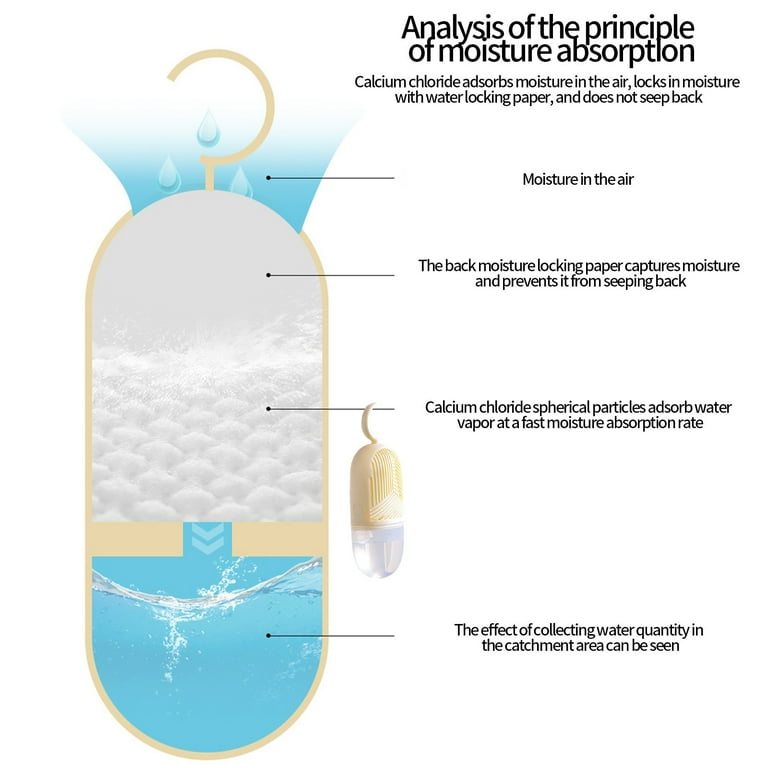
Most moisture absorbers use calcium chloride crystals. They pull water vapor from air and turn it into a salty liquid. That liquid drips into a tray or pouch. Silica gel is different. It traps moisture inside tiny pores and does not make a liquid pool.
These products need humidity to work. If the room is dry, they collect little or no water. Temperature matters too. Warm air holds more moisture than cold air. In cool rooms, air has less water to give up, so the absorber works slower.
A quick baseline helps. In most homes, calcium chloride does best when relative humidity is above 40 percent. Collection can be 50 to 150 milliliters per day in a small, damp room. It is slower in dry spaces and faster in very humid corners.
Before you solve why is my moisture absorber not collecting water, it helps to know which type you have and how it is supposed to behave.
Top reasons it’s not collecting water
Here are the most common reasons why is my moisture absorber not collecting water.
- Humidity is too low. If the room is near 35 to 45 percent relative humidity, there is not much to absorb. The device may still work, but very slowly.
- The room is cold. Cold air holds less moisture. A basement at 55°F can feel damp but still have low moisture content. Collection will lag.
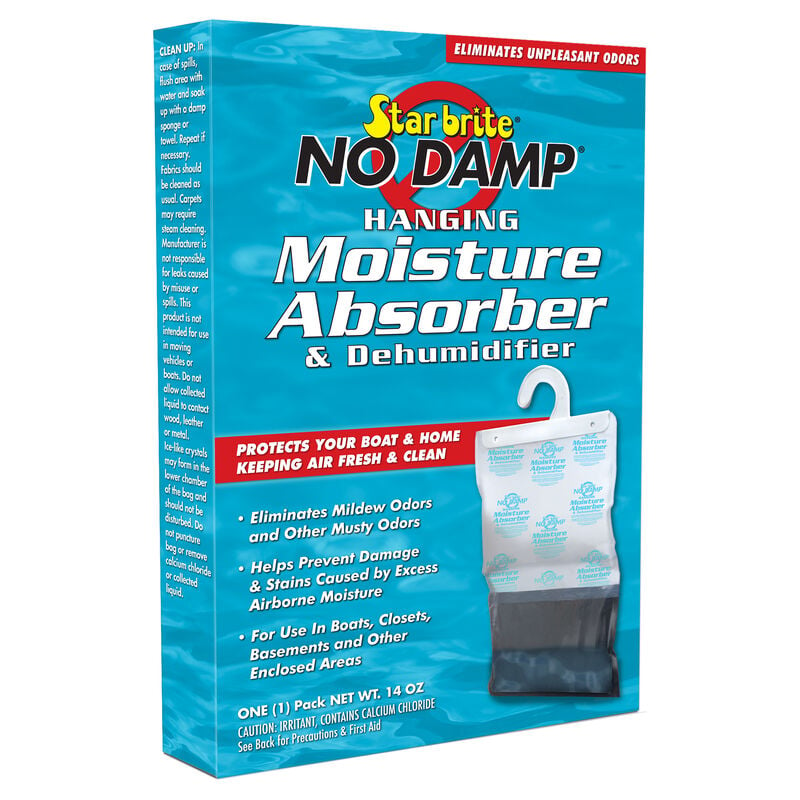
- Wrong size for the space. A tiny tub will not keep up in a big room. One unit is often enough for a closet, not a basement.
- Spent or clumped crystals. Calcium chloride hardens into a solid mass when used up or exposed before setup. If it is a brick, replace it.
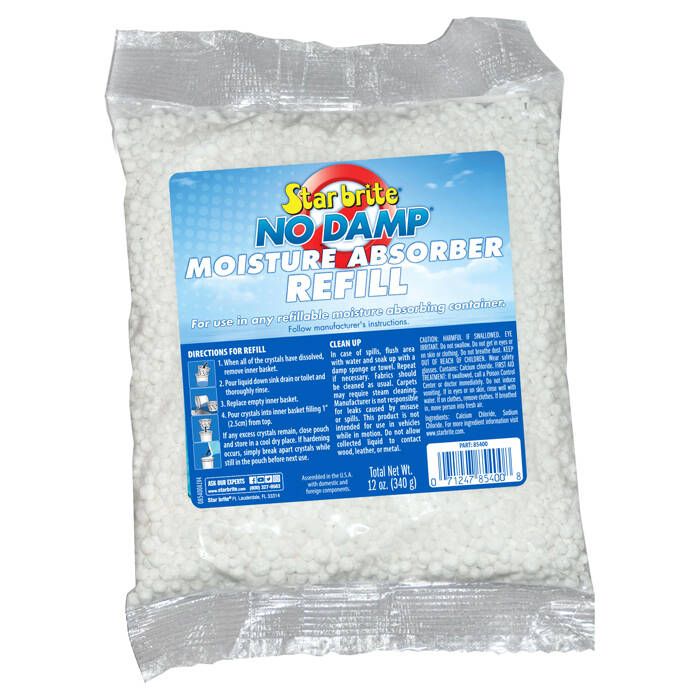
- Sealed pack not opened. Many units ship with a film or foil seal. If you skip removing it, air cannot reach the crystals.
- Blocked airflow. If it is tucked behind boxes, under clothes, or inside a cabinet with the door shut, it will starve for air.
- The absorber is the wrong type. Silica gel packs do not create a water pool. They feel “dry” even when saturated.
- Competing airflow. A fan or HVAC vent blowing directly on the unit can dry the brine and slow net gain. Gentle air is good; a blast is not.
- Short test window. Many people check after a few hours. Most units need 24 to 72 hours to show a visible pool.
- Leaks or bad seal. A cracked tub or loose lid may let brine evaporate or leak, so you never see a rising level.
- You already fixed the source. After a roof or plumbing repair, humidity drops. The absorber slows, which is a good sign.
If you are still wondering why is my moisture absorber not collecting water, start with humidity and placement. They cause most cases.
Quick diagnostics checklist
You can find the cause in minutes with simple checks.
- Measure humidity. Use a small hygrometer. If you read under 45 percent RH, slow or no collection is normal.
- Weigh it now and later. A kitchen scale works. If the unit gains weight over 24 hours, it is working even if the tray looks empty.
- Check the seal and lid. Remove any foil or film. Make sure the top is seated to guide drips into the tray or bag.
- Look for clumps. Crystals that are solid or mushy but not draining may be spent. Replace them.
- Move it to a “known damp” spot. Try a bathroom after a hot shower for 12 hours. If it pulls water there, the device is fine.
- Give it air. Place it at least a few inches from walls or clothes. Doors should be cracked open for airflow.
- Right size, right number. One small tub for every 100 to 150 square feet is a decent start in mild dampness.
- Check temperature. If the area is cold, warm the room or move the unit to a warmer, damp spot.
In a home visit, I once moved a “dead” absorber from a cold garage to a tiny half bath. It collected 100 milliliters overnight. The unit was fine. The room was the problem.
How to fix it so it starts working
To stop asking why is my moisture absorber not collecting water, match the fix to the cause.
- If humidity is low. You may not need an absorber there. Save it for spots above 50 percent RH, like closets, under-sink cabinets, or a bath.
- If the room is cold. Move it to a warmer area or raise the temperature a bit. Warmer air boosts moisture capture.
- If it is the wrong size. Use bigger tubs or more than one unit. For a 200-square-foot basement corner, two large tubs often work better than one.
- If crystals are spent or clumped. Replace refills. Keep spares sealed until use. Exposure to air before setup wastes capacity.
- If airflow is blocked. Clear a 6-inch bubble around the unit. Crack the door. Do not bury it under coats or linens.
- If you skipped the seal. Open the inner seal and reassemble per the manual. Sounds simple, but it fixes a lot of “broken” units.
- If it seems slow. Give it time. Visible liquid often appears after 24 to 72 hours. Weighing the unit is the best early test.
- If it leaks. Inspect the tub and lid. Replace cracked parts. Keep it on a tray to protect wood and metal surfaces.
Practical tip from the field: In a musty walk-in closet, I place one unit low and one mid-shelf. Clothes trap humidity at different heights. That doubled the collection in a week.
Sometimes the honest answer to why is my moisture absorber not collecting water is that the room is not truly damp. If it does not collect in several places but your hygrometer reads 40 to 45 percent RH, you are already in a healthy range.
When to pick a dehumidifier instead
Moisture absorbers are great for small, enclosed spots. They struggle in large, wet areas. If your basement smells musty, walls feel damp, or RH stays above 60 percent, an electric dehumidifier is the better tool.
- Speed. A plug-in unit can remove liters per day. A tub removes hundreds of milliliters over days.
- Coverage. Dehumidifiers handle full rooms. Absorbers shine in closets, cabinets, RV storage, and boats.
- Control. Dehumidifiers let you set a target RH and hold it. Absorbers cannot do that.
- Cost trade-off. Absorbers cost less up front. Refills add up. Dehumidifiers cost more up front but can be cheaper long term in very damp homes.
For some households, the real answer to why is my moisture absorber not collecting water is simple: the space needs active dehumidification, not a passive salt tub.

Safety, disposal, and maintenance
Even as you troubleshoot why is my moisture absorber not collecting water, keep safety in mind. Calcium chloride brine is salty and can be corrosive. It can stain or pit some metals and unfinished concrete.
- Keep away from kids and pets. Store refills sealed. Place units where they cannot be tipped.
- Use a tray. Protect wood shelves and floors. Wipe spills at once with plenty of water.
- Do not mix with cleaners. Empty brine down a sink or toilet with lots of running water, unless local rules say otherwise.
- Rotate stock. Refills can harden if stored open. Keep them in sealed bags until use.
- Watch metals. Do not place units above tools, electronics, or jewelry. Drips can cause rust.
Regular checks once a week prevent leaks and messes. A two-minute look saves a lot of cleanup.

Frequently Asked Questions of why is my moisture absorber not collecting water
Why is my moisture absorber not collecting water even in a damp room?
First, measure humidity. If RH is above 50 percent and it is still dry after 72 hours, check for a sealed film, clumped crystals, or blocked airflow. Try moving it to a smaller, enclosed spot.
How long until a moisture absorber starts collecting water?
It often takes 24 to 72 hours to see liquid in the tray. In very humid spaces, you may see drops sooner; in mild humidity, weight gain shows before visible liquid.
Does temperature affect performance?
Yes. Warm air holds more moisture, so collection is faster in warmer rooms. Cold spaces feel damp but can have low moisture content, which slows the process.
Why is my moisture absorber not collecting water after I replaced the crystals?
Make sure you removed all seals and seated the lid correctly. If the room is large or open, add another unit or move it to a smaller area to increase effectiveness.
Can I reuse or dry out calcium chloride?
No. Calcium chloride is not reusable at home. Once it dissolves into brine, it is spent and should be disposed of properly.
Which is better for a basement: absorber or dehumidifier?
A dehumidifier is better for most basements, especially if RH stays above 60 percent. Use absorbers for closets or storage bins within that basement, not for the whole room.
Conclusion
A moisture absorber that stays dry is telling you something. Either the space is not that damp, the setup is off, or the unit is the wrong size or type. Start with humidity, airflow, and seals, and you will solve most cases fast. If you still find yourself asking why is my moisture absorber not collecting water, it may be time to step up to a dehumidifier.
Try the checklist today, move the unit, and track results for 48 hours. Want more practical home tips? Subscribe, share your results, or drop your questions in the comments.