

Basements stay damp due to water intrusion, poor drainage, and indoor humidity.
You’re not imagining it. If you keep asking why is my basement always damp, there’s a clear reason—and a solution. I’ve inspected and fixed hundreds of wet, musty basements, and the pattern is almost always the same: water finds a path, and air follows the path of least resistance. In this guide, I’ll break down the true causes, simple tests, and fixes that last, so you can stop guessing and start breathing easier.

What “damp” really means in a basement
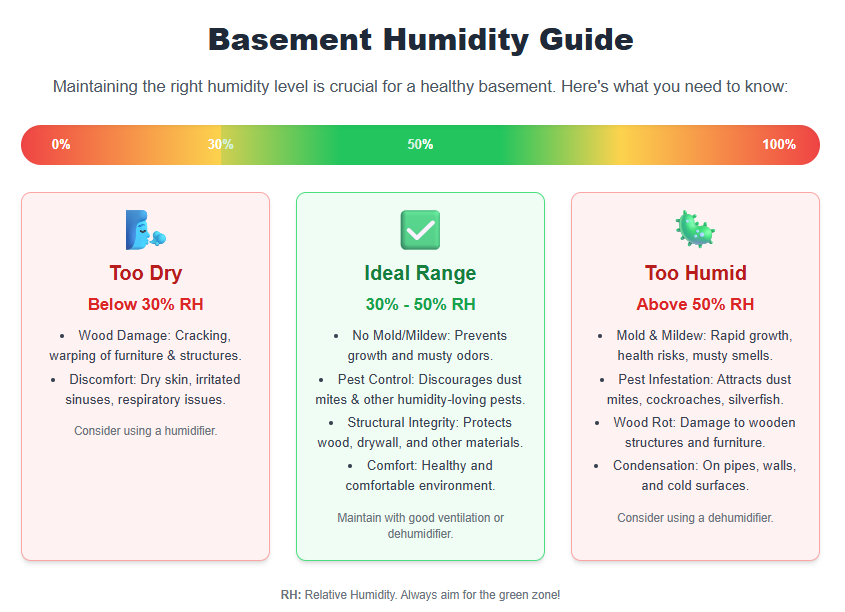
Damp is more than a musty smell. It is moisture you can measure and see. Think of cold walls that sweat, white salts on brick, or floors that feel clammy. A hygrometer reading above 60% relative humidity means mold risk rises fast.
Two ideas help explain why is my basement always damp. First, concrete is porous, so it can wick water. Second, warm air holds more moisture and drops that moisture on cool basement surfaces. Keep indoor RH near 50%, and watch dew point on hot, humid days.
Typical signs:
- Musty odor after rain or in summer
- Efflorescence, which is white powder on masonry
- Rust on tools or appliances
- Sticky doors, buckled vinyl, or peeling paint

Source: reddit.com
Main reasons your basement is always damp
Lots of factors stack up. When people ask why is my basement always damp, I look at rain, soil, walls, air, and plumbing. Small issues add up to big moisture.
Surface water around the house
Rain is the first suspect. Poor grading sends water toward the foundation. Clogged gutters overflow and dump right next to the wall. Short downspouts let water soak the footings.
You may see damp corners after storms or water trails in dust. In my experience, extending downspouts alone has fixed half the “why is my basement always damp” calls.
Groundwater and hydrostatic pressure
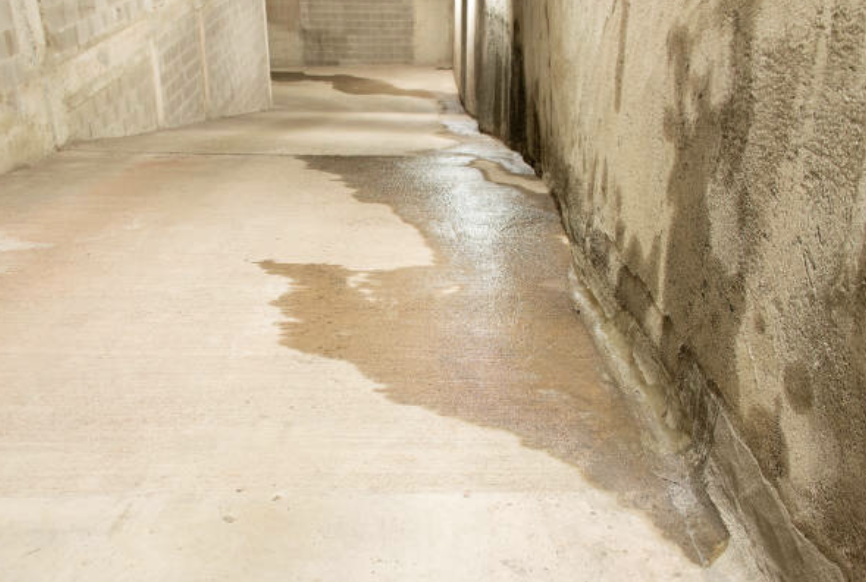
If the water table rises, outside soil pushes water through tiny gaps. It sneaks in at the cove joint where the wall meets the slab. Hairline cracks also weep.
This cause often shows after snowmelt or week‑long rain. You can spot a faint tide line on the wall or a ring on storage bins. A sump pump and drains may be needed.
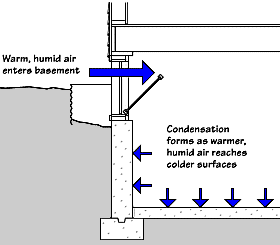
Condensation from indoor air
Warm, moist air hits cool basement walls and floors. The result is sweat on pipes, metal ducts, and even the slab. Laundry, showers, and cooking add moisture too.
Open basement windows in humid summer air can make it worse. Many folks asking why is my basement always damp are fighting condensation, not leaks.
Plumbing leaks or seepage
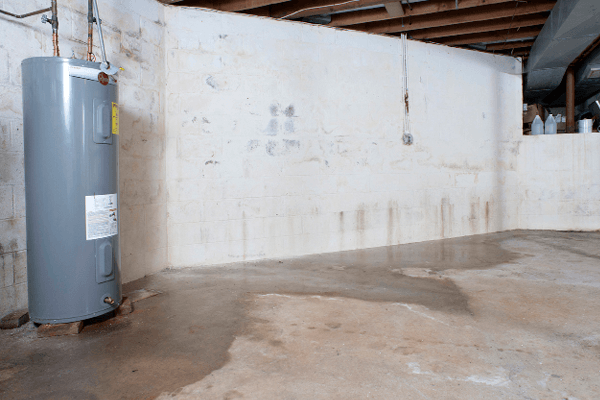
A pinhole in a copper line can mist an area for months. A water heater relief line can drip into a hidden drain. Even a leaky hose bib can wet a rim joist and wall.
Check the water meter when all fixtures are off. If the dial moves, you have a leak. Fix these first. They are cheap wins.
Capillary wicking through concrete and masonry
Concrete acts like a sponge. If there is no capillary break under the slab or sill, water wicks up. You see dark baseboards, soft drywall at the bottom, or musty carpet edges.
Old stone basements often have this issue. It is slow but constant, which is why is my basement always damp can feel like a year‑round problem.
How to diagnose the cause step by step
Good diagnosis saves money. I use the same simple process in every home.
- Check safety first. If there is standing water, cut power to the area. Wear a mask if you see mold.
- Measure RH and temperature with a basic hygrometer. Aim for 40% to 55% most days.
- Do a foil test. Tape a square of foil to a damp wall for 24 hours. Wet behind the foil means moisture is coming through the wall. Wet on the room side means condensation.
- Watch the house in rain. Check gutters, downspouts, and where water lands. You want discharge 6 to 10 feet from the wall.
- Look at the cove joint and cracks. Efflorescence and dark streaks tell you where water travels.
- Test the sump pump. Lift the float and confirm discharge goes outside and away, not to a dry well that overflows next to the house.
- Check for plumbing leaks. Turn off all fixtures. If the water meter still turns, you have a hidden leak.
- Track patterns. If it is worse in humid summer, it is likely condensation. If it is worse after storms, it is likely seepage.
Follow this and you will know why is my basement always damp without guesswork.
Fixes that work: from quick wins to big repairs
Start small. Build up as needed. This approach keeps costs in check and solves most cases fast.
- Air and humidity control
- Run a quality dehumidifier sized for your square footage. Set it to 50%.
- Use a drain hose to a sink or condensate pump so you never forget to empty the tank.
- Keep basement windows closed in hot, humid weather. You trap dew point air if you open them.
- Seal duct leaks and insulate cold ducts to reduce condensation.
- Manage indoor sources
- Vent the dryer outdoors and clean the lint duct.
- Use bath and kitchen fans for 20 minutes after use.
- Insulate cold water pipes with foam sleeves to stop sweating.
- Cover the sump basin with a sealed lid to limit humidity and odors.
- Fix leaks right away. A $20 part can save a $2,000 repair.
- Control rainwater
- Clean gutters twice a year. Add larger gutters if they overflow.
- Add one downspout for each 600 to 800 square feet of roof, where possible.
- Extend downspouts 6 to 10 feet with solid pipe. Use splash blocks as a backup.
- Regrade soil so it slopes away at least 6 inches over 10 feet. Use clay‑rich soil near the wall.
- Route driveway and patio runoff away from the foundation.
- Seal and waterproof
- Seal hairline cracks with polyurethane injection or hydraulic cement for minor seepage.
- Use a breathable masonry coating on interior walls for light dampness. Do not trap water behind it.
- For ongoing seepage, exterior waterproofing with a membrane and drainage board is the gold standard. It costs more but works.
- Drainage systems
- Install an interior French drain at the slab edge with a reliable sump pump and check valve.
- Add a battery backup pump or water‑powered backup for storms.
- If your lot slopes, consider a daylight drain to move water by gravity.
- Floor and wall details that last
- Do not place fiberglass batts against concrete. They trap moisture and grow mold.
- Use rigid foam insulation against walls, then a framed wall with a smart vapor retarder.
- Add a vapor barrier under new flooring. Choose materials rated for basements.
Expected costs and notes
- Dehumidifier: 200 to 500 dollars, often the best first step.
- Downspout extensions and grading: 50 to 800 dollars, DIY‑friendly.
- Crack injection: 400 to 1,200 dollars per crack.
- Interior drain and sump: 3,000 to 10,000 dollars.
- Exterior waterproofing: 8,000 to 20,000 dollars plus landscaping.
If you wonder why is my basement always damp after basic fixes, look at drainage next. It is often the missing piece.
Health, comfort, and resale: why it matters
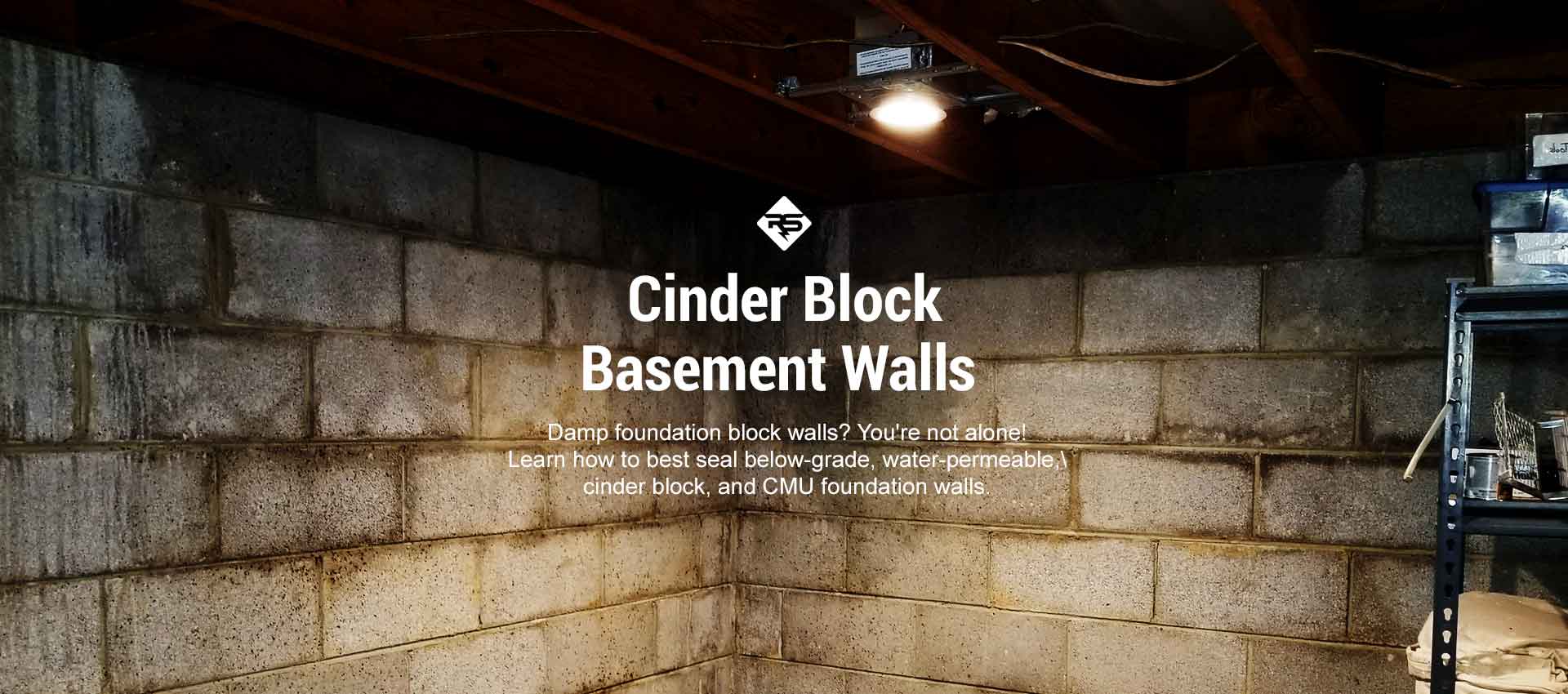
Moist basements hurt air quality in the whole house. Air rises, and so do odors and spores. Mold grows when RH stays above 60%. Dust mites love a damp space too.
Long term, dampness can rust appliances, warp wood, and stain finishes. Buyers and inspectors flag these fast. Fixing the root cause now adds comfort and protects value. This is why is my basement always damp is not just a comfort issue—it is a health and money issue.
Maintenance plan and prevention checklist
Stay ahead with simple habits. I share this list with clients because it works.
Monthly
- Check hygrometer and dehumidifier set point.
- Inspect sump pump lid and discharge line.
- Look for new stains on walls and floors.
Spring and fall
- Clean gutters and test downspouts with a hose.
- Walk the yard in a heavy rain. Watch where water goes.
- Test sump pump and backup power.
Annually
- Regrade low spots near the foundation.
- Service the dehumidifier coil and filter.
- Inspect for new cracks and seal as needed.
After major storms
- Scan for seepage at the cove joint.
- Dry any wet spots within 24 to 48 hours to prevent mold.
If you keep up with this plan, why is my basement always damp becomes a question you leave in the past.
When to call a pro and how to choose
Some issues need expert hands. Call a pro if you see standing water, bowing walls, or mold over 10 square feet. Also call if your sump runs nonstop or trips breakers.
Choose companies with real references, proper insurance, and clear scope. Ask for photos of similar jobs and a written warranty you can transfer. Be wary of rush deals and one‑size fixes. A good contractor will explain why is my basement always damp in your case, show the path water takes, and detail how each step will stop it.

Frequently Asked Questions of why is my basement always damp
Why is my basement always damp in summer but dry in winter?
Warm summer air carries more moisture. When it hits cool basement surfaces, it condenses. Keep windows closed in humid weather and run a dehumidifier.
Why is my basement always damp after heavy rain?
Surface runoff and hydrostatic pressure push water into weak points. Improve grading, extend downspouts, and check for leaks at the cove joint.
Why is my basement always damp even with a dehumidifier?
You may have water intrusion, not just humid air. Fix drainage outside, seal cracks, and make sure the dehumidifier is sized right and drains continuously.
Why is my basement always damp near one corner?
Corners collect runoff and are common leak points. Check that downspouts discharge far enough and that soil slopes away in that area.
Why is my basement always damp with a sump pump installed?
The pump may be undersized, clogged, or cycling too often. Verify discharge location, add a check valve, and consider an interior drain to relieve pressure.
Can opening windows solve why is my basement always damp?
Not in humid weather. You will bring in moist air that condenses. Use mechanical ventilation and a dehumidifier instead.
Conclusion
A damp basement is a moisture puzzle with a clear solution. Control rainwater, remove indoor moisture, and break the paths water uses to get in. Measure results with a simple hygrometer so you know the fixes work.
Start this week with three steps: extend downspouts, set a dehumidifier to 50%, and seal obvious leaks. If why is my basement always damp still lingers, move to drainage and insulation upgrades. Want more tips like this? Subscribe for updates, share your progress, or drop your questions in the comments.