

Stay calm, check the packet type, call your vet, and monitor closely.
If you’re searching for what to do if pet eats moisture absorber, you want clear, expert help fast. I’ve helped many worried owners through this exact scare. In this guide, I break down what’s risky, what’s not, and the steps that actually work. You’ll learn how to spot the type of absorber, what to do right now, when to call the vet, and how to prevent repeat mishaps. Stick with me, and you’ll know exactly what to do if pet eats moisture absorber without panic.
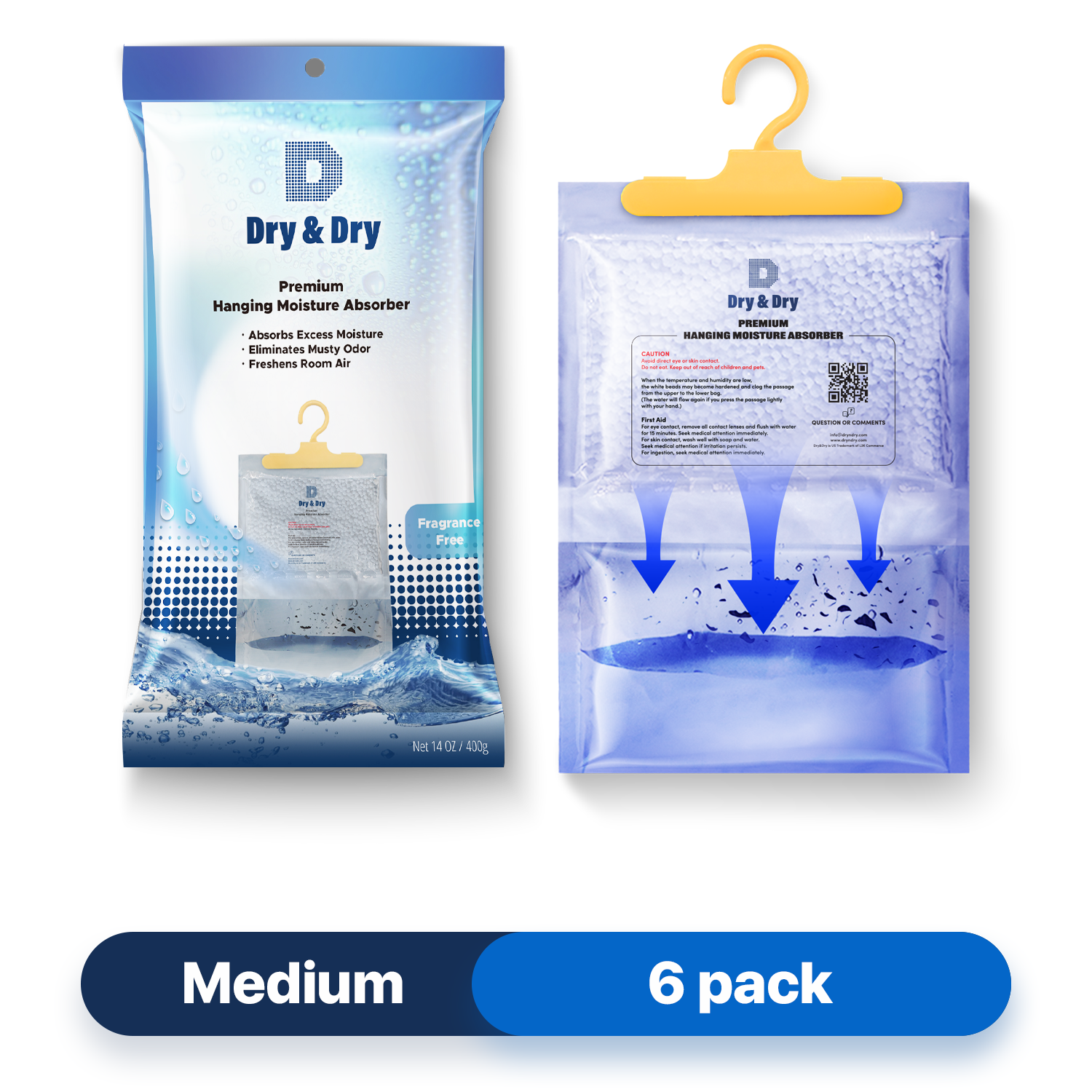
What counts as a moisture absorber and why it matters
Moisture absorbers come in different forms. The type your pet ate guides your next steps.
Common types:
- Silica gel beads: Found in shoe boxes and purses. Low toxicity but can upset the stomach.
- Calcium chloride crystals or liquid brine: Found in tubs for closets and cars. Can burn the mouth and gut.
- Clay or mineral packs: Often low risk. Still can cause a blockage if the whole packet is eaten.
Knowing the type helps you decide what to do if pet eats moisture absorber. Silica gel often needs home care only. Calcium chloride may need prompt vet care.

Step-by-step guide: what to do if pet eats moisture absorber
Do these steps right away. Keep it simple and safe.
- Remove access: Take away any loose beads or tubs. Toss them in a sealed bag.
- Check the label: Snap a photo of the packet or tub. Look for silica gel or calcium chloride.
- Wipe the mouth: Use a damp cloth to wipe lips, tongue, and gums. Rinse with small sips of water.
- Do not induce vomiting: This can make things worse, especially for caustic salts.
- Call your vet or a poison helpline: Share the product, amount, and your pet’s weight.
- Watch for signs: Vomit, drool, pawing at the mouth, or belly pain.
These steps cover what to do if pet eats moisture absorber in most cases. When in doubt, call.
What happens with different products
Each product acts in a different way. That’s why what to do if pet eats moisture absorber is not one-size-fits-all.
- Silica gel: Usually low risk. May cause mild vomiting or diarrhea. Packet ingestion can cause a blockage.
- Calcium chloride: Irritant and dehydrating. Can burn the mouth and throat. Can cause vomit, drool, and belly pain.
- Mixed or unknown packs: Treat as higher risk. Get vet advice fast.
You may see data showing silica gel cases often go fine with care at home. Calcium chloride exposures need closer watch.

When to call the vet or poison control
Call right away if:
- Your pet ate calcium chloride flakes or brine.
- Your pet ate a large packet or more than one.
- A small dog, cat, or young pet ate any amount.
- You see drool, gagging, vomiting, or refusal to eat.
- You are not sure what the product is.
If you ever feel unsure about what to do if pet eats moisture absorber, call. Quick advice can prevent a bad turn.
Symptoms to watch for over the next 24 to 48 hours
Most problems show up fast. Keep a simple log of signs.
Watch for:
- Vomiting, diarrhea, or loss of appetite
- Drooling or pawing at the mouth
- Lethargy or restlessness
- Abdominal pain or tight belly
- Straining to poop or no poop after eating a packet
If signs get worse, follow your plan for what to do if pet eats moisture absorber and seek care.

Safe home care and what not to do
Home care helps in many mild cases. Keep it gentle.
Do:
- Offer small sips of water often. This helps flush the mouth.
- Feed a bland diet if your vet says it is okay. Boiled chicken and rice works.
- Use a cone or close doors to stop re-exposure.
Do not:
- Induce vomiting. This can cause burns with salts and choking with packets.
- Use hydrogen peroxide or charcoal unless your vet tells you to.
- Ignore signs for more than a few hours.
These simple rules cover what to do if pet eats moisture absorber at home.
Special notes for dogs, cats, and small pets
Each pet has special risks. Adjust your plan.
- Dogs: Often swallow the whole packet. Watch for blockages and vomiting.
- Cats: More likely to mouth and drool. Rinse the mouth and offer water.
- Puppies and kittens: Higher risk from small amounts. Call sooner.
- Rabbits and pocket pets: Sensitive guts. Even small exposures need a vet call.
If you’re unsure what to do if pet eats moisture absorber for your species, call your vet for tailored advice.

What your vet may do
Your vet will assess with a quick exam. Tests are based on signs and what was eaten.
Common care:
- Oral rinses and anti-nausea meds
- Pain control for mouth or throat burns
- Fluids if vomiting or diarrhea is present
- X-rays if a packet may be stuck
- Lab tests if signs are moderate to severe
This plan supports the core steps of what to do if pet eats moisture absorber in a clinic setting.
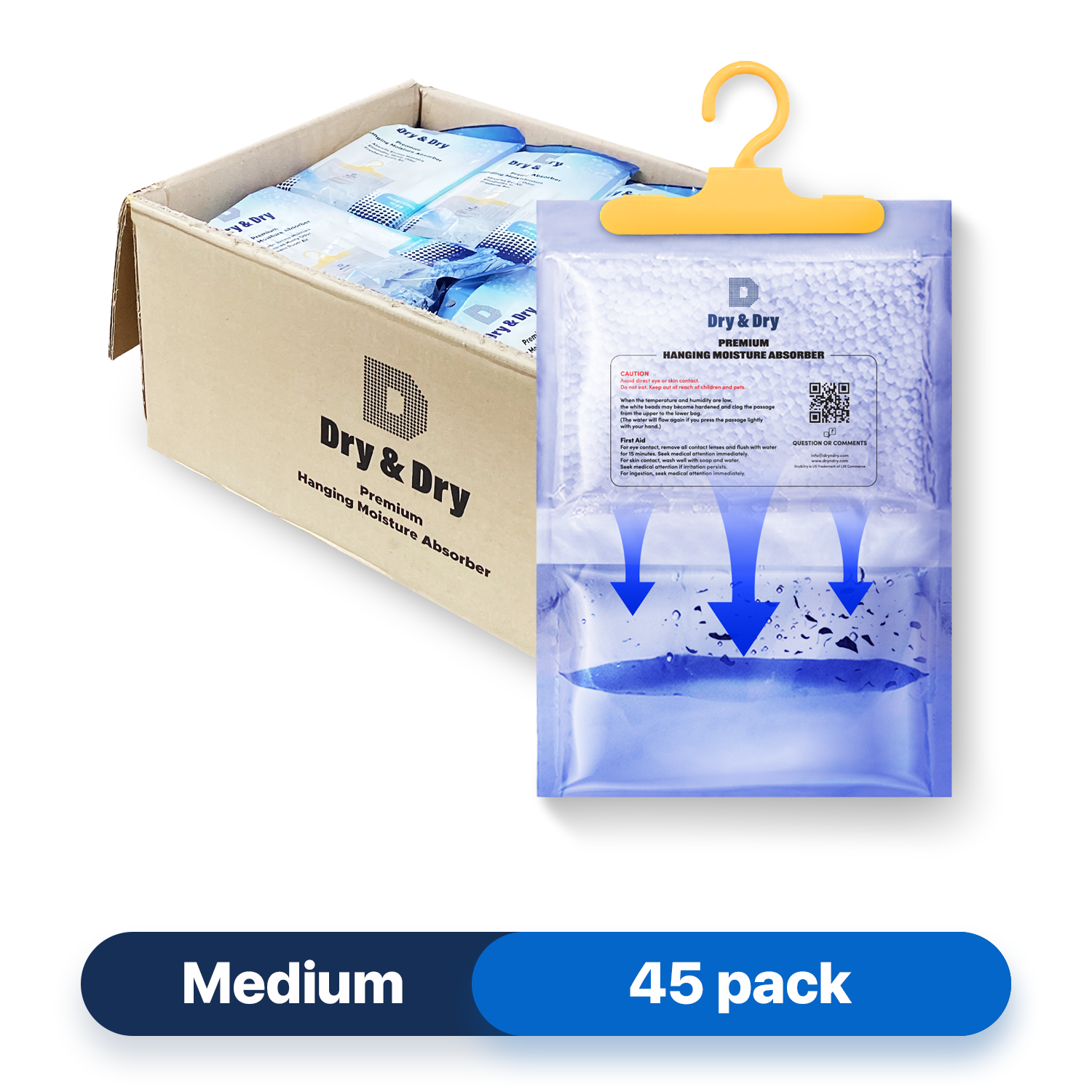
Real-world cases and lessons learned
I once treated a Lab that ate a closet tub of calcium chloride brine. He drooled and pawed at his mouth. A gentle rinse, pain meds, and fluids turned him around fast. The owner brought the label, which saved time.
Another case was a cat who chewed a silica gel pack. She vomited twice and then ate a bland meal. She was fine by morning. The owner knew what to do if pet eats moisture absorber and called right away, which helped.
What I’ve learned:
- Labels matter. Bring or photograph them.
- Most silica gel cases are mild. Packets can still block the gut.
- Calcium chloride can burn. Do not delay calling.
Prevention that actually works
A few habits stop repeat mishaps. They are simple and cheap.
- Store: Keep packets in a lidded bin, high and out of reach.
- Toss right away: Open a package, remove the sachet, and throw it out in a sealed trash can.
- Lock moisture tubs: Use closet tubs with pet-proof lids.
- Train leave it: Reward your dog for ignoring small items on the floor.
- Sweep often: Beads bounce. A quick sweep can save a scare.
These habits mean you may never need to ask what to do if pet eats moisture absorber again.
Frequently Asked Questions of what to do if pet eats moisture absorber
Is silica gel toxic to pets?
Silica gel is usually low toxicity. It can cause mild stomach upset or a blockage if the packet is swallowed whole.
What if my pet ate a calcium chloride moisture absorber?
Rinse the mouth with water and call your vet now. Calcium chloride can burn and cause vomiting and pain.
Should I make my pet vomit after eating a moisture absorber?
No. Vomiting can cause more harm, especially with caustic products and packets that can get stuck.
How much silica gel is dangerous?
Small amounts are often okay, but size matters. Tiny pets or large amounts raise the risk and need a vet call.
What should I bring to the vet?
Bring the packet or a photo, your pet’s weight, and the time of exposure. This helps your vet act fast.
Conclusion
You now know what to do if pet eats moisture absorber. Act fast, find the product type, avoid home remedies that can harm, and call your vet when unsure. Most silica gel cases end well, but calcium chloride needs quick care.
Make a simple plan today. Move packets out of reach, secure closet tubs, and teach leave it. If this helped, share it with a friend, subscribe for more pet safety tips, or leave a question so I can help next time.