

Relative humidity is the moisture in air compared to what it can hold.
If you have ever wondered what is relative humidity and why it matters, you are in the right place. I’ve spent years helping people fix home comfort issues, reduce mold, and read weather like a pro. In this guide, I’ll break down what is relative humidity in simple words, with clear tips you can use today. Stick with me, and you’ll never look at a “humid day” the same way again.

What Is Relative Humidity, Really?
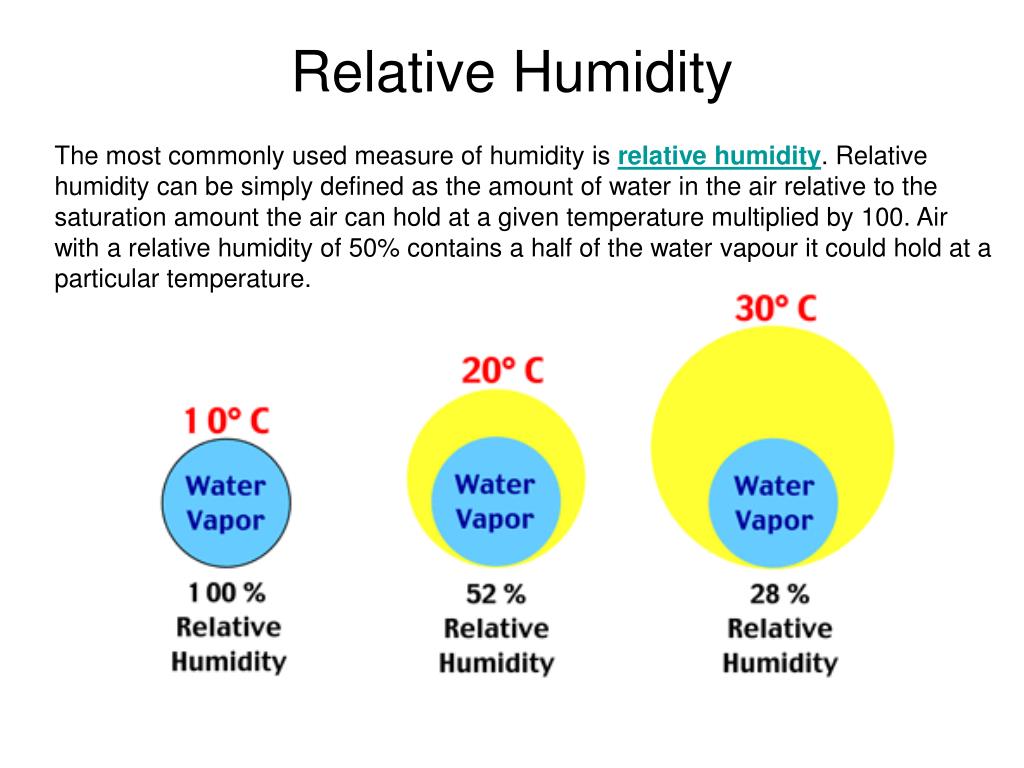
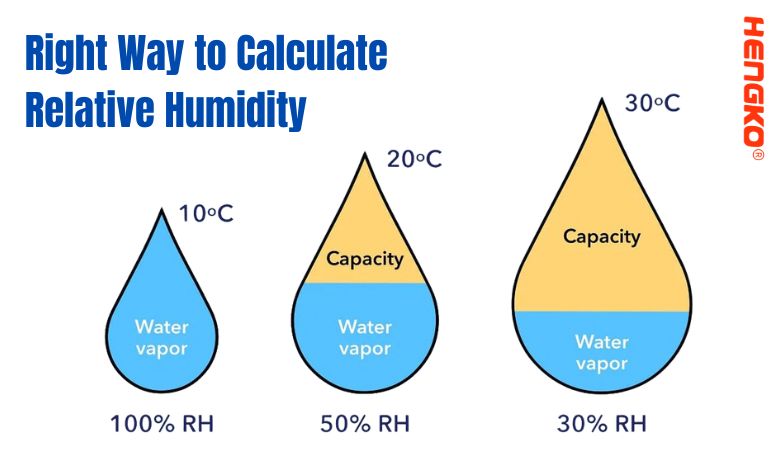
At its core, what is relative humidity? It’s a percentage that shows how full the air’s “moisture bucket” is at a given temperature. When people ask what is relative humidity, they want to know how close the air is to being saturated. At 100%, the air is full and cannot hold more water vapor. At 50%, it holds half of what it could at that temperature.
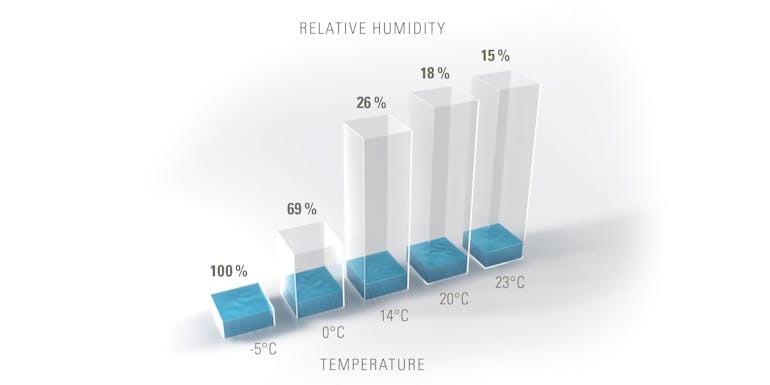
Here is the simple idea. Warm air can hold more moisture than cold air. So 50% on a cool morning is not the same amount of moisture as 50% on a hot afternoon. That is why the same percentage can feel very different. An easy way to picture what is relative humidity is to think of a sponge. A warm sponge can soak up more water. A cold one cannot.
You might see a formula written like this in textbooks: relative humidity equals actual moisture divided by the maximum possible at that temperature, times 100. That’s the science behind what is relative humidity, and it explains why temperature changes your comfort so much.

How We Measure Relative Humidity
To measure what is relative humidity, we use hygrometers. These tools sense moisture in the air and show a percentage. You’ll find them in smart thermostats, weather stations, and tiny stand-alone units.
Common ways to measure:
- Digital hygrometers use a sensor that changes with moisture. They are cheap and quick.
- Sling psychrometers use two thermometers, one wet and one dry. The difference tells humidity.
- Dew point meters measure when water condenses. From that, they compute relative humidity.
A calibration tip I use at home: the salt test. Place a damp (not soupy) salt paste in a sealed container with your hygrometer. After 8 to 12 hours at room temperature, it should read about 75%. If not, note the offset for better accuracy.
Why Relative Humidity Matters
Understanding what is relative humidity helps you make better choices for comfort, health, and gear.
Comfort and health:
- Most people feel best around 40% to 50% indoors.
- Dry air can cause itchy skin, sore throat, and static shocks.
- Very humid air feels sticky and can strain your body in the heat.
Allergies and germs:
- Dust mites thrive above about 50% to 60%.
- Mold risk rises when indoor surfaces stay damp and air stays above 60% for long.
- Some viruses spread better in very dry air, while others linger in very humid air. A mid-range is a helpful balance.
Homes and items:
- Wood floors and guitars can crack below 30%. I once watched a beautiful maple neck twist after a week of dry winter air. A small room humidifier fixed it.
- High humidity speeds rust and can damage electronics and stored photos.
- Food storage and wine benefit from steady humidity.
A small change goes far. In one basement project, lowering humidity from 60% to 45% removed the musty smell and stopped mold growth on joists within weeks. That is the power of knowing what is relative humidity and controlling it.

Weather, Dew Point, and Heat Index
Weather apps answer what is relative humidity, but they also show dew point. Dew point tells how much water vapor is actually in the air. It is a better comfort gauge than the percentage alone. A dew point above 65°F often feels muggy, while below 55°F feels crisp.
Heat index blends air temperature and humidity to show how hot it feels. For example, 90°F with 70% relative humidity can feel like about 105°F. High humidity slows sweat evaporation, so your body struggles to cool down.
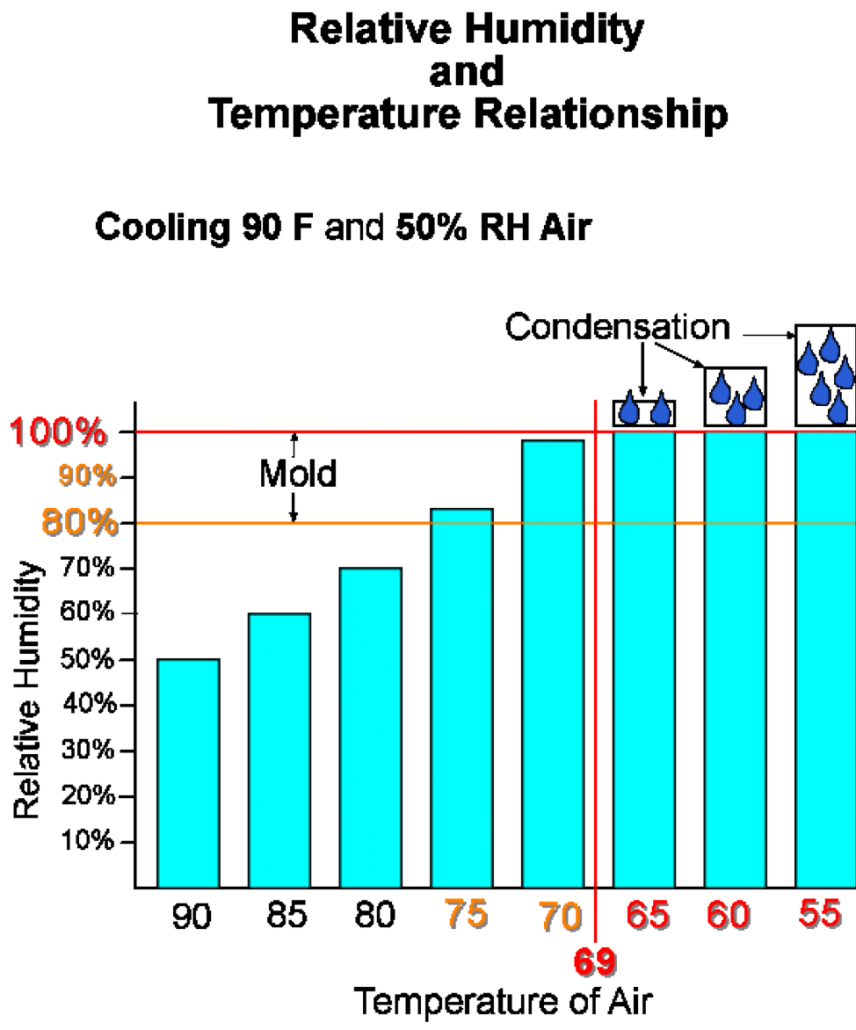
Fog and clouds form when air cools to the dew point. Near 100% relative humidity at ground level, water condenses into tiny droplets. That is why mornings after a clear night can be foggy: the air cooled until it could not hold more moisture.
Indoor Targets and Control Tips
If you are asking what is relative humidity you should aim for at home, here’s a simple guide. Keep indoor air between 30% and 50% most of the year. In hot, humid climates, try to stay under 55% to block mold. In cold winters, avoid going above 40% to prevent window condensation and wall moisture.
What works in real life:
- Ventilate. Use kitchen and bath fans during and after cooking or showers.
- Dehumidify. Pick a unit sized to your space. A 50-pint unit suits many basements.
- Seal leaks. Fix dripping pipes and seal crawlspaces. Moisture sneaks in quietly.
- Manage sources. Run the dryer vent outside. Cover pots when boiling water.
- Humidify in winter. Use a cool-mist unit and clean it often to prevent growth.
- Use a smart humidistat. Set alerts at 55% so you act before problems start.
Mistakes to avoid:
- Setting humidifiers too high. You might see wet windows and hidden mold.
- Ignoring the basement. It often drives the whole home’s moisture.
- Forgetting filters and tanks. Dirty gear spreads bacteria and minerals.
I keep a small sensor in my guitar case and another in the main room. That habit saved me from a crack during a cold snap. Small steps beat big repairs.
Seasonal Patterns and Regional Differences
If you move from Phoenix to Miami, what is relative humidity will feel very different. Desert air has low moisture most of the year, even if relative humidity rises at night. Tropical air is often near saturation, so heat feels heavier.
Seasonal shifts:
- Summer: Warm air holds more water. Storms and coastal winds boost humidity.
- Winter: Cold outdoor air holds little water. Heating dries indoor air fast.
- Monsoon and rainy seasons raise dew point for weeks, not just hours.
Room-by-room differences matter too:
- Kitchens and bathrooms spike after cooking and showers.
- Basements and crawlspaces stay humid if not sealed and conditioned.
- Closets on exterior walls can trap moisture. Leave a small gap for airflow.
Travel tip: Pack a pocket hygrometer if you are sensitive to dryness or dampness. It helps you head off nosebleeds, sore throats, or frizzy hair days.
Common Myths and Misconceptions
A common myth about what is relative humidity is that 100% means it is raining. Not always. It can be foggy with no rain at all.
More myths to skip:
- Low humidity is always good. Too low causes dry skin, static, and wood damage.
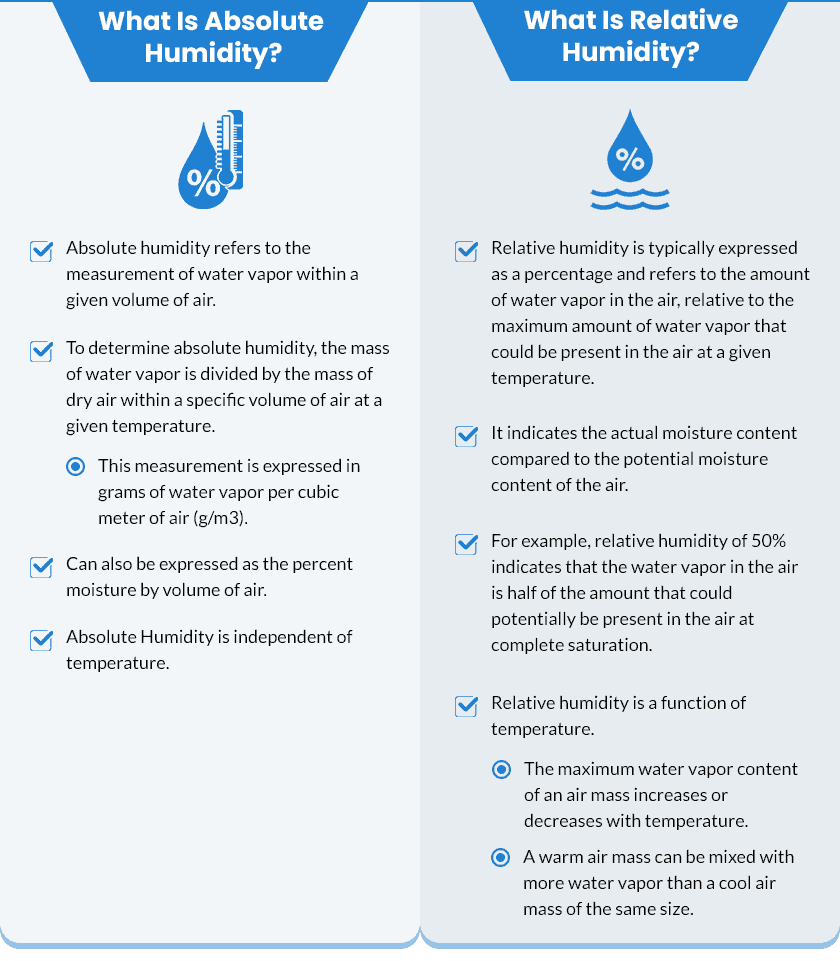
- Relative humidity and dew point are the same. Dew point is the absolute amount of moisture; relative humidity is a percentage that changes with temperature.
- Plants need very high humidity. Many houseplants do fine near 40% to 60%. Learn your species.
- Opening windows always helps. In humid weather, it can make your home wetter.
When you know what is relative humidity, you can see through these myths and make smarter choices.
Frequently Asked Questions of what is relative humidity
What is relative humidity in simple terms?
It shows how full of moisture the air is, as a percentage. It compares how much water vapor the air holds to how much it could hold at that temperature.
Why does the same percentage feel different on hot and cool days?
Warm air can hold more moisture. So 60% on a hot day means more total water vapor than 60% on a cool day.
What is a good indoor relative humidity?
Aim for 30% to 50% most of the time. In summer, try to stay below 55% to reduce mold and dust mites.
How do I measure it at home?
Use a digital hygrometer. Place it away from vents and windows, and check a few rooms to get a true picture.
Can relative humidity be more than 100%?
In nature, air rarely stays above 100% because excess vapor condenses into droplets. In labs, slight supersaturation can happen for a short time.
Why does relative humidity change through the day?
Air warms and cools. As temperature rises, the air can hold more moisture, so the percentage often drops, even if the actual water vapor stays the same.
Conclusion
You now understand what is relative humidity, why it changes, and how it affects your comfort, health, and home. With a few simple tools and habits, you can keep indoor air in the sweet spot and avoid costly damage.
Try one action today: place a hygrometer in the most humid room and note the reading at morning, afternoon, and night. If it sits above 55%, start with better ventilation and a dehumidifier. Want more practical tips like these? Subscribe for updates, ask a question, or share your own humidity story in the comments.