

Musty smells usually come from excess moisture, mold growth, and stagnant indoor air.
If you want a clear, friendly guide to what causes musty smell in house, you’re in the right place. I’ve spent years tracking down stubborn odors for homeowners and renters. This guide blends hands-on tips with solid building science. Stick with me and you’ll learn how to find the source, fix it, and keep that fresh-air feeling for good.
The science behind that musty odor
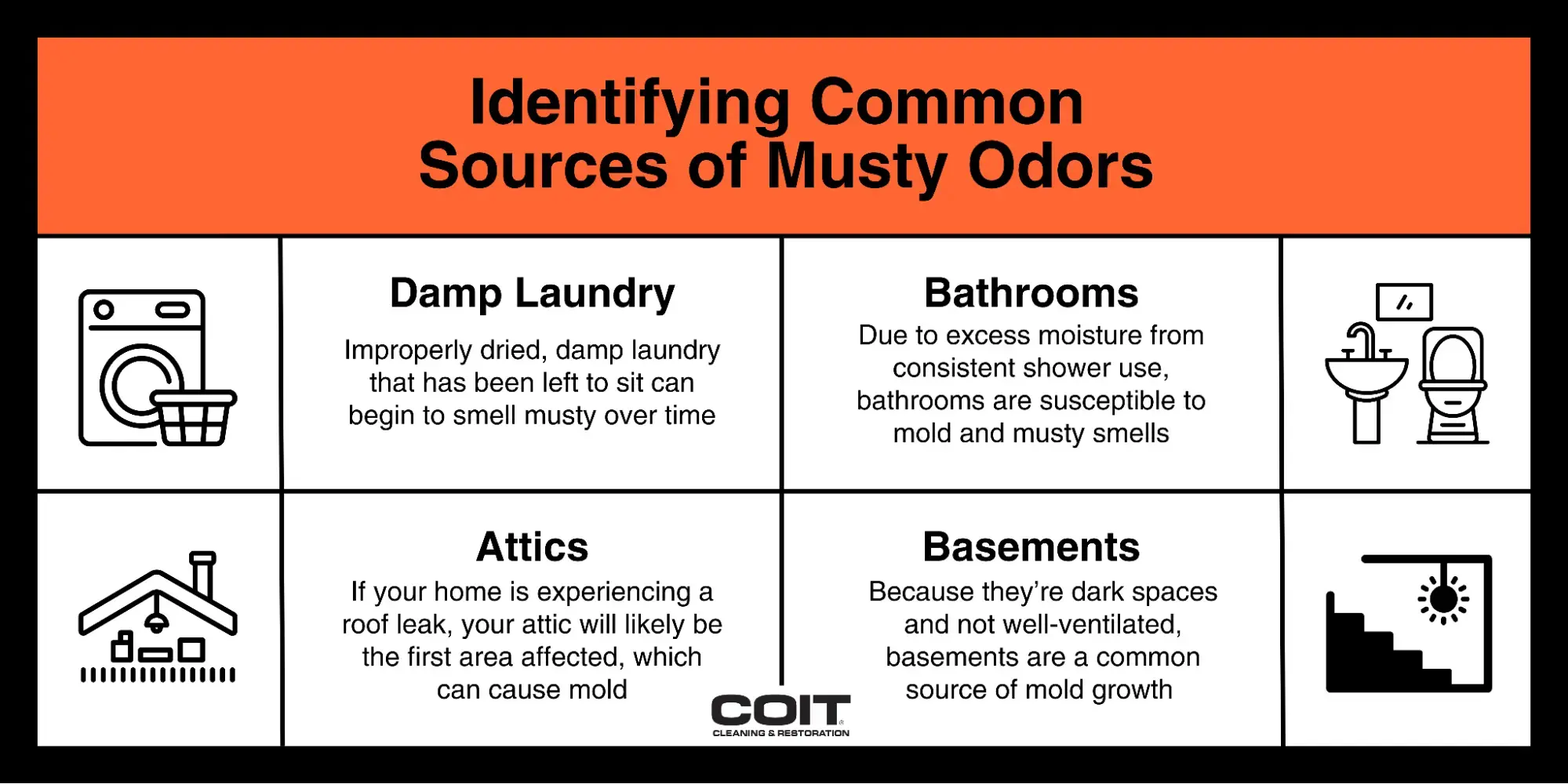
Musty is not just a smell. It is a sign. When materials stay damp, tiny microbes wake up and release gases called MVOCs. These gases smell earthy or stale.
If you ask what causes musty smell in house, the short answer is moisture that lingers. Mold, mildew, and some bacteria thrive when humidity runs high. Dust and skin cells add food. Air sits still. The odor builds.
Keep indoor humidity near 30% to 50%. Above 60% for long periods, risk rises fast. That is when drywall, carpets, and wood can feed growth.
You can smell before you see. That is normal. Smell is often the first warning. Take it as a nudge to act.
Top culprits: where the smell hides room by room
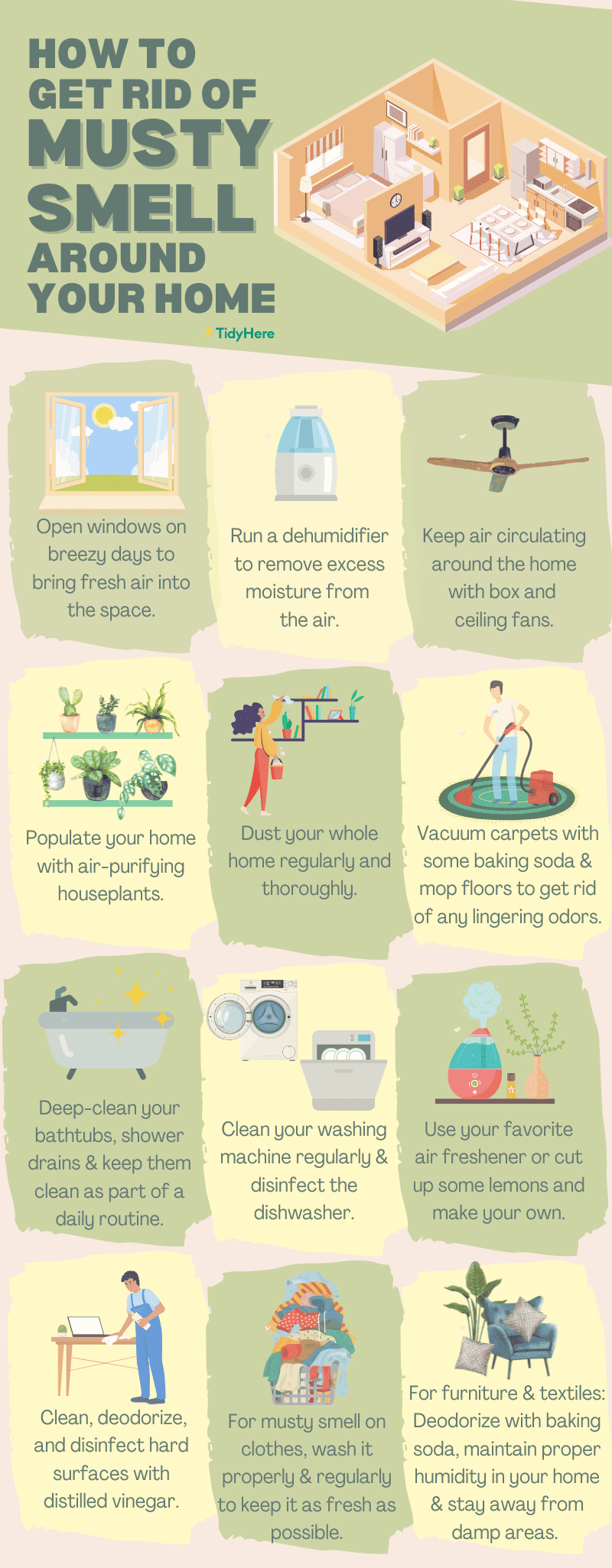
- Damp walls or floors wick moisture from soil.
- Old carpets and cardboard store odor.
- Floor drain traps dry out and let sewer gas in.
Bathroom
- Leaky wax rings or shower pans feed mold.
- Fans that vent into the attic trap moisture.
- Wet towels pile up and never dry.
Kitchen
- Slow leaks under sinks wet cabinet bases.
- Dishwashers drip at doors and hoses.
- Garbage disposals grow biofilm.
Bedrooms and closets
- Closets with poor air flow trap body odor and moisture.
- Exterior walls form condensation in cold weather.
- Old mattresses and pillows hold humidity.
Attic and crawl space
- Roof leaks wet sheathing and insulation.
- Crawl spaces pull damp air into the house.
- Unsealed dirt floors keep RH high.
Laundry and utility rooms
- Washer hoses seep at fittings.
- Dryer vents clog and dump moist air inside.
- Water heaters sweat and rust.
HVAC areas
- AC drain pans grow slime.
- Coils get dusty and damp.
- Duct leaks pull air from musty spaces.
I often find that what causes musty smell in house is not one thing. It is a stack of small issues. Fix two or three and the odor fades.

Moisture and humidity: the root cause
Moisture wins when water gets in faster than it gets out. That can be rain, leaks, ground vapor, or air that cannot move. When air stands still, surfaces stay damp.
Watch these sources:
- Rain that sneaks in at windows, doors, or flashing.
- Plumbing drips in hidden walls.
- Condensation on cold pipes and ducts.
- Ground moisture under slabs or in crawl spaces.
- Steam from showers and cooking without good venting.
If you want to pin down what causes musty smell in house, track humidity first. Use a simple hygrometer in each level. Run a dehumidifier to hold 30% to 50%. Seal soil in crawl spaces with a vapor barrier.
HVAC, ventilation, and air movement
Heating and cooling can help or hurt. If filters clog, airflow drops. If drain lines clog, pans overflow. That leaves a wet, dark, dusty spot. Perfect for odor.
Check these items:
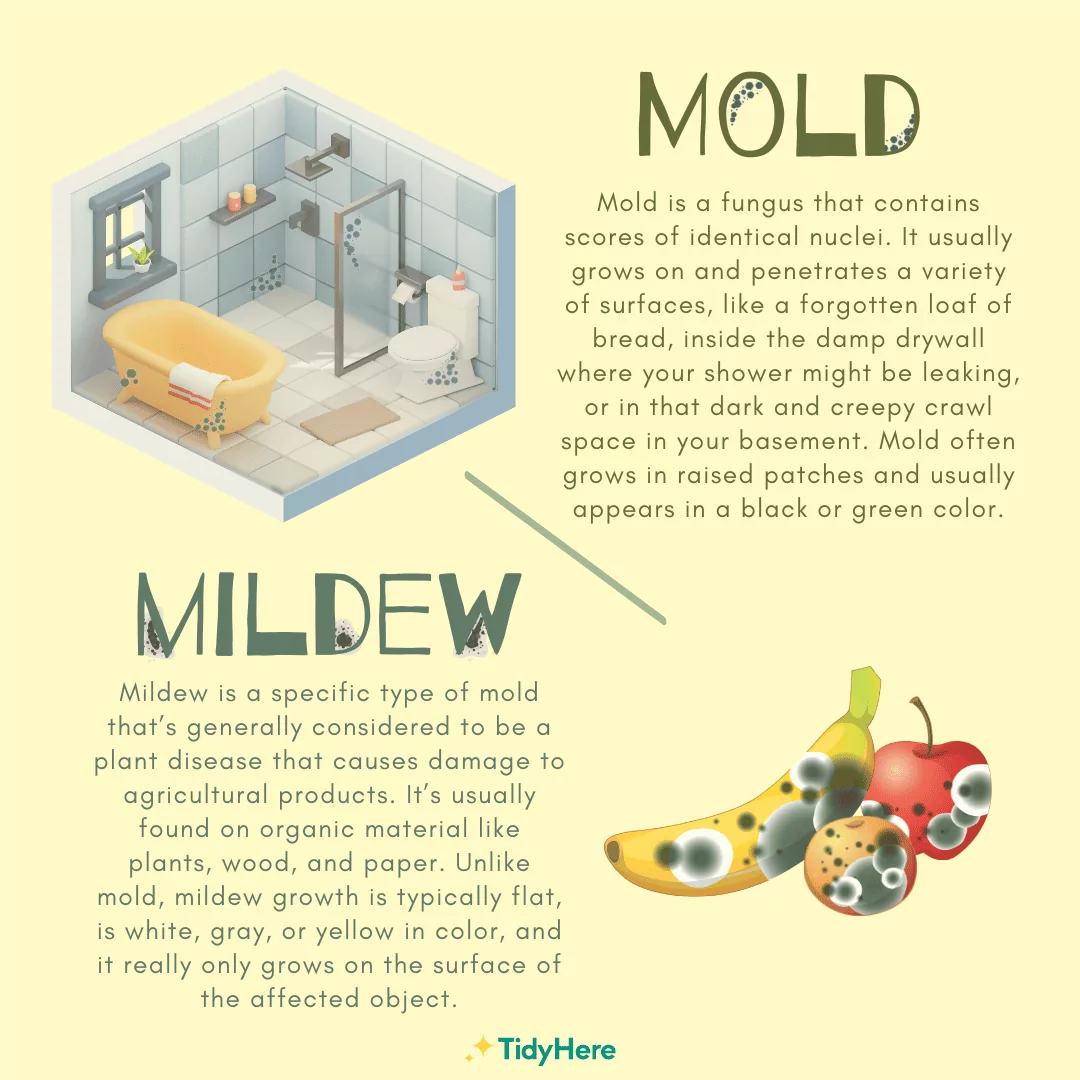
- Replace filters every one to three months.
- Clear the AC drain with a safe cleaner.
- Clean coils and pans each season.
- Vent bath and kitchen fans outdoors, not into the attic.
- Use a balanced or energy recovery system in tight homes.
Many clients ask what causes musty smell in house when the AC runs. Often it is a dirty coil or wet duct liner. Clean the system and improve airflow. The smell fades.

Mold, mildew, and bacteria: spotting, testing, and safety
Look for clues. Stains, peeling paint, or fuzzy growth matter. So does a smell zone that gets stronger near one wall or corner.
Testing has limits. DIY kits can mislead. Air samples show spores, but not always the leak. A careful visual check with a moisture meter works best. If you see wide growth, call a pro.
Stay safe:
- Wear gloves, goggles, and a mask for cleanup.
- Bag and bin porous items that stayed wet for more than a day or two.
- Clean hard surfaces with detergent first, then rinse.
If you wonder what causes musty smell in house after a past leak, suspect hidden mold in walls. Drywall and insulation can hold odor long after the surface looks clean.

Plumbing, roofs, and building envelope leaks
Small leaks make big smells. A drip you cannot see can soak a stud bay for months. That gap feeds odor and rot.
Check common spots:
- Under sinks and behind dishwashers.
- Toilet bases for loose or failed wax rings.
- Tubs and showers at corners and pans.
- Roof valleys, chimneys, and skylights.
- Window sills and door thresholds.
Use simple tools. A moisture meter finds damp areas fast. An infrared scan can help. What causes musty smell in house often tracks to a tiny, steady leak. Fix it, dry it, then repair the damage.

Materials that trap musty odors
Some things hold onto smells. They act like sponges. Even when dry, the odor stays.
Watch these materials:
- Carpets, pads, and area rugs.
- Drywall and paper-faced insulation.
- Cardboard boxes and books.
- Upholstered furniture and curtains.
- Unsealed wood and fiberboard.
How to treat:
- Wash what you can with hot water and a good detergent.
- Sunlight and fresh air help fabrics.
- Use HEPA vacuuming on rugs and furniture.
- Try activated charcoal or baking soda for mild cases.
- Replace items that stayed wet too long.
When clients ask what causes musty smell in house long after a leak, the answer is often carpets and pads. Swapping them out makes a big difference.

Pets, people, and daily habits that make it worse
We add moisture every day. Breathing, showering, cooking, and cleaning all add water to the air. Small habits help or harm.
Common triggers:
- Hanging wet laundry indoors without good airflow.
- Overwatering houseplants.
- Storing damp sports gear or camping tents.
- Leaving shower doors closed after use.
- Letting pet bedding stay damp.
If you are still asking what causes musty smell in house after fixes, review routines. Simple tweaks can tip the balance back to dry.
Seasonal causes and climate factors
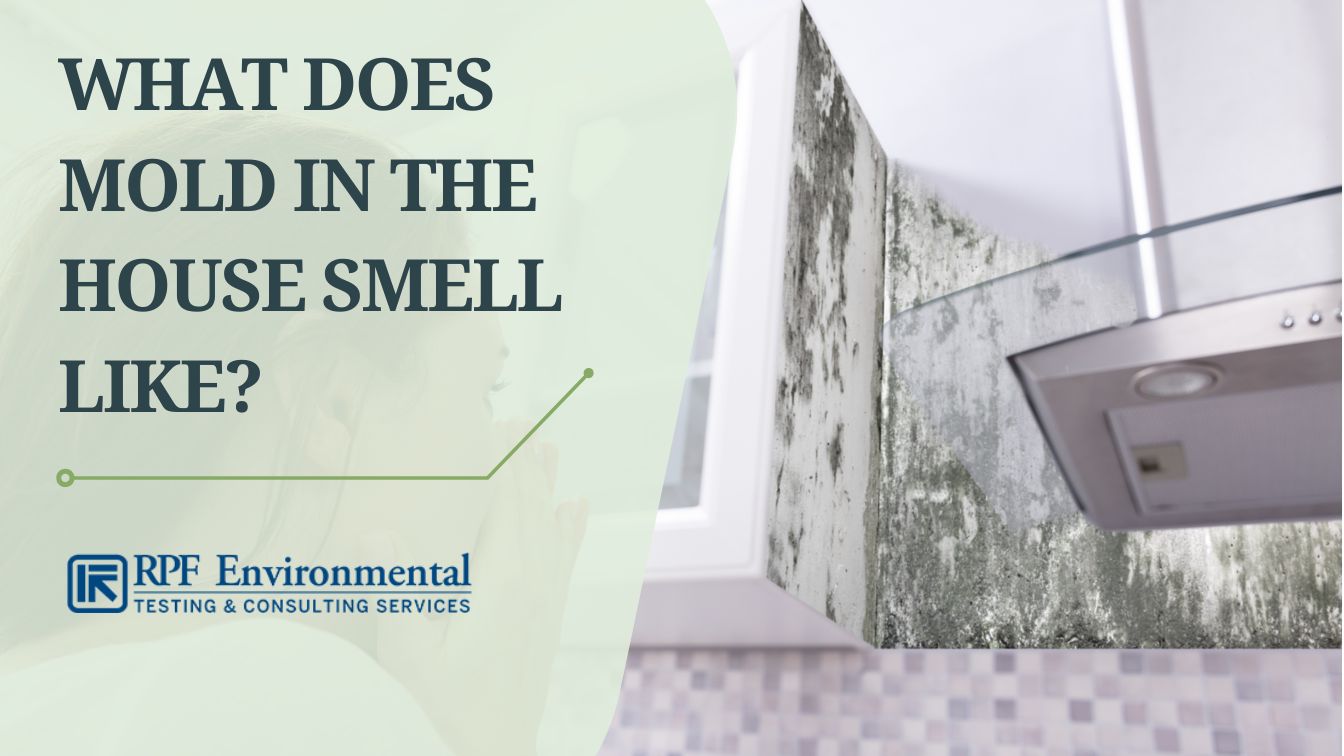
Smells shift with seasons. Spring thaws wet basements. Summer brings high humidity. Fall fills gutters and drives water behind siding. Winter puts cold on walls and windows, which drives condensation.
Coastal homes fight salt air and high RH. Mountain homes fight stack effect and dry-to-wet swings. Vacation homes smell musty when closed up because air does not move and RH climbs.
Ask what causes musty smell in house this time of year. That helps you aim your fix. Tune your plan to the season.
How to diagnose: a step-by-step plan
Follow this simple path:
- Map the smell. Walk room by room. Note where it is stronger.
- Log humidity on each floor for a week.
- Check sinks, toilets, tubs, and appliances for leaks.
- Look under rugs and inside closets on exterior walls.
- Inspect the attic after rain and the crawl space on humid days.
- Check the AC drain and filter. Run the fan to test airflow.
- Open and test floor drains. Add water to traps if dry.
- Use a moisture meter on suspect walls and baseboards.
- Isolate. Close doors to narrow the source.
One tip from the field. Pause and reset your nose with fresh outdoor air. Then reenter the area. That makes your map more accurate. If you still wonder what causes musty smell in house, bring in a pro with meters and a thermal camera.
How to get rid of musty smell fast and for good
Quick wins today:
- Open windows if weather allows. Create cross-ventilation.
- Run bath and kitchen fans for 20 to 30 minutes.
- Set dehumidifiers to 45% RH and empty them daily.
- HEPA vacuum carpets and upholstery.
- Wipe hard surfaces with a mild detergent.
Lasting fixes:
- Find and fix leaks at the source.
- Dry wet areas within 24 to 48 hours.
- Remove and replace wet drywall, pads, and insulation.
- Clean HVAC coils, pans, and ducts as needed.
- Seal crawl spaces and add a dedicated dehumidifier.
- Improve grading and gutters to push water away.
Use ozone with care. It can harm lungs and materials. Carbon filters and fresh air are safer. If anyone in the home has asthma or mold allergies, be extra careful. Many readers who ask what causes musty smell in house find that moisture control plus source removal solves it.
Prevention checklist you can keep
Monthly
- Change or clean HVAC filters.
- Run bath fans during and after showers.
- Empty and clean dehumidifiers.
Seasonal
- Clean gutters and downspouts.
- Check roof, flashing, and attic after big storms.
- Inspect under sinks and around toilets.
Year-round targets
- Hold indoor RH between 30% and 50%.
- Vent dryers outdoors and keep vents clear.
- Store items off the floor in basements and garages.
- Avoid cardboard in damp areas. Use plastic bins.
- Keep a small gap between furniture and exterior walls.
Do a quick walk-through every month. Trust your nose. If you sense that earthy hint again and ask what causes musty smell in house, check humidity, leaks, and airflow first.
Frequently Asked Questions of what causes musty smell in house
Why does my house smell musty after rain?
Rain finds weak spots in roofs, windows, and basements. Water soaks materials, and microbes release that earthy scent.
Can high humidity alone cause a musty smell?
Yes. Humidity above 60% lets mold and bacteria grow on dust and surfaces. Control RH to stop it.
How do I know if it is mold or just stale air?
If the smell is stronger near damp spots, it is likely mold. If airing out the home fixes it fast, it was stale air.
Will opening windows remove musty odors for good?
Fresh air helps, but it is a short-term fix. You must remove moisture and clean or replace affected materials.
Are musty smells harmful?
Odors are signals, not the hazard itself. But the source may be mold or bacteria, which can bother sensitive people.
Do houseplants cause musty smells?
Overwatering can. Wet soil and trays add humidity and can grow mold. Water less and add airflow.
What causes musty smell in house even after cleaning?
Hidden moisture or porous items may still hold odor. Check carpets, pads, drywall, and HVAC drains.
Should I use vinegar or baking soda?
Both can help mild odors on hard and soft surfaces. If the smell returns, look for moisture and leaks.
Conclusion
Musty odors come from moisture, microbes, and still air. Track humidity, find the leak, and remove affected materials. Then add smart ventilation and steady drying to keep things fresh.
Start today with a humidity check and a quick home walk-through. Fix one source each week until the smell is gone. Want more tips like this? Subscribe, share your questions, or leave a comment with your toughest odor mystery.