

Mold in closets comes from trapped moisture, poor airflow, and cooler surfaces.
If you want a clear, expert guide on what causes mold in closets, you’re in the right spot. I’ve helped many homeowners solve closet mold, from tiny spots behind shoes to full wall growth after a leak. I’ll explain what causes mold in closets, how to fix it, and how to stop it for good, in simple steps you can use today.
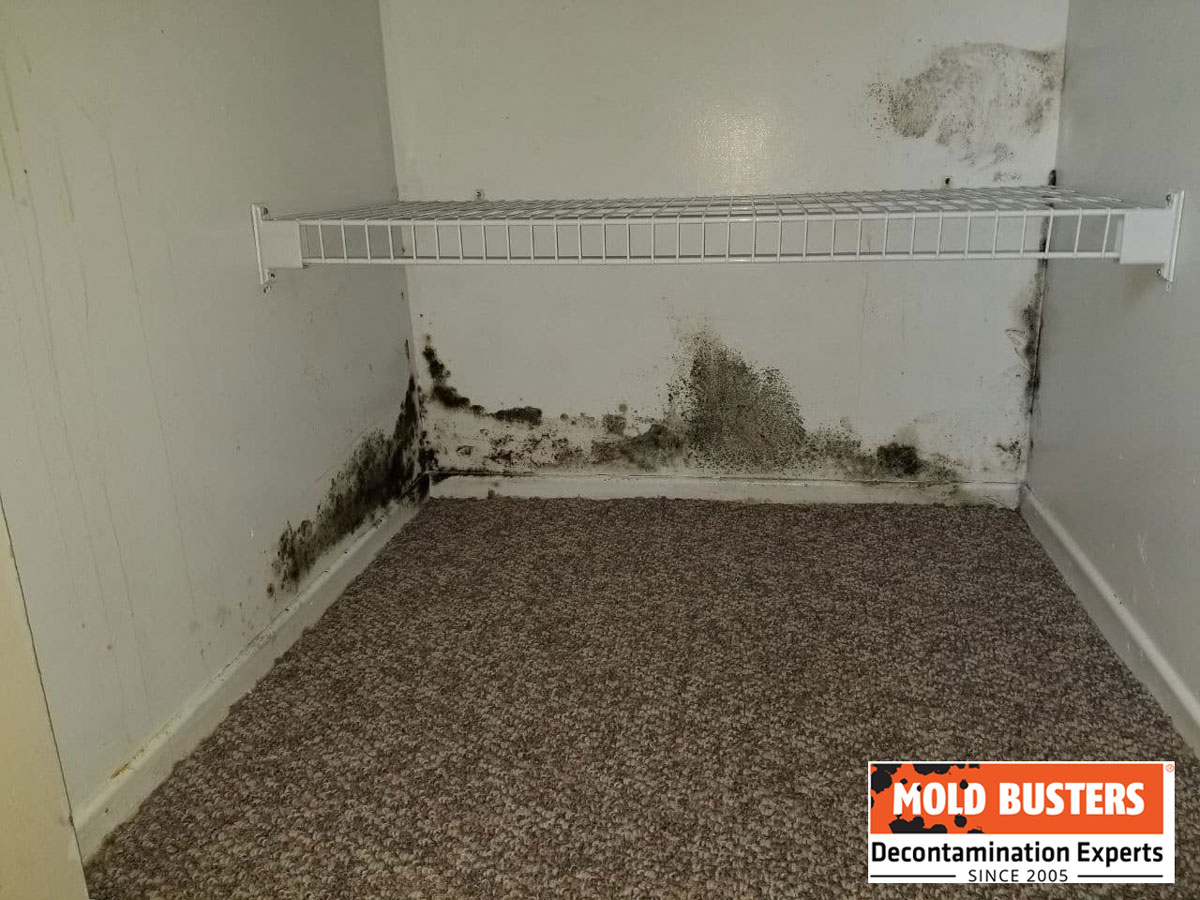
What causes mold in closets
Moisture is the root cause. Mold needs moisture, air, and a food source. Closets have all three. The EPA advises keeping indoor humidity under 60%, and 30–50% is ideal. When humidity rises and air gets still, mold finds a home.
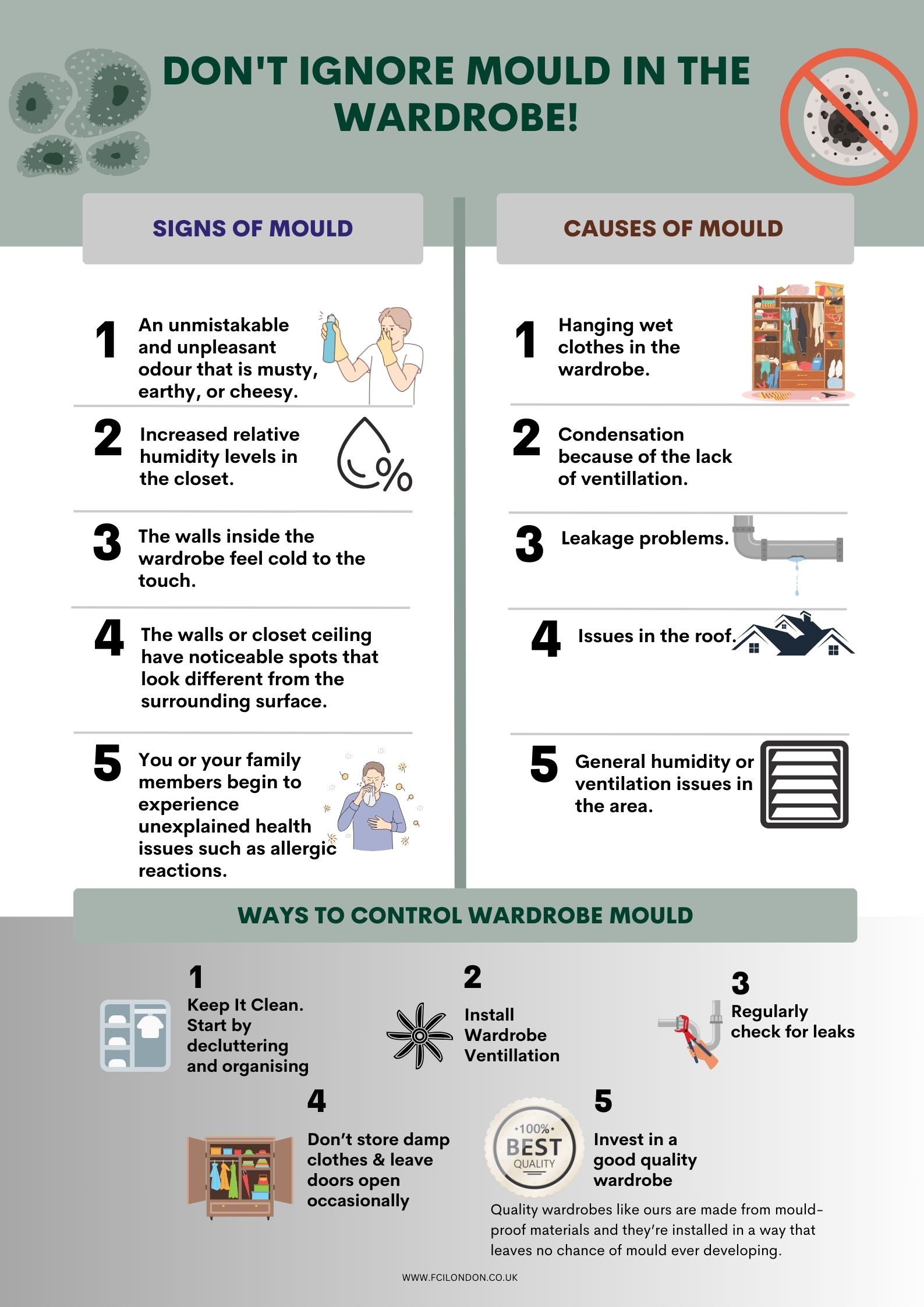
Here are the most common triggers for what causes mold in closets:
- High humidity. Bathrooms, kitchens, and basements raise moisture. Warm, wet air drifts into closets and lingers there.
- Condensation on cold walls. Exterior walls and corners get cool. Moist air hits those cool spots and turns into water on paint or drywall.
- Poor airflow. Packed closets trap air. No air movement means slow drying and steady dampness.
- Wet items. Damp coats, sweaty shoes, gym bags, and un-dried laundry feed mold.
- Leaks and seepage. Roof leaks, pipe pinholes, AC condensate lines, or crawlspace moisture can wet closet materials.
- Uninsulated or thin walls. Thermal bridges make cold surfaces. Cold plus humidity equals condensation.
- Dirty dust film. Dust is food for mold. It coats shelves, boxes, and clothes.
In my inspections, what causes mold in closets most often is a mix of humidity, cool walls, and tight storage. I will show you how to fix all three.

The science of mold: why closets are vulnerable
Think of a closet like a tiny cave. It is closed, dark, and still. Warm air holds water. When that air hits a cool wall, the water drops out as condensation. That thin film is enough for spores to wake up and grow.
Most closet materials are food for mold. Drywall paper, wood shelves, cardboard boxes, and cotton clothes are all cellulose. Add dust and skin flakes, and it is a buffet. The CDC notes that mold can grow within 24–48 hours when surfaces stay damp.
This is why what causes mold in closets is not just “moisture.” It is moisture that lingers. Airflow is low. Surfaces are cool. The combo flips the switch from safe to moldy.
Common closet scenarios and fixes
Here are real cases I see often, plus fast fixes you can use.
-
Closet on an exterior wall
- Cause: Cold wall meets warm, humid air. Condensation forms.
- Fix: Add insulation if possible. Keep a 2–3 inch gap between items and the wall. Use a small fan or leave the door open part of the day.
-
Closet shares a wall with a bathroom
- Cause: Shower steam drifts through gaps or warms the wall, then cools. Moisture rises.
- Fix: Run the bath fan for 20–30 minutes after showers. Seal wall penetrations. Use a louvered closet door to boost airflow.
-
Packed, floor-to-ceiling storage
– Cause: Stagnant air and trapped humidity.- Fix: Declutter by 20–30%. Space hangers. Swap solid shelves for wire. Keep shoes off the floor on open racks.
-
Basement or slab-level closet
- Cause: Higher ground moisture and cooler surfaces.
- Fix: Run a room dehumidifier set to 50% RH. Lift items off floors. Use a vapor barrier under carpets near the closet.
-
Seasonal or vacation home closets
- Cause: AC off for long stretches. Humidity builds up.
- Fix: Use a smart dehumidifier or AC in dry mode. Add moisture absorbers as backup. Leave doors slightly ajar.
-
New, tight homes
- Cause: Great for energy, tough for ventilation.
- Fix: Use continuous low-speed ventilation or an ERV. Keep closet doors vented or add grills.
A quick note from the field: one client had “mystery mold” only behind long dresses. The dresses acted like a curtain on a cold wall. We added a 3-inch gap, swapped in wire shelving, and set a small fan on a timer. No more growth. This is a classic sign of what causes mold in closets: cold wall plus blocked airflow.

How to prevent mold in closets
Prevention is the best cure. Use these steps as your core plan.
-
Control humidity
- Keep home RH between 30–50%. Use a hygrometer to track levels.
- Run a dehumidifier in damp seasons or rooms. Aim for 50% RH setpoint.
- Vent bathrooms and kitchens outdoors for at least 20 minutes after moisture use.
-
Improve airflow
- Use louvered closet doors, door grilles, or leave the door cracked daily.
- Do not block supply vents or returns near closets.
- Add a small, quiet fan on a smart plug for 1–2 hours a day.
-
Keep items dry
- Never store damp clothes or shoes. Air-dry fully before hanging.
- Rotate items. Move long clothes to allow wall airflow.
- Avoid plastic garment bags. Use breathable cotton covers.
-
Reduce cold spots
- Insulate exterior walls and the attic above the closet.
- Seal gaps and cracks that let humid air sneak in.
- Use wire shelving to reduce surface area and dust build-up.
-
Maintain and monitor
- Dust and vacuum with a HEPA tool each month.
- Check for leaks after storms. Look above, below, and behind.
- Use moisture absorbers as a safety net, not the only fix.
These steps directly target what causes mold in closets. Keep humidity down, move air, warm cold spots, and keep items dry. That is the winning formula.
How to identify and remove mold safely
Spotting mold early saves money and stress.
-
Signs to watch
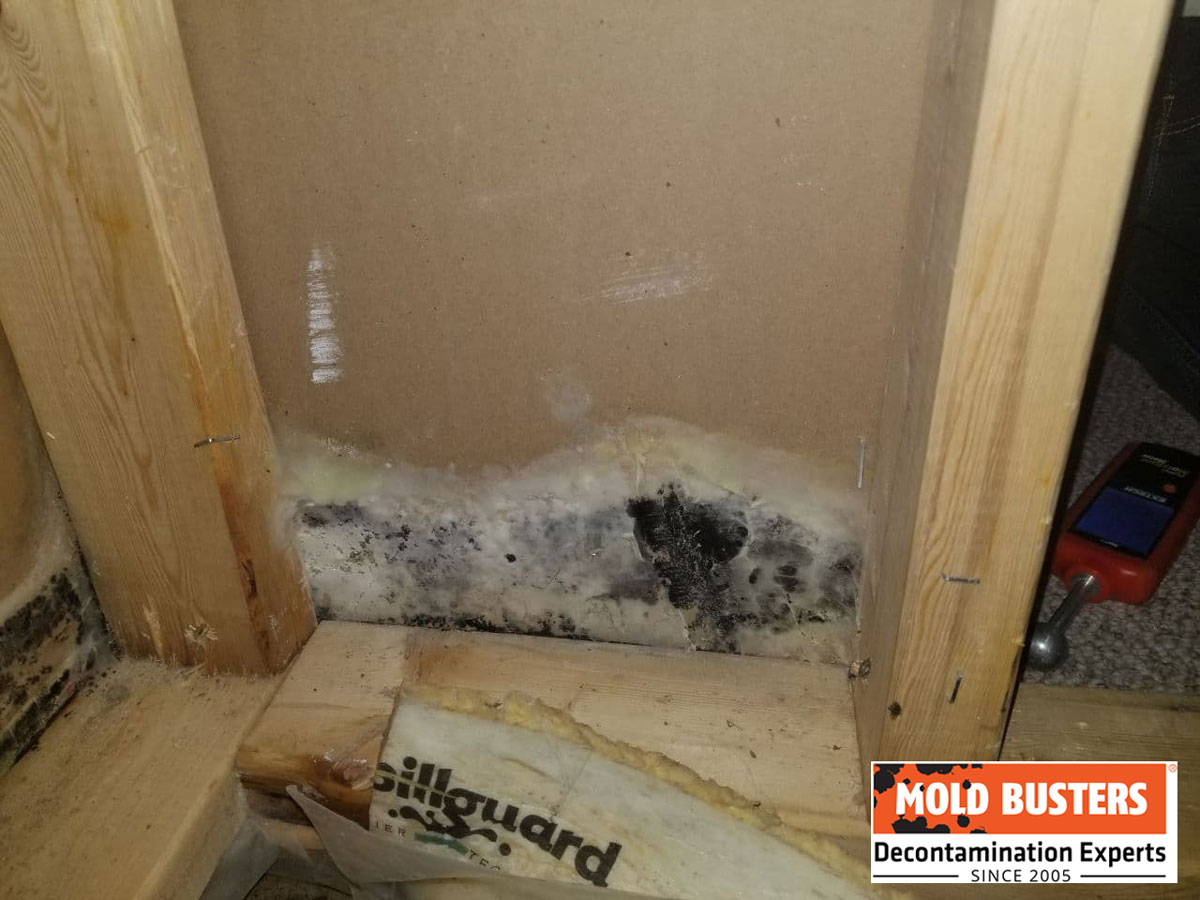
- Musty odor when the door opens.
- Specks or patches in corners, baseboards, or behind hanging items.
- Fuzzy white, green, or black spots on drywall, wood, or fabrics.
-
Confirm the moisture
- Check RH with a hygrometer. Over 60% is a red flag.
- Use a moisture meter on walls if you have one.
- Look for leaks, stains, or peeling paint.
-
Safe cleanup for small areas
- EPA guidance says homeowners can handle areas under about 10 square feet.
- Wear gloves, N95, and eye protection. Vent the area.
- HEPA vacuum loose dust. Clean hard, non-porous surfaces with detergent and water. Rinse and dry fast.
- For porous items with deep growth, discard if you cannot clean fully. Do not rely on bleach for porous materials.
- Dry the area within 24 hours. Fix the moisture source so growth does not return.
-
When to test
- If you cannot find the source, or growth keeps returning, testing can help.
- Air tests alone can be confusing. Tape-lift or surface tests are often more useful for a closet.
This process addresses signs and the source. It also helps you learn what causes mold in closets in your space, so you can prevent it next time.
When to call a professional
Call a pro if any of these apply.
- The affected area is larger than 10 square feet.
- There is a past or current leak you cannot access.
- Mold is in the HVAC, under floors, or inside walls.
- Family members have asthma, mold allergies, or immune issues.
- The mold returns even after you dry and clean.
Pros use containment, negative air, HEPA filters, and removal of damaged materials. They also track moisture until it is stable. Typical costs vary by size and region. Small jobs can start in the low hundreds. Larger jobs can run into the thousands.
A good pro will explain what causes mold in closets in your home, show moisture readings, and give a clear plan to prevent it.

Frequently Asked Questions of what causes mold in closets
What causes mold in closets during winter?
Cold walls meet humid indoor air, which leads to condensation. The moisture stays trapped in the closet and mold grows.
Does leaving the closet door open prevent mold?
It helps by improving airflow and drying surfaces. Pair it with humidity control to get the best results.
Is black mold in a closet dangerous?
Some molds can trigger allergies and asthma. Treat any visible mold with care, fix moisture, and clean or call a pro.
Can silica gel or moisture absorbers stop closet mold?
They help in small spaces but are not a full fix. Control humidity and airflow first, then use absorbers as backup.
Why does mold keep coming back in my closet?
The moisture source is still active. Find and fix leaks, lower humidity, and remove cold spots to stop the cycle.
What humidity level prevents closet mold?
Aim for 30–50% relative humidity. Keep it under 60% at all times, as recommended by major health agencies.
Conclusion
Closet mold is not random. It is the result of moisture, cool surfaces, and still air working together. Take control of humidity, improve airflow, and remove cold spots, and you shut down the root of the problem. Your clothes and walls will thank you.
Pick one step to start today. Measure closet humidity, crack the door, or move items off cold walls. If you found this helpful, subscribe for more home tips, share this with a friend, or ask your question in the comments.