

Most garage moisture comes from condensation, leaks, ground vapor, and poor ventilation.
If you’re tired of a damp floor or fogged windows, you’re in the right place. I’ve helped many homeowners diagnose what causes moisture in garage spaces, and I’ll walk you through the science, the common culprits, and the fixes that actually work. By the end, you’ll know what causes moisture in garage settings and how to stop it for good.
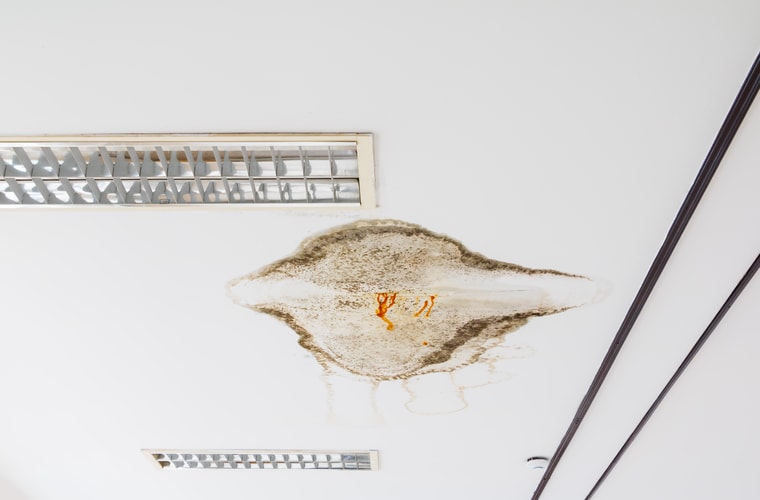
Understanding what causes moisture in garage
Moisture shows up when warm, wet air meets a cool surface. The air cools and drops water. That is condensation. In garages, concrete floors and metal doors get cold fast. They act like magnets for water.
Groundwater also moves up through a slab. This is called vapor drive. Air leaks, poor drainage, and daily habits add more water to the space. All of that explains what causes moisture in garage conditions most of the year.

Main sources: what causes moisture in garage day to day
Here are the most common triggers I see in real homes.
Outdoor humidity and temperature swings
Warm, humid air enters when the door opens. It hits a cool slab or door and turns to liquid. Fast temperature swings make this worse in spring and fall.
Groundwater and vapor from the slab
Bare concrete is porous. Moisture in soil can wick up through it. A missing or weak vapor barrier under the slab is a frequent cause.
Poor ventilation and stale air
Still air traps moisture. That raises relative humidity. With no fan or vents, dampness lingers and spreads.
Roof, wall, or door leaks
Bad gutters send rain toward the garage. Roof flashing can fail and drip. Door weatherstripping gaps pull in wet air and wind-driven rain.
Vehicle snow, rain, and road slush
Cars bring in water, snow, and salt. That melts onto the floor. Then it evaporates and spikes garage humidity.
Appliances and plumbing
Water heaters, softeners, and fridges can drip. Laundry appliances vent steam. A pinhole pipe leak can add gallons over time.
Uninsulated metal doors and cold surfaces
Thin garage doors and metal frames cool fast. They hit dew point and sweat. The same happens to cold water pipes.
Landscaping and grading
Soil should slope away from the slab. If it slopes back, water pools at the walls. That drives water into the garage.
Weather events and climate patterns
Storms, fog, and coastal air raise humidity. In winter, warm cars meet cold floors. That means quick condensation. This pattern is a big part of what causes moisture in garage interiors.
How to diagnose moisture problems in your garage
Don’t guess. A simple plan saves time and money.
- Track when it gets wet Note the day, time, weather, and what you did. Look for patterns.
- Check humidity and temperature Use a cheap hygrometer and thermometer. Aim for 40 to 55 percent RH.
- Do the plastic sheet test Tape clear plastic to the floor for 24 to 48 hours. Moisture under the plastic points to slab vapor.
- Inspect drainage and gutters Watch the next rain. See if water pools near the garage or splashes the walls.
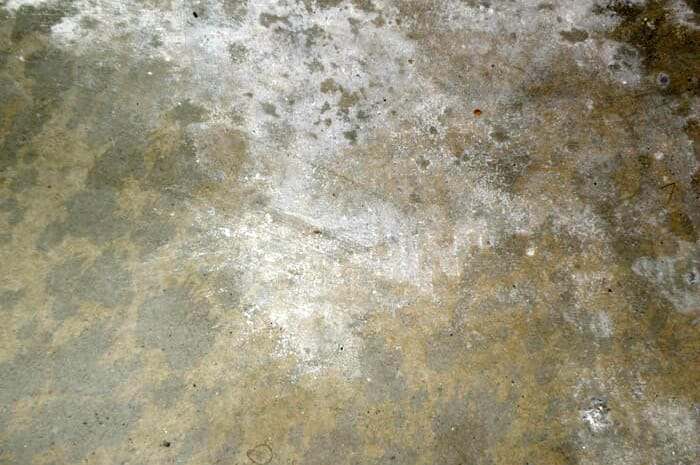
- Look for stains and rust Efflorescence (white powder) shows moisture paths. Rust on tools points to high humidity.
- Use a small fan test Run a box fan for a day. If surfaces dry fast, ventilation is a key fix.
These steps reveal what causes moisture in garage spaces without fancy gear.

Why garage moisture is a problem
Moisture is not just a mess. It causes real harm.
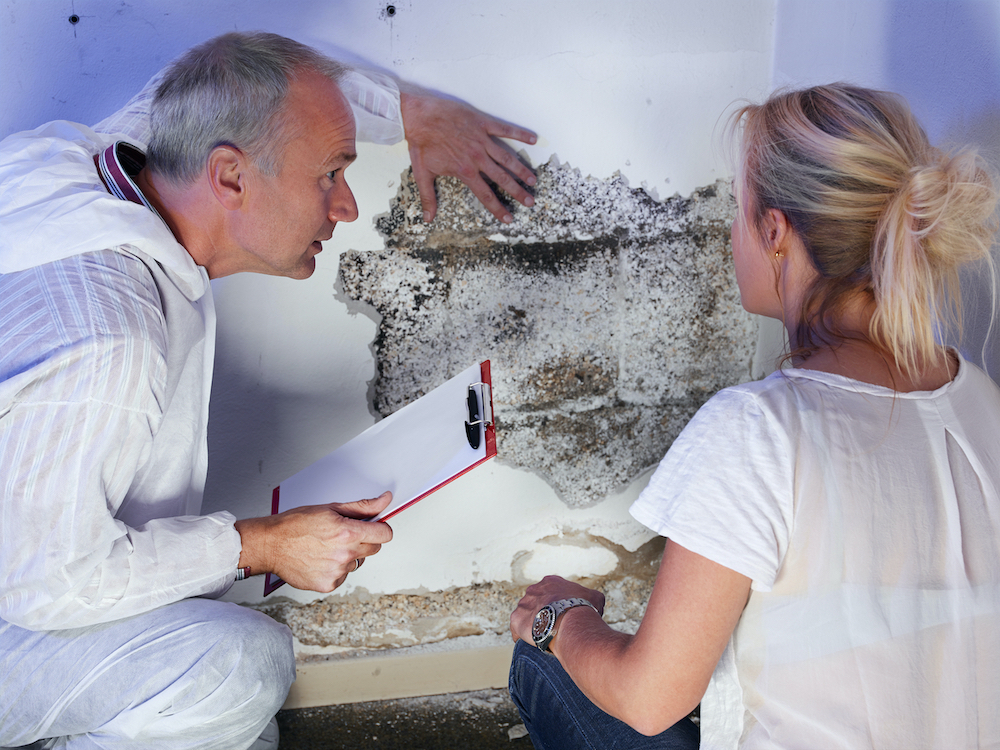
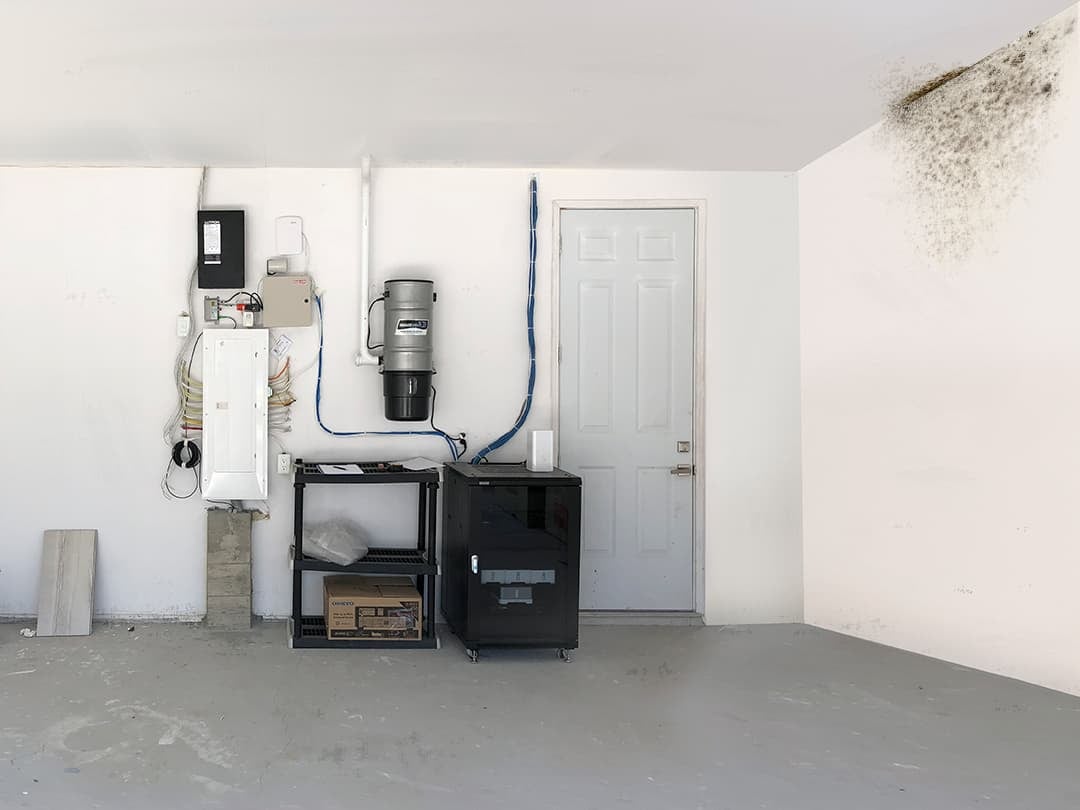
- Mold and odors Mold can grow in 24 to 48 hours. It can smell musty and trigger allergies.
- Corrosion and damage Rust eats tools, bikes, and cars. Wood swells and warps.
- Floor coating failure Paint and epoxy can peel on damp slabs. Moisture vapor breaks the bond.
- Pests and dust mites Damp areas attract pests. Dust mites thrive in high humidity.
- Energy waste Wet air feels colder in winter. You may overheat the space to feel dry.
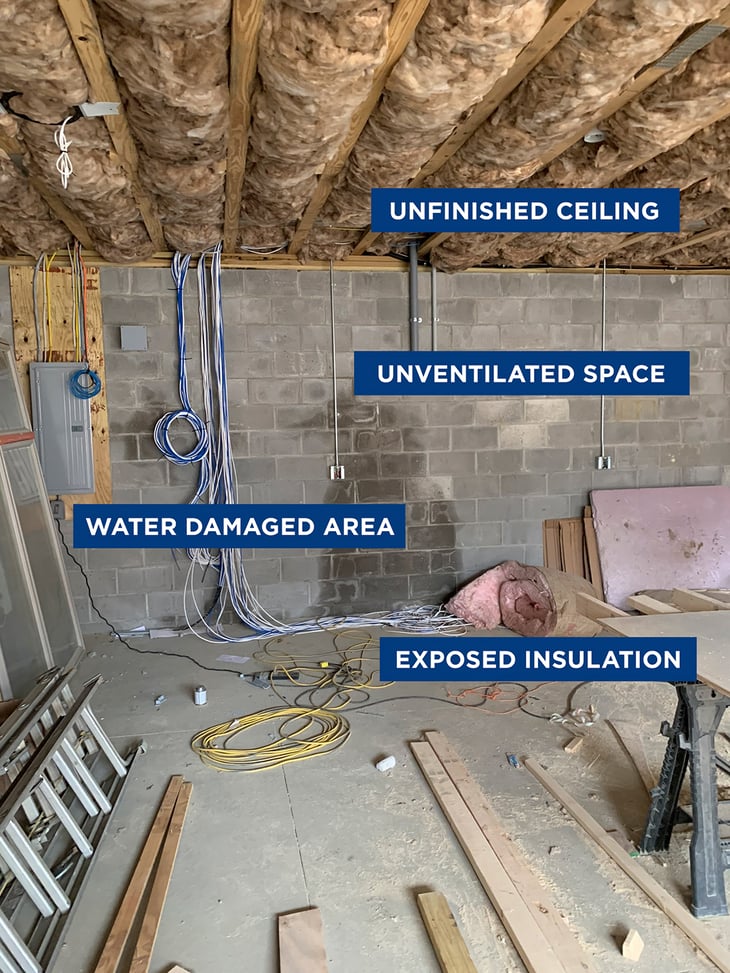
Source: garageliving.com
How to fix and prevent moisture in garage
You can solve most issues with a clear plan. Here’s how I guide clients.
Quick wins you can do this week
- Improve air flow Run a 100 to 200 CFM exhaust fan for short bursts. Use a timer or humidity sensor.
- Use a dehumidifier Choose 30 to 50 pints per day for a one-car garage. Drain it with a hose.
- Seal obvious gaps Replace door weatherstripping and bottom sweep. Seal cracks with polyurethane caulk.
- Manage wet cars Add a floor squeegee and trays for snow melt. Keep wet mats off the floor.
- Raise storage Keep boxes off the slab on racks. Let air move under items.
Building envelope upgrades
- Insulate and air seal Insulate the garage door and walls. Seal the top and bottom plates.
- Fix drainage Add downspout extensions. Aim for 4 to 6 feet away from the slab. Regrade soil to slope away.
- Repair gutters and flashing Keep gutters clean and pitched. Fix leaks fast.
- Add a vapor barrier under coatings If you plan a floor coating, test moisture first. Choose coatings rated for higher vapor emissions.
- Consider a mini-split Heat or cool as needed. Keep the space at steady temps to cut condensation.
Floor and slab strategies
- Moisture-tolerant coatings Pick epoxy or polyurea rated for damp slabs. Many have limits for vapor rates.
- Penetrating sealers Use a silane/siloxane sealer to reduce absorption. Reapply as directed.
- French drain or perimeter drain If water pushes through walls, install drains. This is a pro job but very effective.
Targets and rules of thumb
- Relative humidity 40 to 55 percent is ideal.
- Ventilation A small continuous fan or smart control works well.
- Slope Drain water toward the door at about 1/8 to 1/4 inch per foot.
- Under-slab barrier If building new, use a 10 to 15 mil vapor barrier.
These fixes address what causes moisture in garage conditions from the air, ground, and rain.
Cost and priority checklist to tackle what causes moisture in garage
Start small, then go deeper if needed.
- Under $100 Hygrometer, door sweep, caulk, squeegee, fan timer.
- $100 to $400 Dehumidifier, weatherstripping, gutter extensions, quality sealer.
- $400 to $1,500 Insulated door kit, exhaust fan with controls, pro crack repair.
- $1,500 to $5,000 Mini-split, drain work, floor coatings with pro prep.
- $5,000+ Major grading, French drain, roof and gutter replacement.
Prioritize the source first. Fix drainage and air leaks. Then control humidity. Last, upgrade finishes. This path solves what causes moisture in garage spaces for good value.

Field notes from real garages
I once helped a family with a “sweating” floor every spring. The slab had no vapor barrier. We added gutter extensions, sealed wall-floor joints, and ran a 50-pint dehumidifier. Humidity dropped from 72 to 48 percent. The floor stayed dry.
Another case was winter condensation on the garage door. We added door insulation, a small exhaust fan, and a humidity setpoint of 50 percent. No more dripping. These jobs taught me to test first, then match fixes to what causes moisture in garage setups.
Frequently Asked Questions of what causes moisture in garage
What causes moisture in garage after rain?
Rain can pool near the slab and leak in through gaps. Bad gutters and poor grading are common causes.
What causes moisture in garage in winter?
Warm car and wet snow meet a cold slab and door. That fast temperature change triggers heavy condensation.
Is a dehumidifier enough to fix moisture in a garage?
It helps, but it does not fix leaks or bad drainage. Start with water control, then add a dehumidifier.
How do I know if the slab is the main source?
Do the plastic sheet test and watch for vapor under the plastic. Efflorescence and dark damp spots are also clues.
Can I paint the floor if it’s damp?
Not without testing first. Use products rated for higher moisture or fix the vapor issue before coating.
Conclusion
Moisture shows up when air, water, and cold surfaces collide. Now you know what causes moisture in garage spaces and how to stop it at the source. Start with drainage and air sealing, then control humidity, and finish with smart upgrades.
Take one step this week. Add a fan timer, fix the door sweep, or set up a dehumidifier. Want more tips? Subscribe for new guides, or drop your questions in the comments.