

Attic moisture comes from warm, humid air, leaks, poor ventilation, and insulation gaps.
If you want a dry, healthy home, start at the top. In this guide, I break down what causes moisture in attic and how to fix it for good. I have inspected hundreds of homes and solved the same patterns again and again. You will learn the real reasons, the warning signs, and the best fixes that last.

Why attic moisture matters
Moisture in your attic is not just a small issue. It can lead to mold, wood rot, and higher bills. It can ruin insulation and shorten the life of your roof. In cold weather, it can even turn to frost and drip like rain.
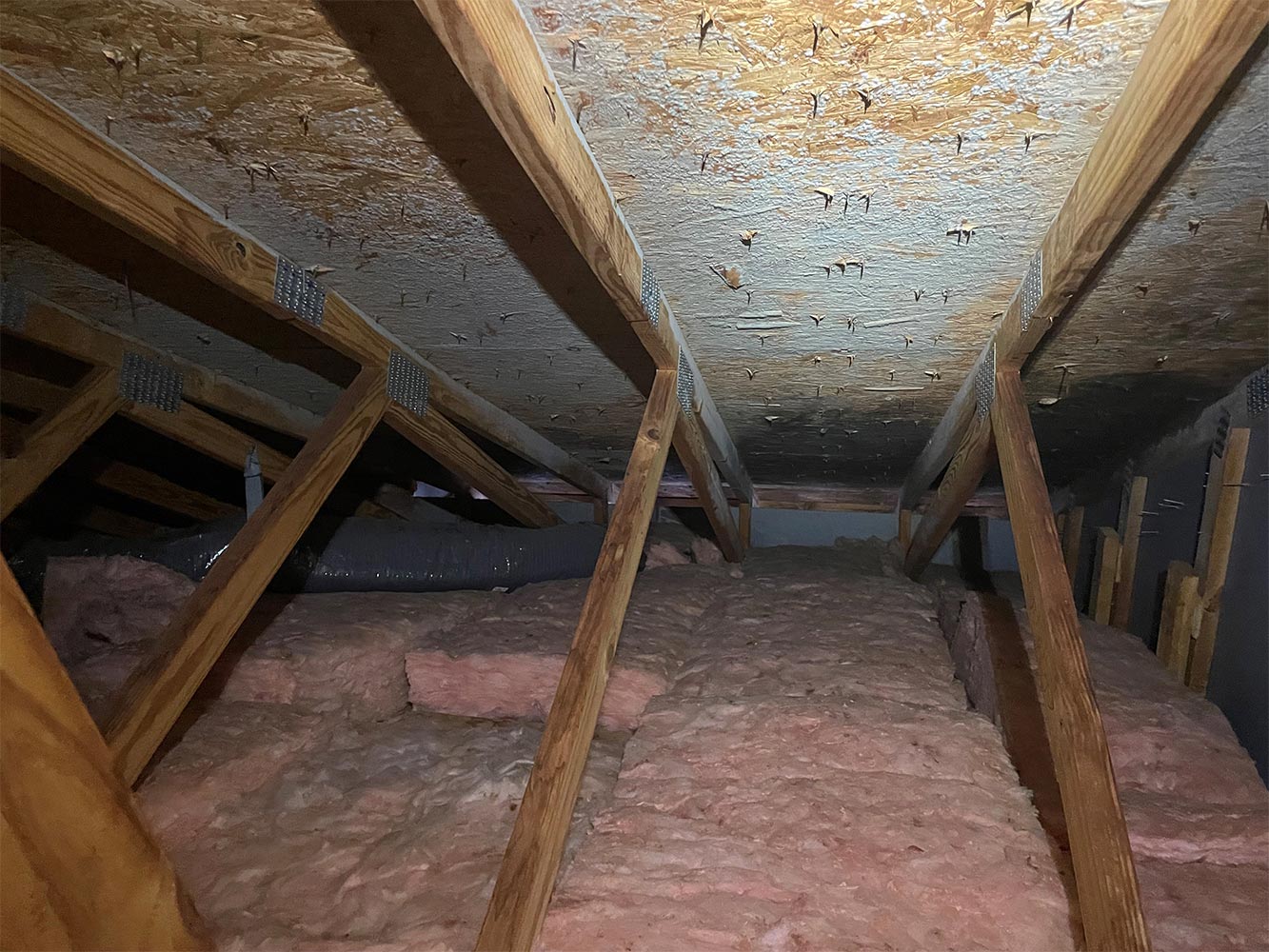
Here is the science in simple terms. Warm air holds more moisture than cold air. When that warm, moist air hits a cold surface, water forms. This is condensation. Your roof deck and nails are often the coldest spots up there. That is why you see dark spots and rust on nail tips.
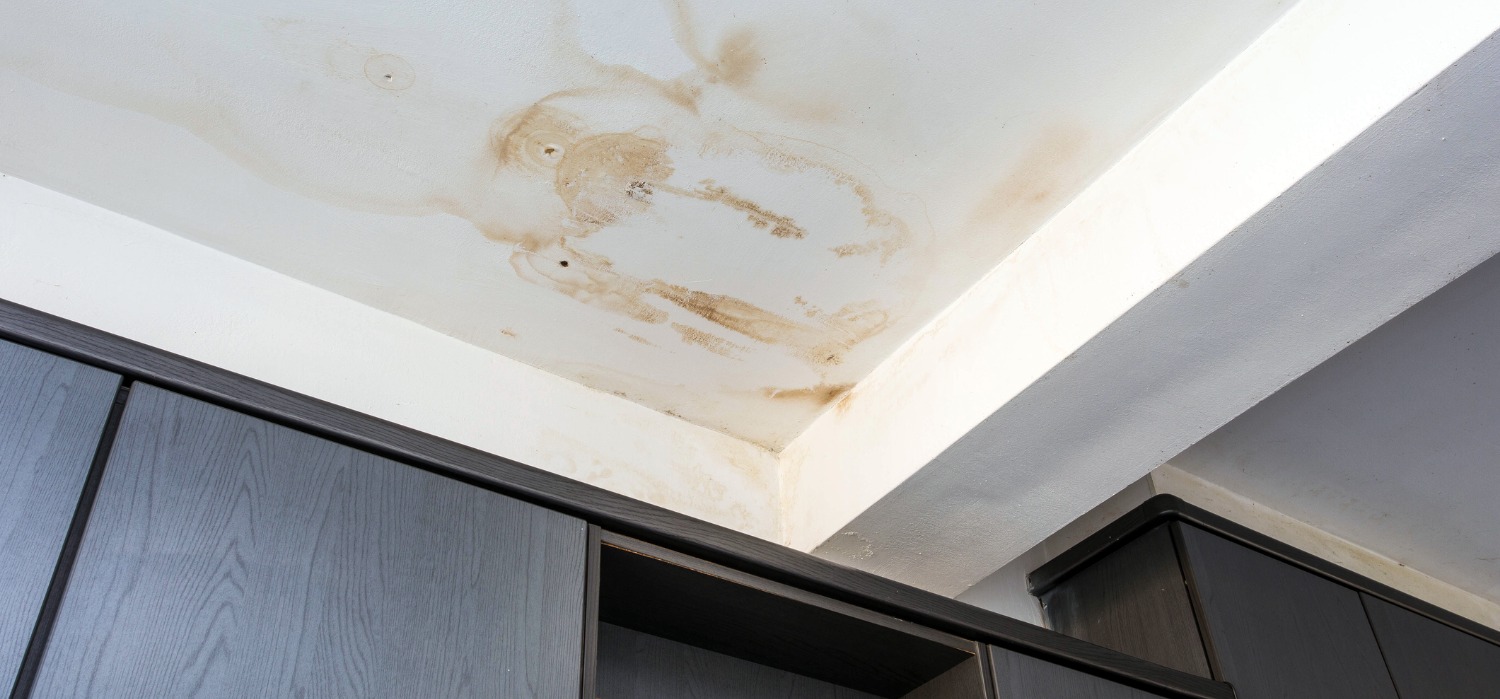
Left alone, the damage grows. Roof sheathing can soften. Fasteners can rust. Insulation can sag and lose R‑value. Your home air can smell musty. Your family can breathe mold spores. That is why knowing what causes moisture in attic matters.
What causes moisture in attic?
If you ask what causes moisture in attic, start with three basics. Moisture gets in. It cannot get out. Surfaces get cold. Many homes share what causes moisture in attic, and the list below covers the usual suspects.
Primary sources of moisture and cold surfaces:
- Air leaks from the house below. Gaps around lights, fans, hatches, and chases let warm, humid air rise into the attic.
- Bathroom fans that vent into the attic. Showers add lots of steam. That steam must exit outdoors, not into the attic.
- Kitchen range hoods and dryers venting inside. Cooking and drying push big moisture loads. They need real exterior vents with dampers.
- Roof leaks and flashing failures. Even small drips add up. Wet wood stays damp and invites mold.
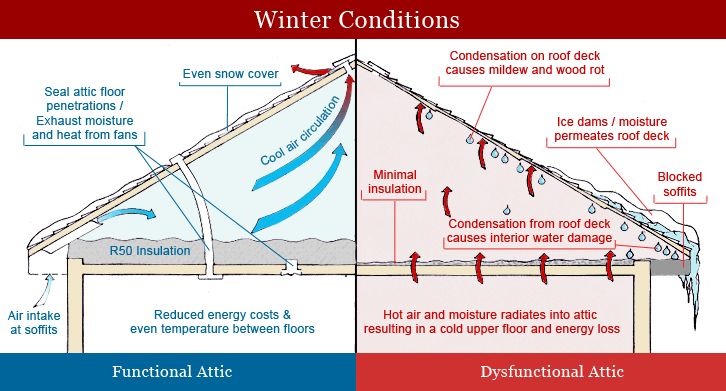
- Poor or blocked ventilation. Attics need balanced intake at the eaves and exhaust at the ridge or roof. Without flow, humidity lingers.
- Insulation gaps and missing baffles. Cold roof decks and warm indoor air meet and condense. Wind-washing at eaves makes it worse.
- HVAC ducts and air handlers in the attic. Leaky, uninsulated ducts can add moisture and chill surfaces. In summer, sweating ducts drip.
- Humid basements and crawl spaces. Moisture travels up through the house. The stack effect pulls that air into the attic.
- New or wet building materials. Fresh lumber or recent leaks hold water for weeks.
- Ice dams in cold climates. Melt and refreeze point to heat loss and trapped moisture.
Here is the pattern I see on most jobs. A steamy bathroom vents to the attic. The attic has blocked soffits and no baffles. The roof deck is cold. The steam condenses on nails and plywood. By spring, there is mold. That is a classic answer to what causes moisture in attic.
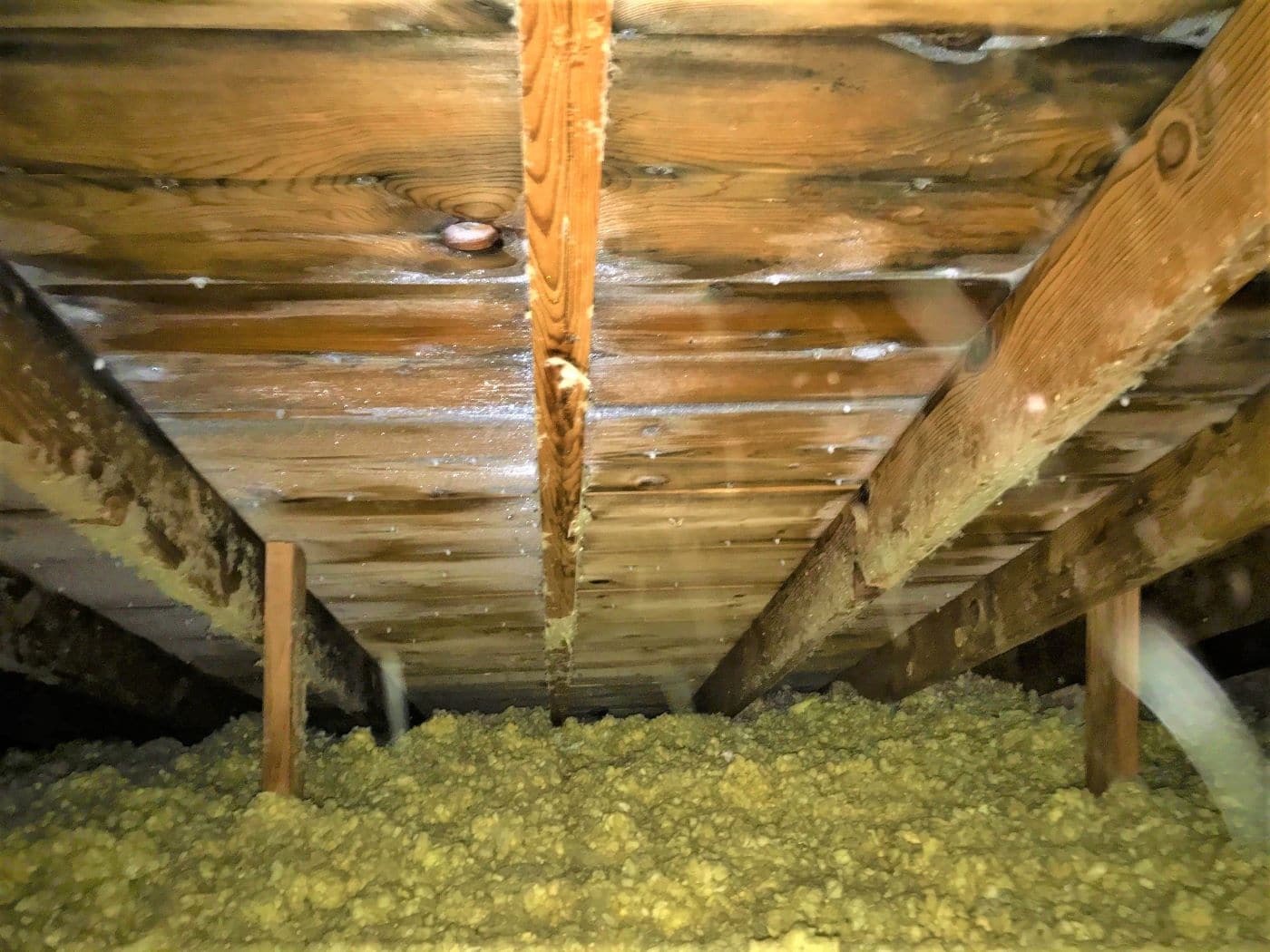
 diagnose what causes moisture in attic”
style=”max-width: 100%; height: auto; border: 2px solid black; border-radius: 10px; display: block; margin: 0 auto;”
loading=”lazy”
/>
How to diagnose what causes moisture in attic
You can diagnose most problems in one careful visit. Safety first. Go on a cool, dry day. Wear a mask and gloves.
Look for these signs:
- Rust or black dots on nail tips. This shows frequent condensation.
- Dark staining or fuzzy growth on the roof deck. That can be mold or mildew.
- Wet or matted insulation. Wet insulation loses most of its R‑value.
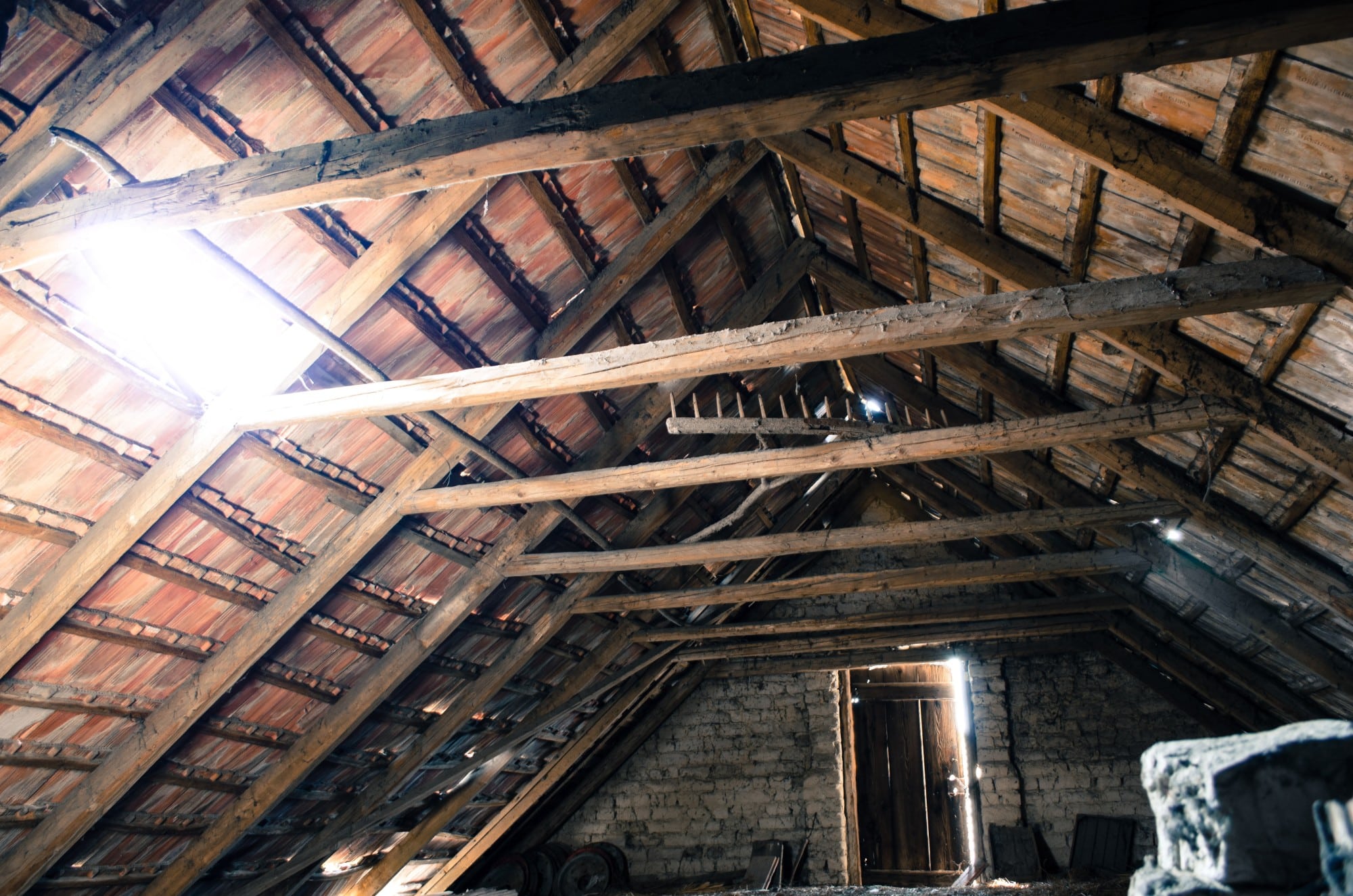
- Water marks on rafters and around roof penetrations. Check chimneys, vents, and valleys.
- Frost in winter. It looks like snow on the underside of the roof.
- Musty smells. That smell often means trapped moisture.
- Ducts that sweat. Cold metal and humid air do not mix.
Do these simple checks:
- Watch bath and kitchen fans. Do they vent outside? Go outside and feel the air at the cap.
- Check soffit vents for blockage. Look for insulation pushed over the vents.
- Measure humidity. A cheap hygrometer helps. In winter, aim for 30 to 50 percent indoors.
- Use a smoke stick. See if air is pulled into the attic at lights and hatches.
- Take photos. Check after storms and across seasons. Patterns help you find what causes moisture in attic.
When in doubt, call a pro. A blower door test and thermal camera can find hidden air leaks fast.
Fixes and prevention: How to stop what causes moisture in attic
Address the cause, not just the symptom. Dry your attic and keep it dry with these steps.
Seal the air leaks first:
- Seal gaps around can lights, fans, and chases with foam and caulk.
- Weatherstrip and insulate the attic hatch.
- Box out light fixtures as needed, and follow safety clearances.
Vent moisture to the outdoors:
- Duct every bathroom fan outside with a smooth, insulated duct and a tight damper.
- Vent the kitchen hood outside. Avoid recirculating filters for heavy cooking.
- Never vent a dryer into the attic. Use a short, smooth duct to the exterior.
Balance attic ventilation:
- Unblock soffit vents and add baffles to keep insulation clear.
- Add a continuous ridge vent or individual roof vents as needed.
- Balance intake and exhaust. Many homes use about 1 square foot of net free vent area per 300 square feet of attic, split between intake and exhaust.
Upgrade insulation and control cold surfaces:
- Add insulation to code levels for your climate. Even coverage matters more than a headline R‑value.
- Install baffles at all eaves to prevent wind-washing.
- In very cold zones, consider a smart vapor retarder under the attic insulation.
Manage indoor humidity:
- Run bath fans during showers and for 20 minutes after.
- Use kitchen hoods while cooking.
- Fix damp basements and crawl spaces. Add drainage, liners, or dehumidifiers as needed.
Maintain the roof and ducts:
- Repair roof leaks and failed flashings at once.
- Insulate and seal HVAC ducts in the attic to stop sweating and heat loss.
Common mistakes to avoid:
- Adding more roof vents without sealing air leaks first.
- Venting fans into the soffit or attic space.
- Pushing insulation over soffit vents and blocking intake.
These fixes work in any season. They go straight at what causes moisture in attic and keep it from coming back.

Regional and seasonal factors in what causes moisture in attic
Climate shapes the risk. In cold regions, winter air is dry outside but moist indoors. Warm air rises, hits a cold roof deck, and condenses. Frost forms on nails. That is a key part of what causes moisture in attic in the North.
In hot, humid regions, summer brings outside air that is moist. If humid air enters a cool attic or hits cold ducts, you get sweating. Leaky ducts and poor ventilation make it worse.
Seasonal tips:
- Winter in cold zones. Focus on air sealing, bath fan venting, and baffles.
- Summer in humid zones. Seal ducts, improve attic ventilation, and control indoor humidity.
- Shoulder seasons. Watch for big swings in temperature. These swings often show hidden issues.
Storms and power outages can also raise humidity. After heavy rain, inspect for leaks. After long cookouts or big gatherings, run fans longer. These small habits reduce what causes moisture in attic day to day.
Cost, ROI, and timeline to address what causes moisture in attic
Most fixes are fast and offer strong returns. You save your roof, your insulation, and energy.
Typical cost ranges:
- Air sealing an attic. 300 to 1,500 dollars depending on size and access.
- Adding or repairing bath fan ducts. 200 to 600 dollars per fan.
- Ridge vent and soffit work. 500 to 2,000 dollars for parts and labor.
- Insulation upgrade. 1,200 to 3,500 dollars for many homes.
- Roof leak repairs. 200 to 1,500 dollars for small flashing fixes.
Timeline:
- DIY air sealing and baffles. One or two weekends.
- Pro air sealing and insulation. One day to two days.
- Venting and roof work. A few hours to a day.
Savings:
- Lower energy bills from better insulation and fewer leaks.
- Longer roof life and fewer repairs.
- Health gains from less mold exposure.
These changes target what causes moisture in attic and pay you back in comfort and peace of mind.

Personal experience: case studies of what causes moisture in attic
Case 1: Frosty nails in January
I found thick frost on nails over a steamy guest bath. The fan vented into the attic. Soffits were packed with insulation. We added a real roof cap and insulated duct, cleared soffits, and sealed can lights. The next winter, no frost, no stains. That fix hit the core of what causes moisture in attic.
Case 2: Sweating ducts in August
A homeowner had brown spots on ceilings under the attic. The AC ducts were bare metal and leaked. We sealed joints, added duct insulation, and improved ridge and soffit flow. The sweating stopped, and the spots faded after repainting.
Lessons learned:
- Always seal first, then ventilate.
- Vent fans outside every time.
- Keep insulation even and off the soffits.
- Small leaks add up. Track them down.
Frequently Asked Questions of what causes moisture in attic
How do I quickly tell if my attic has a moisture problem?
Look for rusty nail tips, dark stains, or musty smells. In winter, check for frost on the roof deck.
Can attic moisture make my energy bills go up?
Yes. Wet insulation loses R‑value, so heat flows faster. Air leaks also waste energy in every season.
Do I need a dehumidifier in the attic?
Usually no. Fix air leaks, vent baths outside, and balance ventilation first. Use a dehumidifier only if a pro recommends it.
Will adding more vents fix the problem?
Not by itself. If leaks push moist air into the attic, more vents can pull in even more house air. Seal first, then adjust vents.
How long does it take to dry an attic after fixes?
Often one to three weeks, depending on weather and how wet the materials are. Good ventilation speeds drying.
Conclusion
A dry attic protects your roof, your air, and your wallet. Seal the leaks, vent the moisture outside, and keep air moving. These simple steps solve what causes moisture in attic and prevent future damage.
Take action this week. Check your fans, clear your soffits, and seal the hatch. If you want a plan, start with a quick attic check, then call a pro for air sealing and venting. Want more helpful guides? Subscribe, share your questions, or leave a comment with your attic story.