

Humidity in closets builds up from trapped moisture, poor airflow, and temperature swings.
Closet humidity can be sneaky and stubborn. I’ve helped many homeowners chase musty smells and mystery mold spots. In this guide, we’ll unpack what causes humidity in closets, how to spot it early, and how to fix it for good. You’ll get clear steps, small and large upgrades, and mistakes to avoid based on real experience.

Why closets trap moisture: the simple science
Closets are small, closed boxes. Air does not move. That still air lets moisture build up. When the door stays shut, humidity rises fast.
Relative humidity is how much water the air holds. Cold air holds less water than warm air. Closets are often cooler than rooms. So the same air shifts to a higher relative humidity once it enters the closet.
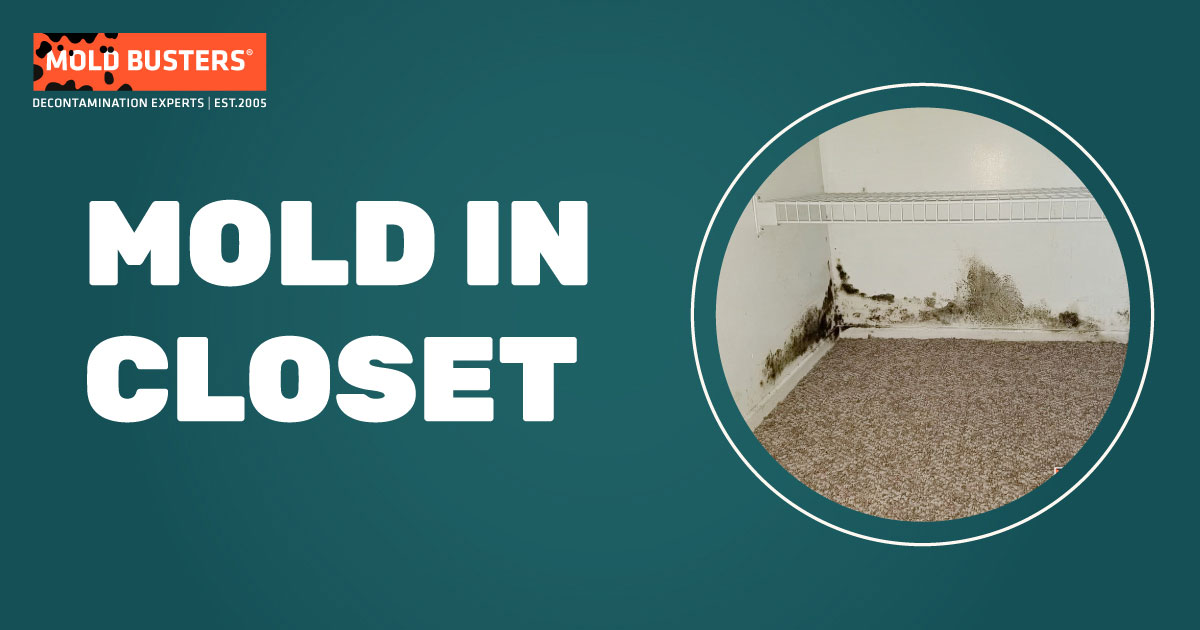
This is why walls, shoes, and coats feel damp. The dew point stays the same, but closet air cools and crosses that line. That is the root of what causes humidity in closets. It is also why mold loves closet corners, shelves, and back panels.
Common causes by home type and climate
What causes humidity in closets can vary by home and weather. Here are the usual suspects I see most:
- Exterior wall closets Cooler walls raise relative humidity inside the closet, even when the room feels fine.
- Bathrooms nearby Steam drifts into closets after showers, then gets trapped when the door closes.
- Basements and crawl spaces Moist air rises into closets through gaps and framing voids.
- Leaks and seepage Roof, siding, window, and plumbing leaks wet the wall cavity or floor under a closet.
- HVAC quirks Rooms get supply air, but closets often do not. With no vent or return, air sits still and grows damp.
- Seasonal swings Summer in coastal or humid areas and shoulder seasons raise indoor moisture.
- Wet items inside Damp towels, rain gear, gym clothes, or just-washed laundry load the air with moisture.
- Overstuffed storage Clothes packed tight leave no airflow. Moisture stays trapped in fibers.
- New construction moisture Fresh paint, drywall mud, and concrete release water for months.
In coastal zones, outdoor humidity seeps in. In cold climates, winter condensation in closets can spike when warm moist air hits cold walls. Both patterns are part of what causes humidity in closets.

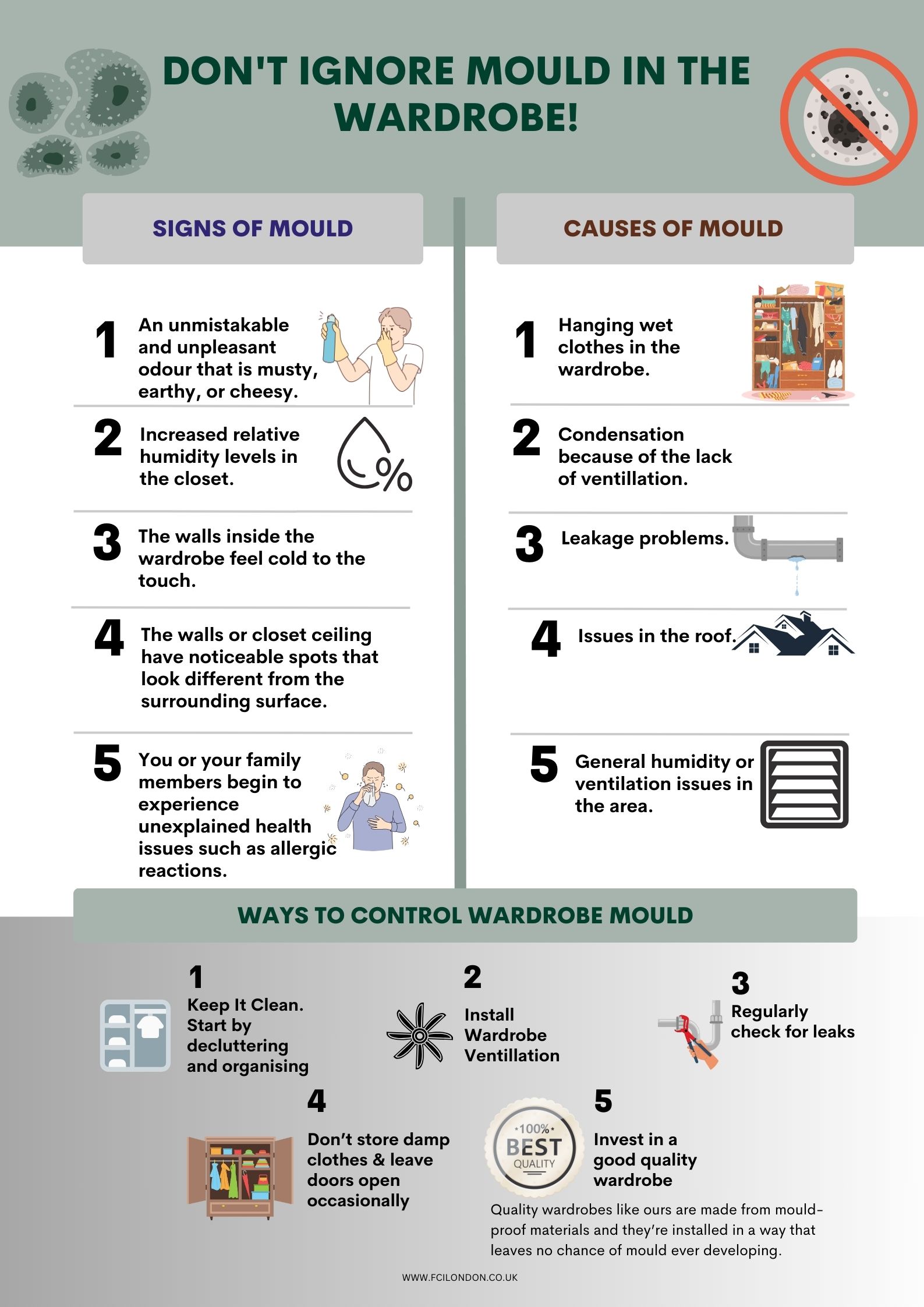
Signs you have high closet humidity
You do not need lab tools to spot the clues. Look and sniff:
- Musty or earthy smell, stronger after the door stays shut.
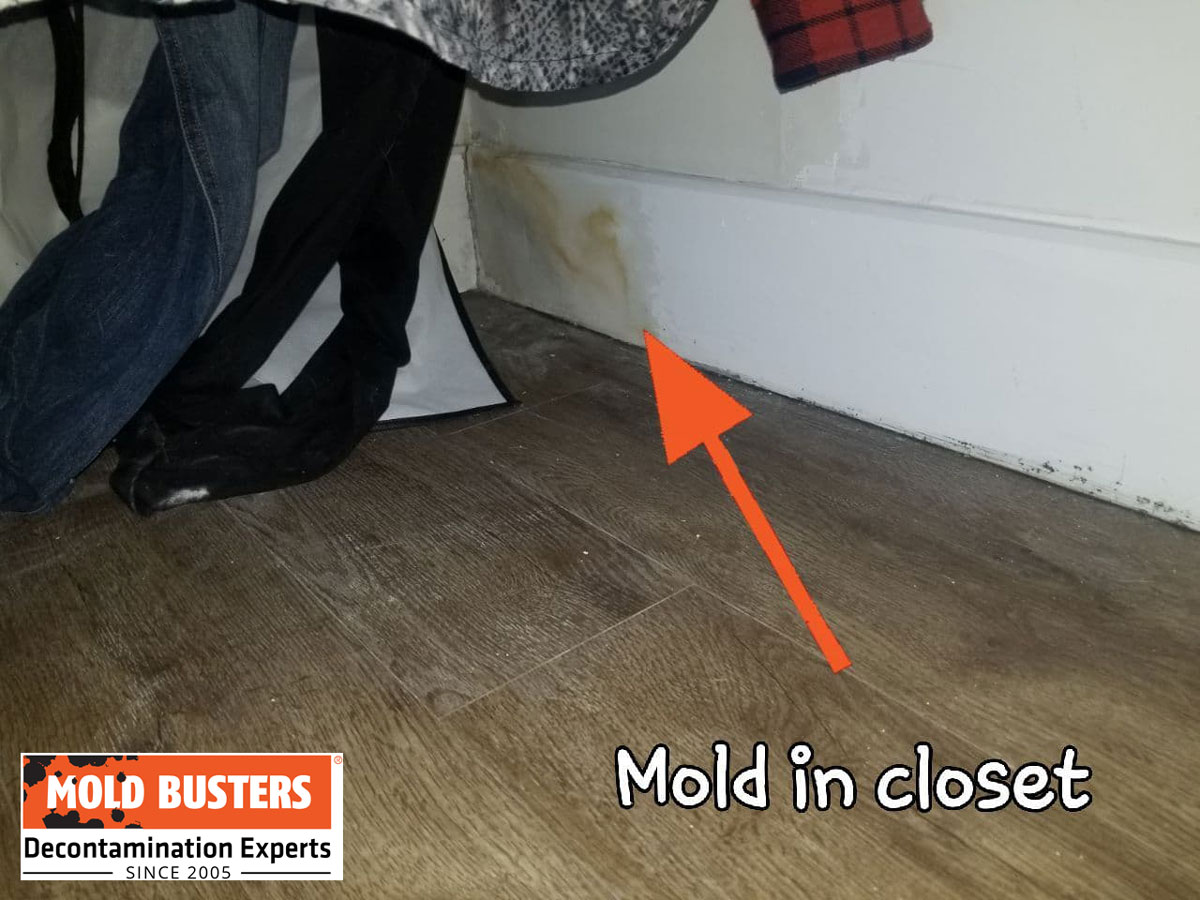
- Dark spots or fuzzy growth on walls, shelves, or leather.
- Rust on hangers, zippers, or belt buckles.
- Warped wood, peeling veneer, or sticky drawers.
- Silverfish or tiny bugs that love humid spaces.
If these show up, start testing and act fast. These are classic signs of what causes humidity in closets.
How to test and measure closet humidity
Use a small digital hygrometer. They are cheap and handy. Indoor comfort targets are 30 to 50 percent relative humidity, as many building guides suggest.
Try this simple test:
- Place the sensor on the middle shelf for 48 hours.
- Record humidity with the door closed vs. cracked open.
- Compare closet readings to the bedroom.
- Note time of day and weather. Shower time can spike numbers.
If the closet sits 10 points higher than the room, you likely have airflow or temperature issues. That points to what causes humidity in closets for your setup.
Fixes: quick wins and long-term solutions
Start simple. Then go deeper if needed. What causes humidity in closets is often a mix, so stack these fixes.
Quick wins
- Create airflow Use a louvered door, door undercut, or a small transfer grille.
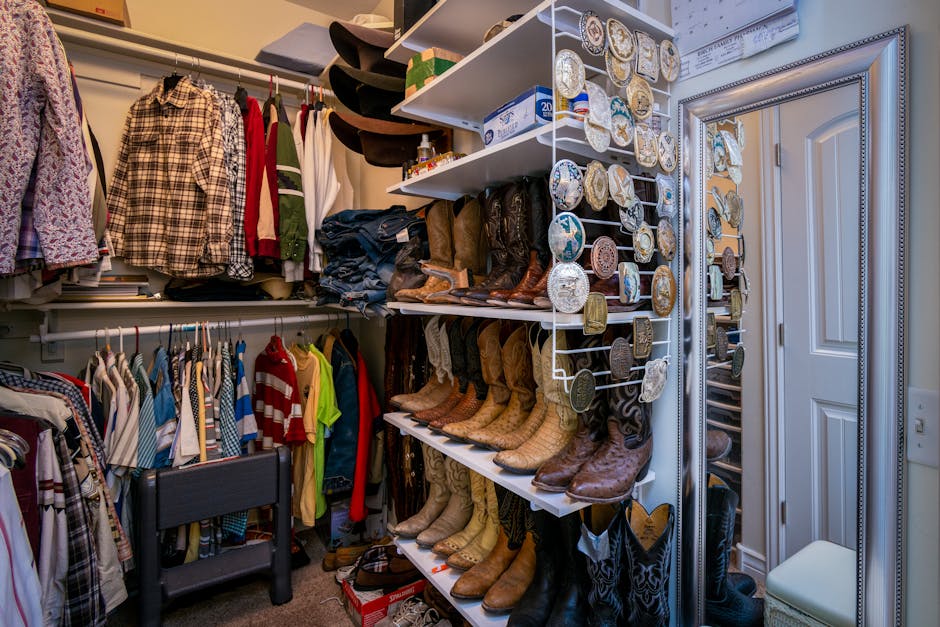
- Keep space off walls Pull shelves and bins an inch from walls for airflow.
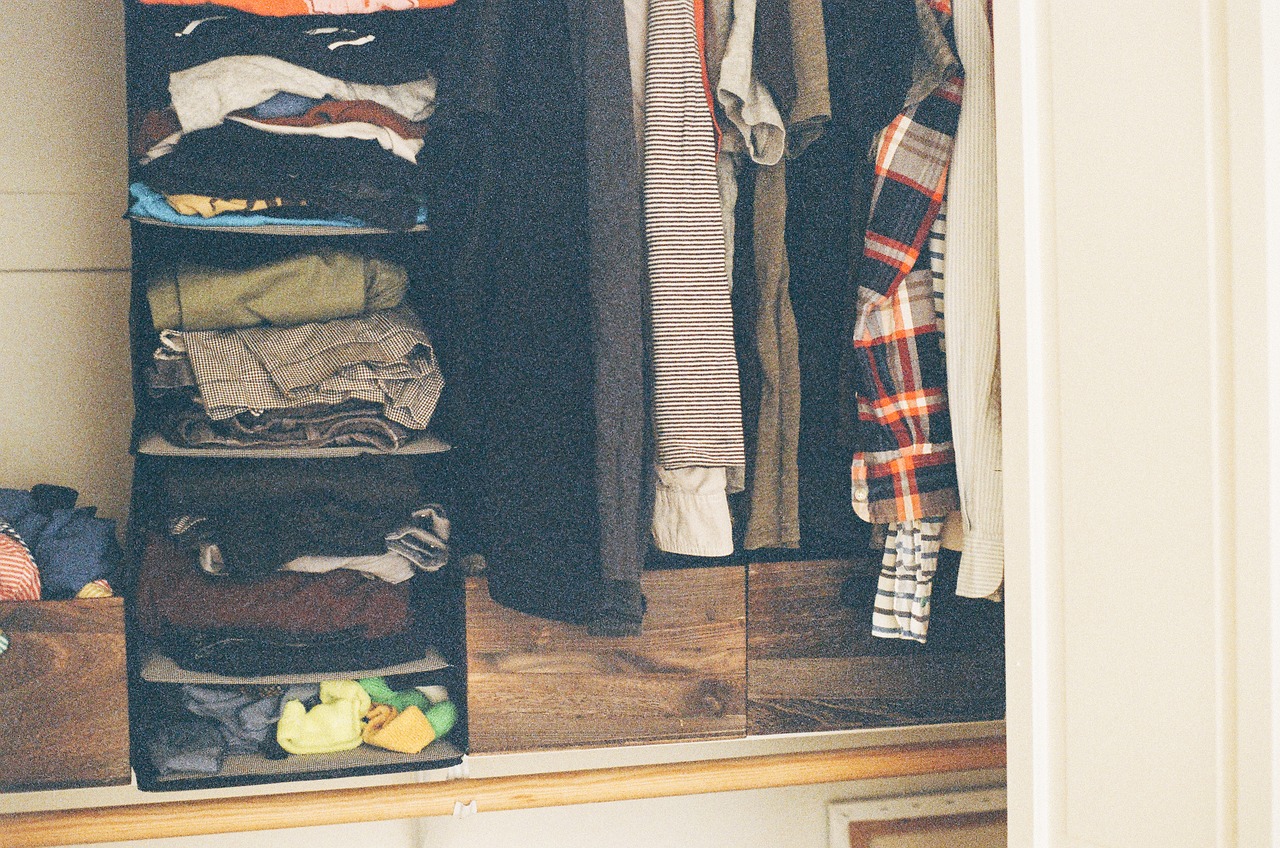
- Declutter Avoid overstuffing. Let air move between clothes.
- Dry before storing Air-dry shoes, coats, and gym gear fully.
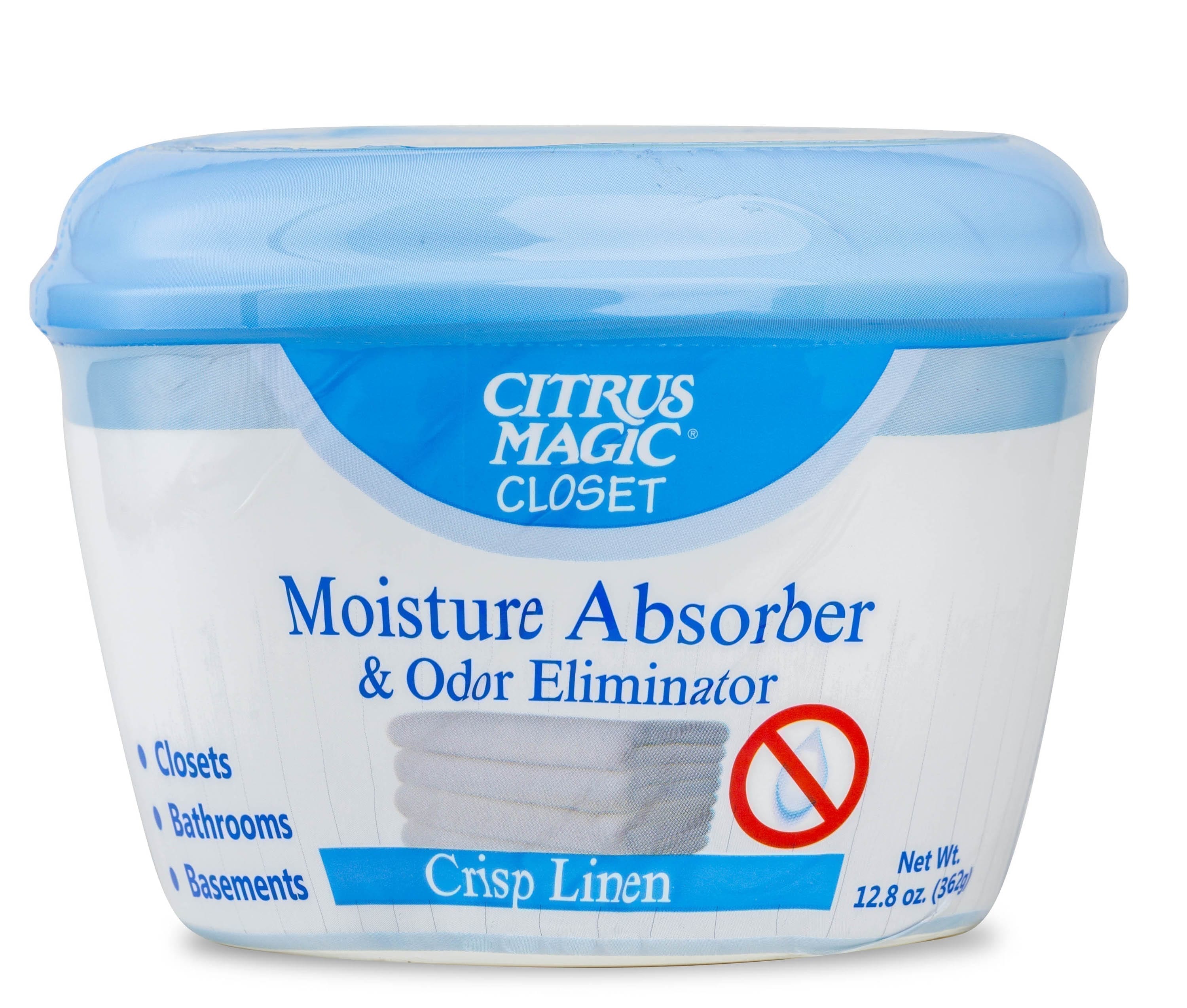
- Desiccants Use silica gel, calcium chloride tubs, or charcoal bags. Replace as needed.
- Run a fan Place a small, quiet fan on a timer to stir air.
- Crack the door Leave it open after showers or laundry.
Smart storage
- Use breathable bins Fabric bins allow moisture to escape.
- Avoid sealed plastic bags They trap moisture and odors.
- Try cedar or untreated wood They help buffer moisture and odors.
- Rotate items Move clothes seasonally. Wash and dry before storing.
HVAC and home upgrades
- Add a supply or transfer path Give closets conditioned air or a way to exchange air with the room.
- Balance bath exhaust Use a good vent fan. Let it run 20 minutes after showers.
- Control whole-home humidity Use a dehumidifier to hold 30 to 50 percent RH.
- Air seal and insulate Seal gaps around penetrations. Insulate exterior closet walls to reduce cold spots.
- Use vapor-retarder paint on exterior closet walls where code allows. It slows moisture diffusion.
- Fix leaks Repair flashing, caulk, and plumbing. Dry materials fast if they get wet.
- Basement and crawl spaces Encapsulate, add a vapor barrier, and manage groundwater with drains or a sump.
These steps get to the heart of what causes humidity in closets. Tackle airflow, temperature, and moisture at the same time for best results.
Preventive maintenance checklist
Stay ahead with a simple routine. Five minutes now beats days of cleanup later.
Monthly
- Open closet doors for an hour on dry days.
- Check for musty smells and wipe dust that holds moisture.
- Swap out desiccants if they feel soggy.
Seasonal
- Wash and fully dry stored items before switching seasons.
- Inspect exterior walls of closets for cold spots or stains.
- Vacuum and clean floors and baseboards to deter mold.
Yearly
- Test bath fans and clean ducts.
- Recheck door undercuts and vents for good airflow.
- Review gutters, downspouts, and grading outside to divert water.
This routine helps prevent what causes humidity in closets from building up again.
Real-life examples and lessons learned
A damp shoe cave A client stored wet boots in a tiny hall closet. No vent. Door always shut. We added a door grille, a shoe tray with airflow, and a small desiccant tub. Humidity dropped from 72 to 48 percent in one week.
Basement wardrobe blues Another home had a closet on an exterior basement wall. Cold wall, warm air, high RH. We insulated the wall, sealed rim joists, and added a quiet fan on a smart plug. The musty smell vanished, and shoes stopped molding.
The shower next door A primary bath shared a wall with a walk-in closet. Steam drifted in through gaps around can lights and the door header. We sealed penetrations and set the bath fan to a 30-minute timer. That solved what causes humidity in closets in that home.

Technical corner: why dew point matters
Dew point is the temperature where air becomes full of water. If a surface is at or below dew point, water condenses. You get damp walls, shelves, and clothes.
Say the bedroom is 74°F at 50 percent RH. The dew point is around 55°F. If the closet sits cooler, like 66°F, the RH in that air can jump into the 60s. That raises mold risk. When people ask what causes humidity in closets, dew point and cooler closet surfaces are key.
Frequently Asked Questions of what causes humidity in closets
What causes humidity in closets?
Humidity rises due to poor airflow, cooler walls, and trapped moisture. Leaks, showers nearby, and wet items inside make it worse.
Why do closets smell musty?
That smell comes from microbial growth in damp fibers or dust. It is a sign that moisture and still air are present.
Will a dehumidifier fix closet humidity?
A small dehumidifier helps a lot, but airflow still matters. Pair it with a louvered door or a vent for steady results.
Is cedar enough to stop moisture?
Cedar can help with odor and minor moisture buffering. It will not fix leaks, cold walls, or poor ventilation.
Can humidity in closets damage clothes and shoes?
Yes. It can stain fabric, warp leather, rust metal parts, and weaken glues. It also speeds odor and mold growth.
Should I leave my closet door open?
Yes, especially after showers or laundry. A cracked door lets air mix and lowers humidity.
How do I ventilate a closet without adding ducts?
Use a door undercut, louvered door, or a transfer grille to the room. A small fan on a timer can also keep air moving.
Conclusion
Closet moisture is not random. It follows simple rules: air must move, walls should not be too cold, and wet items need to dry outside the closet. When you control airflow, temperature, and moisture, you stop what causes humidity in closets.
Start today. Get a cheap hygrometer, run a quick test, and pick one fix from the list. If you need help with a tricky closet, drop a comment, subscribe for more home tips, or reach out for tailored advice.