

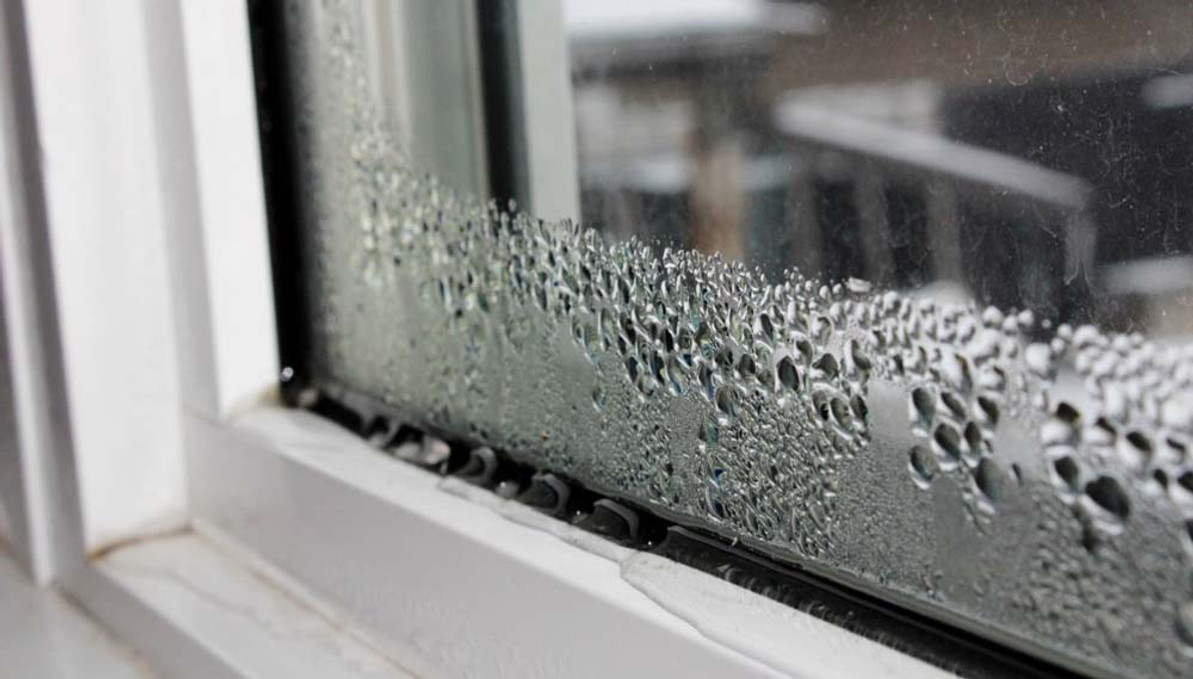
Warm, humid indoor air hits cold glass, drops form due to temperature and humidity mismatch.
If you have ever asked what causes condensation on windows, you’re in the right place. I’ve spent years solving foggy glass in homes old and new. In this guide, I’ll break down what causes condensation on windows, why it shows up more in winter, and how to fix it for good. You’ll get simple science, clear steps, and practical tips that work in real homes.
The simple science: why windows sweat
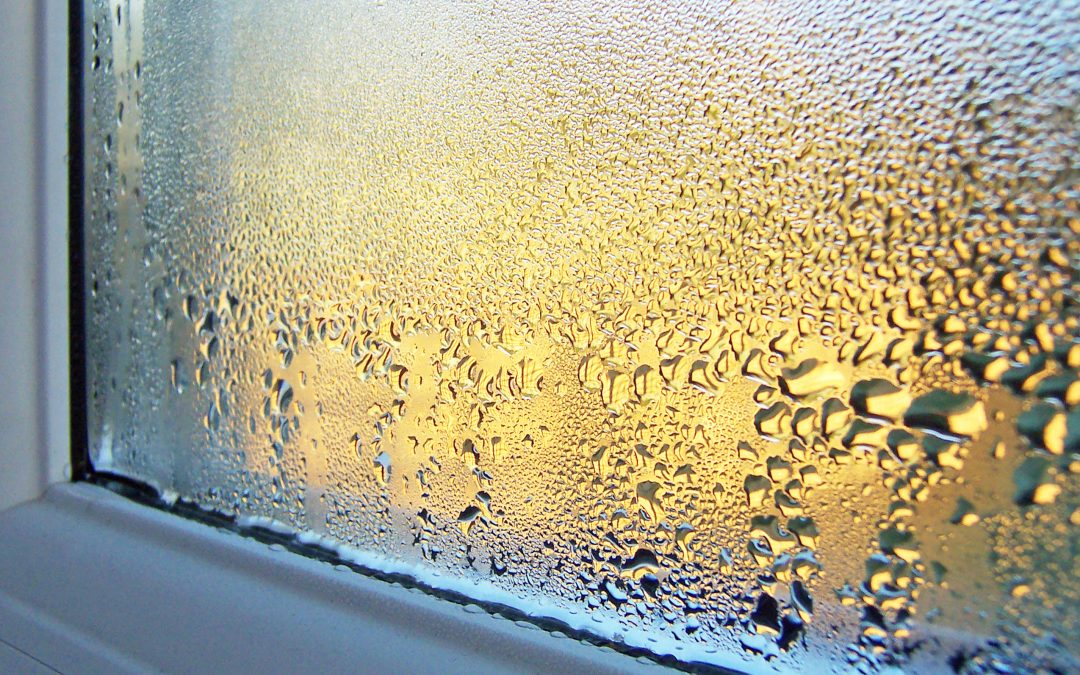
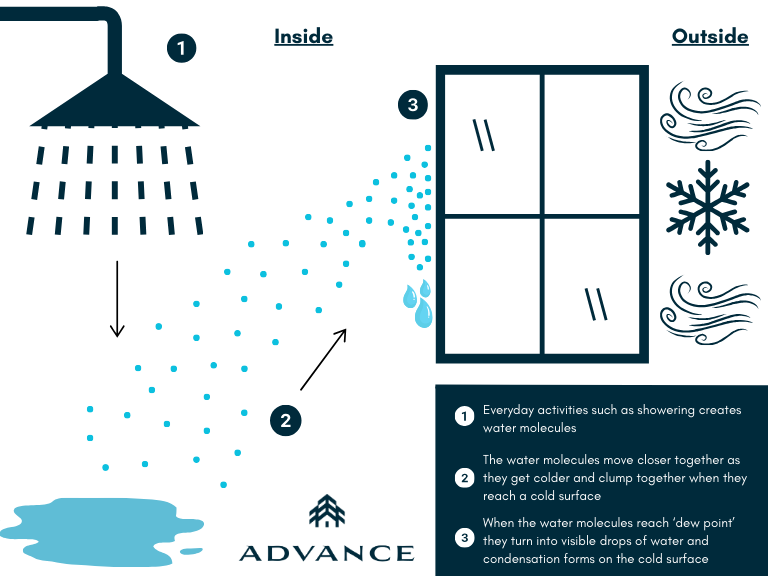
Condensation happens when moist air meets a cold surface. The air cools and can’t hold as much water. So the extra water turns into liquid on the glass.
This point is the dew point. It depends on how humid your air is and how cold the glass is. When both push the dew point above the glass temperature, you get water drops.
In short, what causes condensation on windows is a mix of high indoor humidity and a cold glass surface. Warmer rooms and better-insulated glass lower the risk. Good airflow also helps by warming the inside glass.

Main reasons you see window condensation at home
What causes condensation on windows can vary by house and season. Yet the triggers are very common.
Common indoor moisture sources:
- Long, hot showers add lots of steam.
- Cooking without a vent hood pushes water vapor into the air.
- Drying clothes indoors and vent leaks add hidden moisture.
- Many plants, fish tanks, and wet basements raise humidity fast.
Cold glass and design issues:
- Single-pane or old aluminum frames run very cold in winter.
- Poorly insulated windows cool fast at night.
- Closed curtains or tight blinds trap cold air on the glass.
- Heat vents aimed away from windows leave the glass chilly.
Airflow and house tightness:
- Newer, tighter homes trap moisture when fans are not used.
- Old homes with air leaks can draw damp air from crawlspaces.
- Humidifiers set too high push the dew point up.
I often see a mix of these. The most common pattern is simple. A family cooks, showers, and runs a humidifier. The home is tight, fans are weak, and the glass is cold. That is what causes condensation on windows day after day.
Interior, exterior, and between-the-panes: what each type means
Not all fog is the same. Each type points to a different fix.
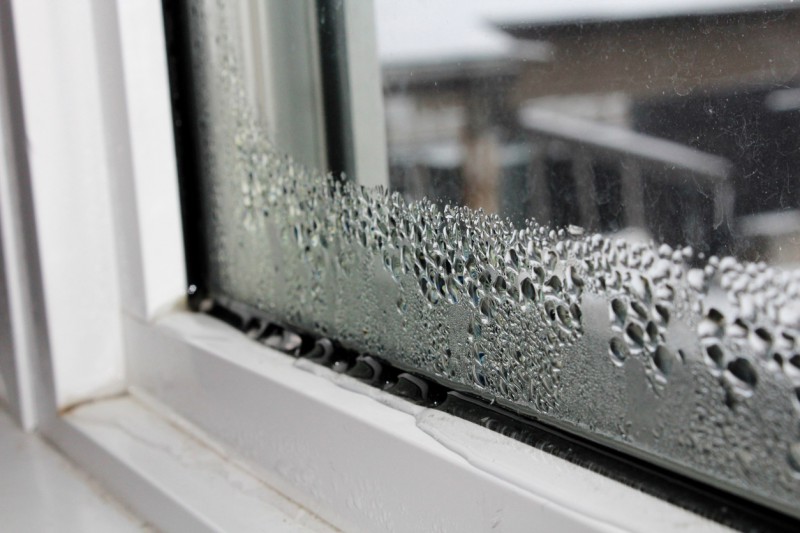
Inside surface (room side):
- What it means: Indoor humidity is too high for the glass temperature.
- When it shows: Cold mornings, after showers, or while cooking.
- Fix basics: Vent, dehumidify, warm the glass, and improve airflow.
Outside surface (outdoor side):
- What it means: Your window insulates well. The outside pane is cool.
- When it shows: Cool mornings with clear skies and calm air.
- Fix basics: None needed. This is normal and even a good sign.
Between the panes:
- What it means: The seal of the insulated glass unit has failed.
- When it shows: Fog or haze you can’t wipe off on either side.
- Fix basics: Replace the glass unit or the window sash.
When I inspect homes, this quick check saves time. If I can wipe the moisture off from the room side, it’s an indoor humidity issue. If I can’t reach it, the seal is bad. That alone explains what causes condensation on windows for many people.
Diagnose what causes condensation on windows in your home
Use these steps. Most take minutes.
- Note when and where it happens
- Morning, evening, after showers, or all day?
- Which rooms and which windows? Patterns tell the story.
- Measure humidity and temperature
- Use a cheap hygrometer in key rooms.
- Aim for 30–40% RH in winter, 40–50% in shoulder seasons.
- Test ventilation
- Turn on bath and kitchen fans. Hold tissue to the grille.
- If it falls, airflow is weak. Clean or upgrade the fan.
- Check for moisture sources
- Inspect for dryer vent leaks or long vent runs.
- Look at basement walls and floors for damp spots.
- Count plants and check fish tanks. It adds up fast.
- Look at window setup
- Are blinds closed all day? Open them a bit at the bottom.
- Are supply vents blocked by furniture? Clear the path.
- Spot a failed seal
- Fog between panes or crystals inside the spacer are clues.
- Compare a few windows. One bad unit often stands out.
With this checklist, you can pinpoint what causes condensation on windows in your exact case. Small tweaks often fix most of it.
Fixes that work: quick wins and long-term upgrades
Start simple. Then scale up if needed.
Fast, low-cost actions:
- Run bath and kitchen fans for 20–30 minutes after use.
- Cook with lids and use the range hood on high.
- Open blinds a bit to warm the glass with room air.
- Drop winter humidity to 30–40% using the home humidifier controls.
- Move plants away from cold windows. Cover aquariums.
Moisture control:
- Seal dryer ducts. Vent them outside.
- Use a dehumidifier in damp basements or laundry rooms.
- Fix bulk water: gutters, grading, and leaks.
Ventilation upgrades:
- Install quiet, high-flow bath fans with timers.
- Add a range hood that vents outside.
- Consider an HRV or ERV in tight homes for steady fresh air.
Warm the glass:
- Aim heat vents toward windows where safe.
- Add interior storms or exterior storms on old windows.
- Replace worst units with double- or triple-pane, low-e glass.
Air sealing and insulation:
- Seal rim joists, attic bypasses, and around windows.
- Add attic insulation to reduce cold downdrafts.
Mistakes to avoid:
- Do not vent dryers or kitchen fans into attics or crawlspaces.
- Do not set humidifiers high in winter. More is not better.
- Do not keep curtains sealed tight to the frame in cold snaps.
I’ve seen huge changes in a week. One family cut window fog by half by running fans on timers and shifting humidifier settings. That is what causes condensation on windows to ease: lower moisture, warmer glass, and steady airflow.
Health, comfort, and building risks you should know
Condensation is not just a view issue. Water can damage homes.
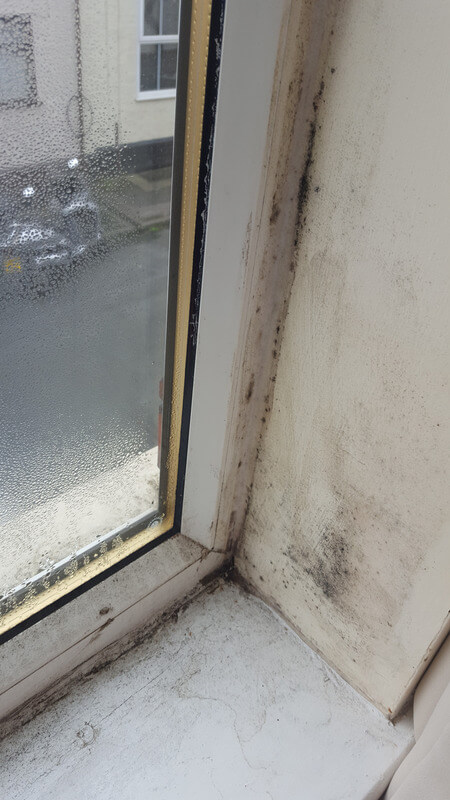
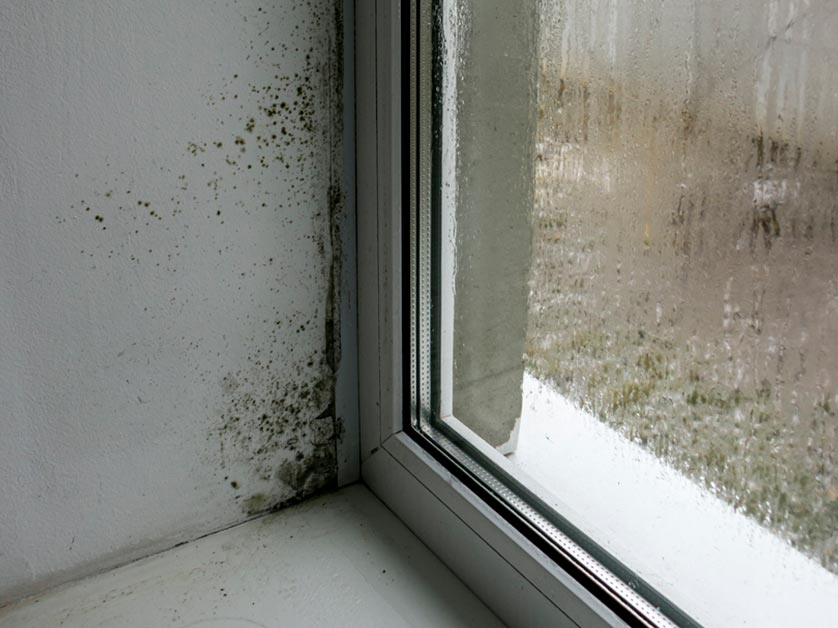
Mold and dust mites love damp surfaces. That can bother asthma and allergies. Wet sills can rot, peel paint, and stain drywall.
Chronic wet glass hints at larger issues. You may have hidden leaks, a wet basement, or poor ventilation. If you see black spots, soft wood, or fog between panes, call a pro. You now know what causes condensation on windows, but a trained eye can confirm the root cause and fix it right.
Cost and ROI: what to expect
You can solve most cases without breaking the bank.
Typical costs:
- Hygrometer: $10–$30.
- Bath fan upgrade with timer: $200–$500 installed.
- Dehumidifier: $150–$350 for a good portable unit.
- HRV/ERV: $1,500–$3,500 installed, varies by home.
- Interior storms: $50–$150 per window.
- Glass unit replacement: $150–$400 per sash, more for large sizes.
- Full window replacement: widely variable per unit.
Value adds up fast. Less moisture means less rot and repainting. Better air also feels fresher. Window upgrades can cut drafts and energy use. Preventing damage is often the biggest payback. It all ties back to what causes condensation on windows and how you control it.
Frequently Asked Questions of what causes condensation on windows
Why do my windows fog up more in winter?
Cold glass meets warm, humid air, so moisture condenses. Lower indoor humidity and warmer glass reduce it.
Is condensation between panes a big problem?
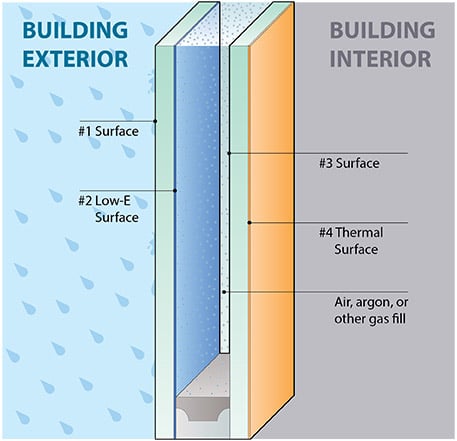
Yes. It means the seal has failed and the insulating gas is lost. Replace the glass unit or sash.
What humidity level should I aim for to stop window condensation?
In winter, keep indoor humidity near 30–40%. In mild seasons, 40–50% is often fine.
Do new windows stop condensation completely?
No, but they help a lot by keeping the inside glass warmer. You still need good ventilation and humidity control.
Will a dehumidifier fix everything?
It helps, but it is one tool. Use it with fans, source control, and warmer glass for best results.
Are curtains and blinds making it worse?
They can. Tight window coverings trap cold air at the glass. Leave a small gap at the bottom.
Can plants or aquariums cause window condensation?
Yes. They release moisture all day. Move them away from cold windows and balance with ventilation.
Conclusion
Window fog is simple science, but real homes are complex. Now you know what causes condensation on windows and how humidity, airflow, and glass temperature all play a part. Start with easy steps like fan use, humidity checks, and small airflow tweaks. Then target the big wins with ventilation and better glass.
Take action this week. Measure, adjust, and test. If you found this helpful, subscribe for more home comfort tips or leave a comment with your results.