

Mostly calcium chloride or silica gel, sometimes activated charcoal or clay minerals.
If you’ve ever asked what are moisture absorber crystals made of, you’re in the right place. I’ve tested these crystals in closets, cars, and camera cases for years. In this guide, I’ll break down the exact ingredients, why they work, how to choose the right type, and how to use them safely. Stick with me, and you’ll know exactly what are moisture absorber crystals made of and which ones fit your space best.

What Are Moisture Absorber Crystals Made Of? The Core Ingredients
When people ask what are moisture absorber crystals made of, the answer is usually a short list. Consumer products lean on a few proven materials. Each has a clear job and a set of trade-offs.
- Calcium chloride. A strong salt that pulls water from the air and turns into a brine.
- Silica gel. A porous form of silica that traps water on its surface.
- Activated charcoal. A carbon material that adsorbs odors and some moisture.
- Clay minerals. Bentonite or similar clays that hold water in their layers.
- Molecular sieves. Zeolite crystals used in technical or industrial packs.
So, what are moisture absorber crystals made of in most home tubs and hanging bags? Most use calcium chloride. What are moisture absorber crystals made of in small packets for shoes or electronics? Those are often silica gel.
How Each Material Works (Simple Science You Can Trust)
The way these crystals work is simple once you know two ideas: absorption and adsorption. Absorption means the water goes into the material. Adsorption means the water sticks to the surface.
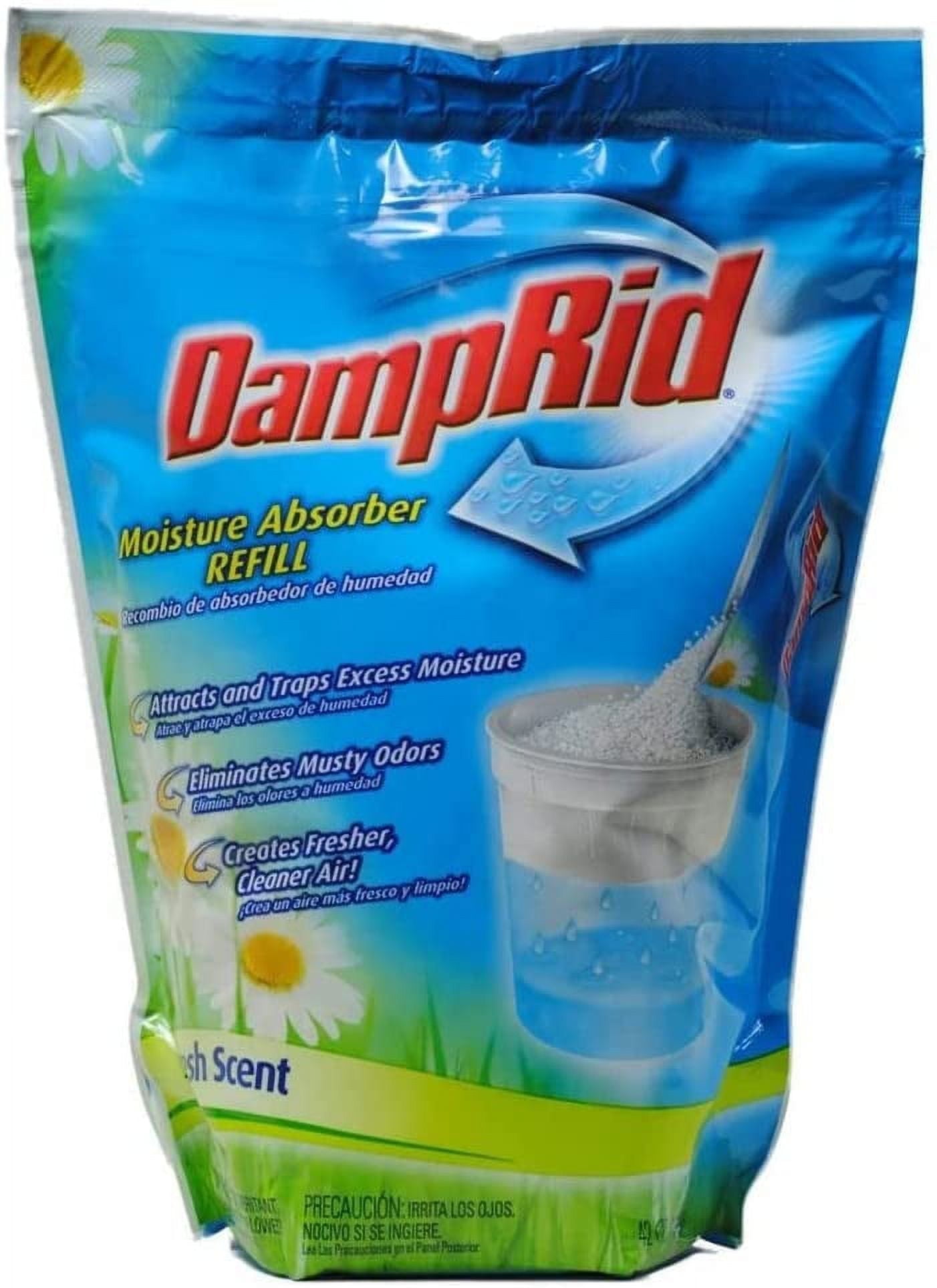
- Calcium chloride is deliquescent. It absorbs water so well it becomes liquid brine. That is why you see a top tray of crystals and a bottom tank of liquid in closet products.
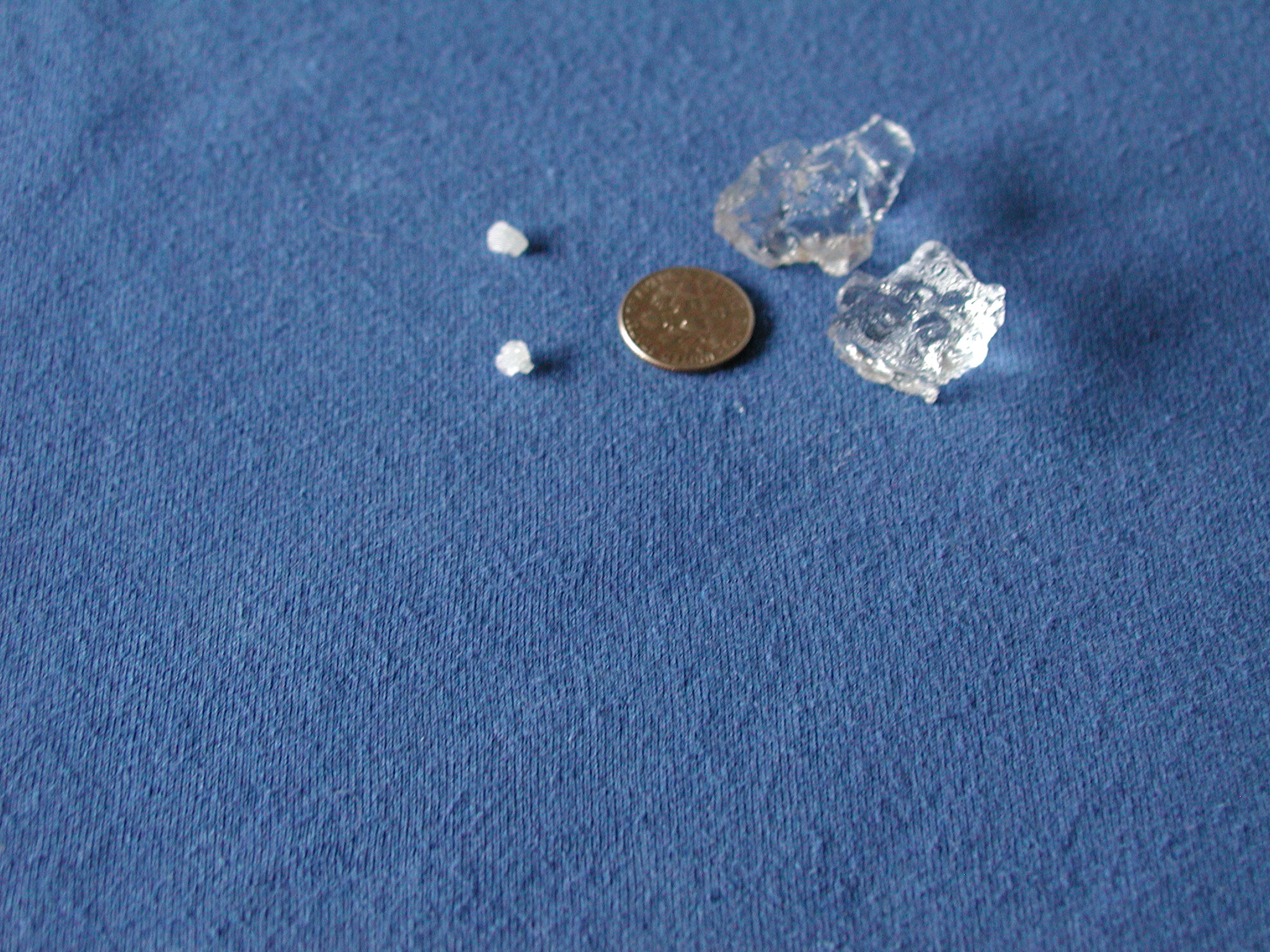
- Silica gel is adsorbent. It acts like a tiny sponge made of glass. Water clings to its inner pores. It stays solid as it fills.
- Activated charcoal adsorbs odors first, and some moisture. It is great for smell control but weaker for very damp rooms.
- Clay holds water between layers. It can help with slow, steady moisture in small spaces.
- Molecular sieves have uniform pores. They target water even at low humidity. They are common in labs and sealed gear.
If you wonder what are moisture absorber crystals made of when you need quick results, think calcium chloride. If you need safe, dry packets in a camera bag, silica gel is the standard.

Forms, Brands, and Where You’ll See Them
You will see the same core ingredients in many shapes. The form tells you a lot about the job it does.
- Hanging bags for closets. Almost always calcium chloride. They drip into a reservoir.
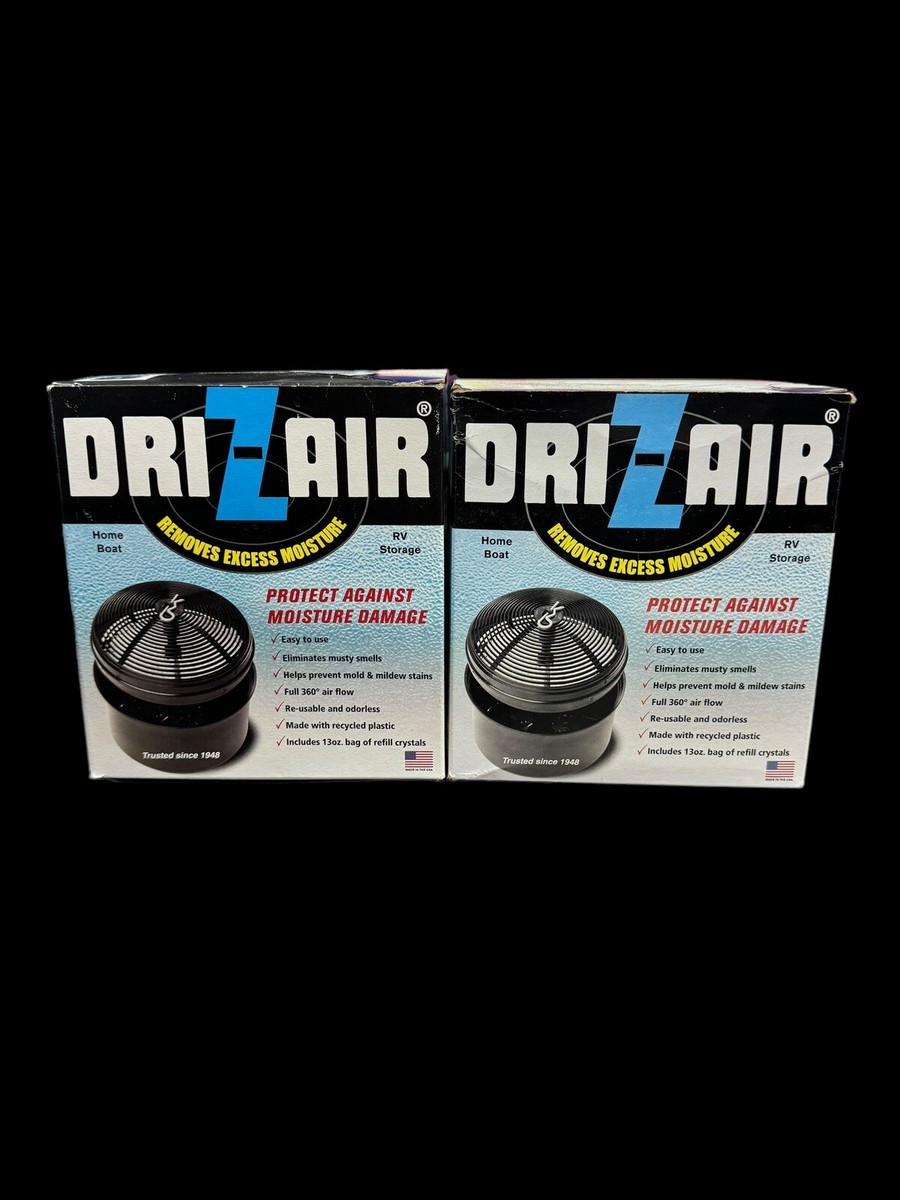
- Refillable tubs for basements or RVs. Calcium chloride pellets or flakes.
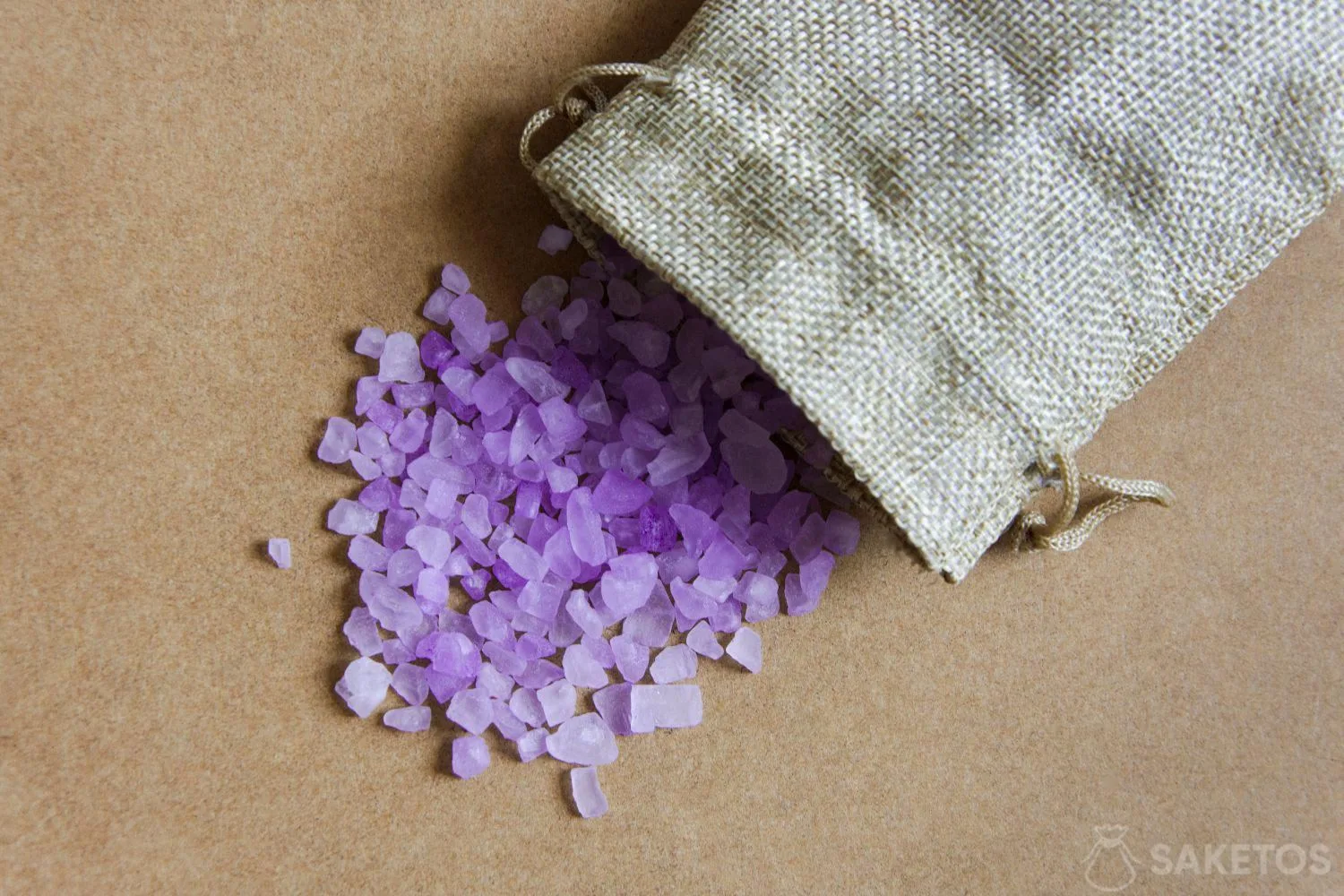
- Small packets in boxes, shoes, and tool cases. Silica gel beads or molecular sieves.
- Canisters for camera gear and gun safes. Silica gel, often rechargeable.
- Odor packs for gym bags and fridges. Activated charcoal or clay.
So, what are moisture absorber crystals made of in travel packs? Most are silica gel. What are moisture absorber crystals made of in big room dehumidifier tubs? That is usually calcium chloride.
Safety, Handling, and Storage
Safety matters more than most people think. Please read the label on any product you buy. It will match what you see on data sheets for these materials.
- Calcium chloride can irritate skin and eyes. It gets warm when it dissolves. Keep it away from kids, pets, and metals that can corrode.
- Silica gel is generally non-toxic. Packets can be a choking hazard. Some “indicating” silica gel uses cobalt chloride, which is hazardous. Choose non-cobalt versions when possible.
- Activated charcoal and clay are low risk but make dust. Do not breathe the dust. Keep them sealed.
- Store all crystals in airtight containers. Humidity will “eat” them even when not in use.
- Do not mix chemicals or dump brine on plants or bare soil.
If you are still asking what are moisture absorber crystals made of and if they are safe, the short note is this: pick silica gel for small, personal items, and use calcium chloride with care in larger, vented areas.

Environmental Impact and Disposal
Every choice has an impact. Plan your use and disposal to reduce harm.
- Calcium chloride brine. Small amounts can often go down the drain with plenty of water, based on local rules. Do not pour on lawns or near metal drains outdoors.
- Silica gel. You can dry and reuse it many times. When spent, some areas allow trash disposal. Check local guidance.
- Charcoal and clay. Often safe for trash. Avoid dumping dusty material in the air.
- Packaging. Many tubs and bags use mixed plastics. Choose refill systems to cut waste.
If you ask what are moisture absorber crystals made of from a green view, silica gel and refillable systems are kinder long term. You can recharge silica gel and buy fewer packs.
How to Choose the Right Crystals for Your Space
Match the material to the job. It saves money and stress.
- For very damp closets or bathrooms. Go with calcium chloride. It handles heavy moisture fast.
- For electronics, cameras, and shoes. Choose silica gel. It is clean, dry, and reusable.
- For odors first, light damp second. Pick activated charcoal. It shines at smell control.
- For sealed cases at low humidity. Use silica gel or molecular sieves. They work even when the air feels dry.
Two quick rules I use in real life:
- If liquid collection is okay, calcium chloride wins.
- If you want no mess and reuse, silica gel wins.
As you weigh what are moisture absorber crystals made of, think about speed, mess, and reusability. The right pick will make upkeep easy.

DIY, Reuse, and Real-World Tips
I have recharged countless silica gel packs over the years. It is simple and saves money.
- Recharging silica gel. Bake on a tray at a low oven setting per the label. Many work around 200–250°F for a few hours. Let cool sealed to avoid instant rehydration.
- Indicating beads. If yours change color, use the maker’s guide. Avoid cobalt versions if kids or pets are around.
- Calcium chloride. Do not try to “recharge” it at home. It is not practical. Use refill packs and empty the brine per the label.
- Avoid rust and spills. Place tubs on plastic trays. Keep away from tools and metal shelves.
- Rotate packs. Mark a date on each pack. Swap or recharge before they saturate.
In practice, when someone asks what are moisture absorber crystals made of for long trips with gear, I say silica gel. When they ask what are moisture absorber crystals made of for damp closets in rainy season, I say calcium chloride. Simple, tested, and effective.
Frequently Asked Questions of what are moisture absorber crystals made of
Are moisture absorber crystals toxic?
Most silica gel is non-toxic, but packets can be a choking hazard. Calcium chloride can irritate skin and eyes, so handle with gloves and keep away from kids and pets.
Can I reuse moisture absorber crystals?
You can recharge silica gel by drying it per the maker’s directions. Calcium chloride is not practical to recharge at home; replace the crystals when spent.
Do these crystals remove mold?
They reduce moisture, which helps prevent mold growth. They do not kill existing mold; clean and treat the area as needed.
Will calcium chloride damage metal or fabric?
Its brine can corrode metal and stain some fabrics if spilled. Keep tubs on trays and away from valuables.
How long do crystals last?
It depends on humidity, temperature, and airflow. In my tests, silica gel packs last weeks to months in sealed cases, while calcium chloride tubs can fill in a few weeks in very damp rooms.
What are the colored beads in silica gel?
Those are indicators that show moisture level. Some use cobalt chloride, which is hazardous, while newer versions use safer, non-cobalt indicators.
Are clay or charcoal crystals good for closets?
They help with odors and light damp. For heavy moisture, calcium chloride works faster and better.
Conclusion
Now you know what are moisture absorber crystals made of, how each type works, and when to use them. Match the material to your space, follow simple safety steps, and you will keep damp at bay with less waste and worry. Try one small change today, like recharging silica gel or adding a tray under a calcium chloride tub, and see the difference.
Want more practical home care tips like this? Subscribe for updates, ask a question, or share your own results in the comments.