

High summer humidity traps heat, fuels mold, and strains your body and home.
I’ve spent years fixing homes and coaching families through summer humidity problems. If sticky rooms, foggy windows, or musty smells are wearing you down, you’re in the right place. This guide breaks down summer humidity problems in clear steps you can use today, mixing proven tips with lessons I learned on real jobs.

What humidity does in summer
Humidity is water vapor in the air. When it is high, sweat cannot evaporate well. Your body stays warm, so the day feels hotter than the number on the forecast. This makes summer humidity problems feel worse than “just heat.”
Warm air holds more moisture than cool air. That is why bathrooms, kitchens, and basements often feel sticky. AC can cool air fast, yet leave moisture behind if it short-cycles. That mismatch is the root of many summer humidity problems.
How high humidity affects your health
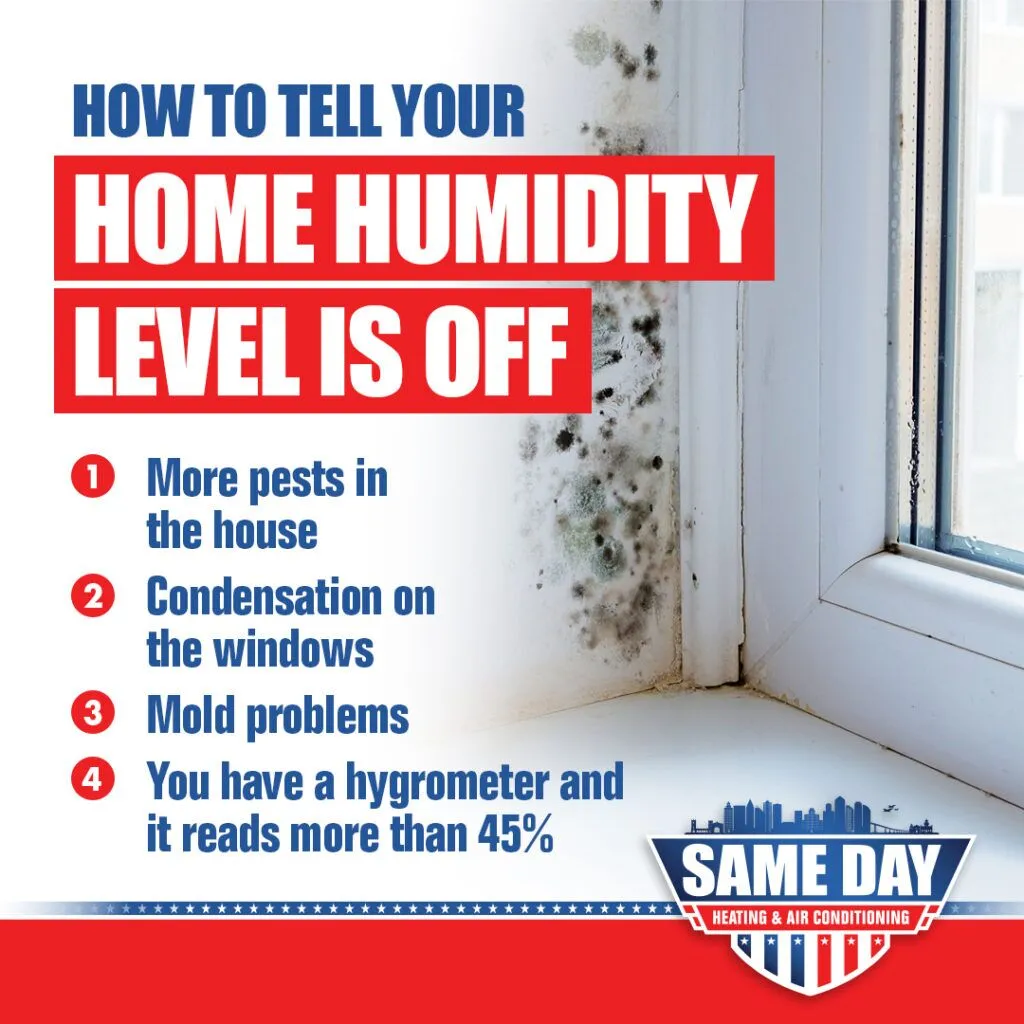
High humidity stresses your body. It raises your heart rate and can lead to heat exhaustion. Sleep gets worse. Skin can break out. Airways can feel tight.
Studies link high humidity to more dust mites and mold. These can trigger allergies and asthma. Public health guidance suggests indoor relative humidity between 40% and 60% to cut these risks and boost comfort. Keeping this range helps stop summer humidity problems before they start.
How humidity harms your home
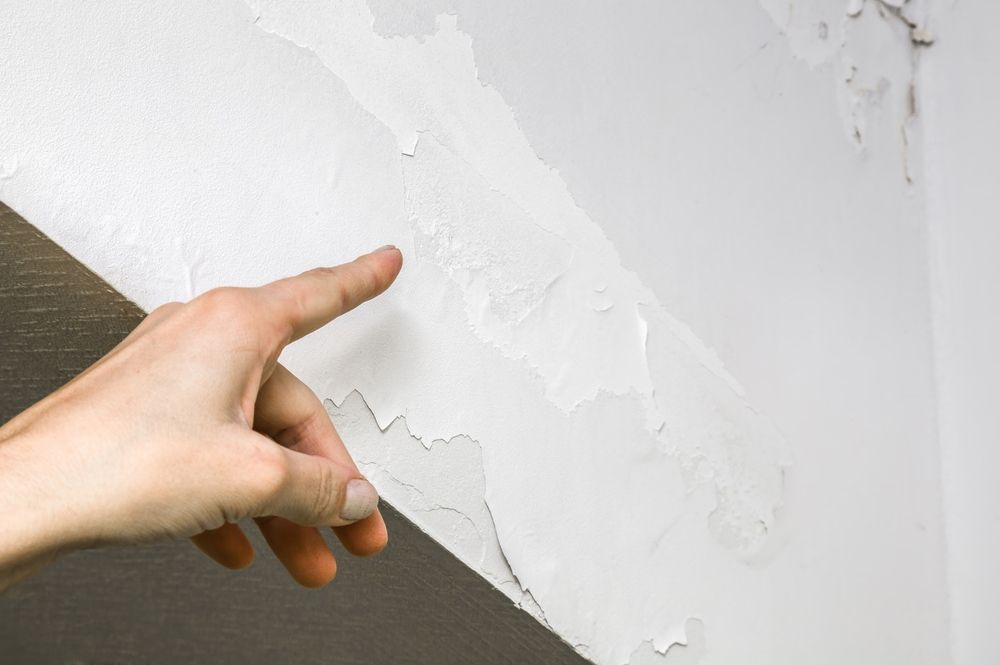
Moist air creeps into cracks and cool corners. When warm, wet air hits a cool surface, it can condense into water. That water feeds mold and rot. It can also rust metal parts and fog double-pane windows.
Common home issues include:
- Musty odors in closets, basements, and crawl spaces
- Peeling paint and bubbled drywall
- Cupped hardwood floors and warped doors
- Swollen cabinets that do not close well
- Electronics that fail early due to corrosion
I once saw a beautiful oak floor cup in one week after a storm. The owner ran the AC on low fan and kept windows open at night. That mix pulled in damp air and set the stage for damage. Summer humidity problems often start with small habits.

How to measure moisture and set targets
Guessing does not work. Measure humidity so you can act fast.
Use these tools:
- Hygrometer to track room relative humidity
- Thermometer to compare room and outdoor temps
- Simple dew point calculator or app to judge condensation risk
Targets that work in most homes:
- Indoor RH: 40% to 60%, with 50% as a sweet spot
- Bedrooms: 45% to 55% for better sleep
- Basements: 45% to 55% to limit mold and dust mites
If your space runs over 60% RH for long periods, you likely have summer humidity problems that need action.

Quick fixes you can try today
Small steps can cut humidity fast and cheap.
- Run bath and kitchen exhaust fans for 20 to 30 minutes after use
- Use lids when boiling or simmering
- Dry clothes outside or use a vented dryer
- Close windows on humid days, even if it seems cooler
- Set AC to Auto fan, not On, to reduce re-evaporation from the coil
- Keep interior doors open to balance airflow
- Lower indoor plants that sit in water trays
In my home, switching my AC fan from On to Auto dropped RH by 5% in a day. That small change made rooms feel crisp. It can do the same for your summer humidity problems.
Smart HVAC and dehumidifier strategies
Cooling alone may not remove enough moisture. Use the right gear in the right way.
- AC settings: Aim for a steady set point. Avoid big swings that cause short cycles.
- Two-stage or variable-speed AC: Longer, slower runs remove more moisture.
- Whole-house dehumidifier: Great for tight homes or big families. It treats fresh air and keeps RH stable.
- Standalone dehumidifier: Perfect for basements and laundry rooms. Pick Energy Star models sized for the room.
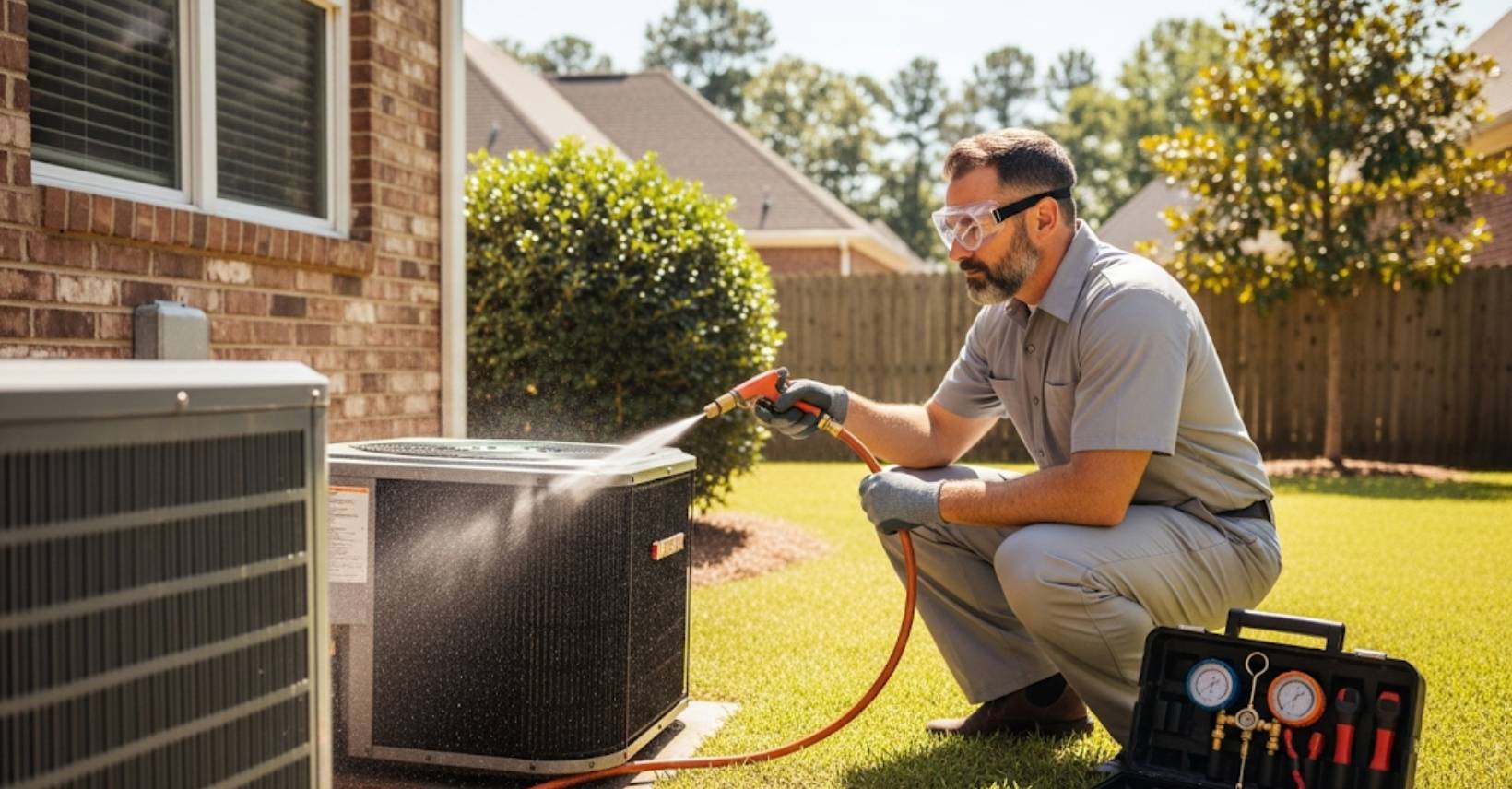
- Maintenance: Clean coils, change filters, and flush condensate lines every season.
If your AC keeps your home cool yet still clammy, a dedicated dehumidifier can solve those summer humidity problems with less energy than overcooling.
Seal and insulate to stop moisture at the source
Moisture often rides on air leaks. Sealing and insulating can do more than gadgets.
Focus on:
- Air sealing: Caulk and foam around rim joists, pipes, and wire runs
- Attic hatch and recessed lights: Use rated covers to block leaks
- Vapor control: Use a smart vapor retarder in mixed climates
- Insulation upgrades: Mineral wool or dense-pack cellulose help manage moisture
- Weatherstripping: Tighten doors and windows to stop humid air
On audits, I often find a leaky attic hatch as the main path for summer humidity problems. A simple gasket kit can be a game changer.
Room-by-room playbook
Every space has its quirks. Tackle them one by one.
Bathrooms
- Use a vented fan that moves at least 80 CFM
- Keep the fan running after showers
- Squeegee walls and glass to reduce moisture load
Kitchen
- Run a vented range hood when cooking or baking
- Use a lid and lower the boil to reduce steam
- Fix leaky faucets and sink traps
Basement and crawl space
- Add a vapor barrier on exposed soil
- Seal rim joists and utility penetrations
- Use a dehumidifier to hold 45% to 55% RH
Bedrooms
- Keep closet doors slightly open
- Do not push furniture tight to exterior walls
- Use breathable bedding
Laundry and mudroom
- Vent the dryer outdoors
- Hang damp gear outside when you can
- Add a small fan for airflow
These room moves will reduce summer humidity problems across the whole home.
Outdoor and travel tips for humid days
You can plan your day to beat humidity stress.
- Watch the heat index, not just temperature
- Wear light, wicking clothes and a hat
- Hydrate often and add electrolytes on long days
- Take breaks in shaded or air-conditioned spots
- Use a breathable car sunshade and crack windows when safe
- Avoid outdoor workouts during peak humidity hours
These steps keep your body safe while your home strategies work on summer humidity problems indoors.
Common myths about humidity
Myth: Colder AC always fixes humidity.
Truth: Overcooling can waste power and still leave air damp.
Myth: Fans remove moisture.
Truth: Fans move air but do not pull water out. You need ventilation or dehumidification.
Myth: Open windows at night help.
Truth: If the dew point outside is high, you bring in more moisture.
Myth: Houseplants purify humid air.
Truth: Some plants add moisture. Do not rely on them to reduce summer humidity problems.
Costs, savings, and simple ROI
You do not need to spend big to feel big changes.
- Low-cost: Weatherstripping, caulk, timer switches for bath fans, AC fan set to Auto
- Mid-cost: Standalone dehumidifier, higher MERV filters, smart thermostat
- Higher-cost: Whole-house dehumidifier, variable-speed AC, air sealing and insulation
Savings come from less overcooling, fewer repairs, and better health. Many families cut 10% to 20% from summer power use once they solve summer humidity problems and stop chasing cool with extra AC.
A simple seasonal checklist
Spring setup
- Service AC and clean coils
- Test bath and kitchen fans
- Place hygrometers in key rooms
Summer rhythm
- Keep RH between 40% and 60%
- Run fans after steamy tasks
- Empty and clean dehumidifier buckets and filters
Storm response
- Close windows and dehumidify after rain
- Dry wet rugs and walls within 24 to 48 hours
- Check for leaks and standing water
Fall wrap-up
- Inspect for mold spots
- Seal new gaps and cracks
- Log what worked for next year
This checklist keeps summer humidity problems from sneaking back.
Frequently Asked Questions of summer humidity problems
What indoor humidity is best in summer?
Aim for 40% to 60% RH. Most people feel best near 50% and see fewer moisture issues.
Why does my home feel clammy even when it’s cool?
Your AC may cool fast but not run long enough to dry air. A longer cycle or a dehumidifier can help.
Will a ceiling fan lower humidity?
No. A fan does not remove water. It only makes you feel cooler by moving air over your skin.
How do I know if I need a dehumidifier?
If RH stays above 60% for hours or you see condensation or musty odors, add a dehumidifier. Start with the basement or the most humid room.
Can houseplants cause humidity problems?
Some can. Wet soil and frequent watering add moisture. Use trays and avoid overwatering.
Is it better to keep windows open at night in summer?
Only if the outdoor dew point is low. If it is high, you will invite more moisture and worsen summer humidity problems.
Conclusion
Summer humidity problems are solvable with small habits, smart tools, and a plan. Measure RH, control moisture at the source, and let your HVAC and dehumidifier do steady work. Your reward is cleaner air, better sleep, and a home that lasts.
Try two steps today: set your AC fan to Auto and run your bath fan after showers. Then add a hygrometer and track your baseline. Want more tips like this? Subscribe for updates, ask a question in the comments, or share what worked for you.