

Choose scented to mask odors; choose unscented for sensitivities and pure moisture control.
If you’ve ever battled musty closets or damp basements, you’ve likely weighed scented vs unscented moisture absorbers. I’ve tested both in homes, garages, and boats, and I’ll walk you through what really matters. This guide breaks down performance, safety, cost, and real-world use so you can choose the best fit with confidence.

How moisture absorbers work
Moisture absorbers pull water from the air. This helps stop musty smells, mold, and rust. Most products use calcium chloride or silica gel. Some add activated charcoal for odor control.
Calcium chloride is a deliquescent salt. It turns to liquid as it collects moisture. Silica gel is an adsorbent. It traps water on its surface and can be dried and reused. Scents do not change how these materials work. They add smell but not more moisture pickup.
In many homes, a small tub keeps a closet dry. A larger bucket helps a basement or garage. Pick the size for your space and humidity.

Scented vs unscented moisture absorbers: key differences
The big choice is simple. Do you want clean air with no added smell, or do you want a scent to mask odors? Here is what to weigh with scented vs unscented moisture absorbers.
- Scented: Adds fragrance to the room. Helps mask musty odors fast. May bother people with allergies or scent sensitivity.
- Unscented: Neutral smell. Best for bedrooms, nurseries, and shared spaces. Ideal if you want pure moisture control and fewer additives.
With scented vs unscented moisture absorbers, look at your air quality goals. If you want fresh air with no perfumes, go unscented. If you want a light scent and quick odor cover, go scented.
Some scented units use essential oils. Others use synthetic fragrance. Both can give off VOCs. If you or a family member are sensitive, stick with unscented or activated charcoal.
Pros and cons of each option
Let’s keep it clear and simple for scented vs unscented moisture absorbers.
-
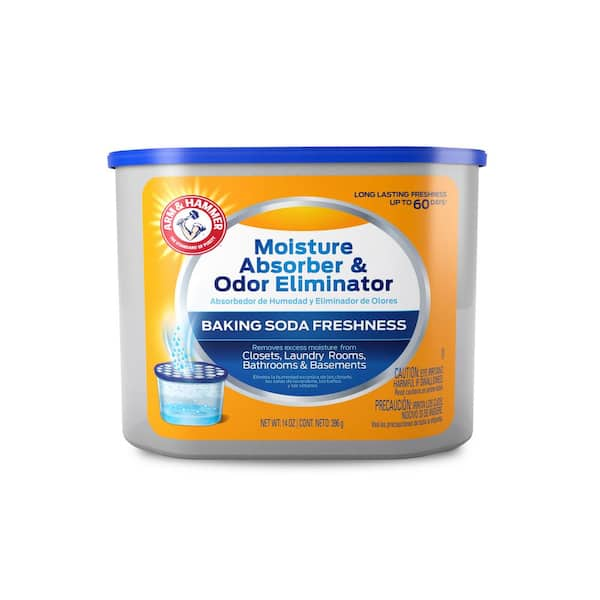
Scented pros: Masks odors, feels fresh, boosts first-time user satisfaction. Offers many scent choices.
-
Scented cons: Can irritate eyes, nose, and skin. May add VOCs. Scent can clash with candles or cleaning products.
-
Unscented pros: Clean and neutral. Fewer additives. Best for sensitive users, pets, and kids.
-
Unscented cons: Does not hide odor by itself. You may need extra odor control like charcoal or better airflow.

When to choose scented vs unscented moisture absorbers by space
Picking scented vs unscented moisture absorbers depends on where you use them. Match the choice to the room and the people using it.
Closets and drawers
Use unscented if you store linen, leather, or sensitive fabrics. Use scented if you want a light fresh smell for shoes. Keep the unit off clothing to avoid damp spots.
Bathrooms and laundry rooms
Unscented is great for small, closed spaces. It keeps it simple and clean. Scented can help after hot showers if you like a spa-like feel.
Basements and garages
Humidity is often high here. Use high-capacity tubs. Unscented is safer for long use and large spaces. You can add a charcoal bag for odor.
Kitchens and pantries
Use unscented. You do not want scent near food. Keep out of reach if you have kids or pets.
RVs, boats, and storage bins
Use unscented for safe, steady control. Add a separate deodorizer if needed. In my boat cabin, unscented tubs plus charcoal stopped the damp smell fast.
With scented vs unscented moisture absorbers, think of who breathes the air, not just the smell you want.
Health, safety, and indoor air quality
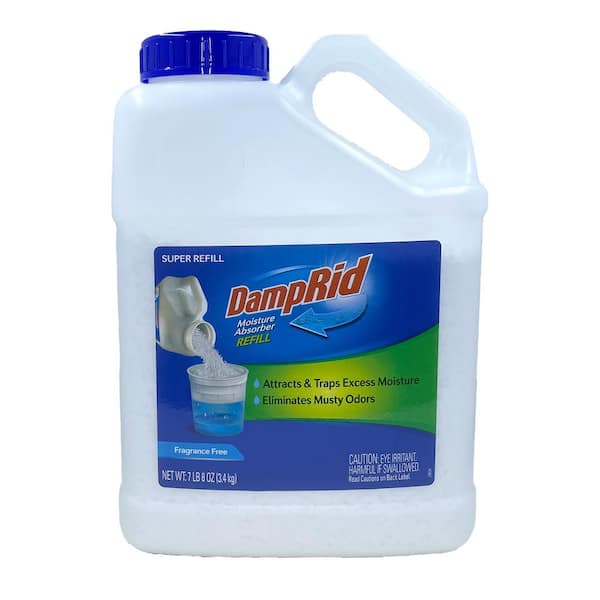
Fragrance compounds can trigger headaches or asthma. This risk is higher in small rooms. For families with babies, seniors, or pets, unscented is the safer call.
Calcium chloride brine can spill and is salty and corrosive. Keep tubs upright and away from wood floors or metal. If a spill happens, wipe, rinse with water, and dry the area.
Silica gel is not for eating but is often less messy. You can recharge some silica gel packs in a low oven. Check labels for exact steps.
If you need odor control without scent, add activated charcoal. It helps with VOCs and smells without perfume.
Performance, capacity, and cost
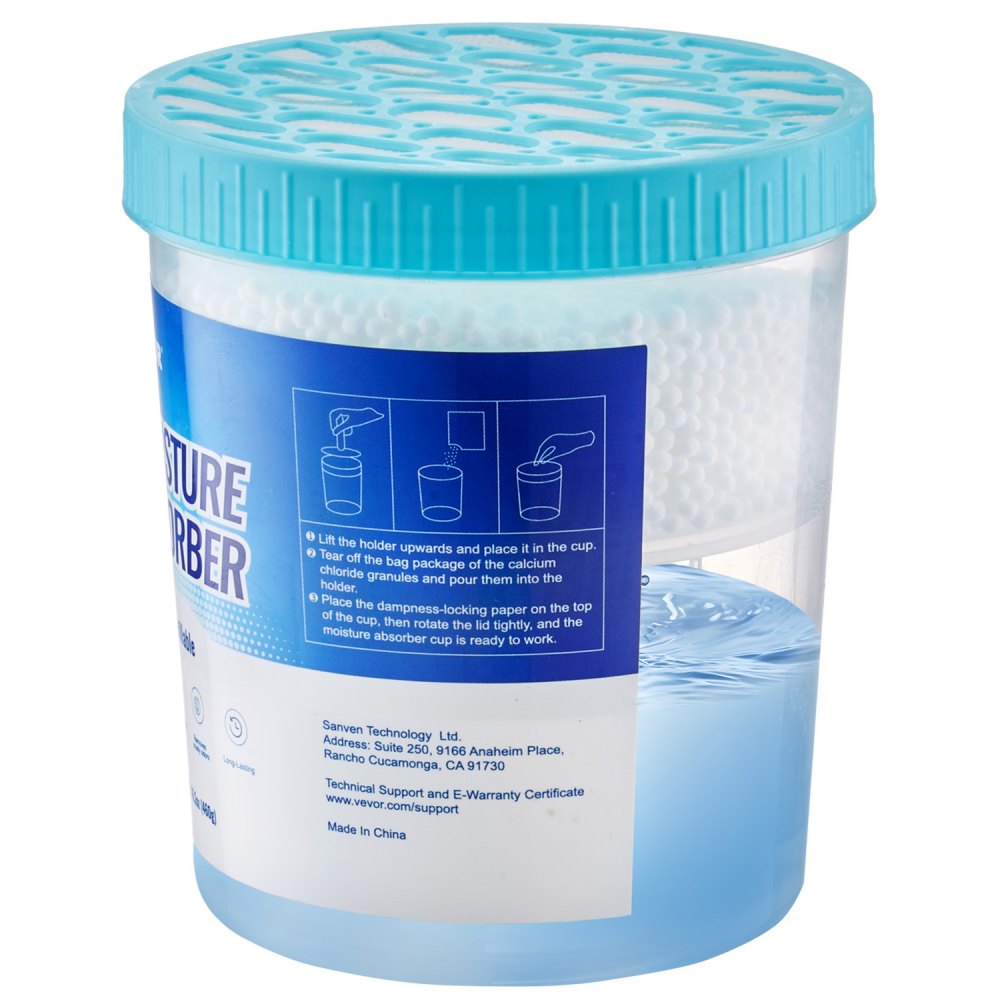
Scent does not raise moisture capacity. The base material does. Calcium chloride tubs often pull more water and work well in high humidity. Silica gel is great for small spaces and can be reused.
Look for the fill level window and a sturdy lid. In humid seasons, small tubs may last a few weeks. In dry months, they can last for months. Replace when the granules dissolve and the liquid hits the max line.
For a large basement, use a bigger bucket or several tubs. That is more efficient than many tiny cups. With scented vs unscented moisture absorbers, cost per month is often similar. You pay more for scent variety, not performance.

Materials and sustainability
Unscented products usually have fewer additives. That can mean a smaller footprint. Silica gel packs can be recharged and reused many times. That cuts waste.
Calcium chloride is single-use in many designs. Some containers are recyclable. Check local rules before you toss the brine. Never pour into soil or near plants.
If you choose scent, read the ingredient notes. Many fragrance blends are proprietary. If that feels vague, go with unscented or charcoal.

How to use moisture absorbers the right way
Set your unit in a stable spot with airflow. Keep the top open as designed. Do not hide it behind bags or boxes.
- Place at mid-level if you can. Air moves better there than on the floor.
- Use one unit per small enclosed space. For big rooms, use more than one.
- Check the fill window weekly. Replace or recharge on time.
- Keep away from kids and pets. Close the lid before moving.
- For closets, pair with a small fan or leave the door ajar at times.
These steps work for both scented vs unscented moisture absorbers. Good placement often matters more than scent choice.

Mistakes to avoid and pro tips
I learned a few lessons the hard way while testing scented vs unscented moisture absorbers.
- Do not set a tub on raw wood. The brine can stain. Use a tray or shelf.
- Do not block airflow. A hidden tub does little work.
- Do not mix strong scent with strong cleaners. The smells can clash.
- Rotate where you place units in large rooms. Target damp corners and cold walls.
- Track humidity with a cheap hygrometer. Replace or upsize when levels stay high.
My best tip: go unscented in most rooms, then add charcoal for odor. Use a single scented unit near shoes or gym gear if you like a light boost.
Buying guide and top checks before you order
A few quick checks can save you time and money when comparing scented vs unscented moisture absorbers.
- Check the active ingredient. Calcium chloride for heavy damp. Silica gel for small or reusable needs.
- Look at capacity and replacement cycle. Match to your humidity and room size.
- Read safety notes. Spill-proof designs matter in homes with kids or pets.
- Scan scent details. If you are sensitive, choose unscented or low-VOC options.
- Consider waste and recycling. Reusable packs or recyclable tubs cut long-term cost.
If you still feel unsure, buy one of each. Test for a week. Your nose and a hygrometer will tell you what works best.
Frequently Asked Questions of scented vs unscented moisture absorbers
Which is better: scented vs unscented moisture absorbers?
It depends on your needs. Use unscented for sensitive spaces and pure moisture control, and scented if you want quick odor masking.
Do scented versions remove more moisture than unscented?
No. Moisture pickup depends on the active material, not the fragrance. Scent only changes how the room smells.
Are scented moisture absorbers safe for pets and kids?
They can be, but use caution. Keep all units out of reach and avoid spills, and choose unscented if any family member has sensitivities.
Can I use them in a car or RV?
Yes. Place a small unit under a seat or in a cabinet. Secure it so it will not tip during travel.
How often should I replace a moisture absorber?
Replace when the granules dissolve and the liquid reaches the max line. In high humidity, this can be weeks; in drier seasons, it can be months.
Will unscented control bad smells at all?
Unscented controls odor by cutting moisture, which reduces musty smells. For stronger odors, add activated charcoal or improve airflow.
Conclusion
Choosing between scented vs unscented moisture absorbers comes down to your space, your nose, and your health needs. Scented helps mask odors fast. Unscented keeps air clean and simple. The right pick, placed well, stops damp, must, and mold before they start.
Try one small unit in your most humid spot this week. Watch your humidity, check the fill line, and see how you feel in the space. If this guide helped, share it with a friend, subscribe for more home tips, or leave a comment with your results.