

A safe absorber suits small, sealed spaces; a closet absorber handles higher humidity loads.
If you are weighing safe absorber vs closet absorber, you are in the right place. I work with moisture control daily and have tested many products in real homes. In this guide, I break down safe absorber vs closet absorber in plain English, with real data, smart tips, and no fluff. You will know what to buy, how to size it, and how to keep your stuff dry and safe.
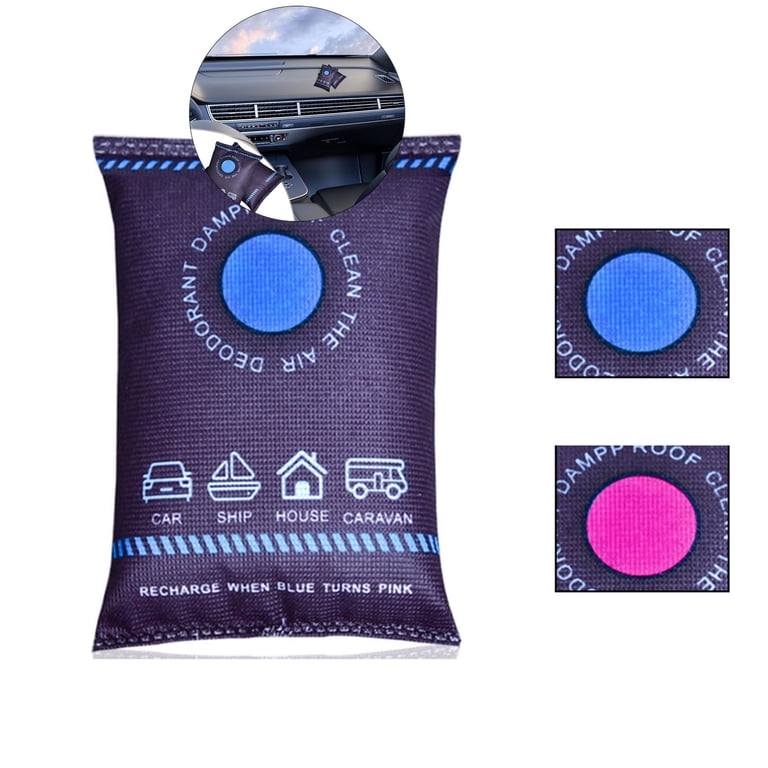
What Are They, And Why Compare Them?
A safe absorber is a moisture control product designed for small, sealed spaces like document safes, gun safes, or jewelry safes. It keeps corrosion, mold, and paper curl away. A closet absorber is built for larger, more humid spaces like wardrobes, linen closets, or coat closets. It fights damp air, stale smell, and musty clothes.
The safe absorber vs closet absorber debate matters because these spaces face very different moisture loads. A safe has very little airflow and a small air volume. A closet breathes more and often sits near bathrooms or basements. You need the right tool for the right job, or you waste money and time, and your items still suffer.

Safe Absorber vs Closet Absorber: Key Differences
-
Space and airflow
A safe is tight and small. A closet is larger and leaks more air. -
Moisture load
A safe gets slow, steady moisture creep. A closet can spike fast after showers or wet coats. -
Best media
A safe absorber often uses silica gel or an electric dehumidifier rod. A closet absorber often uses calcium chloride hanging bags or a small plug-in unit. -
Reuse vs replace
Many safe absorbers are rechargeable. Many closet absorbers are disposable and turn to brine. -
Risk tolerance
In a safe, spills are not okay near metal or documents. In a closet, leak-proof designs help, but capacity wins.
This is the heart of safe absorber vs closet absorber: small, sealed space needs controlled, clean, and often reusable media. Larger, damp space needs higher capacity and faster pull-down of humidity.
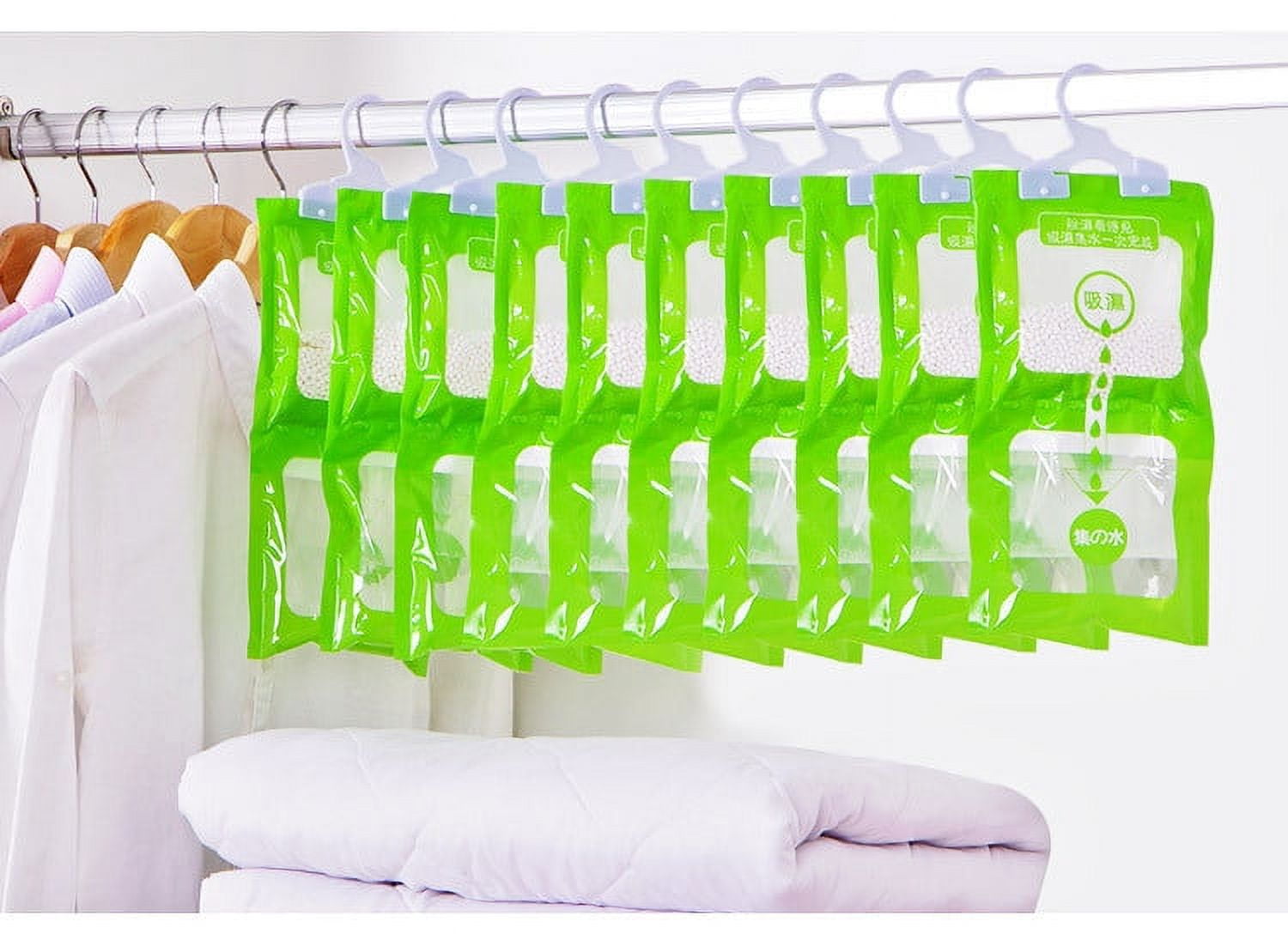
When To Use Each: Real Scenarios
-
Use a safe absorber when
You store firearms, cameras, watches, or papers in a sealed box. You want steady humidity control without spills. You prefer a rechargeable canister or a low-watt rod. -
Use a closet absorber when
You smell must, see damp clothes, or live in humid zones. You need big moisture pull. Hanging bags or small plug-in dehumidifiers shine here. -
Combo setups
A gun safe in a basement may need a dehumidifier rod plus a silica gel canister. A damp hallway closet may need a hanging calcium chloride pack and better door vents.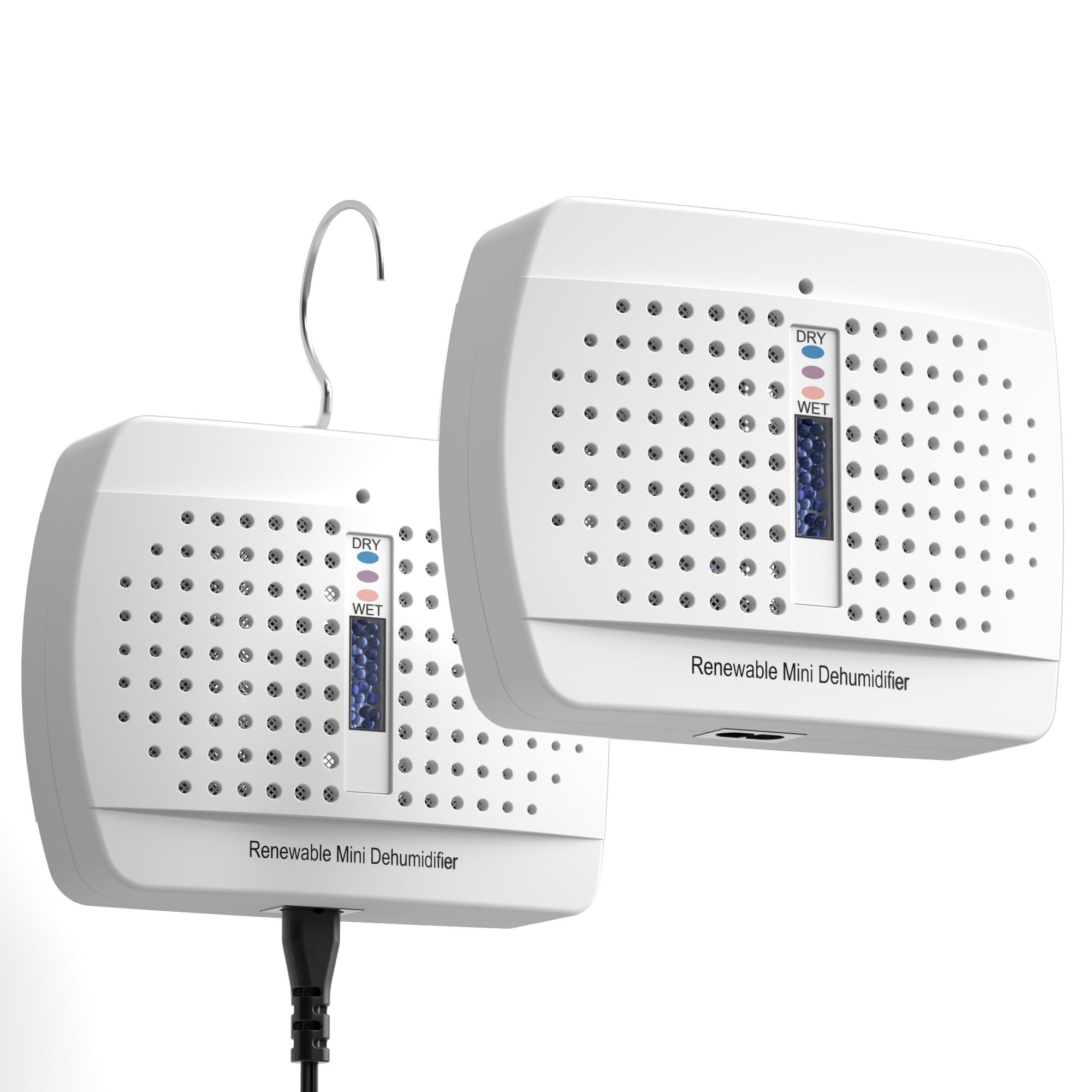
Source: amazon.com
How They Work: The Simple Science
-
Silica gel (adsorbent)
It grabs water vapor on its surface. It is best for sealed spaces. Many safe absorbers use it. It can hold roughly 20–40% of its weight in water and can be baked dry to reuse. -
Calcium chloride (deliquescent)
It pulls water and turns into a salt brine. It has a high capacity, often more than its own weight. It is common in closet absorbers and works fast in damp air. -
Electric rods and mini dehumidifiers
A dehumidifier rod warms air in the safe to reduce condensation. Peltier or compressor units work in closets when humidity is high or constant.
This explains the core of safe absorber vs closet absorber: silica gel or rods keep a tight safe dry; calcium chloride or a plug-in unit tames a closet.
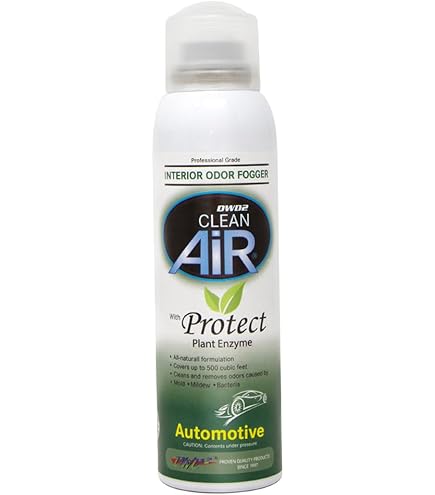
Sizing And Placement That Actually Works
-
Sizing for safes
Small pistol safe: 100–200 g silica gel canister.
Mid gun safe: 400–750 g silica gel or a 12–18 inch rod.
Large safe: 750 g+ plus a rod for best results. -
Sizing for closets
Small linen closet: one 500 g calcium chloride pack.
Wardrobe or coat closet: two 500 g hanging packs or a 20–30 oz unit.
Very damp closets: a mini plug-in dehumidifier rated at 8–20 oz/day. -
Placement tips
Place silica gel canisters where you can see the color window. Keep calcium chloride packs away from clothes and metal. Leave some space around units for airflow. In safes, a rod low and a canister mid-shelf works well.
These steps make safe absorber vs closet absorber choices clear and practical for your actual space.

Cost, Upkeep, And Sustainability
-
Safe absorbers
Rechargeable silica gel canisters cost more at the start but last for years. Bake at about 250°F for a few hours, or use a plug-in rechargeable model. Cost per year is low. -
Closet absorbers
Calcium chloride packs are cheap to buy but need regular swaps. They can fill fast in wet seasons. For long-term savings, a small electric unit can beat disposables. -
Waste and footprint
Rechargeable desiccants cut waste. If you choose disposable closet absorbers, pick larger refillable tubs with sealed reservoirs.
The long view on safe absorber vs closet absorber often favors reusable gear in safes and high-capacity options in closets.

Safety And Compliance Notes
-
Chemical safety
Keep all absorbers away from kids and pets. Calcium chloride brine is not safe to touch or ingest. -
Indicator beads
Some blue indicator beads once used cobalt salts. Many brands now use orange or green beads. Choose cobalt-free options for safer use. -
Corrosion risk
Do not place brine-based closet absorbers inside a safe. Salt and metal are a bad mix. If you must use high capacity near metal, choose sealed and leak-proof units far from gear.
Safety is a big part of safe absorber vs closet absorber. Pick products that fit the space and keep risk low.

Field Notes: My Tests And What I Learned
I ran simple tests with a hygrometer. In a mid-size gun safe at 60% RH, a 500 g silica gel canister dropped it to 48% in 24 hours and 45% by day two. Adding a 12-inch rod held it steady at 43–45%.
In a coat closet at 70% RH after a rainy week, one 500 g hanging pack hit 58% in two days and 52% by day four. Two packs got it to 48%. A small plug-in unit kept it near 50% without swaps.
Takeaway for safe absorber vs closet absorber: silica gel or a rod wins in a safe; calcium chloride or a small dehumidifier wins in a closet.

Buying Checklist: Features That Matter
-
For safe absorbers
Look for rechargeable canisters, clear color windows, solid metal shells, and cobalt-free indicators. Consider a dehumidifier rod with a long cord and built-in stand-offs. -
For closet absorbers
Pick large hanging bags or sturdy tubs with leak-proof chambers. Choose unscented if you are sensitive to smells. If you go electric, check tank size, auto shutoff, and noise.
This shopping list makes safe absorber vs closet absorber choices simple and smart.
Setup And Care: Step-By-Step
- For a safe absorber
- Wipe the interior dry.
- Place the canister where you can see it.
- If using a rod, mount it low, then route the cord.
- Check beads weekly at first.
- Recharge when the color changes.
- For a closet absorber
- Remove damp items and dry the area.
- Hang the pack away from clothes.
- Keep the tub level on a shelf if not hanging.
- Empty or replace when the reservoir fills.
- For plug-in units, empty tanks and clean the filter monthly.
These quick moves give you the edge in the safe absorber vs closet absorber choice.
Troubleshooting And Common Mistakes
-
Still too humid
Your space may leak air. Seal gaps on safe doors. Add door vents for closets. Consider adding a second unit. -
Odor remains
Use an activated carbon sachet along with your absorber. Dry kills mold. Carbon kills smell. -
Leaks or corrosion
Never put calcium chloride inside a safe. If you spill brine, wipe with water and dry right away. In closets, use drip-proof designs.
These fixes solve most safe absorber vs closet absorber headaches fast.
Frequently Asked Questions of safe absorber vs closet absorber
What humidity level should I aim for?
Shoot for 40–50% RH in safes and closets. This range protects metal, paper, and fabrics without over-drying.
Can I use a closet absorber inside a safe?
Avoid calcium chloride in safes due to spill and salt risk. Use silica gel or a dehumidifier rod instead.
How often do I recharge a silica gel safe absorber?
Most need a recharge every 1–3 months. Timing depends on humidity and how often you open the safe.
Do scented closet absorbers cause issues?
They can bother people with sensitivities and may cling to fabrics. Unscented options are safer and cleaner.
Will a small electric dehumidifier beat disposable packs?
Often yes for closets with steady humidity. It costs more upfront but saves on refills and gives stable results.
Are indicator beads safe?
Modern orange or green beads are usually cobalt-free. Check the label and choose safer options when possible.
Conclusion
Safe absorber vs closet absorber comes down to space, airflow, and moisture load. Use silica gel or a dehumidifier rod for tight, sealed safes. Choose calcium chloride packs or a small electric dehumidifier for larger, damp closets. Size it right, place it well, and check it often.
Make your move today. Pick one space, measure humidity, and install the right absorber. Then track results for a week. If this helped, share it, subscribe for more home care guides, or drop your questions in the comments.