

Rock salt can absorb moisture, but it works slowly and best in very humid air.
If you want a simple, low-cost way to tame damp spaces, rock salt for moisture absorption can help. I’ve tested it in basements, closets, and cars, and I’ll show you when it shines, where it falls short, and how to set it up the right way. Keep reading for clear steps, expert tips, and realistic expectations about rock salt for moisture absorption.

How Rock Salt Absorbs Moisture
Rock salt is mostly sodium chloride. It is mildly hygroscopic. That means it can attract water from the air. When the air is very humid, the crystals get damp. Over time, they can turn into a salty brine.
Here is the key detail. Rock salt starts to work well at high humidity. In lab terms, sodium chloride begins to deliquesce near 75% relative humidity at room temperature. Below that, rock salt for moisture absorption is much slower.
Think of it like a sponge that only wakes up when the air feels muggy. In dry or moderate air, you will barely see water. In sticky air, the salt gets wet and collects drips.
:max_bytes(150000):strip_icc()/SPR-diy-dehumidifier-5104638-01-b908de4adb564319877d55bd9e74bac9.jpg)
When Rock Salt for Moisture Absorption Makes Sense
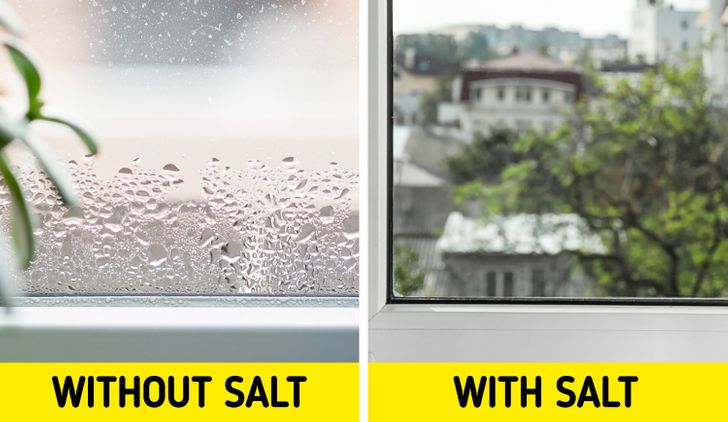
Rock salt for moisture absorption is ideal when you need a cheap, passive fix. It helps in small, closed spots with high humidity.
Good use cases include:
- Closets and wardrobes that get musty in summer
- Bathrooms without strong ventilation
- Sheds, campers, or storage bins
- Vehicles parked for long periods
- Damp corners of basements
If you live near the coast or in a humid region, you’ll notice better results. If your air is usually below 60% relative humidity, try other options first.
Benefits and Limitations
Rock salt for moisture absorption is helpful. But it has clear limits. Here is a balanced view.
Benefits:
- Low cost and easy to find
- Simple setup and no power needed
- Works best when humidity spikes
- Reusable if you evaporate the brine
Limitations:
- Slower than calcium chloride or silica gel
- Can create brine that may spill and stain
- Brine can corrode metal and harm some finishes
- Less effective in medium or low humidity
From tests and industry data, sodium chloride is a modest desiccant. Calcium chloride can hold many times its weight in water. Rock salt cannot match that. Use rock salt for moisture absorption when you want a budget helper, not a heavy-duty fix.

DIY Setups and How to Use It
You can build a rock salt moisture collector in minutes. Here are simple setups I use and recommend.
Basket-in-bucket method:
- Place a mesh colander or plastic basket inside a bucket.
- Fill the basket with rock salt. Leave space for air flow.
- The brine drips into the bucket. Empty as needed.
Jar with holes:
- Fill a glass jar with rock salt.
- Drill or punch small holes in the lid.
- Set it in a closet or cabinet. Shake the jar weekly to break clumps.
Hanging pouch:
- Fill a cotton bag or old sock with rock salt.
- Hang it in a small space, like a locker or RV cabinet.
- Place a tray underneath to catch any drips.
How much to use:
- Start with 1 to 2 pounds per small closet.
- For a basement corner, use 5 pounds spread over two containers.
- Check weekly. Add more if the salt dissolves fast.
Regeneration:
- If the salt becomes brine, you can reclaim it.
- Pour the brine into a wide pan and let it evaporate in the sun.
- You will get crystals again. This takes time and warm, dry weather.
Pro tip: Combine air sealing and a fan with rock salt for moisture absorption. Better airflow makes a big difference.

Safety, Materials, and Care
Rock salt is simple, but treat it with care to protect your space.
Do:
- Use plastic buckets or glass jars to resist brine.
- Keep away from kids and pets.
- Place containers on trays to catch spills.
Avoid:
- Contact with metal, leather, or hardwood floors.
- Using near valuable tools or electronics.
- Mixing brine with cleaning chemicals.
If a spill happens, flush with lots of water and dry the area well. Brine can leave white marks if it dries on surfaces.
Rock Salt vs Other Moisture Absorbers
Choosing the right moisture fix depends on your goal and budget. Here is a quick guide based on field use and known material behavior.
Rock salt for moisture absorption:
- Best for high humidity and small spaces
- Cheapest, simple to set up
- Slower and can get messy
Calcium chloride:
- Very strong absorber, fast results
- Ideal for basements, garages, and RVs
- Can get very wet, needs sturdy containers
Silica gel:
- Great for medium humidity and valuables
- Reusable by drying in a warm oven
- Costs more, lower total water capacity than calcium chloride
Baking soda or charcoal:
- Mild odor control
- Minimal water absorption
- Better as a smell helper, not a dehumidifier
If you need a big drop in humidity, use a powered dehumidifier. It beats any passive method. Use rock salt for moisture absorption as a support, not the main tool.
:max_bytes(150000):strip_icc()/SPR-diy-dehumidifier-5104638-section-6-75857cdb07d34636b85e29d909ae9e9a.jpg)
Real-Life Results and Tips
I first used rock salt in a brick basement closet. Summer humidity was high. The salt turned to brine in a week. Odors dropped, and the walls felt less clammy.
Over time, I learned a few tricks:
- Use two containers at different heights for better air contact.
- Raise the salt container off the floor for safety.
- In cars, place a small jar under the seat and crack a window on dry days.
I also tested it in a dry winter room. It did almost nothing. That taught me to match the tool to the season. Rock salt for moisture absorption is a great summer helper, but not a year-round hero.
Cost, Sizing, and Placement Guide
A little planning makes your setup more effective.
Sizing:
- Small box or closet: 1 to 2 pounds of rock salt
- Wardrobe or pantry: 2 to 3 pounds
- Basement corner: 5 pounds split into two containers
Placement:
- Put salt higher than the damp floor line.
- Keep airflow open around the container.
- Avoid direct contact with metal or wood shelves.
Maintenance:
- Check weekly in humid months.
- Stir clumps to expose fresh surfaces.
- Swap or regenerate salt as it dissolves.
With this plan, rock salt for moisture absorption works more reliably and with less mess.
Frequently Asked Questions of rock salt for moisture absorption
Does rock salt actually reduce humidity?
Yes, but it is modest. It works best in very humid spaces and small areas.
How long does rock salt last before it needs replacement?
It varies with humidity and airflow. In muggy weather, expect to refresh or drain weekly.
Can I reuse rock salt after it dissolves into brine?
Yes. Let the brine evaporate in the sun, then reuse the crystals. This can take time.
Is rock salt safe around pets and kids?
Keep it out of reach. Ingesting salt or brine can be harmful, and spills can be slippery.
Will rock salt damage metal or wood?
The brine can corrode metal and stain wood. Use trays and avoid direct contact with sensitive surfaces.
Conclusion
Rock salt for moisture absorption is a simple, budget-friendly tool for sticky spaces. It shines in closets, cars, and corners when the air is very humid. It is not a full replacement for stronger desiccants or a powered dehumidifier, but it is great as a helper.
Try a small setup this week and track results. If it works, scale it up where you need it most. Want more practical home tips like this? Subscribe and share your questions so I can help you dial in a moisture plan that fits your space.