

Reusable moisture absorbers trap humidity, reduce mold risk, and can be reactivated for repeated use.
If you are tired of musty closets, foggy car windows, or damp storage bins, you are in the right place. I work with reusable moisture absorbers in homes, cars, and gear rooms, and I will walk you through what works, what doesn’t, and how to get the most from them. This guide covers how reusable moisture absorbers work, where to use them, how to reactivate them, and how to choose the best options for your needs. Read on to make dampness simple to manage, for good.
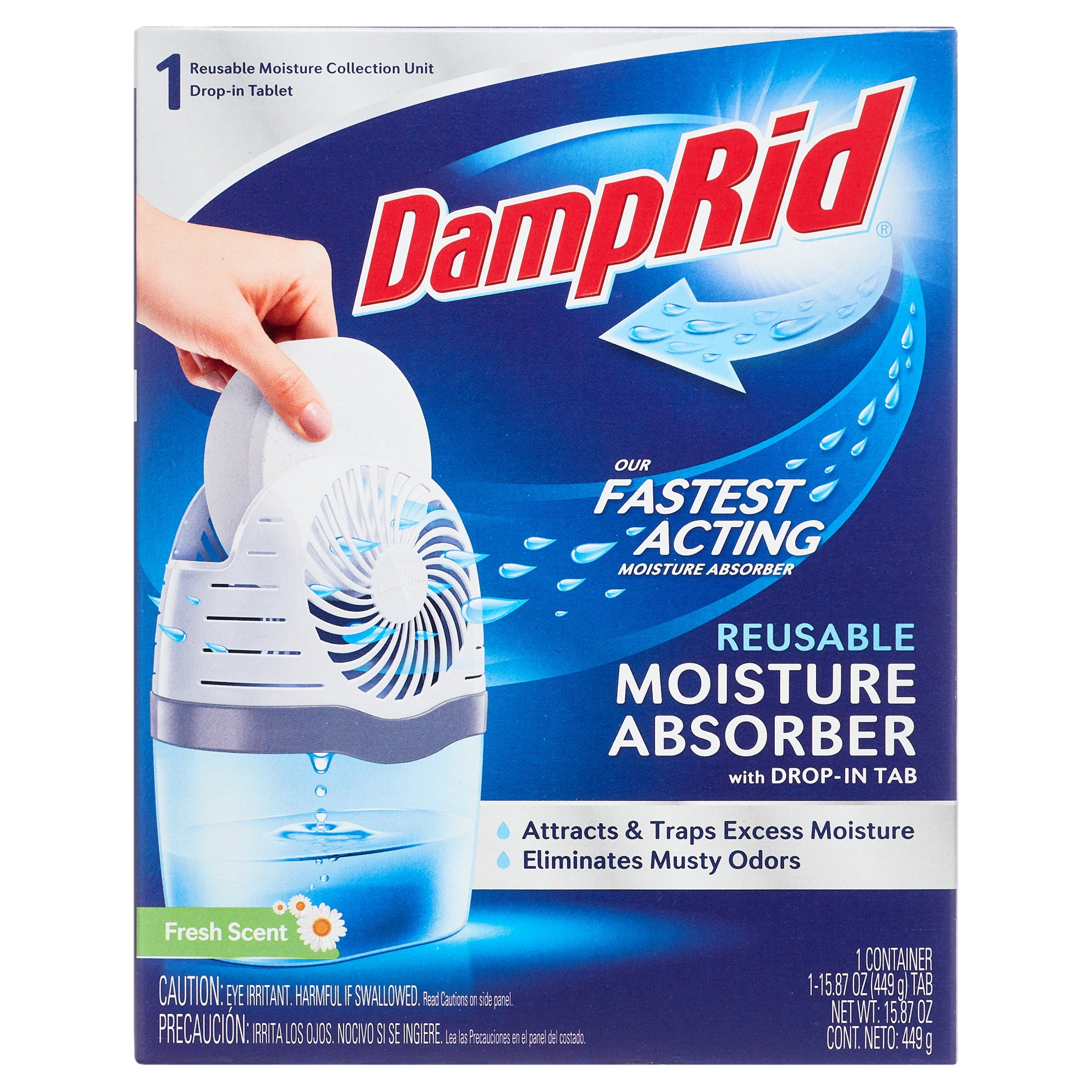
What are reusable moisture absorbers?
Reusable moisture absorbers pull water from the air. They use safe, porous materials that attract moisture. When full, you dry them out and use them again.
Most options use silica gel, clay, or molecular sieve beads. They sit in a pouch, canister, or hard case. Some include color beads that change when they are saturated.
You will see them called desiccant packs, canisters, or rechargeable dehumidifier bags. They shine in small spaces. Think closets, drawers, gun safes, tool chests, and camera bags.

How reusable moisture absorbers work
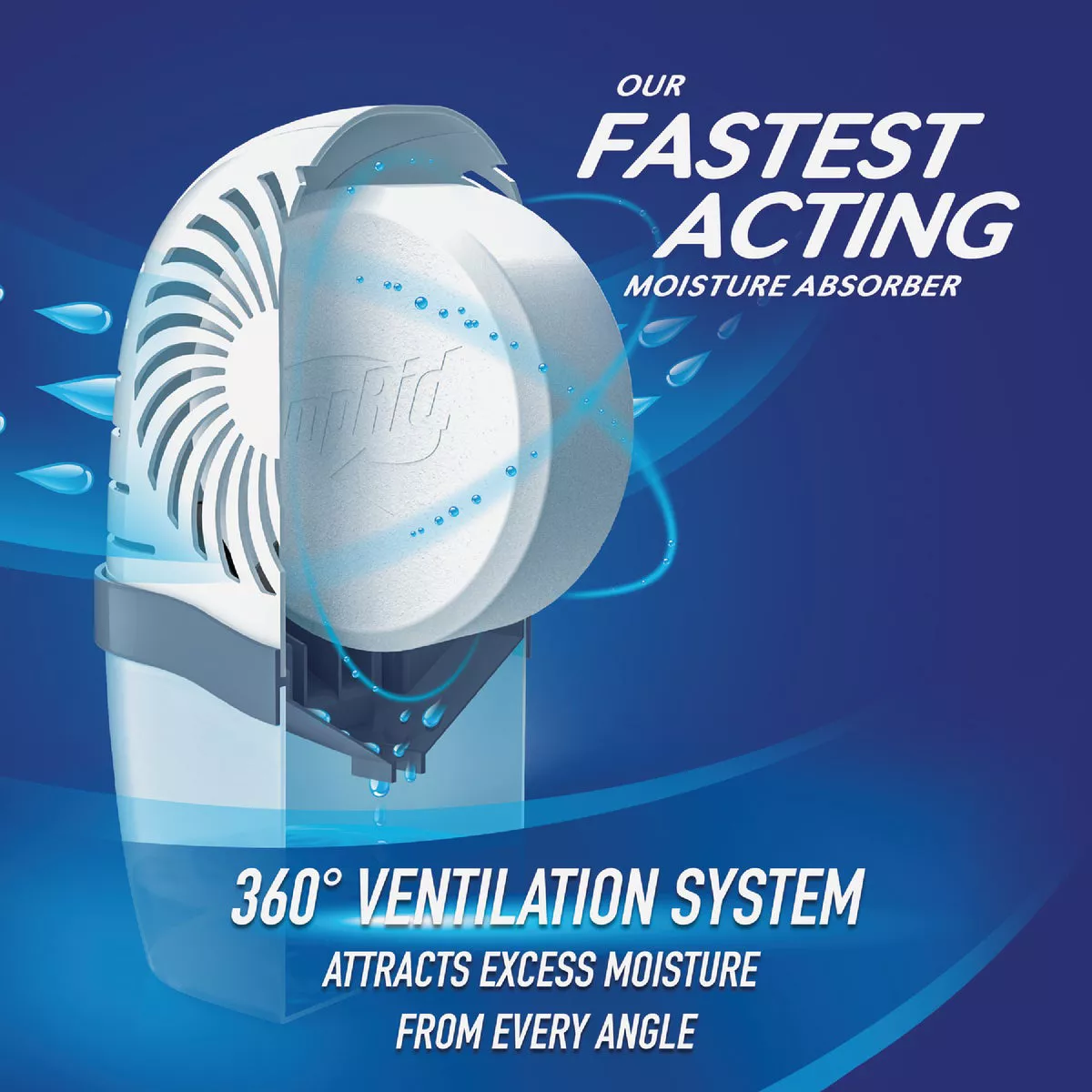
The material has tiny pores. Water molecules stick to these pores. This process is called adsorption, not absorption, which means the water collects on the surface.
When a pack reaches its limit, it stops pulling water well. You then heat it to drive out the moisture. After that, it is ready to go again, often many times over.
In my camera bag and gym locker, I keep two packs and rotate them. One works while the other dries. This simple habit keeps smells and fog at bay.
Types and materials
Reusable moisture absorbers come in a few main types. Each has trade-offs.
- Silica gel packs work well in most homes. They hold around a third of their weight in water. Many show a color change when full.
- Clay desiccant is cheap and robust. It handles heat well but holds a bit less water than silica.
- Molecular sieve beads work best at low humidity and low temperature. They cost more but can be great for sensitive gear.
You will also find hard canisters with built-in heaters or USB recharge cradles. These are neat for cars, safes, and RVs. They take the guesswork out of timing a recharge.

Where to use reusable moisture absorbers
Small spaces benefit the most. Think of any closed spot where air sits still.
- Closets, dressers, and shoe cabinets to stop musty odors
- Storage bins with clothes, books, or photos to prevent mold
- Camera, drone, or lens cases to reduce lens haze and fungus risk
- Gun safes and ammo boxes to control rust
- Cars, RVs, and boats during damp seasons
- Laundry rooms, pantries, and under-sink cabinets
Tip from experience: place reusable moisture absorbers near problem areas, not buried at the bottom of a bin. Airflow matters, even in small spaces.

How to reactivate and reuse
Most reusable moisture absorbers need heat to dry out. Always check the label before you begin.
Oven method
- Preheat to 200–250°F.
- Spread packs on a tray in a single layer.
- Dry for 1–2 hours, or until the color indicator resets.
- Cool before sealing them back in place.
Microwave method
- Use only microwave-safe packs.
- Heat in short bursts of 2–3 minutes.
- Let cool between bursts to avoid scorching.
- Stop when the indicator shows dry.
Outdoor sun drying helps a little, but heat reactivation works best. Store dry packs in airtight bags until you need them again.

How to choose the right reusable moisture absorbers
Match the product to your space and climate. This saves time and money.
- Size of space Choose higher-capacity canisters for closets and cars. Use small packs for cases and drawers.
- Humidity level Damp basements may need multiple units. Very wet areas may still need an electric dehumidifier.
- Indicator window Choose color beads or a window so you know when to recharge.
- Heat tolerance Make sure the pack can handle your oven or microwave.
- Build quality Look for tight stitching, strong cases, and food-safe materials for use near pantry items.
If you want set-and-forget use, consider USB-recharge canisters. If you want low cost and flexibility, get bulk silica gel packs and rotate them.
DIY options and smart hacks
You can make simple reusable moisture absorbers at home. It is cheap and effective.
DIY silica jar
- Fill a clean glass jar with silica gel beads.
- Add a small square of paper towel on top.
- Screw on a lid with holes punched in it.
- Add a few indicator beads so you can see when to dry it.
DIY fabric pouch
- Use a breathable cotton sock or muslin bag.
- Fill with silica gel or clay beads.
- Tie tight with string. Label it with the reactivation temp.
Smart use tips
- Use two packs per space and rotate them.
- Place on a small wire rack to improve airflow.
- Pair with a cheap hygrometer to track results.

Source: amazon.com
Care, safety, and troubleshooting
Keep reusable moisture absorbers safe and effective with a few habits.
- Avoid cobalt blue indicator silica when possible. Modern orange-to-green beads are a safer choice.
- Do not overheat packs. Look for a mild baked smell; stop if you see smoke.
- Keep away from pets and small kids. Beads are a choking hazard.
- If a pack gets wet with liquid water, spread and dry it fully before reuse.
- Replace packs that leak beads, tear, or lose color change.
If the space still smells musty, you may need more capacity. You may also need to seal air leaks or use an active dehumidifier for large rooms.
Cost, lifespan, and environmental impact
Reusable moisture absorbers save money over time. A quality pack can last many cycles. Many survive dozens of oven dry-outs with no loss of power.
Expect to pay a little more up front than disposables. But reuse cuts waste and long-term cost. In my basement storage, I replaced disposable tubs with two canisters. I now recharge once a month and have sent far less plastic to the trash.
For very wet basements, a small electric dehumidifier may still be key. Use reusable moisture absorbers for closets, cases, and cabinets. This blended approach balances cost, comfort, and air quality.
Frequently Asked Questions of reusable moisture absorbers
Are reusable moisture absorbers safe around food or spices?
Most silica gel is non-toxic and often food safe, but do not eat it. Keep packs outside containers that hold loose food, or use dedicated food-safe desiccant.
How often should I recharge my packs?
It depends on humidity and size. In a closet, I recharge every 3–4 weeks. In a camera case, I recharge every 6–8 weeks.
Can I dry them in a microwave?
Only if the maker says it is safe. Some packs have metal parts or materials that overheat, so check the label.
Do reusable moisture absorbers remove odors?
They cut the damp that feeds odors and mildew. For strong smells, pair them with activated charcoal or clean the source.
Will they stop mold completely?
They lower risk by reducing moisture. But leaks, poor airflow, or high humidity may still allow mold, so fix sources and ventilate.
How many packs do I need for a closet?
For a small closet, start with one or two canisters or several small packs. Add more if your hygrometer stays above 60 percent RH.
Are calcium chloride tubs reusable?
Most calcium chloride tubs are not reactivated by heat. Choose silica gel or a rechargeable canister for true reuse.
Conclusion
Reusable moisture absorbers are a simple win for dry, fresh spaces. Pick the right size, place them well, and recharge on a schedule. You will protect clothes, tools, and gear with little effort.
Start small today. Choose one closet or case and add a pack. Track the result with a cheap hygrometer. If this helped, share your setup, subscribe for more home care guides, or ask a question in the comments.