

Renewable silica gel is cleaner and reusable; calcium chloride absorbs more but leaks.
If you want to keep moisture at bay, you will meet these two often. I work with desiccants in homes, RVs, and shipping. I wrote this guide to make renewable silica gel vs disposable calcium chloride simple, honest, and useful. You will see how they differ, where each shines, and how to choose with confidence.

What these desiccants are and how they work
Silica gel is a porous form of silicon dioxide. It grabs water on its surface. We call this adsorption. It looks like small beads and often comes in packets or canisters. You can heat it to drive the water off. That is why we call it renewable silica gel.
Calcium chloride is a salt. It pulls water from the air by a strong chemical attraction. It does not just hold water on the surface. It turns into a salty liquid called brine. That is why most products are trays or hanging bags that collect liquid. They are disposable calcium chloride because you throw them away once full.
In any talk about renewable silica gel vs disposable calcium chloride, it helps to see the core difference. Silica gel stores water in pores and can be dried and used again. Calcium chloride melts as it absorbs water and gives you a cup of liquid to dump. Both work. They solve different problems.

Key differences at a glance
Think of silica gel as a tidy sponge you can dry and reuse. Think of calcium chloride as a heavy-duty mop that ends in a bucket of salty water.
Here is how they differ:
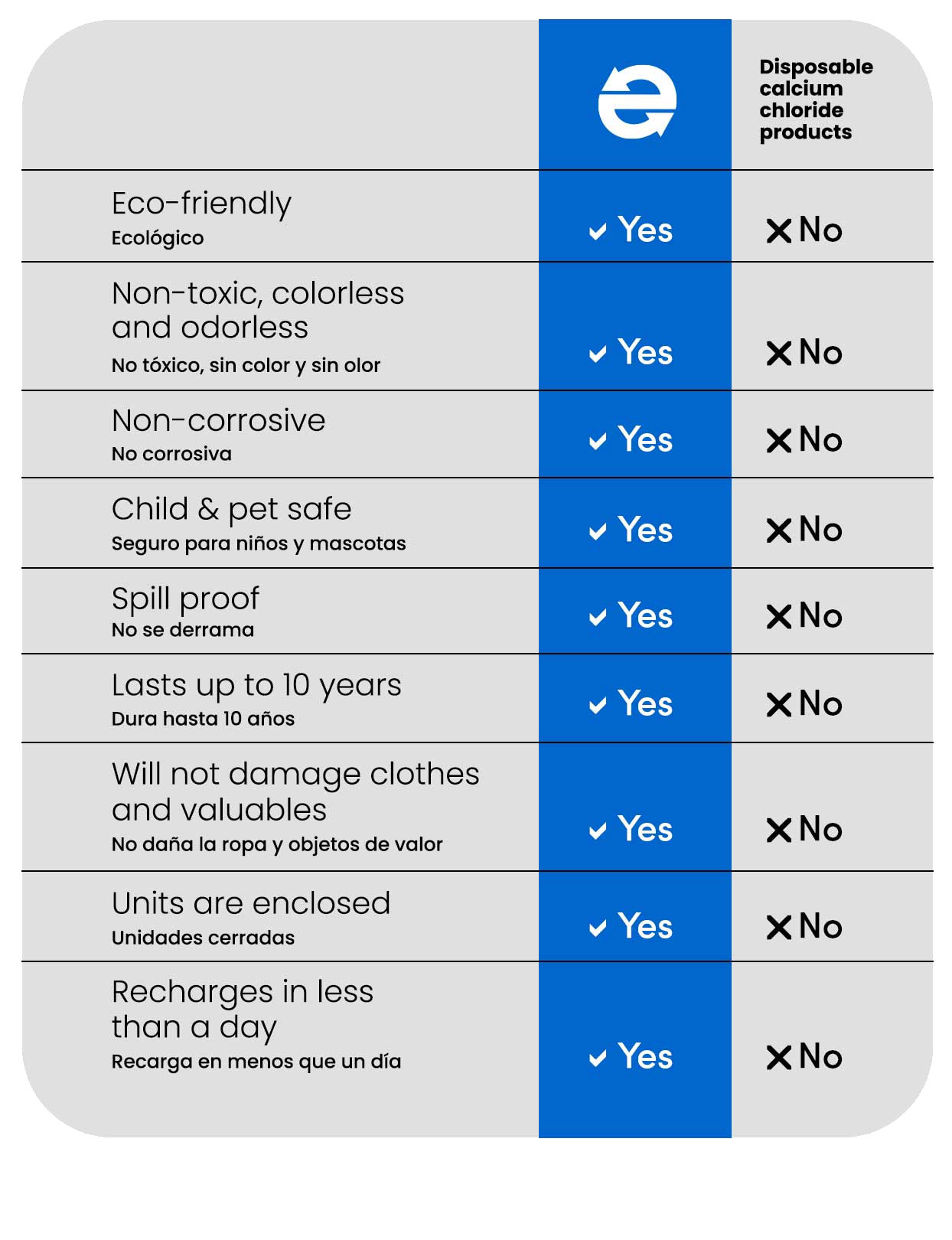
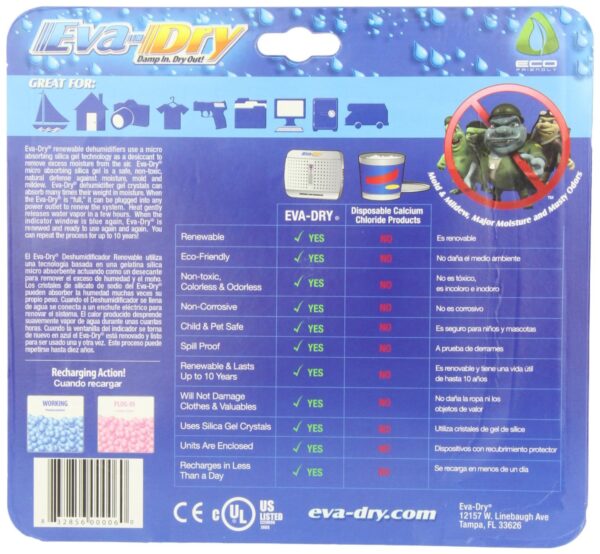
- Reusability. Silica gel can be renewed with heat. Calcium chloride is single-use for most home products.
- Capacity. Calcium chloride can take in 2 to 4 times its weight in water. Silica gel holds roughly 20 to 40 percent of its weight.
- Leak risk. Silica gel stays dry to the touch. Calcium chloride becomes brine and can leak if the container fails.
- Speed at high humidity. Calcium chloride is very fast above 60 percent RH. Silica gel is steady and safe, but slower.
- Placement. Silica gel is great inside sealed spaces near electronics and metals. Calcium chloride is great in closets, basements, and containers with lots of damp air.
These points frame the choice in renewable silica gel vs disposable calcium chloride for most users.

Performance deep dive
Capacity and speed
- Calcium chloride is a deliquescent salt. It keeps pulling water until it forms brine. It can absorb several times its weight. This is ideal for wet rooms and seasonal damp.
- Silica gel is a high-surface-area adsorbent. Typical consumer beads hold up to about one third their weight. That is plenty for tight spaces and steady control.
Temperature and humidity behavior
- Silica gel works best in warm to room temperatures. Capacity drops a bit as temperature rises, but it remains stable and clean.
- Calcium chloride works over a wide range and shines in cold, damp spaces. It will still form brine in a chilly garage.
Reactivation and shelf life
- Silica gel can be heated at low oven temps to drive off water. It can repeat this many times with little loss in capacity.
- Calcium chloride is not practical to regenerate at home. It needs energy to drive off water and careful handling to avoid fumes or splatter. That is why it is sold as disposable.
Corrosion and contamination
- Silica gel is benign when kept away from liquid water. It does not cause rust on its own.
- Calcium chloride brine can be corrosive to metals if it spills or wicks. Keep it away from tools, firearms, and electronics.
This technical picture is the heart of renewable silica gel vs disposable calcium chloride performance.

Total cost of ownership
Upfront cost vs ongoing cost
- Silica gel canisters cost more at first. But you can reuse them for years. If you already own an oven or a small dehydrator, reactivation is simple.
- Calcium chloride tubs or bags are cheap per unit. But you keep buying and discarding them.
A simple example
- A 200 square foot closet at 70 percent RH might fill a one-pound calcium chloride tub every 4 to 8 weeks. Over a year, that can be 6 to 12 tubs.
- One or two one-pound silica gel canisters can handle the same closet if the door stays closed. You would recharge them every few weeks and rotate them.
Energy and time
- Renewing silica gel takes low heat for a few hours. The energy cost is modest for small batches. A toaster oven or dehydrator on a safe surface works well.
- Calcium chloride needs no energy from you. You pay with your wallet and your trash can.
If you track both money and waste, renewable silica gel vs disposable calcium chloride favors silica gel for long-term, sealed spaces. Calcium chloride wins for fast bulk removal without effort.
Safety, health, and environmental impact
Household safety
- Silica gel is non-corrosive and non-reactive. Keep it away from babies and pets due to a choking risk. Avoid old blue indicating beads that used cobalt chloride.
- Calcium chloride brine can irritate skin and eyes. It can damage fabrics and corrode metals. Keep it upright and away from kids and pets.
Food and medical use
- Food-grade silica gel is common in medicine bottles and snack packs. Do not eat it. It is there to keep items dry.
- Calcium chloride is also used in food in tiny amounts, but the desiccant products include binders or fragrances. Do not use them near food unless the label says so.
Environmental notes
- Silica gel can be reused many times. That cuts waste. The main footprint is the energy you use to dry it.
- Calcium chloride creates salty liquid waste. You must dispose of it per the label. Do not pour brine on plants or metal drains.
For clean handling in small spaces, silica gel is a low-risk choice. For bulk moisture in a utility space, calcium chloride is fine if you control for spills. This contrast is central in renewable silica gel vs disposable calcium chloride decisions.

Where each one shines: real-world picks
I use both in my work and at home. Here is what I reach for and why.
Small sealed cases and cabinets
- Camera bags, lens lockers, gun safes, electronics drawers, and 3D printer filament bins.
- Pick silica gel. It keeps the space dry without leaks. Use indicator beads so you know when to recharge.
Closets and pantries
- If the space is sealed and you can rotate canisters, use silica gel.
- If the space is open and damp, a calcium chloride hanging bag can knock down moisture fast.
Basements, garages, and sheds
- For cold and damp spaces, calcium chloride is effective. Keep it in a sturdy tray. Check it often.
- If you store tools, keep silica gel nearby inside tool chests to protect metal from the calcium chloride brine risk.
RVs, boats, and cabins
- While moving, avoid liquid brine. Silica gel is safer on the go.
- When the vehicle is parked in humid seasons, calcium chloride can handle the bulk moisture. Place trays where spills will not cause damage.
Shipping and storage
- For sealed shipping crates or Pelican cases, use silica gel with indicator cards.
- For ocean containers or damp rooms, calcium chloride container desiccants are common. They collect liters of water during long trips.
These patterns cover most uses in renewable silica gel vs disposable calcium chloride choices.

Setup, regeneration, and care tips
How to size and place silica gel
- Use more than you think for faster control. It is safe to oversize.
- Spread canisters so air can flow. Do not block vents or pack them tight in a corner.
- Use indicator cards or beads so you know when to recharge.
How to regenerate silica gel
- Preheat an oven to a low setting per the product label. Many beads renew around 200 to 250°F.
- Place beads or canisters on a tray. Do not use paper towels. They can scorch.
- Heat for the time in the instructions. Let cool in a dry place. Store in a sealed jar.
How to use calcium chloride safely
- Keep products upright. Place them in a tray or bucket to catch leaks.
- Check fill lines weekly in wet seasons. Empty or replace before they overflow.
- Do not place over metal shelves or near fabrics. The brine can stain and corrode.
These steps keep both options safe and effective. They also make renewable silica gel vs disposable calcium chloride easy to manage day to day.

Measuring success: humidity targets and tools
Know your goal
- Most homes feel good near 45 to 55 percent relative humidity.
- Gun safes and camera cabinets do well near 35 to 45 percent.
- Filament storage likes 15 to 30 percent if possible.
Tools that help
- Use a small digital hygrometer in each space. They are cheap and clear.
- Use cobalt-free indicator silica gel. Orange-to-green types are safer to handle.
- Use indicator cards in sealed cases. They give instant feedback.
Right-sizing your setup
- If the RH drops slowly, add more silica gel or a second calcium chloride pack.
- If the RH bounces up and down, seal the space better. Leaks beat any desiccant.
- For big rooms, a plug-in dehumidifier may be better than any passive pack.
Monitoring turns guesswork into control. It also helps you tune renewable silica gel vs disposable calcium chloride for your exact space.
My hands-on lessons and mistakes to avoid
What worked for me
- In my gun safe, two metal-can silica gel units keep RH at 40 percent. I swap and bake them every three weeks.
- In a damp basement closet, one calcium chloride tub stopped mildew smell in two days. It filled in six weeks. I added a tray under it to be safe.
Mistakes I learned from
- I once used a hanging calcium chloride bag over a tool bench. It dripped and rusted a clamp. Never again over metal.
- I tried to sun-dry silica gel on a windowsill. It did not work. Heat it in an oven or a dehydrator as the label says.
Smart habits that save time
- Label silica gel canisters with the date you recharged them.
- Keep extra resealable jars for dry storage of spare silica gel.
- For calcium chloride, set a reminder to check and empty before it overflows.
These small steps make renewable silica gel vs disposable calcium chloride low stress and more effective.
Decision guide: choose the right tool for the job
Pick silica gel when
- You need dry, clean, and leak-free control.
- The space is sealed or small.
- You can bake and reuse the beads.
Pick calcium chloride when
- You face heavy, ongoing moisture in open or semi-open spaces.
- You want fast results with no setup.
- You can handle liquid waste and watch for leaks.
If your space is wet and open, calcium chloride is the bulldozer. If your space is small and sealed, silica gel is the scalpel. That is the core of renewable silica gel vs disposable calcium chloride.
Frequently Asked Questions of renewable silica gel vs disposable calcium chloride
Which removes more moisture overall?
Calcium chloride removes more moisture by weight and forms brine. Silica gel removes less, but it stays dry and is reusable.
Can I reuse calcium chloride at home?
No, not in a practical or safe way. Consumer products are designed for single use and disposal.
Is silica gel safe near electronics?
Yes, silica gel is ideal near electronics because it stays dry and does not leak. Keep it away from liquid water and check indicators.
Will calcium chloride cause rust?
The brine can corrode metals if it spills or wicks. Keep it away from tools and protect surfaces.
How often should I recharge silica gel?
Recharge when indicators change color or when RH rises above your target. For many spaces, that is every few weeks.
Can I mix both in one space?
Yes, but place calcium chloride low and away from items it could damage. Use silica gel inside sealed boxes or drawers.
What about odor control?
Neither is great for odors. Use activated carbon for smells and pair it with silica gel for dryness.
Are blue silica gel beads safe?
Old blue beads used cobalt chloride as the indicator. Choose modern orange-to-green beads instead.
Do I need a dehumidifier instead?
If the whole room is damp or you see condensation on walls, use a plug-in dehumidifier. Use silica gel or calcium chloride for smaller, targeted spaces.
How many times can I reuse silica gel?
Many can be regenerated dozens of times if you follow the heat limits on the label. Replace when beads break down or lose capacity.
Conclusion
Both options fight moisture well. Silica gel is clean, safe near valuables, and reusable for years. Calcium chloride pulls a lot of water fast, but it brings brine, spill risk, and ongoing cost. Match the tool to the space, and you will get better results with less hassle.
Act on it today. Pick one small space and set your target humidity. Try silica gel in a sealed box and a calcium chloride tub in a damp closet. Track the change for a week. If this helped, subscribe for more practical guides, or leave a comment with your setup so we can fine-tune it together.