

Rechargeable models save money and waste long term; disposables are simple, quick, and easy.
If you want a clear, friendly guide on rechargeable vs disposable moisture absorbers, you’re in the right place. I work with humidity control in real homes, garages, and RVs, and I’ve tested both styles for years. In this deep dive on rechargeable vs disposable moisture absorbers, I’ll show you what actually works, where, and why. Expect clear advice, real numbers, and tips you can use today.

How moisture absorbers work
Moisture absorbers pull water from the air and hold it in a safe place. They lower humidity and help stop mold, rust, musty smells, and damage to clothes or gear. This is handy in closets, cars, boats, basements, and storage bins.
Both types use desiccants. Silica gel grabs water and releases it when heated. Calcium chloride pulls a lot of water and turns into liquid brine. When we compare rechargeable vs disposable moisture absorbers, we are really comparing silica gel canisters or “wireless mini dehumidifiers” to tubs or bags that collect liquid.
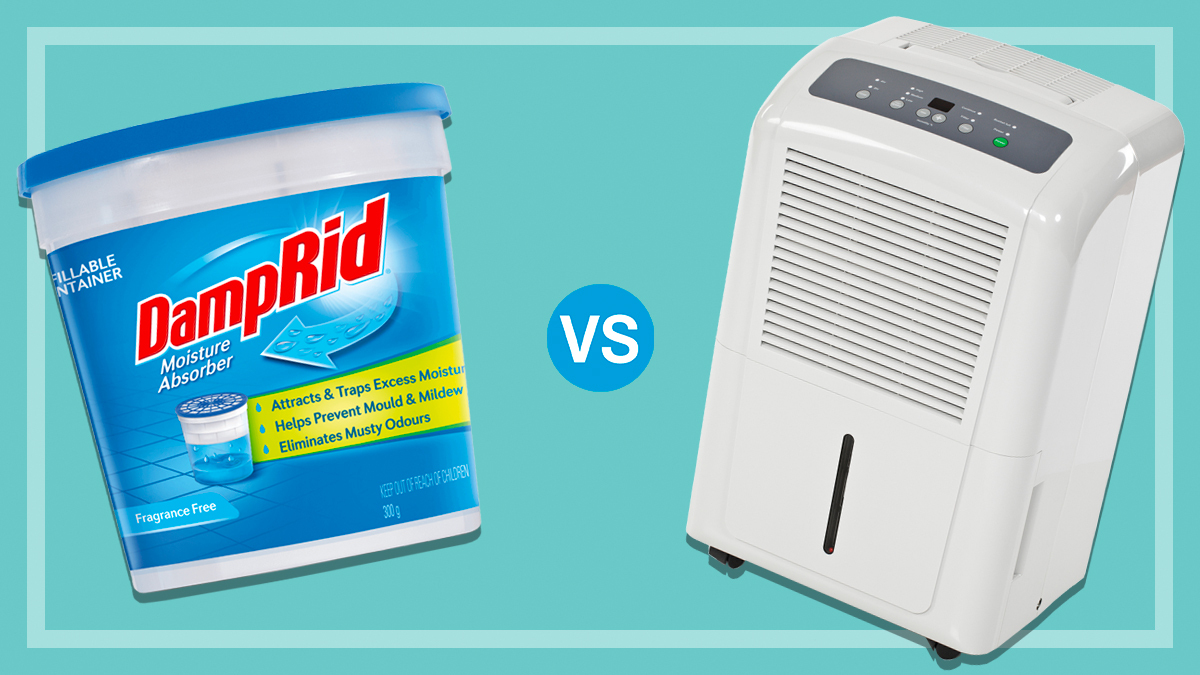
These tools reduce dampness, but they do not fix leaks or flood issues. For big, wet rooms, an electric dehumidifier is the better choice. For tight spaces or mild damp, rechargeable vs disposable moisture absorbers can be perfect.

What is a rechargeable moisture absorber?
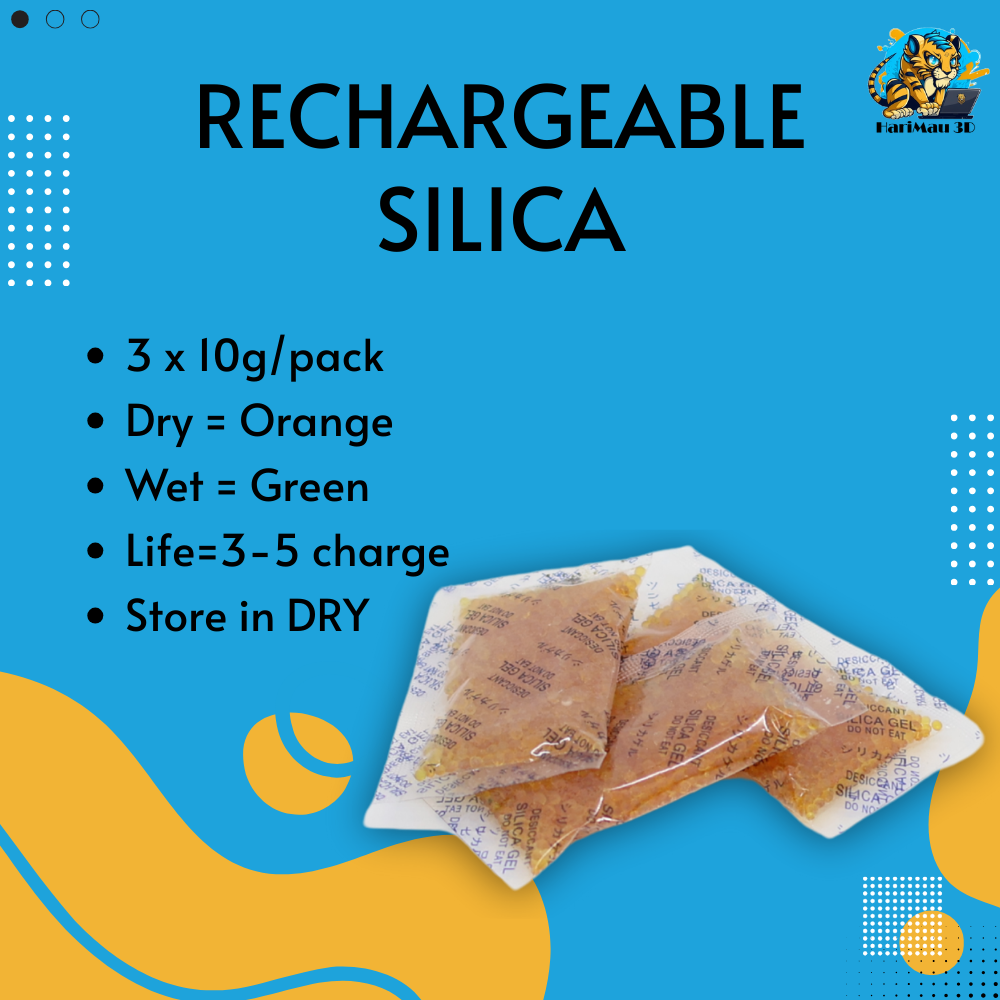
Rechargeable units use silica gel that changes color as it fills. When full, you plug the unit or dock it on a base to dry the beads with gentle heat. Then it is ready for another cycle.
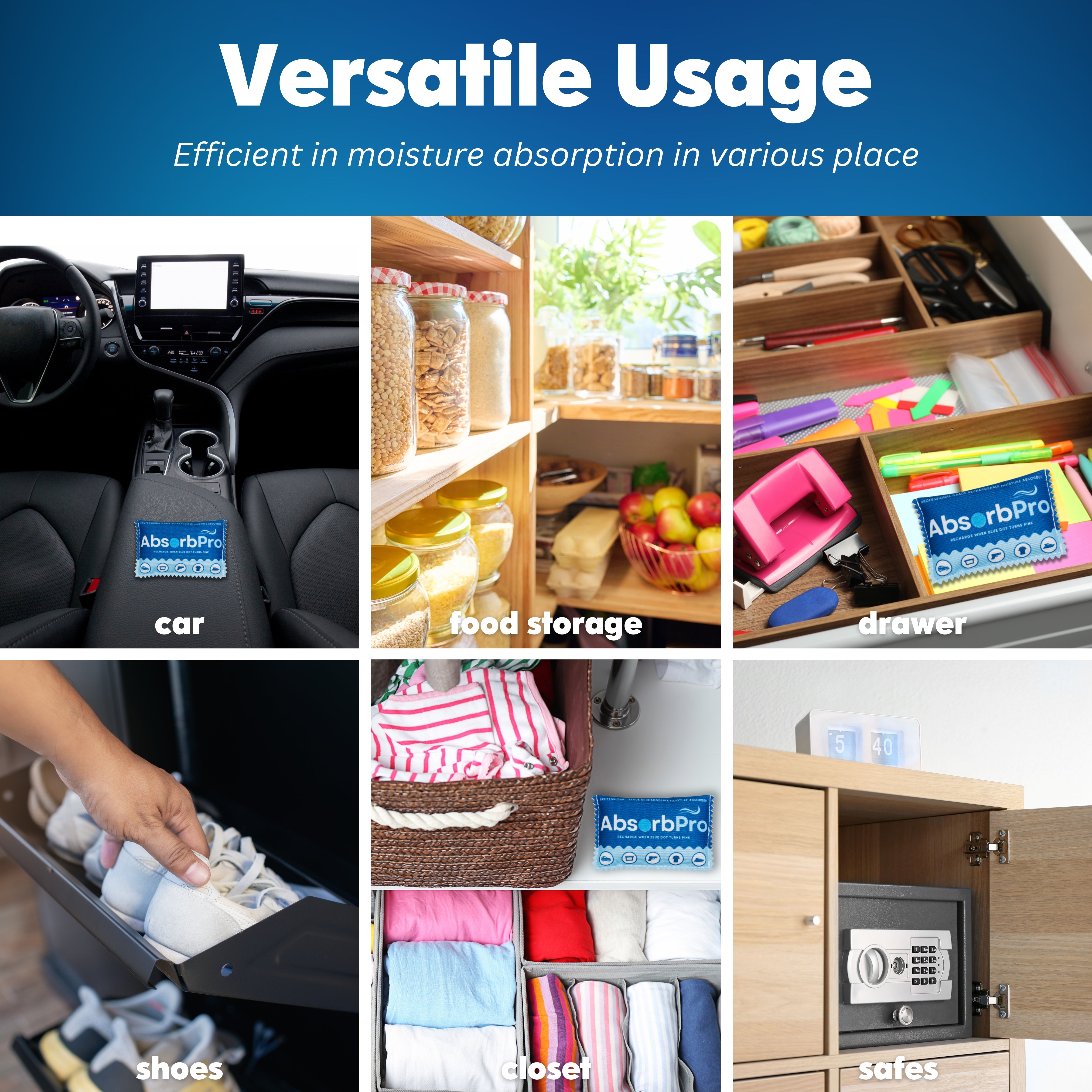
I use these in gun safes, pantries, and cars. They are neat and spill-free. They shine in small, sealed spaces. If you are weighing rechargeable vs disposable moisture absorbers for a closet, a rechargeable can run for weeks before it needs a quick recharge.
What is a disposable moisture absorber?
Disposable tubs or bags use calcium chloride. They work fast and pull a lot of water. The salt turns to liquid, which you toss when the tub fills. Some come scented. Many have refills.
I rely on these in damp basements and laundry rooms. They handle bigger moisture loads than most small rechargeables. If your space is leaky or open, disposable may win in the rechargeable vs disposable moisture absorbers debate for raw capacity.

Rechargeable vs disposable moisture absorbers: key differences at a glance
Choosing between rechargeable vs disposable moisture absorbers comes down to space, load, cost, and care. Here is a simple view.
- Capacity per cycle: Disposables pull more moisture per unit; rechargeables handle light to moderate loads.
- Mess and spills: Rechargeables do not create liquid; disposables create brine that can spill if bumped.
- Ongoing cost: Rechargeables cost more up front but pay off over time; disposables need steady refills.
- Effort: Disposables are set-and-forget for weeks; rechargeables need recharging every few weeks.
- Odor control: Disposables may include scent options; rechargeables are unscented and clean.
- Best spaces: Rechargeables for closets, safes, cars, cabinets; disposables for bathrooms, basements, RVs.
- Waste and eco: Rechargeables cut plastic waste; disposables create more trash and liquid waste.
From years of side-by-side use, this is the core trade-off in rechargeable vs disposable moisture absorbers: long-term value and no mess versus high capacity and lower effort.
Cost, waste, and energy over time
When I price out rechargeable vs disposable moisture absorbers for a full year, the math is clear. A good rechargeable unit might cost more up front, but it lasts for years. The power to dry the beads costs only a few cents per recharge. Over a year, many users spend a few dollars on energy, total.
Disposable tubs cost less to start but need refills. If you replace a tub every month or two, the yearly cost adds up. You also toss plastic, liners, and salty liquid. If cutting waste matters, rechargeable vs disposable moisture absorbers favors the rechargeable path.
In my test home, one rechargeable covered a small walk-in closet all year with three to four recharges. The disposable tub I tried in the same closet was overkill, and I threw away brine and plastic I did not need.

Performance by space and climate
Your space and climate decide most of the rechargeable vs disposable moisture absorbers choice. Think match, not brand.
- Small sealed spaces: Rechargeables excel in safes, drawers, and gear bins. They prevent musty smells.
- Damp open rooms: Disposables work better where air moves or leaks in. They pull more water fast.
- Cold garages or sheds: Disposables resist cold better. Rechargeable silica still works, but slowly.
- RVs and boats: I mix both. Rechargeables for cabinets, disposables for the head or galley.
- Seasonal storage: Rechargeables shine for bins and totes. They keep gear dry without puddles.
Independent tests and maker data agree: capacity per cycle favors calcium chloride. But steady humidity control in small areas favors silica. That is the heart of rechargeable vs disposable moisture absorbers in practice.

Safety, maintenance, and environmental impact
Safety matters, especially with kids and pets. Disposables use brine that can irritate skin and corrode metal. Keep tubs upright and out of reach. Empty and rinse with care. Avoid contact with wood, leather, or tools.
Rechargeables warm up during recharging. Place them on a stable, heat-safe surface. Let them cool before use. They do not produce liquid, so they are tidy in high shelves or near fabrics.
From a green angle, rechargeable vs disposable moisture absorbers favors rechargeables. Less plastic waste. Less liquid waste. Energy use for recharging is low. Disposables are still fine when you need high capacity, but plan to recycle what you can and dispose of brine per local rules.

How to choose: a simple decision guide
Use this quick path to pick between rechargeable vs disposable moisture absorbers.
- If the space is small and sealed, choose rechargeable.
- If the space is large, damp, or drafty, choose disposable.
- If you want less waste and lower long-term cost, choose rechargeable.
- If you want long intervals with no tasks, choose disposable.
- If you fear spills near fabrics or electronics, choose rechargeable.
- If you need scent and fast pull in a bathroom, choose disposable.
- If mold is severe or the room is wet, consider a powered dehumidifier first.
Real talk: In my home, I run a blend. That mix wins the daily battle of rechargeable vs disposable moisture absorbers without stress.
Setup tips and mistakes to avoid
I learned these the hard way, so you do not have to. They apply to both sides of the rechargeable vs disposable moisture absorbers choice.
- Do not block airflow. Place the unit where air can move around it.
- Check often at first. Learn how fast your space fills a unit.
- Use a simple hygrometer. Aim for 40–55% relative humidity.
- Do not ignore leaks. Fix water entry or pooling before any absorber.
- For rechargeables, fully dry the beads. Half-dried beads work poorly.
- For disposables, secure the tub on a tray. Spills happen on busy shelves.
- Label the start date. It helps you plan the next recharge or refill.
Small habits like these make rechargeable vs disposable moisture absorbers work better with less effort.
Frequently Asked Questions of rechargeable vs disposable moisture absorbers
Are moisture absorbers the same as dehumidifiers?
No. Absorbers are passive and use salts or silica. Dehumidifiers are electric machines that pull more water and suit big rooms.
How long do rechargeable units last?
A quality rechargeable can last for years with proper care. You only need to recharge the beads when the color indicator says full.
Can I use both types in one room?
Yes, and it can work well. Use a rechargeable in a closet and a disposable in the attached bathroom.
Are disposables safe around pets?
Keep them out of reach. The brine can irritate skin and is not safe to ingest.
Will these stop mold completely?
They lower moisture, which helps a lot. But you still need airflow, cleaning, and leak fixes.
Conclusion
You now have a clear view of rechargeable vs disposable moisture absorbers. Rechargeables cut waste, save money, and prevent spills in small spaces. Disposables pull more water with less effort in damp rooms.
Pick based on space size, airflow, and how much moisture you face. Start small, measure results, and adjust. Try one rechargeable in your closet and one disposable in your bathroom this week. Then share your results, subscribe for more home tips, and keep your space dry with smart choices.