

Keep rain out, dry air in, and stop moisture at every source.
If you want your home to feel fresh and safe during heavy rains, you need a plan. I help families build that plan with practical steps that work in the real world. In this guide, I break down rainy season moisture control from roof to foundation. You will learn clear methods, tools, and checks that stop mold, musty odors, and damage before they start.
What changes during the rainy season
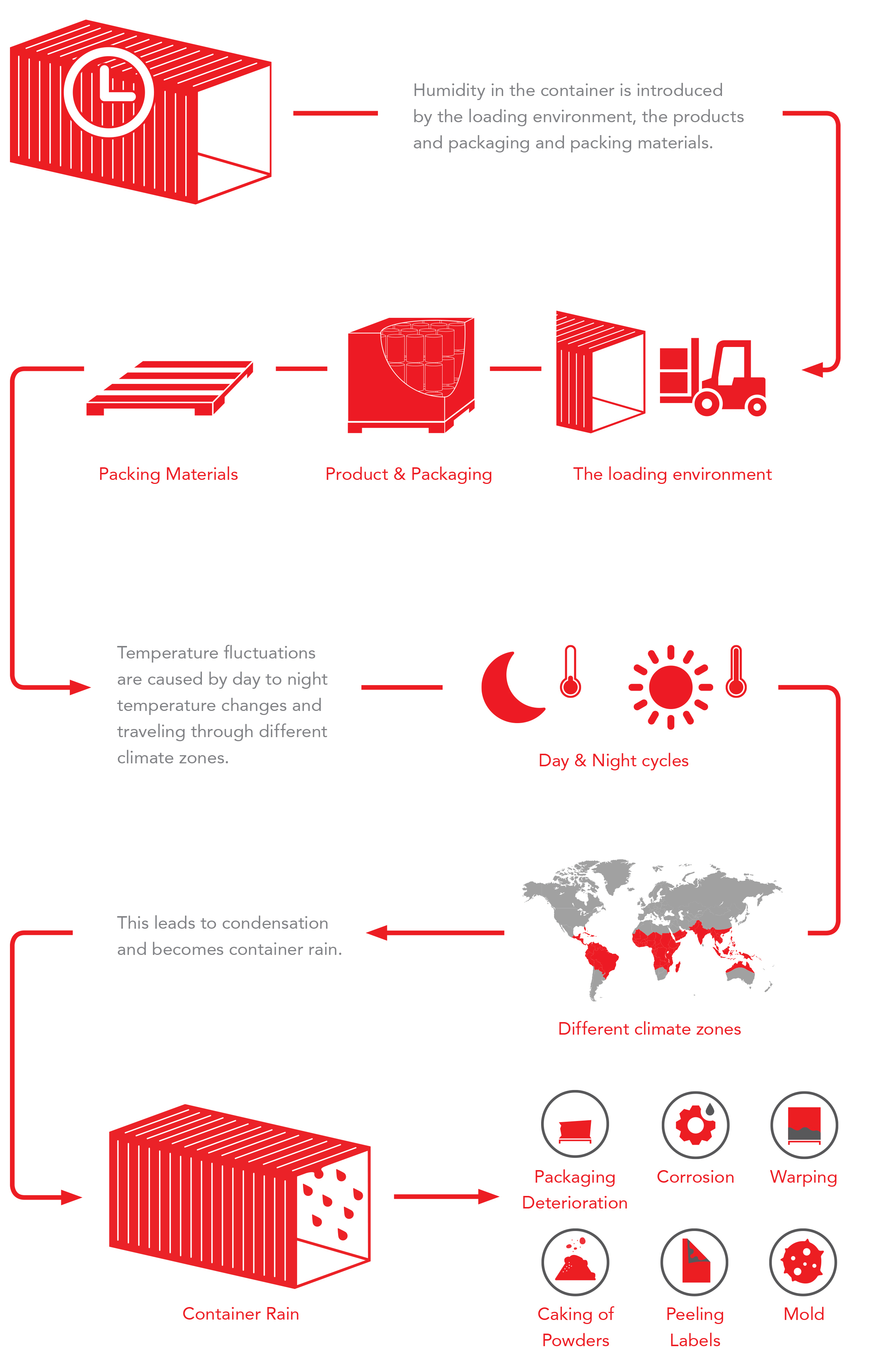
Warm, wet air meets cool surfaces and water sneaks into tiny gaps. That is why you see foggy windows, damp corners, and musty smells. Rain brings roof leaks, gutter overflows, and soil that pushes water into basements and crawl spaces.
Rainy season moisture control starts with understanding this path. Moisture moves by bulk water leaks, air leaks, and vapor diffusion. Stop the first two, manage the third, and you win most battles. Keep indoor relative humidity near 40 to 50 percent, and you cut mold risk a lot.
Why excess moisture is a big deal
Moist air is not just a comfort issue. It can hurt your home and your health. It feeds mold, dust mites, and bacteria. It can rot wood, rust metal, and peel paint.
I have seen drywall crumble after a season of hidden dampness. I have seen floors cup and cabinets swell. Rainy season moisture control prevents costly repairs, protects indoor air quality, and keeps energy costs stable.

Check your home before the first storm
A simple walk-around can save your season. Take notes and photos. Fix small things fast.
Use this short checklist:
- Roof and flashing Look for missing shingles, cracked seals, and gaps around vents.
- Gutters and downspouts Clean leaves. Confirm downspouts send water at least six feet away.
- Grading Make sure the soil slopes away from the house on all sides.
- Windows and doors Inspect caulk and weatherstrips. Replace brittle or missing parts.
- Foundation and basement Check for hairline cracks, white crust (efflorescence), or damp spots.
- HVAC and filters Service your system. Use clean filters to boost airflow and dehumidification.
- Hygrometer and moisture meter Place a hygrometer on each floor. Spot-check suspect areas with a meter.
Rainy season moisture control begins with data. Track humidity and look for patterns after storms.

Core strategies for rainy season moisture control
Think of moisture like a three-layer defense. Keep water out. Vent what you can. Remove what remains.
Do these first:
- Keep water out Fix roof leaks, seal flashing, and maintain gutters.
- Control air leaks Weatherstrip doors. Seal attic and rim joist gaps with foam.
- Add controlled ventilation Use exhaust fans in baths and kitchens. Vent dryers outside.
- Dehumidify Target 40 to 50 percent RH. Use a compressor unit for basements and main floors.
- Manage sources Hang wet clothes outside the living space. Cover pots while cooking.
From my field work, tackling the outside and air leaks cuts the need for big dehumidifiers. It makes the rest easier.
The building envelope: seal, drain, and breathe
The envelope is your shell. It decides how rain, air, and vapor behave. A tight, well-drained, well-vented shell wins.
Best practices:
- Roof and attic Keep intake vents clear at the eaves. Balance with ridge or roof vents.
- Walls Use quality exterior caulk around trims and penetrations. Choose the right paint for your climate.
- Foundation Add a perimeter drain if water pressure is high. Use a sump pump with a battery backup.
- Vapor control In cool climates, use warm-side vapor retarders. In hot-humid zones, favor drying to the inside.
Rainy season moisture control is about directing water away and letting safe drying happen on purpose, not by chance.
Room-by-room rainy season moisture control
Each space has special needs. Tackle rooms based on risk and use.
Basement or crawl space:
- Seal rim joists with foam and caulk.
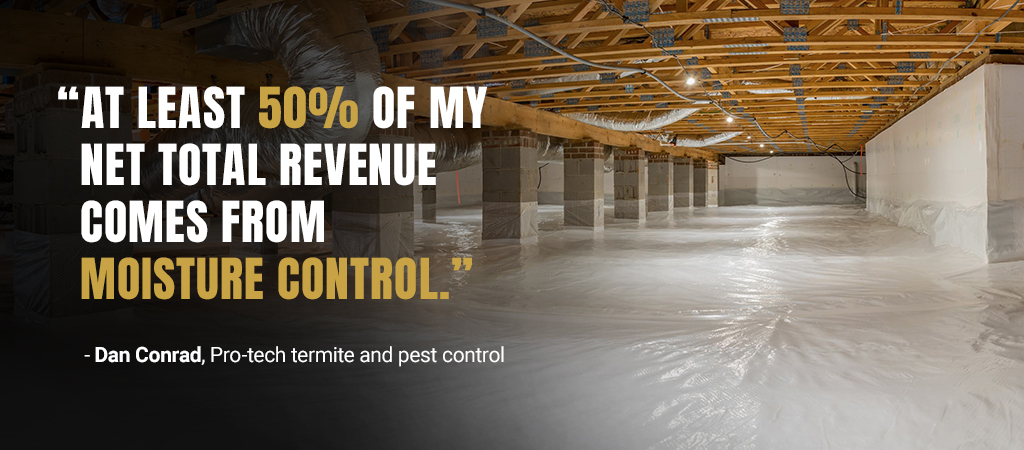
- Line crawl spaces with a vapor barrier. Tape seams and seal to walls.
- Run a basin-rated dehumidifier to 50 percent RH. Drain to a sump.
Kitchen:
- Use a range hood that vents outside. Run it during and 10 minutes after cooking.
- Cover pots. Fix plumbing leaks at once.
Bathrooms:
- Use a 1 cfm per square foot exhaust fan. Run it for 20 minutes after showers.
- Squeegee walls and doors to cut moisture load.
Bedrooms and closets:
- Keep furniture off exterior walls by a couple of inches.
- Leave closet doors open a bit for airflow.
Laundry:
- Vent the dryer outside. Clean the lint path.
- Avoid drying clothes indoors during wet spells.
These steps make rainy season moisture control practical day to day.

Smart devices, meters, and monitoring
What you measure, you can manage. Simple tools help you stay ahead.
Helpful tools:
- Hygrometers Place one on each level. Aim for 40 to 50 percent RH.
- Temperature and dew point sensors These show when surfaces will sweat.
- Smart plugs Schedule dehumidifiers. Use energy data to fine-tune run time.
- Water leak sensors Put them near water heaters, sinks, and sump pumps.
- Data logs Track changes during storms. Adjust fans and set points with proof.
I check logs after big rains. If RH spikes at night, I add a short fan cycle or raise dehumidifier fan speed.
Materials, coatings, and products that work
Good materials handle wet weather better. Choose items that dry fast and resist mold.
Consider:
- Mold-resistant drywall For baths and basements.
- Closed-cell foam In rim joists and small cavities that face wind-driven rain.
- Elastomeric exterior coatings On stucco or masonry with cracks.
- High-build sealants Around windows and penetrations.
- Breathable interior paints In humid rooms to allow safe drying.
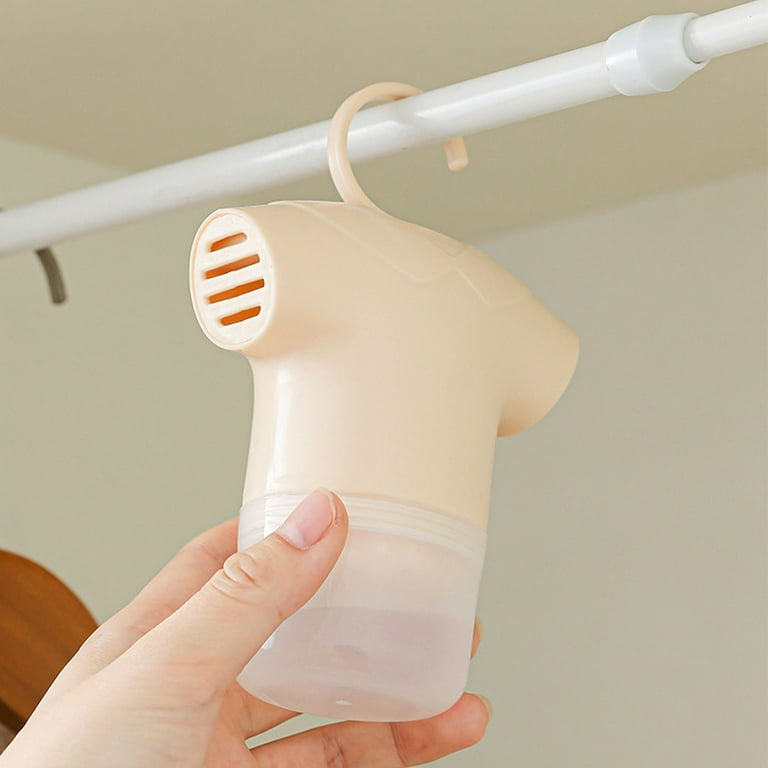
- Desiccant packs For closets, cabinets, and storage bins.
Match products to climate. Rainy season moisture control improves when materials support drying paths, not block them.

Outdoor grading and landscape tips
Your yard is part of the system. It can bring water to your house or move it away.
Do this:
- Slope the soil Drop the grade at least six inches over the first ten feet.
- Extend downspouts Use solid leaders or splash blocks. Avoid flexible pipes that clog.
- French drains Install where water pools. Wrap with fabric to prevent silt.
- Hardscape pitch Patios and walks should slope away from the house.
- Planting beds Keep mulch a few inches below siding. Leave a gap for drying.
These steps take pressure off the foundation. Rainy season moisture control starts outside, before water hits the wall.
Mold prevention, cleanup, and health notes
Mold needs food, moisture, and time. Remove one, and it fails. Keep surfaces clean and dry. Use HEPA vacuums where dust builds.
For small spots under 10 square feet:
- Wear gloves and a mask.
- Fix the leak first.
- Clean hard surfaces with gentle detergent and water. Dry fast.
- Toss porous items that stayed wet more than 48 hours.
If growth is large or hidden inside walls, hire a pro. Rainy season moisture control reduces mold risk, but fast action is key when you see it.
Budget, ROI, and cost-saving moves
You do not need to spend a lot to see gains. Start with low-cost fixes. Upgrade as you go.
High-value moves:
- Clean gutters and add downspout extensions Low cost, big impact.
- Weatherstrip doors and windows Cuts drafts and moisture entry.
- Add bath and kitchen timers Keeps fans running long enough.
- Buy one solid dehumidifier Size it for the largest space.
- Seal rim joists Improves comfort and moisture control.
Bigger projects like drain tiles or crawl space encapsulation pay off in tough sites. Plan them if water pressure is high.
Common mistakes and my field lessons
I have made some of these mistakes. My clients have too. Learn from them.
Avoid these:
- Running a dehumidifier with windows open You pull in more wet air.
- Skipping source control Fix leaks first. Gadgets come second.
- Using interior vapor barriers in the wrong climate They can trap moisture.
- Venting a dryer into a garage or crawl space It spikes humidity and lint.
- Ignoring attic ventilation It drives condensation on cold nails and rafters.
The best rainy season moisture control is simple, steady, and measured. Small habits beat one-time fixes.
A simple 7-day action plan
Day 1:
- Walk the outside. Clear gutters. Add downspout extensions.
Day 2:
- Caulk around windows and doors. Replace weatherstrips.
Day 3:
- Test bath and kitchen fans. Add timers. Clean grilles.
Day 4:
- Seal obvious attic and rim joist gaps with foam and caulk.
Day 5:
- Place hygrometers on each floor. Set dehumidifier to 50 percent.
Day 6:
- Check grading. Add soil to slope away or plan drains.
Day 7:
- Review data after a rain. Adjust fan run time and set points.
Repeat checks after big storms. Rainy season moisture control is a cycle, not a set-and-forget task.
Frequently Asked Questions of rainy season moisture control
What is the ideal indoor humidity during the rainy season?
Aim for 40 to 50 percent relative humidity. This range balances comfort, mold prevention, and energy use.
Should I run a dehumidifier all day when it rains?
Start with a target set point and let it cycle. If RH stays high, extend run time or add a second unit for large spaces.
How do I stop condensation on windows?
Lower indoor humidity and raise surface temperature. Use exhaust fans, fix air leaks, and open blinds to let warm air wash the glass.
Is a vapor barrier always a good idea?
Not always. The right location depends on your climate and wall design, so place it where it supports drying, not traps moisture.
Why does my basement smell musty after storms?
Moist air and cool surfaces feed mold spores. Improve drainage, seal rim joists, and run a dehumidifier to keep RH near 50 percent.
Do houseplants raise humidity too much?
A few plants are fine. Large indoor gardens can raise humidity, so balance with ventilation and dehumidification.
Can ceiling fans help with moisture control?
Fans do not remove moisture. They mix air and dry surfaces faster, which helps, but you still need exhaust or a dehumidifier.
Conclusion
You can stay ahead of the wet season with a clear plan and steady habits. Block leaks, vent smart, and remove extra moisture with simple tools. Track humidity, fix small issues fast, and let your home breathe on purpose.
Start today with the 7-day action plan. Try one upgrade each week until your space feels dry and clean. If this guide helped, subscribe for more home tips, share it with a friend, or leave a question so I can help you solve your specific rainy season moisture control challenge.