

Professional moisture control solutions stop water, reduce humidity, and prevent mold and damage.
If moisture keeps coming back, this guide is for you. I work with buildings every day, and I’ve seen what works and what fails. In this article, I break down professional moisture control solutions in plain English. You will learn how they work, why they matter, and how to pick the right plan for your home or business.

Why Moisture Matters: Sources, Risks, and Early Signs
Moisture is sneaky. It rides in with rain, ground water, and warm air. It also forms inside through showers, cooking, leaks, and poor airflow. The result is wet surfaces and stale air.
Common sources include:
- Roof or wall leaks after storms
- Condensation on windows, pipes, and ducts
- Ground moisture wicking into slabs or crawl spaces
- High indoor humidity from poor ventilation or HVAC issues
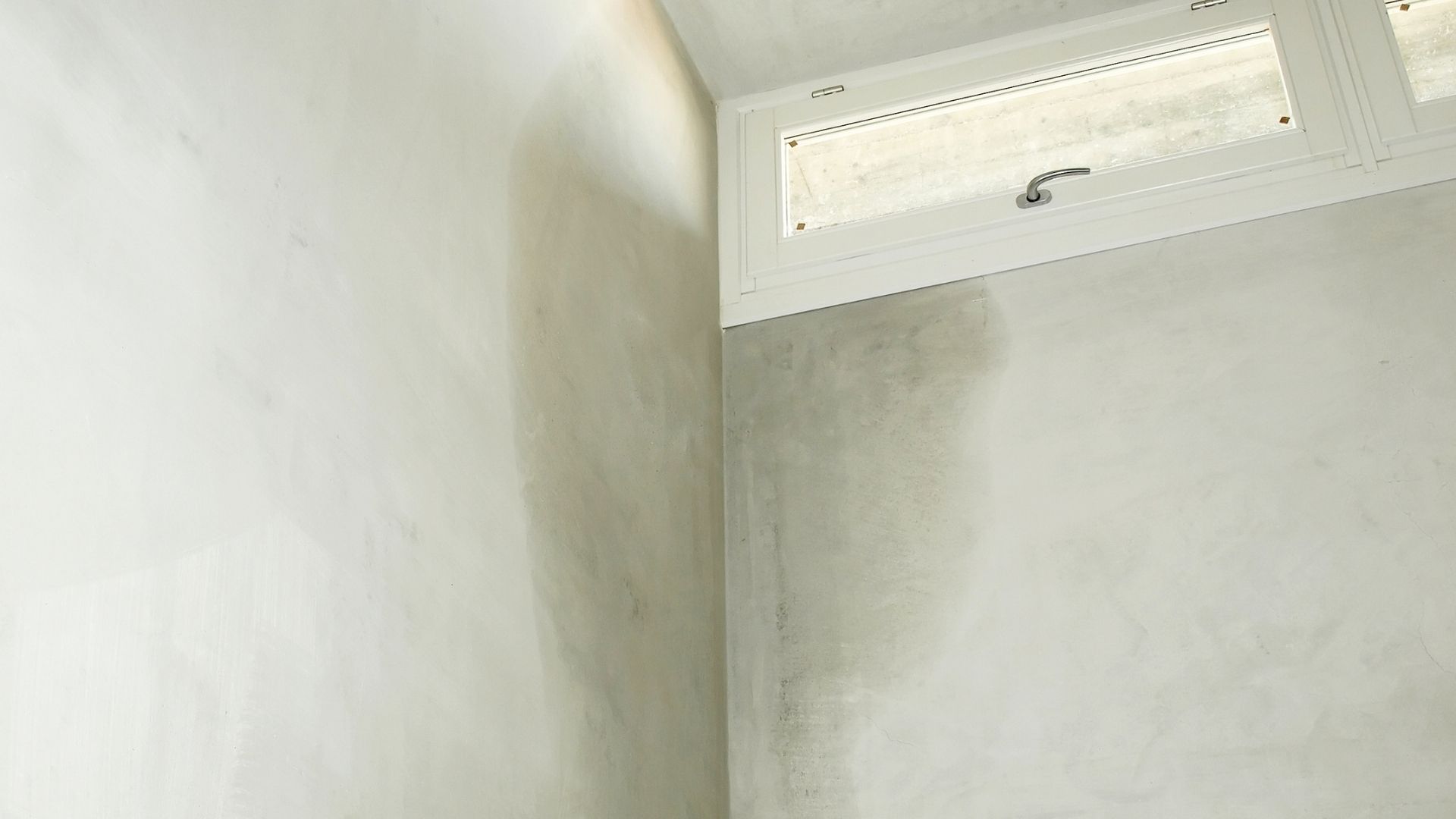
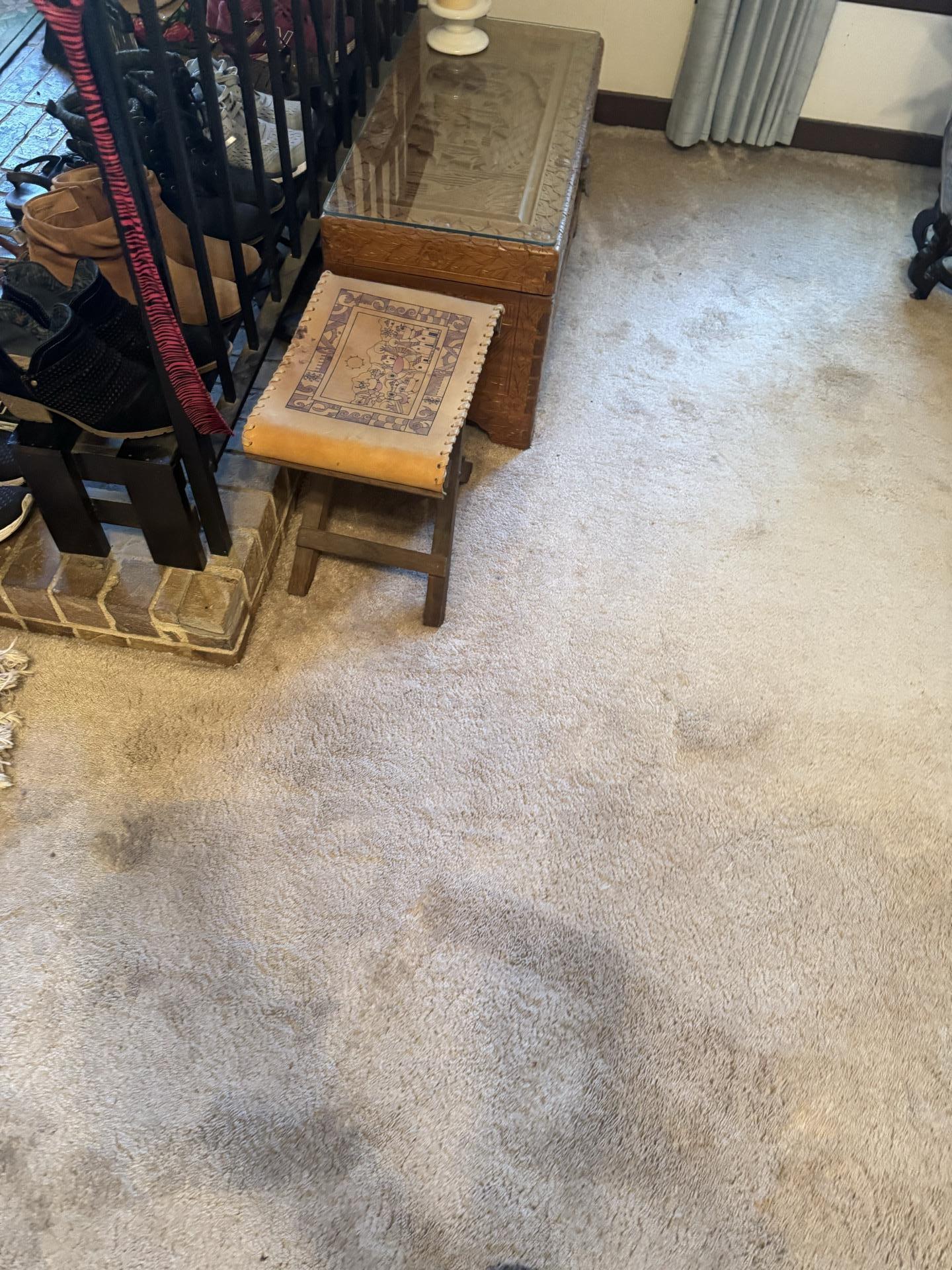
The risks are real. Moisture feeds mold, swells wood, rusts steel, and ruins finishes. It can also lower indoor air quality and make allergies worse. Early signs are musty smells, peeling paint, stains, or warped floors. Professional moisture control solutions target causes, not just symptoms.

Core Principles Behind Professional Moisture Control Solutions
Moisture control is simple in theory and detailed in practice. The principles never change. Keep water out. Dry what gets in. Control humidity and airflow.
Pros build plans around a few rules:
- Stop bulk water first with drainage, flashing, and sealants
- Control capillary flow with proper materials and breaks
- Manage air pressure to reduce moist air leaks
- Keep surfaces above the dew point to avoid condensation
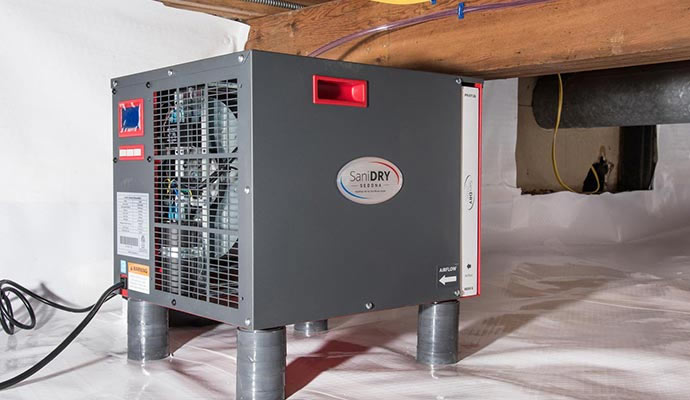
- Ventilate and dehumidify to hold healthy indoor humidity
When done right, professional moisture control solutions protect the building and the people in it. They also save energy and extend the life of your space.
How Pros Diagnose Moisture Problems
A good fix starts with a good assessment. I start with a walk-through and questions. Then I test and measure. Data beats guesswork.
Tools often include:
- Moisture meters for wood, drywall, and concrete
- Hygrometers and data loggers to track humidity and dew point
- Infrared cameras to spot cold spots and hidden wet areas
- Blower-door and duct tests to find air leaks
- Video scopes to inspect cavities and drains
A solid plan maps where moisture comes from, how it moves, and when it peaks. I once logged humidity every 15 minutes for a week in a bakery. The issue was not the mixer. It was warm, moist air hitting a cold wall at 5 a.m. Professional moisture control solutions fixed it with insulation, air sealing, and a small dehumidifier on a timer.
Proven Solutions That Work
Professional moisture control solutions blend barriers, airflow, and drainage. The best plans match your building and climate. They also respect budgets and timelines.
Building Envelope Fixes
- Repair flashing at roofs, windows, and doors
- Seal penetrations and joints with the right sealant
- Add weather-resistant barriers and proper cladding gaps
- Use vapor retarders in the right location for your climate
HVAC and Dehumidification
- Balance ventilation and exhaust to manage indoor humidity
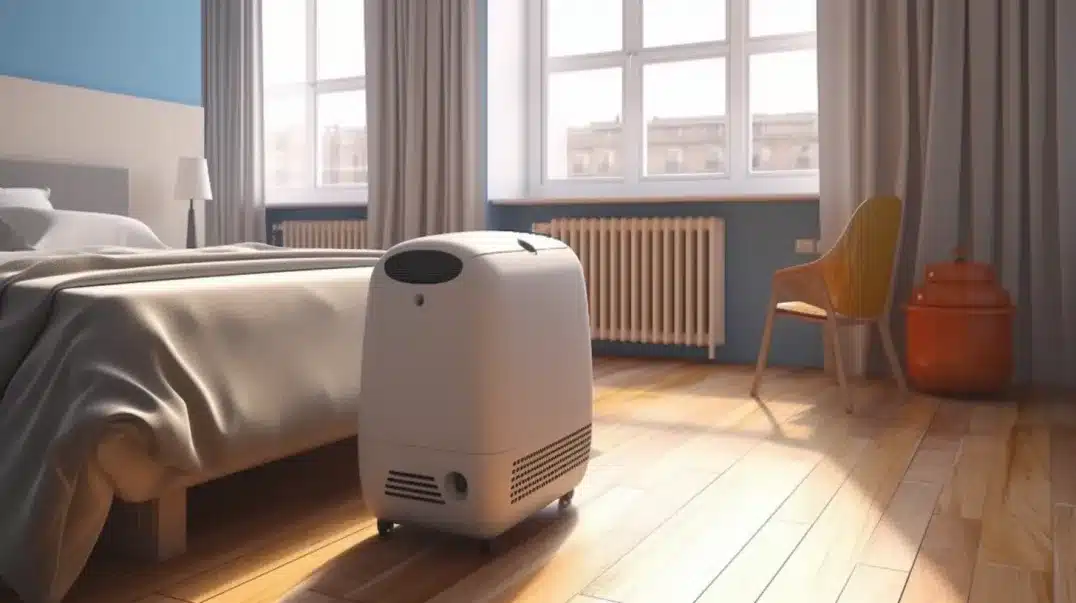
- Add whole-home or commercial dehumidifiers when needed
- Insulate and seal ductwork to avoid condensation
- Keep supply air temperatures and flows within design limits
Groundwater and Drainage
- Grade soil to slope away from the building
- Install gutters and downspout extensions
- Add French drains or interior perimeter drains
- Encapsulate crawl spaces with sealed liners and sump pumps
Interior Materials and Finishes
- Choose mold-resistant drywall in wet areas
- Use low-permeance flooring products over slabs with vapor issues
- Add capillary breaks between slabs and finishes
- Allow drying paths with ventilated assemblies
Mold Remediation and Safety
- Isolate work zones and use negative air
- Remove and discard porous, moldy materials
- Clean and dry all surfaces before rebuild
- Verify with moisture testing before closing walls
These steps form a system. Professional moisture control solutions connect the parts so the building can breathe, drain, and stay dry.
Home, Commercial, and Industrial Considerations
Homes need comfort, quiet fixes, and lasting value. Common targets are basements, crawl spaces, and bathrooms. Good attic venting and air sealing help a lot.
Commercial spaces face higher loads and complex systems. Think gyms, restaurants, and retail. Controls must be stable and easy to maintain. Server rooms and archives need tight humidity windows.
Industrial sites have process moisture. Food plants, breweries, and pools often need advanced dehumidification and sealed finishes. Professional moisture control solutions scale to these demands without harming energy goals.
Costs, ROI, and Energy Savings
Costs vary by scope. Simple sealing and gutters can be low cost. Drainage, encapsulation, or HVAC upgrades cost more. The right plan looks at risk, life cycle, and energy.
Budget ranges you may see:
- Sealants and minor repairs: low
- Gutter, grading, and drainage tune-ups: low to mid
- Crawl space encapsulation or slab mitigation: mid
- Whole-building dehumidification or HVAC fixes: mid to high
Savings show up in fewer repairs, less mold, and better energy use. Lower indoor humidity reduces latent loads and improves comfort. Professional moisture control solutions often pay back by preventing big failures later.
DIY vs Hiring Experts
Some tasks are simple. You can add downspout extensions, run bath fans, and seal small gaps. You can also monitor humidity with a simple meter.
Call pros when you see:
- Recurring leaks or musty smells
- Visible mold, warped floors, or staining
- Condensation on ducts, windows, or inside walls
- High humidity that does not respond to basic steps
Professional moisture control solutions bring testing, design, and safety. They also give you a clear scope and warranty.

Step-by-Step Implementation Plan
Use this roadmap to stay on track:
- Confirm the problem with measurements and photos
- Set clear goals for humidity, temperature, and moisture levels
- Fix bulk water issues and drainage first
- Seal air leaks and correct insulation
- Right-size ventilation and dehumidification
- Choose materials that can dry and resist moisture
- Verify with tests and a short monitoring period
- Set a maintenance plan and train users
This order reduces risk and cost. Professional moisture control solutions work best when steps build on each other.
Maintenance and Monitoring
Moisture control is not set-and-forget. You need checks. You also need fast alerts when something shifts.
Make it routine:
- Check gutters, slopes, and drains each season
- Inspect sealants, flashing, and vents yearly
- Replace filters and clean coils on schedule
- Log indoor humidity and temperature
Smart sensors help catch trends before you see damage. Professional moisture control solutions that include monitoring keep the gains you paid for.
Real-World Examples and Lessons Learned
Basement win: A split-level home had a musty smell each spring. We added grading, downspout extensions, and a sealed crawl space liner with a small dehumidifier. Indoor humidity dropped from 68 percent to 50 percent. Odor vanished in two weeks.
Office fix: A corner suite had dripping supply diffusers. We balanced airflow, raised supply air temperature slightly, and insulated the duct run. We also sealed a leaky window. Complaints stopped, and ceiling tiles stayed dry.
Across projects, the lesson is clear. Professional moisture control solutions work when they are complete, measured, and maintained.
Frequently Asked Questions of professional moisture control solutions
What are professional moisture control solutions?
They are planned steps to block water, manage humidity, and help materials dry. The work often blends drainage, air sealing, insulation, and dehumidification.
How do I know if I need a professional assessment?
If you see recurring stains, musty smells, or high humidity, get help. Testing finds causes that surface checks miss.
Will a dehumidifier alone solve my problem?
Often no. It helps symptoms, but you still need to stop water entry and air leaks. A full plan lasts longer and costs less over time.
How long do fixes usually take?
Small repairs can finish in a day. Large projects like encapsulation or drainage upgrades may take a few days to a week.
Are these solutions energy efficient?
Yes, when designed well. Better sealing and humidity control can cut energy waste and improve comfort.
Can I prevent mold without major work?
Sometimes. Fix leaks fast, vent baths and kitchens, and keep humidity near 45 to 50 percent. If mold returns, call a pro.
Do these methods work in humid climates?
Yes, but the design changes. You may need more dehumidification, careful placement of vapor retarders, and strong air sealing.
Conclusion
Moisture does not have to win. With the right testing, a clear plan, and steady care, you can keep spaces dry, healthy, and efficient. Professional moisture control solutions bring structure and proof to a problem that often feels random.
Start small today. Measure humidity, run exhaust fans, and fix obvious leaks. Then plan the next steps. If you want a tailored roadmap, reach out, ask questions, and compare options. Subscribe for more tips, or share your challenge in the comments so we can help.