

Stop leaks fast, add airflow, and use barriers to keep cabinets dry.
If you’ve ever opened a vanity and caught that damp, musty smell, you know the stress. I’ve spent years fixing soggy sink bases in homes old and new. This guide walks you through preventing moisture under sinks with clear steps, smart upgrades, and real-life tips. By the end, you’ll have a simple plan that keeps your cabinets dry, healthy, and mold-free.
Why moisture builds up under sinks
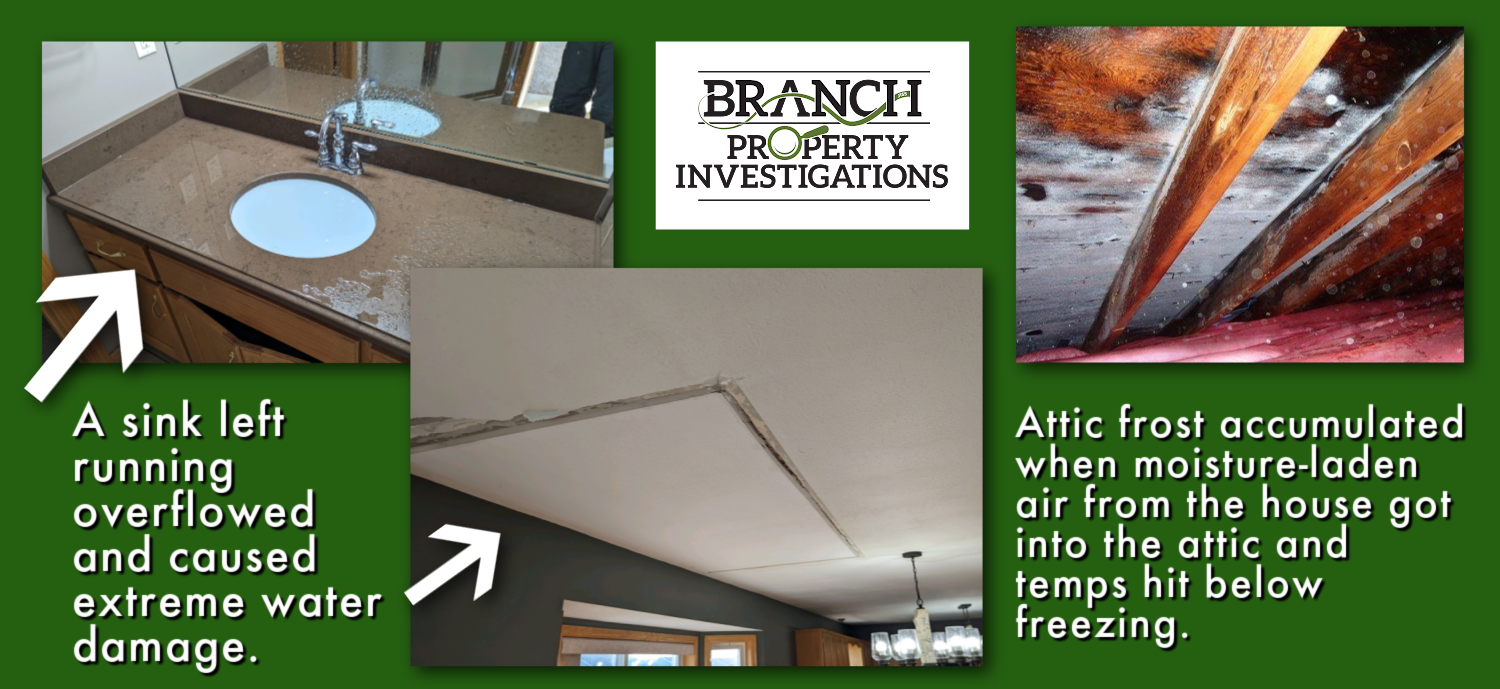
Moisture under a sink comes from three main sources: leaks, condensation, and spills. Small drips from supply lines, P-traps, or faucets can soak wood over time. Cold water pipes can sweat when warm, humid air hits them. Spills from cleaners and soap add to the mess if they never dry.
In my inspections, pinhole leaks and loose compression fittings were the top causes. Loose caulk around sink rims also lets water run down into the cabinet. Preventing moisture under sinks starts by finding which source you have and fixing it fast.

Signs and risks to watch for
You can spot trouble early if you know the signs.
- Musty smell or a sweet odor near traps
- Swollen, soft, or stained cabinet floor
- Rust on shut-off valves or supply nuts
- White crust on brass or copper (mineral salts)
- Black or gray spots on wood or drywall
- High humidity or damp wipes when you touch surfaces
The risks are real. Mold can grow in 24–48 hours on wet wood. Soft cabinets can fail. Hidden water can raise your utility bill. Preventing moisture under sinks cuts repair costs and protects indoor air.

Step-by-step plan for preventing moisture under sinks
Follow this simple routine once a month. It takes 10 minutes and saves money.
- Empty the cabinet. Shine a flashlight on every joint and seam.
- Dry the area. Use paper towels to check for fresh moisture.
- Tighten fittings. Gently snug compression nuts on supply lines and the P-trap.
- Replace bad parts. Swap brittle hoses and cracked traps. Braided stainless lines last longer.
- Seal gaps. Caulk the sink rim and penetrations in the cabinet floor.
- Add a waterproof liner. Use a removable tray or rigid mat with edges.
- Improve airflow. Use vent slots or leave doors open after hot showers.
- Insulate cold pipes. Foam sleeves stop sweating on the cold line and trap.
- Place a humidity absorber. Use desiccant or a small renewable dehumidifier puck.
- Set a leak sensor. Put a battery leak alarm at the lowest point.
I use this same checklist on my rentals. It’s simple and works. Preventing moisture under sinks becomes easy when you follow a routine and keep eyes on the weak points.
Smart upgrades and materials that keep cabinets dry
A few small upgrades go a long way.
- Braided stainless supply lines with metal nuts
- Quarter-turn ball valves for fast shutoff
- Rigid, rimmed sink-base liners with a drain lip
- Silicone caulk rated for kitchens and baths
- Foam pipe insulation and anti-sweat wrap for traps
- Drip trays with integrated leak sensors
These items reduce risk and help with preventing moisture under sinks. In my experience, upgrading cheap vinyl hoses is the highest ROI.

Ventilation and airflow under the sink
Airflow is your friend. Closed cabinets trap moisture. Warm air from the room helps dry small spills.
- Add two small louvered vents to the doors.
- Leave doors open after heavy use or cleaning.
- Avoid packing the space full. Allow air gaps around pipes.
- If the room is damp, run a small dehumidifier nearby.
Homes with high humidity see more pipe sweat. Venting the cabinet is a fast win for preventing moisture under sinks.
Monitoring, leak detection, and maintenance schedule
You cannot fix what you do not measure. Set up simple monitoring and a schedule.
- Use a digital hygrometer in the cabinet for a week. Aim for under 60% RH.
- Place smart leak sensors that send phone alerts.
- Do a touch test monthly. Dry wipe fittings and the cabinet base.
- Replace supply lines every 5–7 years or per maker’s guidance.
I keep sensors under every kitchen sink I manage. Early alerts make preventing moisture under sinks almost effortless.

What to do if you already have moisture or mold
Act fast and stay safe.
- Fix the source first. Shut water off and repair leaks.
- Dry the space within 24 hours. Use fans and open doors.
- Clean small, non-porous areas with detergent and water. Rinse and dry.
- Replace moldy particleboard bottoms that stayed wet.
- If mold is large, musty, or returns, call a pro.
If you can press a screwdriver into the wood, it is too far gone. Replacement beats repeated cleanup. This step supports preventing moisture under sinks by removing hidden fuel for mold.

Seasonal and household scenarios
Different homes face different triggers.
- Summer: High humidity makes pipes sweat. Insulate and ventilate.
- Winter: Cold drafts can loosen seals. Check traps and caulk.
- Guest season: Extra use means more splashes. Keep towels in the cabinet.
- Short-term rentals: Post a simple instruction card and add leak alarms.
Adjusting to your season and use pattern is key to preventing moisture under sinks all year.
Landlords and renters: clear roles and quick wins
I manage units where small leaks became big claims. Clear roles help.
- Landlords: Install braided lines, rimmed liners, and leak sensors.
- Renters: Report drips at once. Keep the cabinet tidy for airflow.
- Both: Do a simple photo check-in during move-in and twice a year.
This teamwork makes preventing moisture under sinks faster and fair.
Cost guide: DIY vs pro help
Most fixes are budget-friendly.
- DIY: Lines, insulation, caulk, and trays are low cost.
- Mid-range: Smart leak sensors and rigid liners pay off fast.
- Pro: Call a plumber for slow, hidden, or recurring leaks. Call remediation if mold is large.
If you can see where the water starts, DIY often works. If not, a pro will save time and prevent damage. This approach supports preventing moisture under sinks without guesswork.
Quick checklist you can print
Use this fast checklist each month.
- Empty and inspect with a light.
- Dry wipe every fitting and floor.
- Tighten loose nuts and screws.
- Replace worn hoses or traps.
- Caulk gaps and add foam pipe sleeves.
- Refresh desiccant and test leak alarms.
- Leave doors open 30 minutes after use.
Tape this inside the door. It keeps you focused on preventing moisture under sinks with zero stress.
Frequently Asked Questions of preventing moisture under sinks
How do I stop pipe sweating under my sink?
Insulate the cold water line and the P-trap with foam sleeves. Lower humidity with airflow, vented doors, or a small dehumidifier.
Are leak sensors worth it for small cabinets?
Yes. A simple alarm can catch drips before they soak wood and grow mold. Choose models with loud alerts or Wi‑Fi notifications.
What liner is best for a sink base?
A rigid tray with raised edges and a front lip works well. It contains small spills and makes cleanup fast.
How often should I replace supply lines?
Every 5–7 years is common, or sooner if you see rust, bulges, or cracks. Use braided stainless lines for longer life.
Can I use bleach to clean mold under the sink?
For non-porous surfaces, soap and water often work better. If materials are porous and moldy, replace them and fix the moisture source.
Conclusion
Moisture under a sink is simple to prevent when you act early. Fix leaks fast, add airflow, use liners, and monitor with sensors. Small steps today block big repairs tomorrow.
Start with one cabinet this week. Do the 10-minute check, add a liner, and set an alarm. Want more tips like this? Subscribe for practical home care guides or leave a question, and I’ll help you build a dry, healthy home.