

Seal your toolbox, control humidity, use desiccants and VCI to stop rust.
If you care about sharp edges and smooth bearings, you need a plan for preventing moisture in tool boxes. I have fought rust in garages, job sites, and truck beds. In this guide, I share what works, what fails, and why. You will learn a simple, layered system that keeps tools dry, clean, and ready.

Why moisture shows up in tool boxes
Moisture sneaks in three ways. Warm, wet air leaks into a cooler box. The air cools, hits its dew point, and water forms on steel. Wet tools or rags go in the box and add water. A poor seal lets rain or wash water creep inside.
Two ideas explain most rust. Relative humidity above 60 percent speeds corrosion. Cold metal in warm, humid air sweats like a soda can. Keep the air dry and the metal warm, and you win.
This is the science behind preventing moisture in tool boxes. We will control air, temperature, and the metal surface itself.

The layered system for preventing moisture in tool boxes
Think in layers. Each layer covers a gap the others miss. This is the key to preventing moisture in tool boxes in real life.
- Seal the box Reduce leaks and liquid entry with good gaskets and tight latches.
- Dry the air Use desiccants sized for the box volume.
- Protect the metal Use a thin film or VCI so water cannot start rust.
- Stabilize temperature Cut sharp swings with insulation, liners, and smart placement.
- Maintain the setup Check the desiccant, wipe tools, and refresh inhibitors.
This layered approach makes preventing moisture in tool boxes simple and repeatable.

A quick start plan you can do today
I use this after a rainy week or when a box smells musty.
- Open the box. Remove all tools. Let the box air out in a dry place.
- Dry the box. Wipe all surfaces. Use a fan or a hair dryer on low heat.
- Stop active rust. Scrub light rust with a Scotch-Brite pad and oil. For heavy rust, use a rust remover. Rinse and dry well.
- Protect the metal. Wipe steel with a thin coat of machine oil or a dry film inhibitor.
- Load desiccant. Add 25 to 50 grams per cubic foot. Use two canisters for large chests.
- Seal up. Inspect weatherstrips. Replace worn seals. Close the box tight.
- Mark the date. Set a reminder to recharge desiccant in four to eight weeks.
These seven steps kickstart preventing moisture in tool boxes with gear you already own.

Desiccants and VCI: how to choose and use
Desiccants pull water from the air. VCI releases a vapor that coats metal and blocks corrosion. Together, they are a strong pair for preventing moisture in tool boxes.
Pick the right desiccant:
- Silica gel Best all-around. Recharge in the oven at 250 to 300°F for two to three hours.
- Indicating silica Changes color when full. Easy to read at a glance.
- Clay desiccant Cheap, works well in warm climates. Heavier than silica.
- Avoid calcium chloride It can leak brine. Not safe inside tool drawers.
Size it right:
- Use about 25 to 50 grams of silica per cubic foot of box space.
- Add more if you open the box often or live near the coast.
- Split desiccant into different drawers for even coverage.
Use VCI:
- Place a VCI emitter or foam inside each main compartment.
- Replace small emitters every 12 to 24 months.
- Keep the box as sealed as you can so the vapor stays inside.
Desiccant plus VCI is my top combo for preventing moisture in tool boxes that move from hot to cold spots.

Seals, liners, and airflow: building a better box
A good seal stops liquid water. Smart airflow and insulation reduce sweating. Set up your box with these tips for preventing moisture in tool boxes.
- Weatherstrips Use closed-cell foam or EPDM on lids and drawers. Clean surfaces with alcohol first.
- Latches Keep them snug. Loose latches ruin the seal.
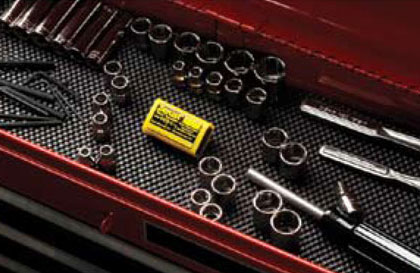
- Drawer liners Use rubber or closed-cell foam. They add light insulation and keep parts off cold steel.
- Raise the box Cold concrete causes condensation. Add casters or rubber feet.
- Truck boxes Add extra gasket tape at corners. Seal rivets and bolts with a thin bead of sealant.
- Do not add random vents Vents can feed humid air. Use vents only if the box is hot in the sun, and add desiccant.
When I fixed a leaky truck-bed box, one new EPDM seal and two VCI emitters cut rust to zero. Small tweaks matter in preventing moisture in tool boxes.
Climate and location tips
Your strategy shifts with the space. Match your plan to your weather to keep preventing moisture in tool boxes simple.
Dry garage or shop:
- Keep RH below 50 percent. A small dehumidifier helps.
- Avoid storing the box right under an AC vent.
- Use a dehumidifier and raise the box off the floor.
- Add extra desiccant and check monthly.
Truck bed or jobsite:
- Re-seat weatherstrips each season.
- Use rechargeable desiccant canisters. Swap them on a schedule.
- Park nose-up to shed rain away from seams.
Coastal or humid zones:
- Double desiccant. Refresh more often.
- Use VCI at all times.
- Choose stainless or powder-coated boxes when you can.
All of these moves support preventing moisture in tool boxes no matter where you live.

A simple weekly and seasonal routine
Routine is your secret weapon. It takes minutes and saves blades and bearings.
Weekly:
- Wipe down the most-used tools when you put them away.
- Glance at the desiccant color. Swap if it is saturated.
Monthly:
- Recharge desiccant. Rotate canisters so one set is always dry.
- Recoat hand planes, chisels, and measuring tools with a light film.
- Check seals and latches.
Seasonal:
- Do a deep clean and rust check.
- Replace VCI emitters if they are past 12 months.
- Move the box if drafts or sun loads change.
This calendar keeps you ahead in preventing moisture in tool boxes with almost no stress.

Common mistakes to avoid
I have made these and learned the hard way.
- Storing wet gear inside Even a damp rag can spike RH fast.
- Over-oiling Thick oil traps dust and grit. Use a thin film.
- Using rice as desiccant It molds and does little. Use silica gel.
- Drilling drain holes in sealed boxes Holes let humid air in. Fix the seal instead.
- Ignoring temperature swings Warm days and cold nights are prime for condensation.
Skip these traps and you will be far ahead in preventing moisture in tool boxes.
Cost and gear checklist
You do not need fancy gear. Start small and upgrade as you go.
Starter kit:
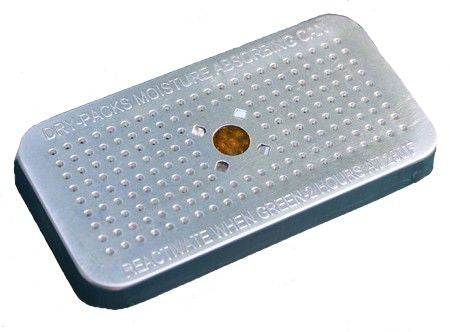
- 2 rechargeable silica gel canisters Low cost, high impact.
- 1 bottle of light machine oil or dry-film inhibitor Easy to apply.
- Drawer liners Simple insulation and grip.
- Alcohol wipes For seal prep and cleaning.
Upgrades:
- VCI emitters for each drawer Extra insurance.
- EPDM weatherstrip Replace tired gaskets.
- Small hygrometer See RH at a glance.
These items create a strong base for preventing moisture in tool boxes on any budget.
Frequently Asked Questions of preventing moisture in tool boxes
How much desiccant do I need for a medium toolbox?
Use 25 to 50 grams of silica gel per cubic foot of space. Split it across drawers for even drying and faster recharge cycles.
How often should I recharge silica gel?
Check monthly and recharge every four to eight weeks. Recharge sooner in humid months or if you open the box a lot.
Will VCI protect tools if I open the box daily?
Yes, but it works best in a sealed space. Replace small emitters every 12 to 24 months and pair with desiccant.
Can I use WD-40 as a rust preventer?
Use a dedicated rust inhibitor or light machine oil for longer protection. General water displacers can help short term but may flash off.
Do plastic tool boxes still need moisture control?
Yes, plastic walls do not stop humid air. Use desiccant, liners, and a good seal to keep RH low.
Conclusion
Moisture control is not magic. Seal the box, dry the air, protect the steel, and keep a simple routine. These small habits make preventing moisture in tool boxes easy, even in tough climates. Your payoff is sharp edges, smooth bearings, and tools that last.
Pick one task today. Add a desiccant canister, refresh a seal, or wipe your favorite chisel with a thin film. Ready for more tips like this? Subscribe, share your results, or drop a question so we can fine-tune your setup together.