

Keep bags dry with desiccants, airflow, clean gear, and smart storage habits.
If you have ever opened a suitcase to a musty smell, you know the pain. I have spent years helping travelers and storage clients stop damp damage. This guide on preventing moisture in luggage storage breaks the process into clear steps. You will learn what causes moisture, how to fix it, and how to keep gear dry for good.

Why preventing moisture in luggage storage matters
Moisture can stain fabric, warp leather, and rust zippers. It can make clothes smell bad and even trigger allergies. Mold can grow in as little as 24 to 48 hours when air is still and damp. The cost to fix the damage often beats the cost to prevent it.
Relative humidity between 45% and 55% is the sweet spot. That range helps stop mildew and keeps materials stable. If you care about long gear life and safe travel, preventing moisture in luggage storage is a smart habit, not a chore.

What causes moisture in and around your luggage
Moisture sneaks in from many small leaks in your routine. A wet swimsuit thrown into a side pocket is a classic trap. So is a bag placed on a cool floor after a hot trip, which can cause condensation.
Watch for these common causes:
- Damp clothes or shoes packed after use at the gym, pool, or beach
- Big swings in temperature that lead to condensation inside shells
- Poor airflow in closets, storage units, or sealed plastic bins
- Bags stored near exterior walls, basement floors, or garage doors
- Overpacked suitcases where air cannot move at all
Reduce these triggers and you are halfway to preventing moisture in luggage storage.

Know your materials: how bags handle water
Not all luggage is equal in damp spaces. Hard shells resist rain but can trap moisture if sealed tight. Soft shells breathe a bit but need help with airflow.
Helpful notes by material:
- Nylon or polyester fabric dries fast and resists mold but can hold odor. Clean and air out well.
- Canvas is sturdy but absorbs water. Use breathable storage and a desiccant.
- Leather hates water and low humidity. Clean, condition, then store with mild desiccant and airflow.
- Aluminum and polycarbonate shells resist spills but can sweat inside. Use desiccants and crack the zipper slightly for air.
Match your method to the material and you will be preventing moisture in luggage storage with less effort.

Prep your luggage before storage
Clean, dry, and stage your gear before it goes on the shelf. Small steps here save you from big cleanup later.
Follow this simple flow:
- Empty every pocket and remove liners if possible.
- Vacuum crumbs and dust. Brush seams and corners.
- Wipe the inside with a mild cleaner. Let it dry fully.
- Treat leather with a light conditioner. Do not overdo it.
- Disinfect handles and wheels. Dry until no damp spots remain.
- Place a fresh desiccant inside. Leave the bag open for an hour.
- Zip it most of the way, leaving a small gap for air.
This is the foundation of preventing moisture in luggage storage.
Smart packing that keeps things dry
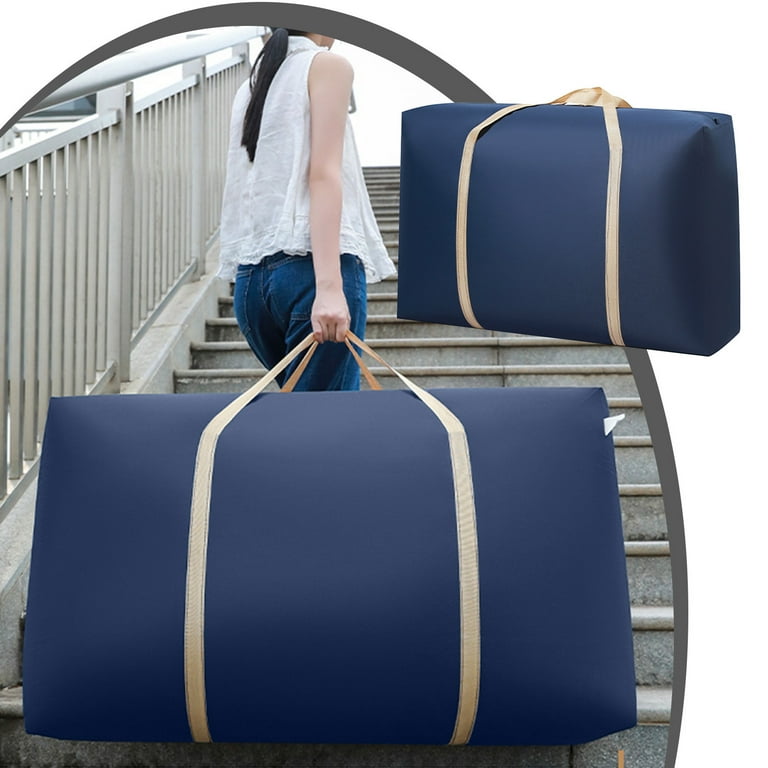
How you pack matters as much as where you store. Think airflow, separation, and easy checks.
Try these tips:
- Use mesh pouches for socks and shirts so air can move.
- Keep shoes in breathable bags. Add a small desiccant in each shoe.
- Avoid plastic trash bags for long storage. They trap vapor.
- Vacuum bags are fine short term, but add desiccants and avoid damp items.
- Put documents and tech in zip bags with silica gel.
- Leave space inside the suitcase. Tight packs trap moisture.
These small tweaks stack up when preventing moisture in luggage storage over months and years.
Moisture control tools that actually work
Tools help, but you need the right ones in the right spots. Know what each product does and where to place it.
Useful options:
- Silica gel packets absorb small amounts fast. Place several inside pockets and the main compartment.
- Rechargeable desiccant canisters are great for repeat use. Dry them in an oven or plug-in station as directed.
- Clay desiccants work steadily but hold less per ounce. Use more of them or combine with silica.
- Calcium chloride tubs pull lots of water but can leak. Keep them outside the suitcase, not inside.
- Activated charcoal reduces odor and some moisture. Add it as a helper, not the main fix.
- Humidity indicator cards show you when to swap packets. Aim for 45% to 55% RH.
With a good mix, you will be preventing moisture in luggage storage with fewer surprises.
Set up the right storage environment
Your room choice can make or break your plan. Stable air wins over fancy gear every time. Cool and steady beats hot and humid.
Aim for:
- Temperature between 60°F and 75°F
- Relative humidity between 45% and 55%
- Shelves or racks to lift bags off floors
- A bit of airflow, not a sealed closet
Good spots include a bedroom closet with a small dehumidifier, or a clean hallway closet. Avoid basements, attics, and garages if you can. If you must use a storage unit, pick climate control. Ask the manager for humidity levels. This is a strong step in preventing moisture in luggage storage.

Simple checks and a care schedule
Moisture control is a habit. Set a quick routine so problems never pile up. A five minute check beats a weekend rescue.
Do this monthly:
- Open each bag and sniff for musty odor
- Squeeze silica packets to test for clumps and swap if needed
- Check humidity cards and note changes
- Wipe dust from shells and seams
- Rotate bags so air reaches all sides
This light plan keeps you preventing moisture in luggage storage without stress.
If mold shows up, act fast
Do not wait. Mold spreads fast when it has food, water, and still air. Work in a ventilated space and wear gloves and a mask if needed.
Try this process:
- Isolate the bag. Remove all items and wash textiles in warm water.
- Vacuum mold with a HEPA tool. Do not smear it.
- Clean hard shells with a mild soap solution. Rinse and dry well.
- For fabric, use a gentle fabric cleaner. Spot test first.
- For leather, wipe with a barely damp cloth, then condition.
- Sun can help as a short step. One hour of indirect sun is enough.
Once clean and fully dry, add fresh desiccants and store with airflow. This resets your system for preventing moisture in luggage storage.
Travel and climate tips for year-round storage
Trips create moisture traps you bring home. Prepare before you pack, and reset once you return. Small steps keep your gear safe in any season.
Useful habits:
- In the tropics, dry items with fan air before packing for the flight.
- In cold places, let your suitcase warm to room temp before opening. This prevents inside condensation.
- On cruises, use the cabin’s dry setting on the AC with the door closed.
- After every trip, empty the bag, wash what you can, and air the shell for a day.
These moves keep you focused on preventing moisture in luggage storage no matter where you roam.
Mistakes I have made and how to avoid them
I once stored a suitcase in a sealed plastic bin with a damp swimsuit. A week later, the whole bag smelled like a dock. Now I never seal a bin without dry items and a strong desiccant.
I also used a cheap calcium chloride tub inside a carry-on. It tipped and leaked crystals. I had to toss the lining. Now I keep those tubs outside bags on a shelf. And I learned to check humidity with a card, not a guess. These simple habits keep me preventing moisture in luggage storage with little effort.
Frequently Asked Questions of preventing moisture in luggage storage
What humidity level is best for luggage storage?
Aim for 45% to 55% relative humidity. This range slows mold and protects fabrics, leather, and metal parts.
How many silica gel packets do I need per suitcase?
Use several small packets instead of one big one. A carry-on needs four to six; a large suitcase needs eight to ten.
Can I store luggage in plastic bags or bins?
Avoid sealing luggage inside plastic for long periods. If you use a bin, leave vents and add strong desiccants.
Do vacuum storage bags help or hurt?
They can help short term if items are bone dry. Add desiccants, and do not use them for damp clothes or long storage.
How do I remove a musty smell from a suitcase?
Air the bag in a dry room with a fan. Use baking soda overnight, then vacuum, and replace desiccants.
Is cedar wood enough to prevent moisture?
Cedar helps with odor and pests but does little for moisture. Pair cedar with silica gel or a dehumidifier.
Conclusion
Moisture damage is preventable with a simple plan. Clean gear, steady airflow, smart desiccants, and a quick monthly check do the heavy lifting. Your luggage will last longer, smell fresher, and be ready to roll.
Start today. Pick one suitcase, set the right humidity, and add fresh silica gel. If this guide helped, share it with a friend, subscribe for more tips, or leave a question so we can help you fine-tune your setup.