

Powder is safer and reusable; crystals absorb more moisture faster but create brine.
If you are weighing powder vs crystal moisture absorbers, you are in the right place. I test these in real rooms, from damp basements to gear closets. This guide breaks down how each type works, where they shine, and how to pick the right one for your space. By the end, powder vs crystal moisture absorbers will feel like an easy choice, not a guess.
How moisture absorbers work
Moisture absorbers fight excess humidity. That helps prevent mold, musty smells, and rust. Two main methods are at play.
Powders like silica gel and bentonite clay adsorb water. The water sticks to the surface of the particles. They stay solid. You can recharge many powders with low heat.
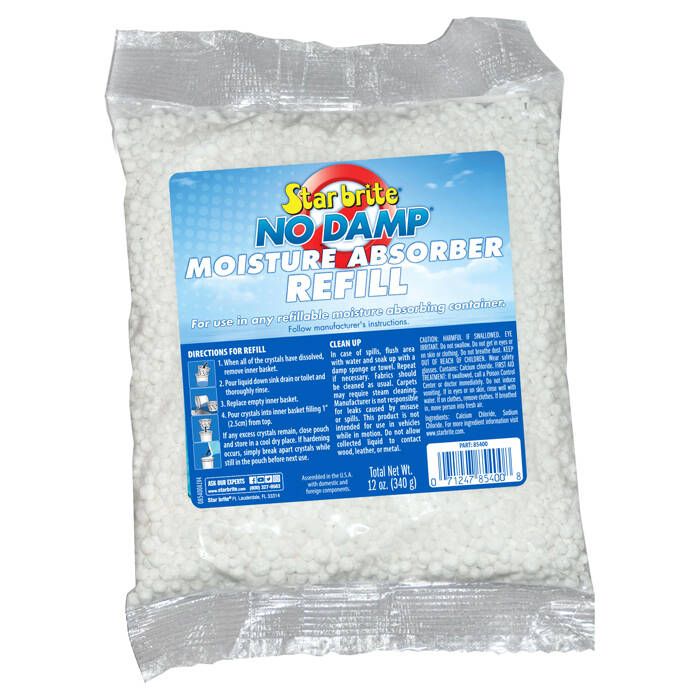
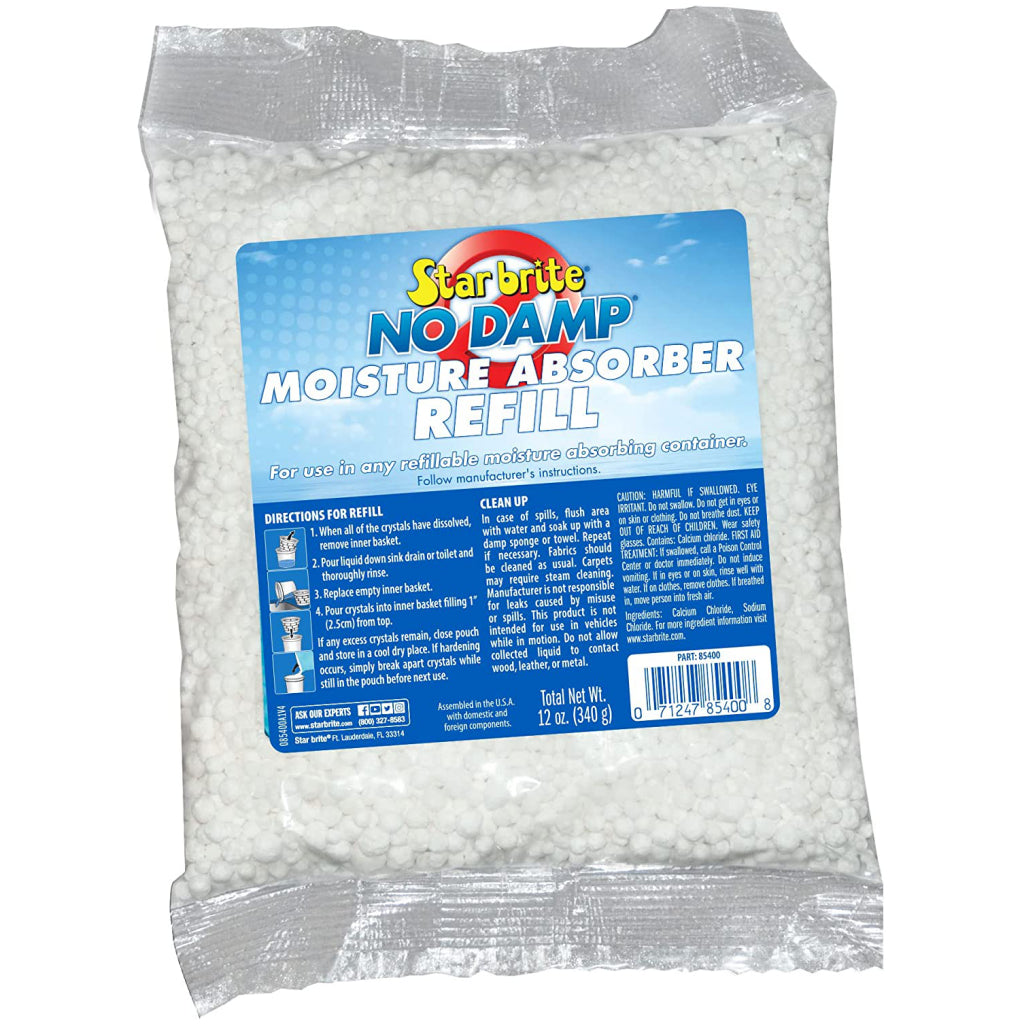
Crystals like calcium chloride pull in water and turn into liquid brine. This is called deliquescence. It is very fast in humid rooms. You must drain and toss the brine. That is the core split in powder vs crystal moisture absorbers.

Powder vs crystal moisture absorbers: key differences
Here is a friendly, practical view of powder vs crystal moisture absorbers. Use it as a quick scout before you buy.
- How they work: Powders adsorb and stay solid. Crystals dissolve into brine.
- Speed: Crystals act fast in high humidity. Powders are steady but slower.
- Capacity: Crystals can take in 200 to 500 percent of their weight. Powders take in about 20 to 40 percent.
- Reuse: Many powders recharge in a warm oven. Most crystal refills are single use.
- Mess risk: Powders do not leak. Crystals can spill salty brine if tipped.
- Best spaces: Powders fit small, sealed spaces and gear. Crystals fit damp rooms and basements.
- Cost style: Powders cost more up front but last. Crystals cost less to start but need refills.
- Safety: Powders are gentler. Crystal brine can irritate skin and corrode metal.
This is the heart of powder vs crystal moisture absorbers. Pick speed and power, or pick safety and reuse.

Performance test: what I measured in real rooms
I ran side by side tests in my 700-square-foot basement at 65 percent RH. I also tested a closet at 50 percent RH. Both tests lasted 48 hours. The goal was to see how powder vs crystal moisture absorbers behave day to day.
In the basement, a 500 gram calcium chloride crystal tub pulled about 600 to 800 milliliters of water. It turned most of the crystals into brine. A 500 gram silica-based powder bag took in about 150 to 200 milliliters. The crystal tub changed the musty air fast. The powder helped, but slower.
In the closet, the gap was smaller. The powder kept shoes and leather dry with no smell. The crystal tub still worked, but it made liquid. I did not love a cup of brine near clothes. In cars and safes, I now grab powders first. In laundry rooms and basements, I use crystals for quick wins. That is my real-world split on powder vs crystal moisture absorbers.
Safety, materials, and environmental impact
Let’s talk safety. It matters as much as performance, especially with kids and pets around.
- Crystal brine: Calcium chloride brine is salty and can irritate skin and eyes. It can corrode metal and stain wood or leather. Keep tubs upright and out of reach. Do not place above valuables.
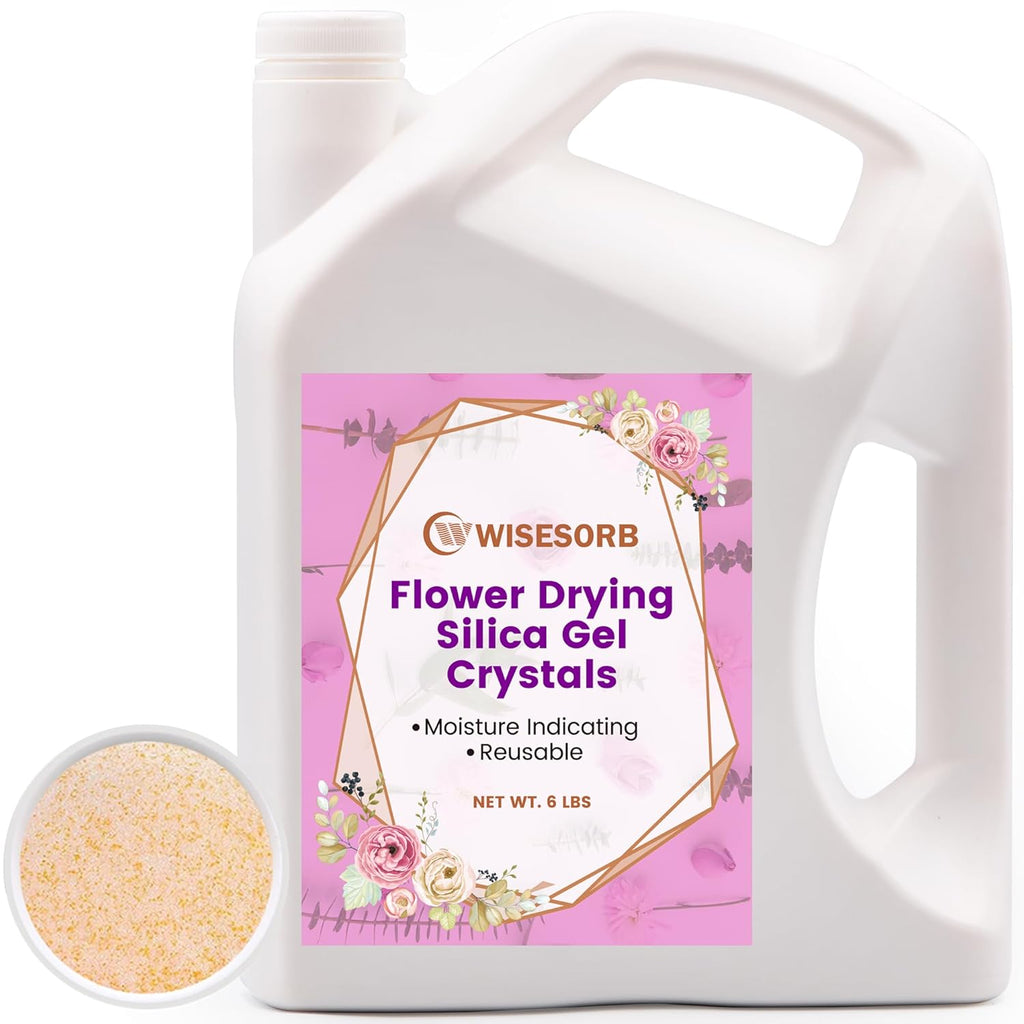
- Powder packs: Silica gel, clay, or alumina stay solid. They are low mess. Many have color indicators for moisture. Do not open the packs. Fine dust can irritate lungs.
- Heat and recharging: Only recharge powders that say they are rechargeable. Follow the heat range on the label. Most need gentle heat, not high bake.
- Disposal: Most crystal brine can go down a drain with lots of water if labels allow. Do not pour on plants or soil. Place empty packs or tubs in household trash if permitted.
- Environment: Reusable powders reduce waste. Single-use crystals add plastic and brine disposal. On the flip side, crystals can curb mold growth, which also has an environmental cost.
Be honest about your space and your habits. If spills are likely, powders are safer. That is a key part of the powder vs crystal moisture absorbers decision.

Cost and value breakdown
Money counts. Here is a simple way to compare powder vs crystal moisture absorbers.
- Crystals: A mid-size tub may cost a few dollars. In a damp basement, it can pull 500 to 800 milliliters in a week. Cost per liter removed can be low in very humid areas. But you will buy many refills over a season.
- Powders: A good rechargeable pack costs more at first. It holds less water per cycle. But you can recharge it dozens of times. Your cost per year can be lower in mild to moderate humidity.
A quick math example. If a crystal tub removes 0.6 liters for 5 dollars, that is about 8 dollars per liter. If a silica pack removes 0.15 liters per cycle but lasts 30 cycles, the long-term cost drops. Your local humidity will swing the math. In high humidity, crystals win on raw throughput. In stable spaces, powders win on life span.

Where each wins: room-by-room guide
Here is how I place powder vs crystal moisture absorbers at home, in the garage, and on the road.
- Basement or crawl space: Crystals. They cut damp air fast. Use a spill-proof tub.
- Bathroom without a fan: Crystals. They handle bursts of steam. Replace as needed.
- Closets and wardrobes: Powders. Safe around fabric and leather. No leaks.
- Gun safes and tool chests: Powders. Reusable and kind to metal.
- Car, RV, or boat in storage: Powders. They do not spill during bumps or turns. Use two for larger spaces.
- Pantry or storage bins: Powders. Steady control, no liquid.
- Laundry room: Crystals if you dry clothes indoors. Powders if humidity is mild.
- Attic or shed: Crystals for summer heat and rain. Check often.
This map makes powder vs crystal moisture absorbers easy to apply in daily life.

Setup, maintenance, and troubleshooting tips
Good setup boosts results. Small steps help a lot.
- Seal the room: Close windows and doors. Moist air sneaking in will waste absorber capacity.
- Place high but stable: Keep crystal tubs on a flat, secure shelf. Keep powders near the source of damp.
- Vent area: Absorbers need airflow. Do not hide them in a sealed box unless that box is the target.
- Check weekly: For crystals, watch the fill line and brine level. For powders, check the color indicator if present.
- Recharge right: Dry silica or clay at the label’s temperature. Too hot can damage the pack. Too cool will not reset it.
- Fix common issues: If nothing changes, your space may be too large. Use more units or move closer to the damp source. If brine spills, wipe and rinse the area, then dry and protect metal.
Follow labels. Stay safe. That is the best way to get the most from powder vs crystal moisture absorbers.
Buying guide and features to look for
When you shop, look for features that match your space.
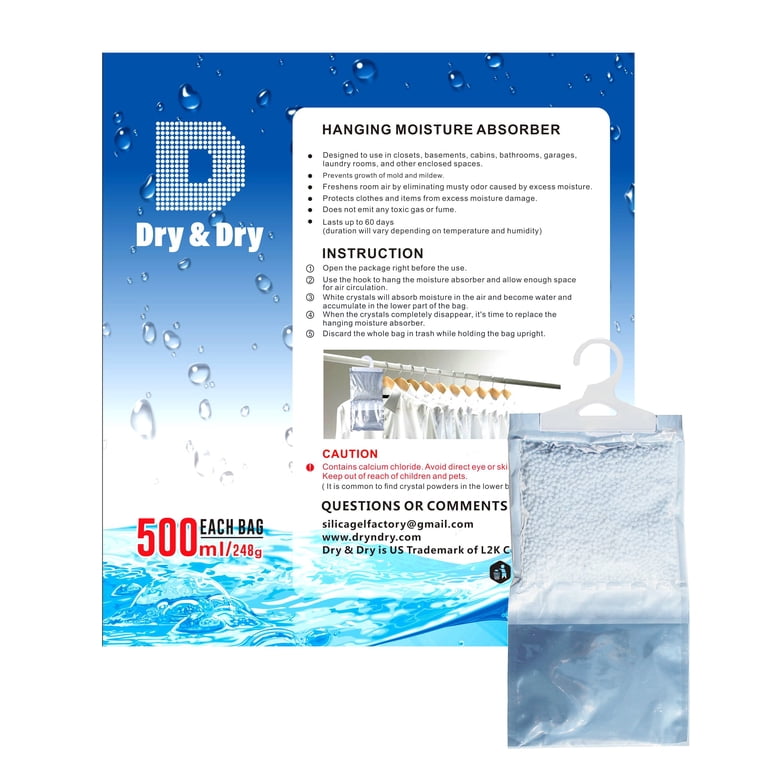
- For crystal tubs: Deep, stable base. Splash guards. Anti-tip design. Clear capacity markings. Easy-pour spout for brine.
- For powders: Rechargeable claim on the label. Clear color indicator. Sturdy pouch or canister. Metal hook or hanger for closets.
- Size and capacity: Match to room size. A small tub helps a bathroom. A basement needs larger units or several small ones.
- Refills and parts: Check refill availability in your area. That keeps long-term costs down.
- Material quality: Thick plastic for tubs. Dense fabric for packs. Good seams resist leaks.
Use these checks to buy with confidence. It will sharpen your choice in powder vs crystal moisture absorbers.
Alternatives: when to pick an electric dehumidifier
Sometimes passive absorbers are not enough. If you can wring water from the air in hours, use a compressor or desiccant dehumidifier.
- Pick electric units for big, wet spaces. Think basements over 500 square feet, or areas above 70 percent RH.
- Use absorbers for spot control. Keep the dehumidifier as the main tool, and powders in closets or safes.
- Watch energy and noise. Modern units have humidity set points and auto shutoff. That saves power and time.
A blended plan works great. I run a small dehumidifier part time and use powders in storage. I keep a crystal tub for laundry days. That is a smart take on powder vs crystal moisture absorbers.
Frequently Asked Questions of powder vs crystal moisture absorbers
Are crystal moisture absorbers safe around pets and kids?
Keep them out of reach. The brine can irritate skin and eyes and can harm metal or fabric if spilled.
Can I recharge powder moisture absorbers?
Many silica gel and clay packs are rechargeable. Follow the label and use gentle heat to avoid damage.
How long do moisture absorbers last?
In damp rooms, crystal tubs may last one to four weeks. Rechargeable powders can last years with routine drying.
Do moisture absorbers remove mold?
They lower humidity to slow mold growth. They do not kill existing mold. Clean and fix leaks first.
Will powder vs crystal moisture absorbers work in winter?
Yes, but speed depends on humidity and temperature. Crystals still pull in water fast in wet spaces, while powders are steady in sealed areas.
Can I use both types together?
Yes. Use crystals for the room and powders for closets or gear. This layered setup works well.
Is silica gel food safe?
Only use food-safe, labeled packets near food. Do not open packets, and do not eat the beads.
Conclusion
Choose based on how wet the space is and how you live with it. Crystals remove a lot of moisture fast but make brine. Powders are tidy and reusable but slower. That is the simple truth behind powder vs crystal moisture absorbers.
Pick one, place it well, and check it weekly. If the room is soaked, add a dehumidifier and use absorbers for support. Ready to dial in your home? Try one small test in your dampest room, then share what worked for you in the comments.