

Pet-safe moisture absorbers reduce humidity without toxic leaks, spills, or pet hazards.
If you share your home with a cat or dog, you need tools that tame moisture without risking their health. I’ve tested setups in damp closets, litter rooms, and RVs, and I’ll show you exactly how to choose, place, and maintain pet-safe moisture absorbers that actually work. This guide blends hands-on experience with expert safety advice, so you can protect your space and your pets with confidence.
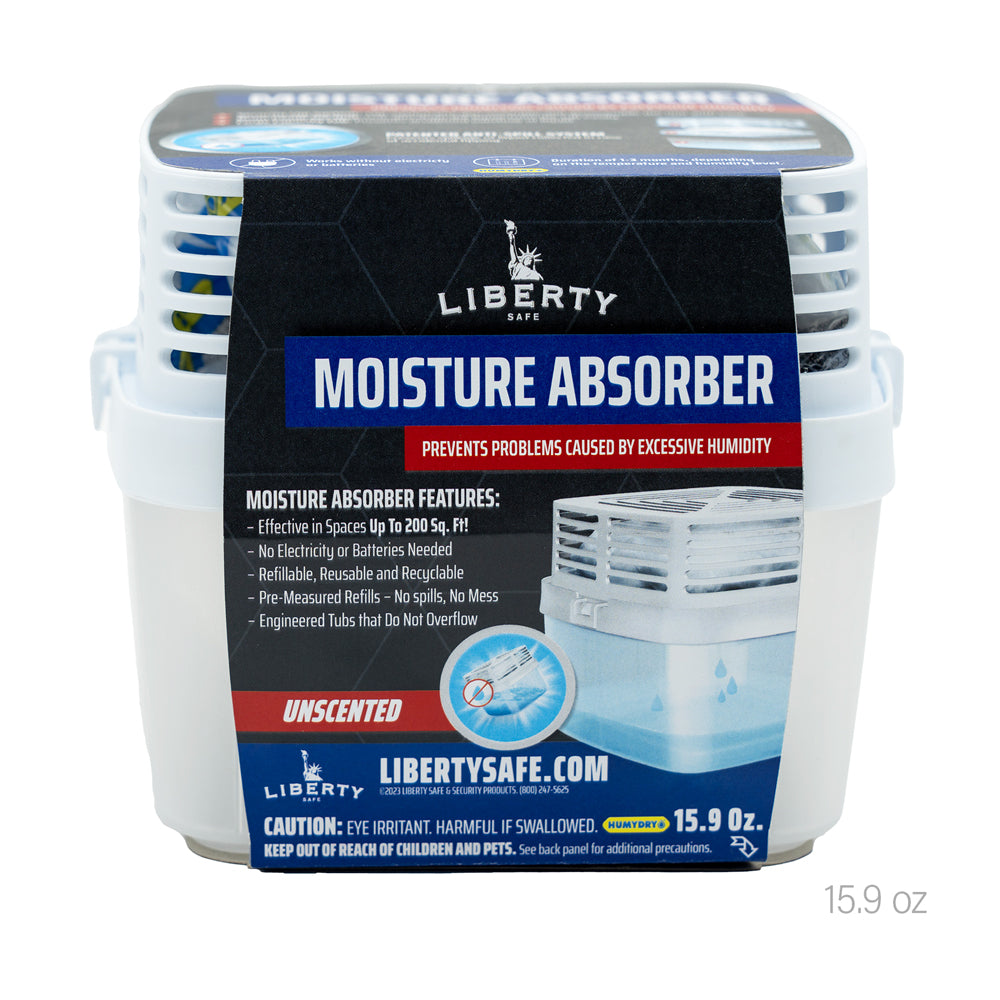
What exactly are pet-safe moisture absorbers?
Pet-safe moisture absorbers are products or materials that pull water from the air without creating toxic puddles or fumes. The best options are sealed, spill-proof, and non-corrosive. They help keep relative humidity in the 30–50% range, which is a sweet spot for comfort and mold prevention.
Think of them as quiet guardians. They sit in a room or closet and absorb excess moisture before it turns into odor, mildew, or warping wood. Pet-safe moisture absorbers do this with safe ingredients or enclosed designs that pets can’t lick, chew, or tip.
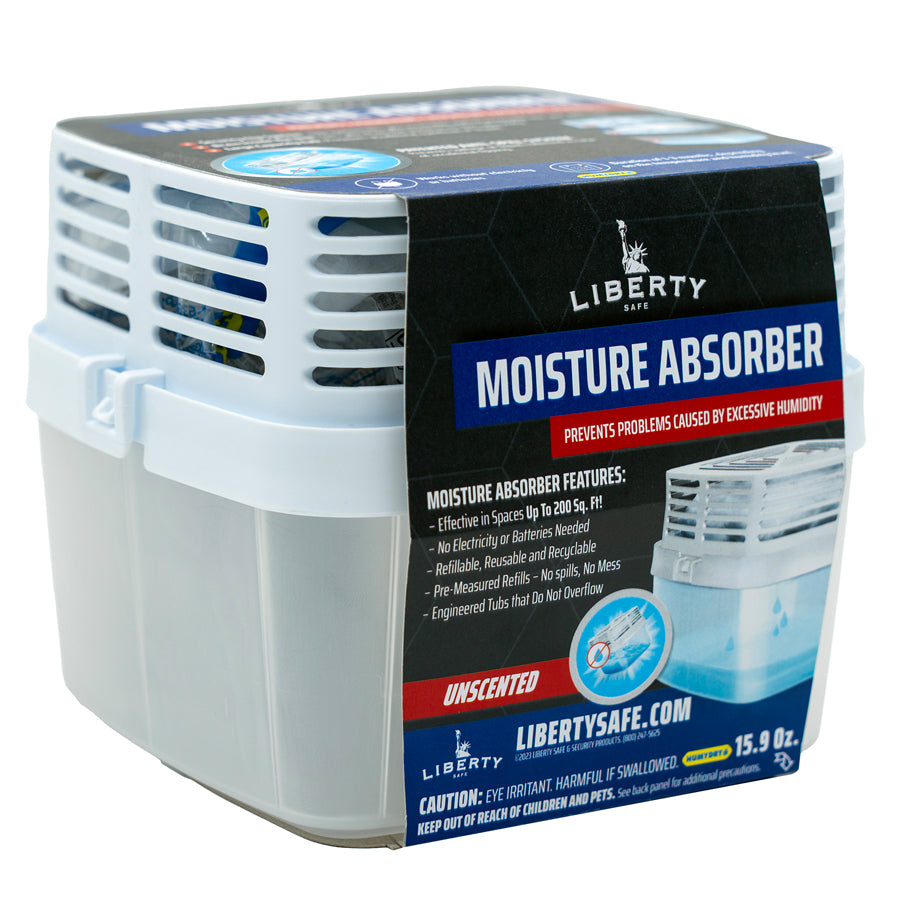
Why moisture control matters when you live with pets
Humidity feeds musty odors, mold, and dust mites. Those can trigger sneezing, itchy eyes, and skin flares in people and pets. Keeping moisture down also helps litter areas stay fresher and reduces that “wet dog” smell after rain.
High humidity can make wood floors cup and cabinets swell. It also shortens the life of pet beds and toys. Pet-safe moisture absorbers guard your gear and your air, especially in basements, closets, laundry rooms, and RVs.

Safe options: ingredients and formats that work
Not every absorber is equal. The safest fit the home, the pet, and the room’s humidity level. Here are proven options I use and recommend.
Silica gel in sealed canisters
Silica gel beads hold a lot of water by adsorption. The key is a metal or hard plastic canister with tiny vents and a screw cap. Many have color-changing indicators and can be reheated to dry.
- Pros: Non-toxic if plain silica, no corrosive liquid, reusable.
- Cons: Choking risk if loose; always use sealed canisters.
- Best for: Closets, camera storage, shoe cabinets.
Bamboo charcoal or activated carbon bags
These are fabric pouches filled with activated carbon. They control odor first, moisture second, but they help balance humidity in small spaces.
- Pros: Natural, reusable by sun-drying, low risk.
- Cons: Limited absorption in very damp rooms.
- Best for: Litter areas, pet closets, cars.
Zeolite mineral pouches
Zeolite is a volcanic mineral used in many cat litters. It traps odors and holds some moisture.
- Pros: Inert mineral, low mess, long-lasting.
- Cons: Lower capacity than silica or electric options.
- Best for: Cabinets, pantries, gear bins.
Electric dehumidifiers
Compressor or desiccant-wheel units pull water into a tank you empty. No chemicals sit exposed in the room.
- Pros: Strong moisture control, great for basements and laundry rooms.
- Cons: Needs power, tank must be emptied, keep cords and tanks away from pets.
- Best for: Whole rooms over 100 square feet.
When used well, these pet-safe moisture absorbers cut odors, protect fabrics, and make rooms feel fresh without risky chemicals.

Questionable or unsafe absorbers to avoid
Some absorbers work fast but are not pet-safe. Keep these out of reach or skip them entirely.
- Calcium chloride tubs or crystals: They form a salty, corrosive brine that can leak and burn skin or mouths. Many closet buckets use this, and it’s risky if a pet knocks it over.
- Quicklime or unslaked lime: Strongly caustic and dangerous on contact or ingestion.
- Open trays of clumping cat litter: It absorbs water but creates dust and can cause GI blockages if eaten.
- Borax blends: Borax is not pet-safe if ingested and can irritate skin.
- Rock salt or road salt: Corrosive brines and oral toxicity risk.
If you must use a high-capacity calcium chloride product in a basement, place it in a locked, elevated cabinet. Better yet, switch to pet-safe moisture absorbers or an electric dehumidifier.
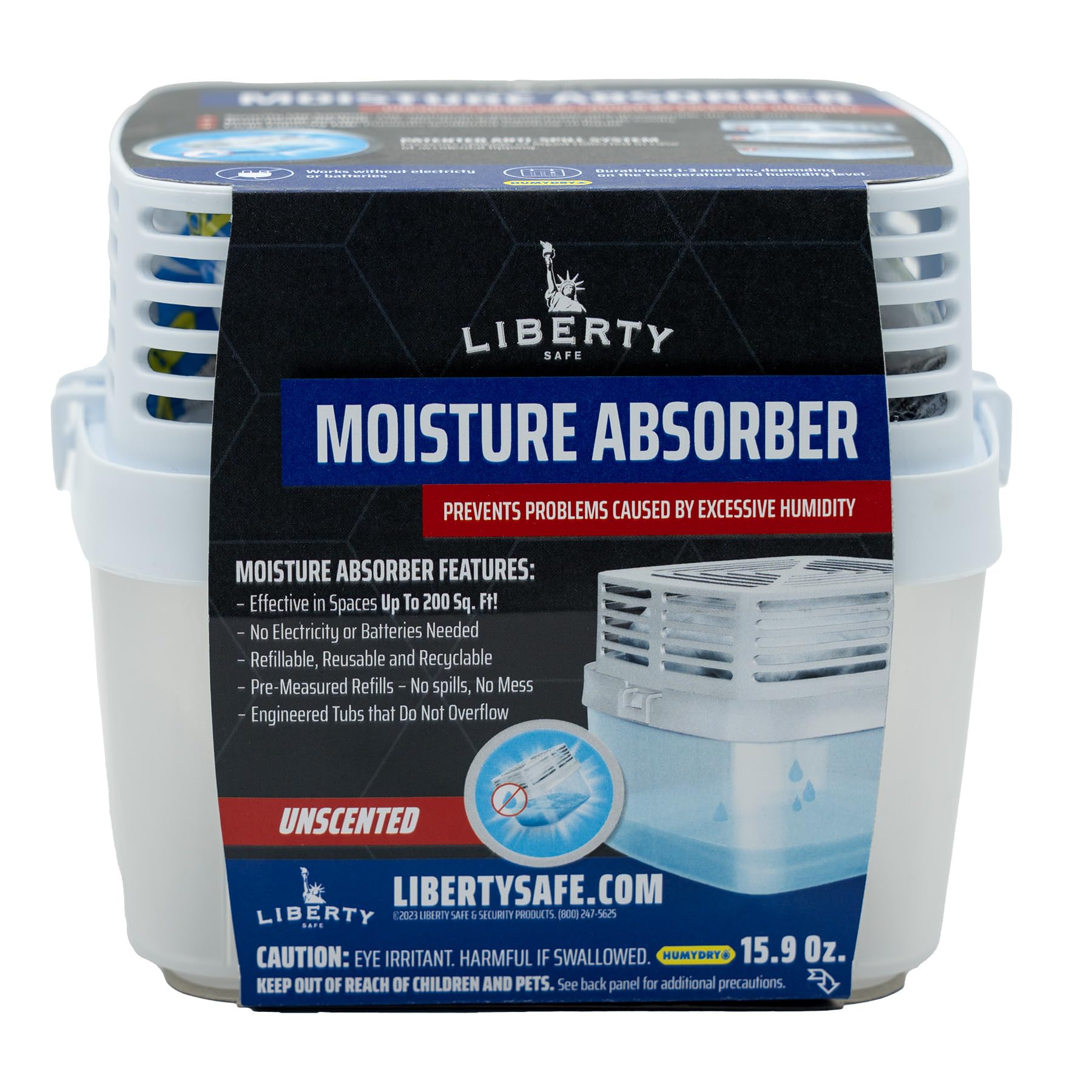
How to choose the right pet-safe moisture absorber
Match the tool to the room size, humidity level, and pet behavior.
- Room size: Small pouches work for lockers or shoe boxes. Electric units handle rooms and basements.
- Pet profile: Chewers or curious cats need sealed canisters or powered units with hidden tanks.
- Moisture source: For leaks or standing water, fix the source. Pet-safe moisture absorbers won’t solve plumbing issues.
- Capacity and maintenance: Look for clear absorption ratings and easy recharge steps.
- Safety data: Check for cobalt-free indicators, child-resistant lids, and a safety data sheet.
Decision tip: If you see visible condensation or smell musty air, use an electric dehumidifier first. Add sealed silica or charcoal to fine-tune and manage odors.

Placement, handling, and safety checklist
Small choices make a big difference. Here is the setup I use in clients’ homes.
- Elevate and anchor: Place absorbent canisters on shelves behind doors. Avoid floor level and litter zones.
- Use containers: Put pouches in ventilated bins or mesh pockets to deter chewing.
- Create airflow: Crack a door, add a small fan, or use louvered vents so absorbers can “breathe.”
- Label and date: Mark the start date and expected recharge date to stay ahead.
- Store backups safely: Keep spare packs sealed in a lidded tote or toolbox away from pets.
- Emergency plan: If a pet chews or ingests any material, call your vet or poison control right away.
When set up like this, pet-safe moisture absorbers work quietly and safely in the background.

DIY pet-safe moisture absorbers
You can make simple, effective options with household items. These are budget-friendly and easy to maintain.
- Charcoal bag: Fill a small cotton pouch with activated charcoal pellets. Sun-dry monthly to recharge.
- Silica jar: Pour plain silica beads into a metal spice tin with tiny holes. Bake per manufacturer guidance to renew.
- Baking soda box: Open a box and place it on a high shelf in a small cabinet. Replace monthly.
- Zeolite sachet: Fill a mesh bag with zeolite aquarium stones. Sun or low-oven dry to refresh.
- Rice plus baking soda: Use for shoes or gym bags. Replace often, as capacity is modest.
DIY options are pet-safe moisture absorbers when kept enclosed and out of reach. Do not leave loose beads or powders where pets can lick or spill them.
Maintenance and measuring results
What gets measured improves. A tiny digital hygrometer tells you if your setup works.
- Target 30–50% relative humidity in living areas. Keep basements under 60%.
- Recharge schedule: Charcoal bags monthly in sun. Silica canisters per label, often 2–4 weeks.
- Oven-safe silica: Many recharge at 200–250°F for 1–3 hours. Follow the label, and never overheat.
- Watch for saturation: Musty smells, foggy windows, or damp fabrics mean you need more capacity or airflow.
- Deep damp areas: Use an electric dehumidifier, then maintain with pet-safe moisture absorbers.
This simple routine keeps rooms steady without constant babysitting.
Eco and disposal tips
You can stay green and safe at the same time.
- Choose reusable canisters and rechargeable pouches first.
- Sunlight recharges charcoal and reduces energy use.
- Dispose of powders in household trash, sealed in a bag. Do not wash calcium-based brines down drains.
- Repurpose: Use spent charcoal as odor control in outdoor bins, not in edible gardens.
- Buy refills in bulk to cut packaging waste.
Responsible habits make pet-safe moisture absorbers even more sustainable.
What to look for on labels and certifications
Labels reveal safety and performance. Read them like a pro.
- Cobalt-free indicator dyes: Avoid old-style blue silica with cobalt chloride.
- Child-resistant lids: Choose tins or canisters with secure closures.
- Clear capacity ratings: Look for grams of water absorbed per refill.
- SDS availability: A safety data sheet shows the manufacturer takes safety seriously.
- Reusability claims: Prefer products you can recharge many times.
These details separate true pet-safe moisture absorbers from risky quick fixes.
Real-world setups: simple recipes for common rooms
Use these plug-and-play layouts I use in client homes and my own.
- Closet: One sealed silica canister per 25–30 cubic feet. Add a charcoal bag for odor.
- Litter area: Two charcoal bags hung above nose level. Improve airflow with a small fan.
- Shoe cabinet: Silica tin on top shelf plus a baking soda box in the corner.
- RV or boat: Electric dehumidifier on a timer. Place charcoal bags in storage bays and closets.
- Basement gear bin: Zeolite pouch inside each sealed tote. Check monthly with a hygrometer.
With these setups, pet-safe moisture absorbers keep spaces dry, fresh, and safe.
Frequently Asked Questions of pet-safe moisture absorbers
Are silica gel desiccants safe for pets?
Plain silica gel is considered non-toxic, but it is a choking hazard. Use sealed canisters and keep them out of reach.
Are calcium chloride moisture absorbers safe around cats and dogs?
Calcium chloride can form a corrosive liquid that burns mouth and skin. Avoid open tubs where pets can tip or lick them.
Do bamboo charcoal bags actually reduce humidity?
They help in small spaces by balancing moisture and controlling odor. For very damp rooms, pair them with a dehumidifier.
Can I recharge moisture absorbers in an oven?
Many silica canisters can be recharged at low heat. Follow the product label for time and temperature.
What humidity level should I aim for at home?
Aim for 30–50% relative humidity in living areas. Keep basements and storage under 60% to curb mold and mildew.
Is baking soda a good pet-safe moisture absorber?
It works in tiny spaces like cabinets or fridges. Keep it out of reach and replace it often for best results.
Will an electric dehumidifier be enough by itself?
Yes for large rooms, as long as you empty the tank and maintain it. Add localized pet-safe moisture absorbers for closets and cabinets.
Conclusion
Moisture control does not have to risk your pet’s safety. With sealed silica canisters, charcoal or zeolite pouches, and smart placement, you can manage humidity, reduce odors, and protect your home. Start with a hygrometer, pick pet-safe moisture absorbers tailored to each room, and follow a simple recharge routine.
Take one space today, set up a safe absorber, and note the humidity change in a week. Want more guides like this? Subscribe for updates, or drop a question in the comments so I can help you dial in your setup.