

Non-toxic moisture absorbers reduce damp, stop musty smells, and protect items without harsh chemicals.
If you want a dry home without risky products, you’re in the right place. I’ve tested non-toxic moisture absorbers in closets, basements, cars, and gear bags for years. In this guide, I’ll show you what works, what to avoid, and how to set up a simple, safe system that keeps moisture under control.
What are non-toxic moisture absorbers?
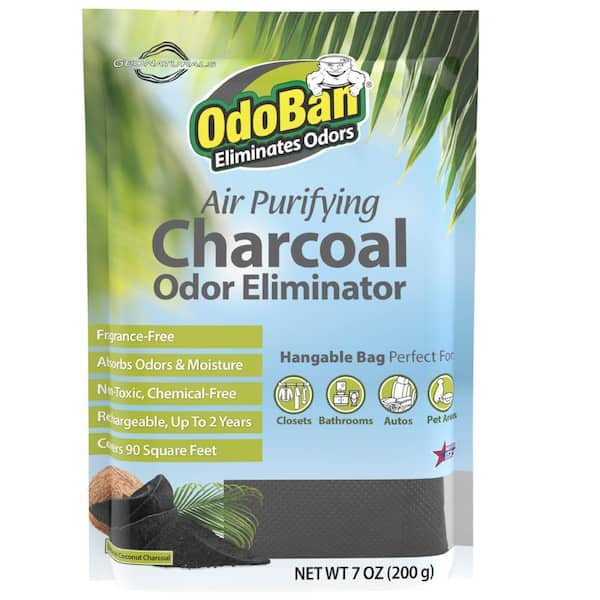
Non-toxic moisture absorbers are safe desiccants that pull water from the air. They help prevent mold, mildew, and odors. You can use them in small spaces like closets, drawers, safes, and storage bins.
These products are made from materials like silica gel, activated charcoal, baking soda, bentonite clay, zeolite, and rock salt. They do not release harmful fumes. Most are reusable, low cost, and easy to place.
You still need airflow and reasonable humidity. Aim for indoor humidity between 30% and 50% for comfort and health. A simple hygrometer lets you track levels.

How do non-toxic moisture absorbers work?
They either absorb water into their structure or adsorb it onto their surface. Think of a sponge for the air. The drier the material, the more water it can take in.
When the air is very damp, they fill up faster. Some types, like silica gel, can take in a lot of moisture for their size. Others, like baking soda, are slower but great for odors too.
These are passive tools. They do not use power. For very wet rooms, a plug-in dehumidifier may still be needed. Non-toxic moisture absorbers are ideal for targeted spots and sealed containers.
Best non-toxic moisture absorbers you can use
Here are proven options I’ve used and recommend. All are non-toxic when used as directed.
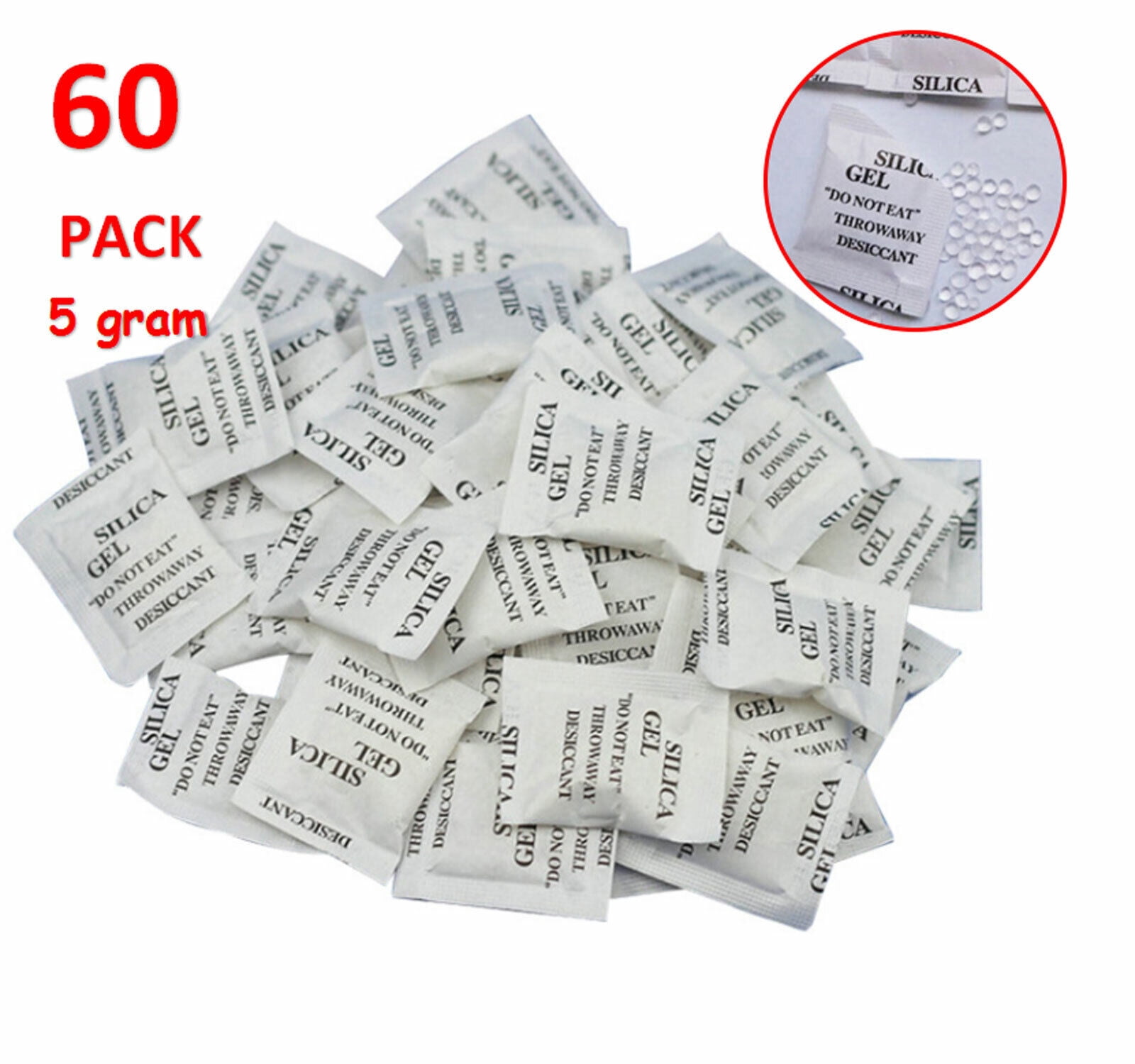
Silica gel (cobalt-free, non-indicating)
Silica gel is a top pick for gear, safes, and bins. It is inert, tasteless, and non-toxic. Typical capacity ranges from about 25% to 40% of its weight.
Use cobalt-free types. Some blue-to-pink “indicating” gels use cobalt chloride, which is not ideal. Choose cobalt-free indicating pellets or plain beads instead.
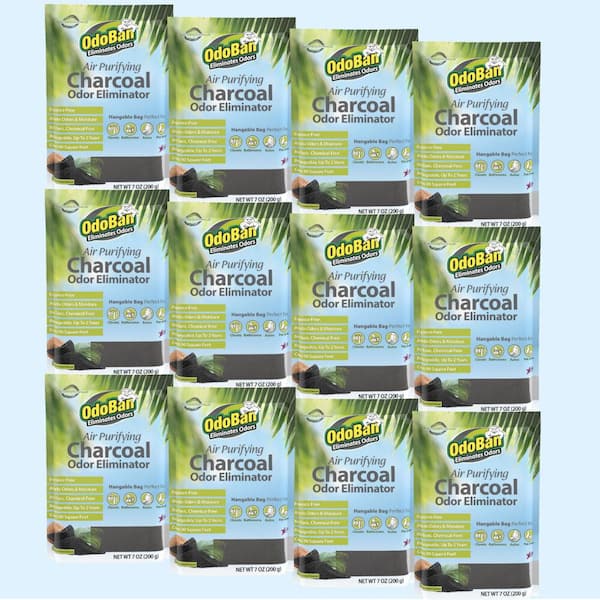
Activated bamboo charcoal
Charcoal bags pull moisture and trap odors. They shine in closets, shoes, and cars. They reactivate in sun for a few hours.
They are slow but steady. I like them for clothes and shoes because they help with smells. Choose breathable fabric bags for best effect.
Baking soda (sodium bicarbonate)
Baking soda is cheap and easy to find. It absorbs some moisture and fights odors. It works well in fridges, cabinets, and small bins.
Use an open box or a small jar with holes. Stir or replace monthly. It is safe to toss when spent.
Bentonite clay (natural kitty litter)
Natural, unscented clay litter absorbs moisture well. It is handy for larger sachets or buckets. It is also reusable by drying at low heat.
Avoid scented or clumping blends. Those add chemicals or make a mess. Use cotton bags or a mesh container to hold the clay.
Zeolite
Zeolite is a volcanic mineral with a porous structure. It adsorbs water and odors. You can recharge it with heat or sun.
It is great for safes, camera gear, and toolboxes. I keep a zeolite canister in my camera bag year-round.
Rock salt (sodium chloride)
Food-grade rock salt is non-toxic. It can pull water into a collection cup. It is best for garages, sheds, and areas with drip-safe setups.
It can corrode metal nearby. Keep it away from tools and electronics. It is not ideal for small indoor spaces.
Why I prefer these non-toxic moisture absorbers: they are safe, reusable, and low waste. They fit many spaces and budgets.

Where to use non-toxic moisture absorbers
Use non-toxic moisture absorbers anywhere damp air causes trouble. Here are smart spots and setups.
Closets and wardrobes
- Use charcoal bags on hangers. They cut odor and mild damp.
- Add a small silica canister for rainy seasons.
- Keep clothes spaced for airflow.
Bathrooms and laundry rooms
- Place clay or zeolite near the washer.
- Use baking soda under the sink.
- Vent fans still matter. Run them after showers.
Kitchens and pantries
- Place baking soda in the pantry and cabinets.
- Use silica gel in sealed food storage bins.
- Keep paper goods off floors.
Basements and storage rooms
- Use buckets with clay or rock salt, away from metal.
- Add silica in sealed bins with photos or books.
- If RH stays high, add a small dehumidifier.
Cars, RVs, and boats
- Use charcoal bags on the dash or near seats.
- Place silica in storage bins and under seats.
- Recharge often in humid seasons.
Safes, tool chests, and camera bags
- Use silica gel canisters or zeolite.
- Rotate and recharge monthly.
- Keep a spare set ready to swap.
These non-toxic moisture absorbers work best with airflow, clean surfaces, and a good seal where needed. Pair them with simple habits, and you will see fast results.
How to choose and size non-toxic moisture absorbers
Match the absorber to the job. Think about the size of the space, humidity, and the items you want to protect.
Use these quick rules:
- Small sealed bins up to 8 liters. Use 10 to 20 grams of silica gel or a small zeolite pack.
- Shoe boxes and drawers. One charcoal bag or 20 grams of silica gel.
- Closets up to 2 by 4 feet. One 200 to 500 gram charcoal bag, plus a 50 to 100 gram silica canister during rainy months.
- Cars and RV cabins. Two 500 gram charcoal bags or a mix of 500 gram charcoal and 100 to 200 grams of silica.
- Safes and camera cases. One to two 40 to 50 gram silica canisters or a similar zeolite canister.
Check a hygrometer after 24 to 48 hours and adjust. In very humid climates, double the capacity. If you must protect metal tools or optics, favor silica gel for faster drying.

DIY non-toxic moisture absorbers you can make today
You can build these in minutes with simple supplies. I use these at home and on the road.
DIY charcoal bag
- Fill a cotton muslin bag with activated bamboo charcoal.
- Tie it tight. Label with the date.
- Recharge in sun for 2 to 3 hours every month.
DIY silica gel jar
- Fill a mason jar with non-indicating silica gel beads.
- Replace the lid with a mesh top or punch small holes.
- Bake at 220 to 250°F for 1 to 2 hours to recharge when saturated.
DIY baking soda canister
- Pour baking soda into a small jar.
- Cover with a coffee filter and a rubber band.
- Stir or replace monthly.
DIY clay sachets
- Fill small cotton bags with natural bentonite clay.
- Place in closets or under sinks.
- Dry at low heat to recharge.
Label each DIY pack. Rotate them so one is always dry and ready. These non-toxic moisture absorbers are fast, cheap, and reliable.
Maintenance, recharging, and safety
Caring for non-toxic moisture absorbers takes minutes and saves money.
Recharging tips:
- Silica gel. Bake at 220 to 250°F until dry. Follow maker guidance if listed.
- Charcoal. Place in direct sun for a few hours, both sides.
- Zeolite and clay. Dry in sun or bake at low heat.
- Baking soda. Replace when clumpy or every month.
Safety notes:
- Keep all packs away from small kids and pets. They can be a choking risk.
- Use cobalt-free silica if you want an indicator. Avoid blue-to-pink cobalt types.
- Avoid scented or dyed products in closed spaces with food or fabric.
- Rock salt can drip and corrode. Use catch cups and keep it off metal.
Track results with a hygrometer. Swap or recharge when readings rise or odors return. A simple schedule keeps non-toxic moisture absorbers performing well.

Cost, eco impact, and when to upgrade
Non-toxic moisture absorbers are low cost and low waste. Most are reusable for months or years.
Cost tips:
- Baking soda is the cheapest for small spots.
- Charcoal bags cost more up front but last many cycles.
- Silica gel canisters are the best value for sealed containers.
Eco notes:
- Choose cotton or linen bags over plastic.
- Recharge in sun when you can to save energy.
- Dispose of spent material in regular trash or, for baking soda, down the sink.
When to upgrade:
- If humidity stays above 60% in a whole room, add a dehumidifier.
- Use non-toxic moisture absorbers for closets, safes, and bins. Use powered units for large, damp spaces.
This balanced approach keeps costs down and results high.

Common mistakes to avoid
I see the same pitfalls again and again. Here is how to dodge them.
- Using rice for wet electronics. Rice is slow and leaves dust. Use silica gel and proper drying steps instead.
- Ignoring airflow. Closed, overstuffed spaces stay damp. Leave gaps for air to move.
- Skipping recharges. Saturated packs stop working. Set a reminder and rotate.
- Using the wrong material. Rock salt near tools causes rust. Use silica or zeolite for metal.
- Forgetting a drip tray. Salt-based setups can leak. Always use a catch cup.
Small tweaks make a big difference. These tips help your non-toxic moisture absorbers work their best.
Real-world wins and lessons learned
Closet fix. My hallway closet smelled musty every spring. I hung a 500 gram charcoal bag and added a 50 gram silica canister on the shelf. Smells dropped in two days. Humidity fell from 62% to 48% with the door cracked.
Camera bag care. I keep a 40 gram zeolite canister in my camera bag. After rainy shoots, I swap it for a fresh silica canister overnight. Lenses stay clear, and I have had no fungus issues.
Basement storage. Plastic bins with kids’ art used to curl. I added 20 gram silica packets per bin and stacked them on wood, not concrete. Papers stayed flat, even in July.
Boat cabin. On a small sailboat, I used two charcoal bags and one clay bucket with a tray. It kept bedding dry between trips. I still air the cabin out, but the setup cut damp by half.
These simple setups show how non-toxic moisture absorbers shine in daily life.
Frequently Asked Questions of non-toxic moisture absorbers
Are non-toxic moisture absorbers safe around pets and kids?
Yes, they are safer than many chemical options, but still keep them out of reach. Small packs can be a choking risk, and some materials can cause mild upset if eaten.
Do non-toxic moisture absorbers remove odors too?
Many do. Activated charcoal and baking soda are standouts for smells while still handling light moisture.
How long do they last before replacement or recharge?
It depends on humidity and size. Small packs can need attention weekly in damp spots, while larger canisters may last a month or more.
Can I use rice to dry a wet phone?
Rice is not ideal. Silica gel works faster, and proper power-down and drying steps matter more.
What humidity level should I aim for at home?
Aim for 30% to 50% for comfort and mold control. Use a hygrometer to check and adjust as seasons change.
Are non-toxic moisture absorbers better than a dehumidifier?
They serve different jobs. Use absorbers for small areas and sealed containers, and a dehumidifier for large, damp rooms.
Is calcium chloride considered non-toxic?
It is not the best choice if you want non-toxic moisture absorbers. It can irritate skin and is harmful if swallowed, so choose silica, charcoal, clay, or zeolite instead.
Conclusion
Non-toxic moisture absorbers make it easy to fight damp, cut odors, and protect your stuff. Choose the right material for the space, size it well, and set a simple recharge schedule. Pair them with airflow and a hygrometer, and you will see fast, safe results.
Try one small project today. Set up a charcoal bag in a closet or a silica jar in a safe. Then expand to your car, gear, and storage bins. If this guide helped, subscribe for more practical home hacks or drop a comment with your setup and wins.