

Natural options are safer and greener; chemical salts work faster and hold more water.
If you are comparing natural vs chemical moisture absorbers, you are in the right place. I work with humidity control in homes, cars, and small businesses, and I have tested both types in real rooms. This guide breaks down how they work, where they shine, and how to choose with confidence. You will get clear tips, real results, and no fluff.

What causes moisture problems indoors?
Moist air creeps in from outside, from showers, cooking, and even breathing. When warm air hits a cold wall or window, water forms. That invites mold, smells, and rust. Most homes feel best at 30 to 50 percent relative humidity.
Not all rooms are the same. Basements stay cool and damp. Closets trap still air. RVs and boats face swings in weather. Knowing the source helps you pick the right tool in the natural vs chemical moisture absorbers debate.
Ventilation still matters. Fans, vents, and fixing leaks cut the load on any absorber. Think of absorbers as helpers, not cures.
How moisture absorbers work
Moisture moves from air to a dryer surface until things balance. Some products absorb water into their bulk. Others adsorb water on their surface.
Common desiccants include silica gel, calcium chloride, activated charcoal, zeolite, bentonite clay, rock salt, and baking soda. Silica gel and clays hold water on many tiny pores. Salt-based chemicals, like calcium chloride, pull in water and form a liquid brine.
Each type has a max capacity and a speed. High humidity makes them fill up faster. Heat often helps them recharge.

Natural moisture absorbers: options, pros, and cons
Natural options rely on materials from earth-made sources. They fit well in small spaces and near people or pets.
Good choices include:
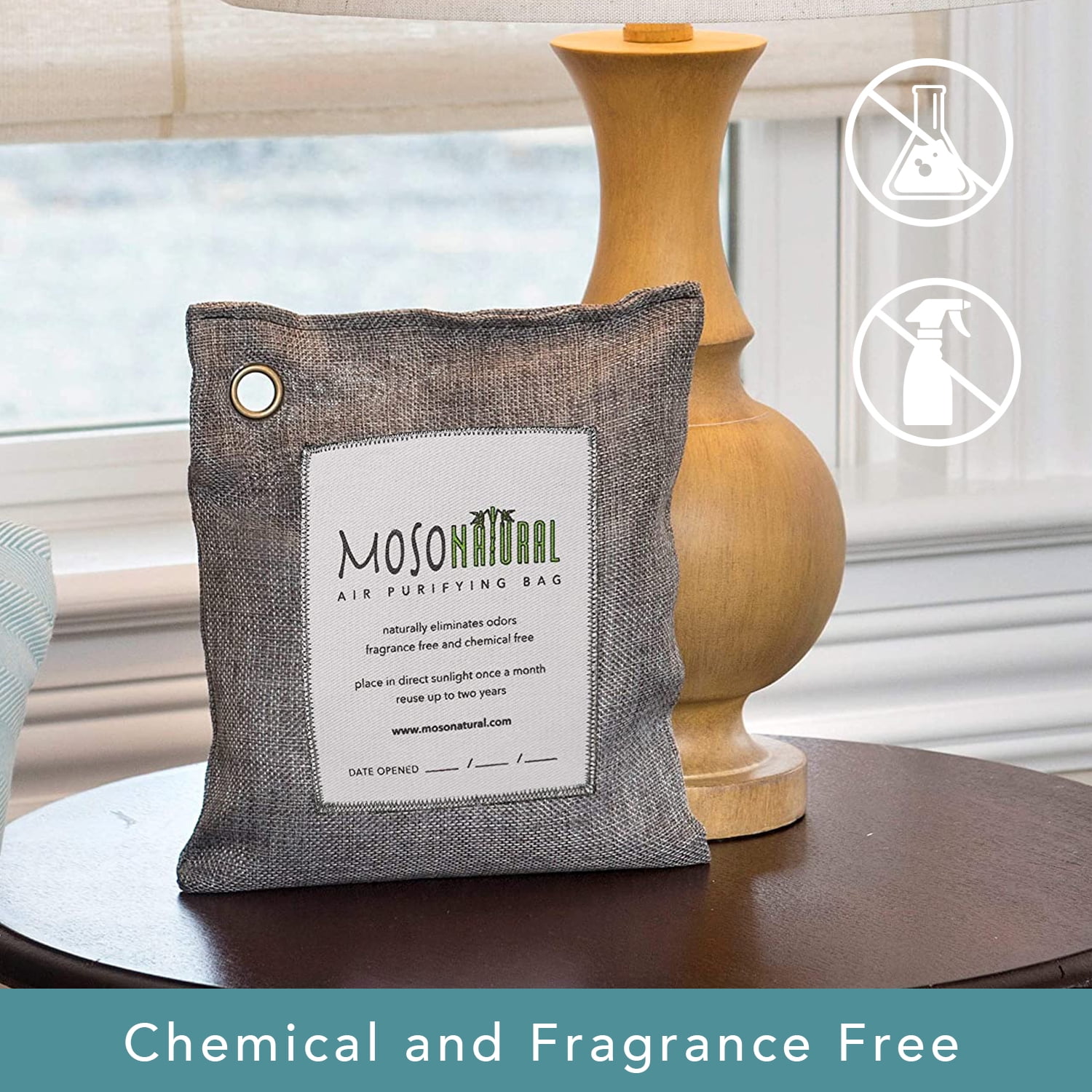
- Bamboo or activated charcoal pouches Great for odors and light damp. Reusable by sun-drying or low-heat baking.
- Zeolite or clay granules Solid, low-cost options for closets and storage bins. Moderate capacity and easy to contain in bags.
- Rock salt Simple and cheap. Works better in cool, damp rooms. Can cake or drip as it dissolves.
- Baking soda Mild and safe. Best for smells and tiny spaces. Expect a slow effect and low capacity.
- Rice Common in myths. It absorbs very little water. It is not ideal for ongoing moisture.
From my field use, charcoal pouches shine in shoes, bags, and gym lockers. Clay works well in camera cases and storage totes. In the match of natural vs chemical moisture absorbers, natural wins on safety and reuse, but it loses on raw power.
Chemical moisture absorbers: options, pros, and cons
Chemical absorbers are salt-based and very thirsty. The top pick is calcium chloride. It draws in water fast and can hold a lot for its size.
You will see tubs, hanging bags, and refill packs. They often drip into a lower tank as they work. This is normal. Replace when the tank fills with brine.
Pros include speed and high capacity. In many tests, calcium chloride can hold two to three times its weight in water under high humidity. Cons include spill risk, corrosion on metals, and the need for safe disposal. Keep away from kids and pets.

Natural vs chemical moisture absorbers: performance head to head
Here is how natural vs chemical moisture absorbers stack up in real life.
- Speed Chemical salts start pulling water within hours. Natural media work slower but steady.
- Capacity Chemical salts can reach very high uptake. Silica gel, charcoal, and clay hold less by weight.
- Reuse Natural media like charcoal and silica gel often recharge with heat or sun. Many chemical tubs are single-use, though some have refills.
- Odor control Charcoal wins for smells. Calcium chloride removes moisture but does not absorb odors as well.
- Safety and mess Natural options have low spill risk. Chemical brine can leak and corrode metal surfaces.
- Cost over time Natural, reusable packs can be cheaper in small spaces. In very damp rooms, chemical salts may be more efficient per pint of water captured.
- Environment Natural options reduce waste and are easy to recharge. Chemical tubs add plastic and brine to dispose of.
If I need to dry a wet basement corner fast, I use calcium chloride. For a closet, shoes, or a guitar case, I use charcoal or silica gel. That mix wins the natural vs chemical moisture absorbers choice in most homes.
Best uses and placement tips
Match the product to the job. Your space and weather matter.
- Closets and wardrobes Use charcoal or silica gel pouches on shelves. Add a small fan or crack the door.
- Bathrooms Use calcium chloride in a spill-proof tub high on a shelf. Vent after showers.
- Basements Use chemical tubs for heavy damp. Pair with a dehumidifier if humidity stays high.
- Cars, RVs, and boats Use silica gel canisters or charcoal pouches for ongoing control. Use chemical salts when storing for months in wet seasons.
- Food and gear storage Use food-safe silica gel for sealed bins. Avoid open salts near metal tools to prevent rust.
- Electronics and cameras Use rechargeable silica gel canisters inside hard cases. Check color-indicator beads to know when to recharge.
Always place units where air can flow. Avoid placing on metal surfaces if you use chemical salts. Use trays to catch drips.

Safety, health, and environmental notes
Most desiccants are safe when used as directed. Charcoal and silica gel are non-toxic but should not be eaten. Some packets have warning labels for pets.
Calcium chloride brine can irritate skin and eyes. It can corrode metal and concrete over time. Keep tubs stable and upright. Empty and rinse containers with care.
For disposal, follow local rules. Many areas allow brine to go to a drain with lots of water. Do not pour near plants. Always read the product label.
In the natural vs chemical moisture absorbers discussion, both sides are safe when used well. The risks mainly come from spills and misuse.
Cost and lifespan: what to expect
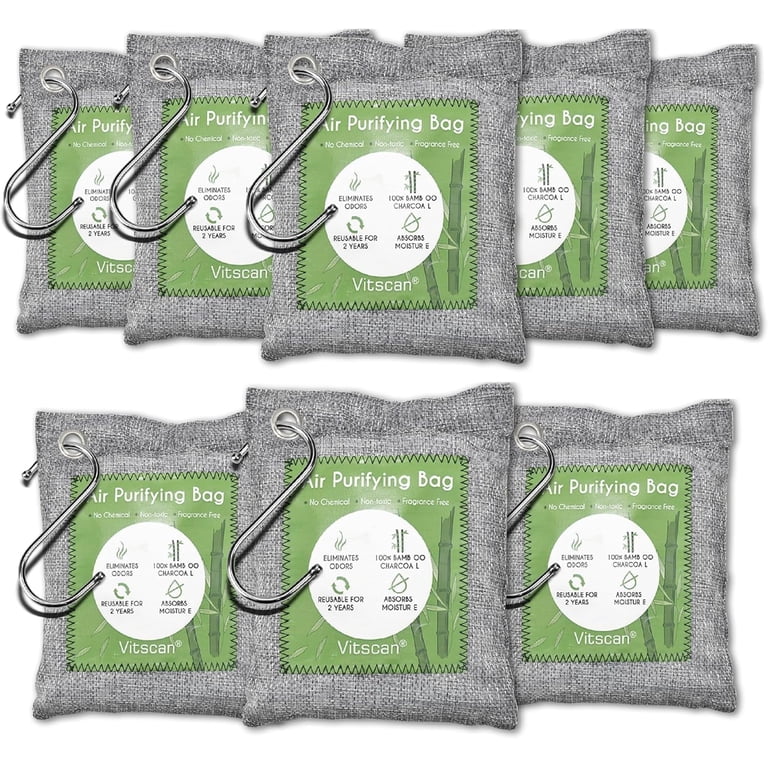
Natural options can be a one-time buy that you recharge. Charcoal and silica gel can last for years if you rotate and dry them on a schedule.
Chemical salts cost more per month in very damp spaces. But they pull more water per day, so you may need fewer units. For short, wet seasons, they can be cost-efficient.
Track your humidity with a simple meter. Replace or recharge based on real readings, not guesswork. This habit saves money in the long run and informs your plan for natural vs chemical moisture absorbers.

DIY setups and maintenance tips
You can make a simple absorber at home. Use a mason jar with holes in the lid. Fill it with silica gel beads or dry clay granules. Add a coffee filter to keep dust in.
To recharge silica gel, bake at low heat, about 250 to 300°F, for two to three hours. Let cool in a dry oven. For charcoal, place pouches in sun or bake low and slow.
Skip rice for serious jobs. It absorbs very little and molds fast. Baking soda helps with odors but not with heavy water. Be honest about your needs when weighing natural vs chemical moisture absorbers.
How to choose the right absorber
Ask a few quick questions to decide between natural vs chemical moisture absorbers.
- How damp is the space If the room is above 60 percent RH for days, use chemical salts or a dehumidifier.
- How big is the space Small spaces do well with natural media. Large rooms need stronger tools.
- Do you need odor control Pick charcoal for smells. Pair with silica gel for drying.
- Is spill risk a concern Choose solid, natural options in kid or pet zones. Use trays if you must use salts.
- Do you want low waste Aim for reusable silica gel or charcoal kits.
Mix and match as needed. I often run a charcoal pouch near clothes and a calcium chloride tub near the door. Balance works best.
Frequently Asked Questions of natural vs chemical moisture absorbers
Are natural moisture absorbers strong enough for a damp basement?
They help, but they work slow. Use chemical salts or a dehumidifier in wet basements, then keep natural options for upkeep.
Can I recharge all desiccants?
You can recharge silica gel and many charcoal pouches. Salt-based products like calcium chloride are usually single-use or refill-only.
Will chemical salts damage my stuff?
The brine can corrode metal and stain. Keep tubs on trays and away from tools, electronics, and carpets.
Do moisture absorbers kill mold?
They reduce moisture, which mold needs to grow. They do not kill existing mold; clean it and control humidity.
Is silica gel natural or chemical?
Silica gel is synthetic but inert and non-toxic. Many people group it with natural options because it is reusable and safe.
Can I use rice to dry my phone?
Rice does little and leaves dust. Use silica gel, power the device off, and seek a repair shop.
How long do moisture absorbers last?
It depends on humidity and size. Expect weeks to months, and check the indicator or brine level often.
Conclusion
Choosing between natural vs chemical moisture absorbers comes down to speed, safety, and the size of your problem. Use chemical salts for fast, heavy drying. Use charcoal and silica gel for daily control, low waste, and odor help.
Start small. Measure your humidity, try one space, and adjust. If this guide helped, subscribe for more simple home fixes, or drop a comment with your moisture challenge.