

Natural moisture absorbers are safe, low-cost materials that soak up excess humidity.
If you are tired of musty closets, foggy windows, or damp shoes, you are in the right place. I have tested natural moisture absorbers in bathrooms, basements, and even in camera bags. This guide explains how natural moisture absorbers work, which ones actually help, and how to use them at home with simple DIY setups. Stick with me and you will control moisture without harsh chemicals, wasted money, or guesswork.
:max_bytes(150000):strip_icc()/diy-dehumidifier-5104638-8b877043001b45c8a1d19c450480e8e8.jpg)
What are natural moisture absorbers and why they matter
Natural moisture absorbers are materials found in nature or made from natural minerals. They pull water from the air and help prevent mold, mildew, and odors. Think of them as tiny sponges that work quietly in the background.
You might use a dehumidifier, and that is great for big rooms. But natural moisture absorbers shine in small spaces. They work well in closets, drawers, cabinets, cars, and storage bins. They cost little and require almost no power or maintenance.
Here is the simple goal. Keep indoor humidity in the 40 to 60 percent range. That level is comfortable for people and tough on mold. Natural moisture absorbers help you hit that sweet spot in small areas.

How humidity works and what numbers to watch
Humidity is the amount of water in the air. Warm air holds more water than cool air. When air cools, the extra water becomes condensation. That is why you see wet windows on cold mornings.
Use a simple hygrometer to check humidity. These devices are cheap and accurate enough for home use. Place one in your problem area. If you see 60 percent or higher for long periods, you need help.
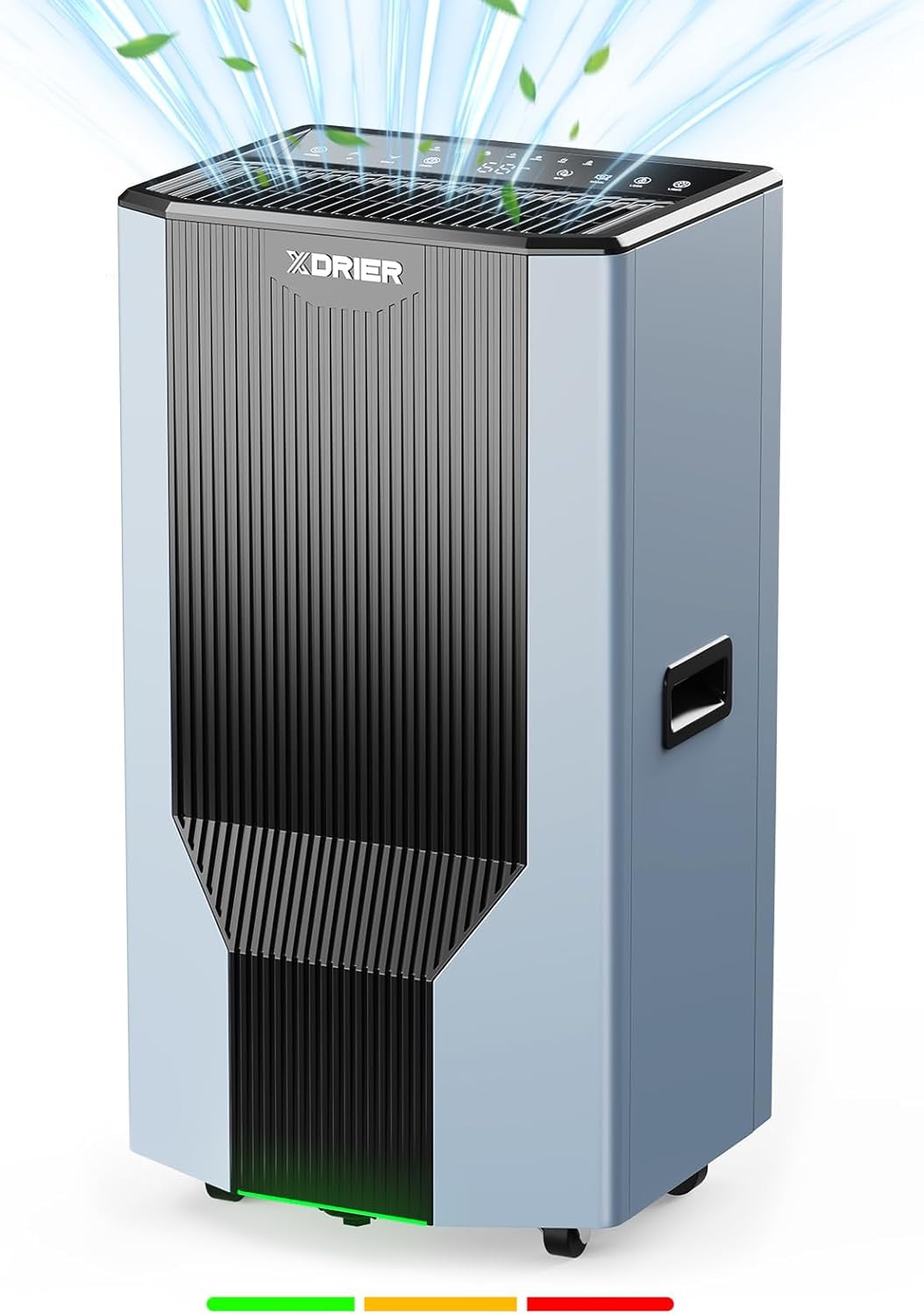
Natural moisture absorbers are most effective in tight or semi-enclosed spaces. They are also helpful as support for a room dehumidifier. Together they reduce spikes and keep odors down.
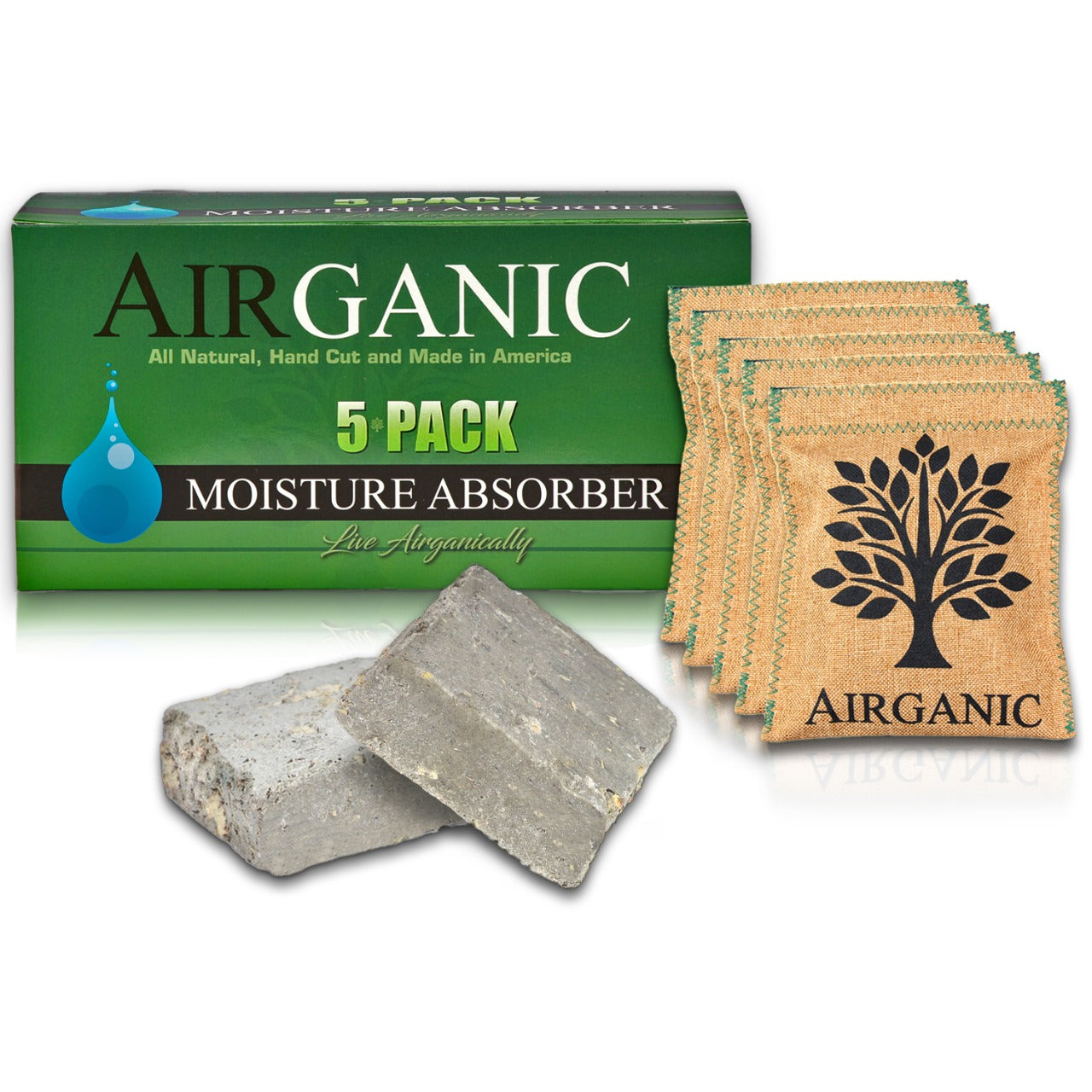
Top natural moisture absorbers, tested and compared
Below are the most useful natural moisture absorbers I have used or audited. Each option has strengths, limits, and best use cases.
Silica gel
- What it is Small beads of amorphous silica that adsorb water on their surface.
- How it performs Strong in small spaces. Can hold up to about 30 to 40 percent of its weight in water at high humidity.
- Best uses Camera bags, toolboxes, shoe boxes, electronics storage.
- Tip Regenerate by heating low and slow in an oven per packet directions.
Activated charcoal
- What it is Carbon with high surface area. Great for odors, fair for moisture.
- How it performs Helps with slight dampness. Not a heavy hitter for high humidity.
- Best uses Fridges, gym bags, closets with mild musty smells.
- Tip Replace or recharge in sun every few weeks for odor control.
Baking soda
- What it is Sodium bicarbonate. Readily available and safe.
- How it performs Modest moisture control. Excellent at odor neutralizing.
- Best uses Fridges, small cabinets, near trash cans, shoe racks.
- Tip Stir or replace monthly for steady results.
Rock salt or coarse sea salt
- What it is Natural salts that attract water. Some salts can pool liquid as they work.
- How it performs Strong pull in closed containers. Can liquefy as it absorbs.
- Best uses DIY jar dehumidifiers in closets or storage bins.
- Tip Use a strainer or tray system to collect the liquid safely.
Clay desiccants
- What it is Bentonite or montmorillonite clay. A classic natural desiccant.
- How it performs Reliable and reusable. Often holds around 20 to 25 percent of its weight.
- Best uses Drawers, gun safes, document boxes.
- Tip Recharge at low heat and avoid soaking.
Diatomaceous earth pouches
- What it is Silica-rich fossil powder. High porosity.
- How it performs Light to moderate moisture control with odor help.
- Best uses Pantry areas, linen cabinets, small containers.
- Tip Keep dust contained in fabric pouches.
Rice
- What it is Dried grain that absorbs some moisture.
- How it performs Weak compared to other options. Better than nothing in a pinch.
- Best uses Temporary fixes in sealed containers.
- Tip Do not use for wet phones. Choose silica gel instead.
From years of use, silica gel and clay desiccants give the best all-around results. Rock salt wins when you need strong pull in a sealed setup. Baking soda and charcoal shine for odor control with mild moisture help.

Simple DIY setups for everyday spaces
You can build natural moisture absorbers in minutes with basic items. These projects are low cost and easy to maintain.
Closet jar dehumidifier
- Place a strainer or mesh cup over a glass jar.
- Fill the top with rock salt. The salt will draw water and drip into the jar.
- Empty the liquid and refill salt as needed.
Drawer or box moisture pack
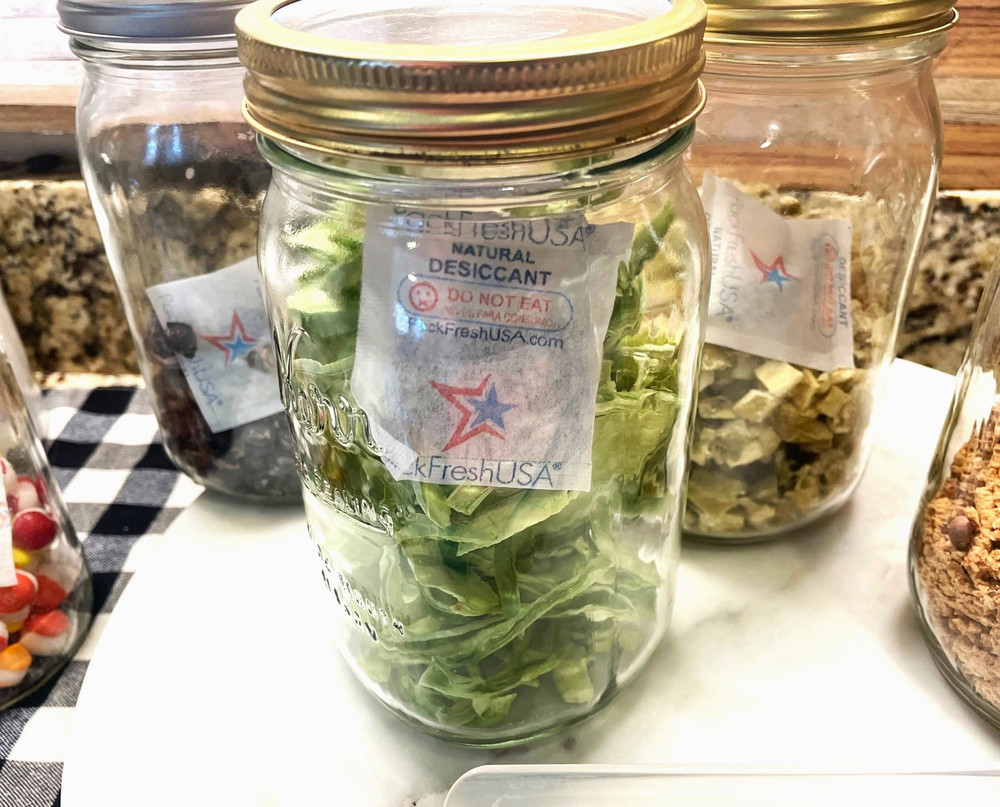
- Fill a cotton sock or muslin bag with silica gel or clay granules.
- Tie it tight and drop it in the drawer or storage box.
- Regenerate the pack in a warm oven when indicator beads change color.
Odor plus moisture combo
- Mix baking soda with a small amount of activated charcoal.
- Place the mix in a breathable pouch or open tin.
- Use in shoe cabinets or gym lockers for fresh air and mild moisture control.
Car or RV kit
- Use two to three clay packs under seats and near windows.
- Rotate packs every month and recharge them.
- Add a charcoal pack to cut stale smells.
I use these in my own home. The closet jar saves my leather jackets. The drawer packs keep old photos crisp. The car kit stops foggy windows in wet seasons.
Where to place natural moisture absorbers for best results
Placement is half the battle. Put the material close to the damp source in a fairly sealed space. Think like air. If air moves fast and the space is open, the effect drops.
Smart placement tips
- Closets Put absorbers on high shelves where warm air gathers.
- Bathrooms Use covered cabinets or behind the toilet away from splashes.
- Kitchens Place in pantry corners and under sinks near pipes.
- Basements Target storage bins and shelving units, not open floor space.
- Shoes and gear Insert small pouches inside each shoe or bag.
Right sizing matters. As a rule of thumb, one medium silica gel pouch works for a shoe box. Two to three work for a closet. For a 10 by 10 foot room, use a dehumidifier and add natural moisture absorbers in cabinets and totes.

Maintenance, recharging, and safety
Natural moisture absorbers last longer with simple care. Set a monthly reminder to check each spot. Replace or regenerate as needed.
Care steps
- Silica gel Follow color indicators or weigh packs to track gain. Dry in oven at low heat.
- Clay pouches Heat gently to release moisture. Do not soak them in water.
- Rock salt Pour off collected liquid and top up with fresh salt.
- Baking soda Replace monthly for best odor control.
- Charcoal Refresh in direct sun or replace every four to six weeks.
Safety notes
- Keep salts and powders away from kids and pets.
- Use containers that do not leak. Liquefied salt can damage wood or fabrics.
- Avoid mixing chemicals. Keep it simple and stick to one absorber per container.
Evidence, myths, and what actually works
Let us clear up a few common claims with practical facts.
- Rice for wet phones Rice is slow and weak. Lab tests show silica gel dries electronics faster and safer. If a device gets wet, power it off, remove the battery if possible, and use silica gel packs in a sealed box.
- Charcoal as a dehumidifier Activated charcoal is great for odors. It helps moisture only a little. Use it with silica gel or clay for balance.
- Bigger is better Not always. Natural moisture absorbers work best in contained spaces. For large, open rooms, use a dehumidifier and add absorbers in closets and cabinets.
- Set and forget Do not. Every absorber has a limit. Track humidity with a hygrometer so you know when to recharge or replace.
In my home tests, natural moisture absorbers cut closet humidity by 10 to 15 percent within a day in mild conditions. In a sealed bin, the drop is faster. In open rooms, the effect is small without a dehumidifier.

Buying guide and eco-friendly choices
Choosing the right product saves time and waste. Look for clear labels and reuse options.
What to look for
- Reusable packs with oven-safe instructions reduce waste and cost.
- Indicator beads show when to recharge without guesswork.
- Breathable cotton or linen pouches avoid plastic and let air move.
- Bulk refills of silica gel or clay cut packaging.
Eco tips
- Recharge rather than toss when possible.
- Use glass jars and metal tins for DIY builds.
- Compost cotton pouches if they are clean and uncoated.
Natural moisture absorbers fit well with a low-waste lifestyle. They use simple materials and last with minimal energy.

Real-life examples and quick wins
Here are small wins you can copy today.
- Photo storage I store prints with two clay packs per box. The paper stays flat and odor free.
- Gym bag A charcoal pouch plus a baking soda tin ends that sour smell.
- Entry closet One rock salt jar on the top shelf keeps jackets crisp in rainy months.
- Camera kit Two silica gel canisters live in my lens case. I recharge them monthly.
- Under-sink cabinet A clay pack beside pipes stops that damp, musty note.
These setups are cheap and robust. They prove how natural moisture absorbers punch above their weight in small spaces.
Frequently Asked Questions of natural moisture absorbers
What are natural moisture absorbers?
They are materials like silica gel, clay, rock salt, charcoal, and baking soda that pull water from air. They are low cost, safe, and ideal for small spaces.
How many natural moisture absorbers do I need?
Use one small pouch for a shoe box and two to three for a closet. For large rooms, use a dehumidifier and place natural moisture absorbers in cabinets and storage bins.
Can I reuse natural moisture absorbers?
Yes, many are reusable. Silica gel and clay can be recharged with gentle heat, while rock salt is replaced when dissolved.
Do natural moisture absorbers remove odors too?
Some do. Charcoal and baking soda excel at cutting odors, while silica gel and clay focus on moisture control.
Are natural moisture absorbers safe around pets and kids?
They are generally safe but should be kept out of reach. Store salts and powders in containers that cannot spill or leak.
Does rice help dry electronics?
Rice helps a little but is slow and weak. Silica gel works better and lowers risk when used in a sealed box.
Conclusion
You do not need fancy gear to beat dampness. Natural moisture absorbers give you a simple, low-cost way to control humidity, protect valuables, and keep odors down. Choose the right material, place it well, and keep a quick maintenance routine.
Try one small project today. Set up a salt jar in your closet or drop silica gel into your camera bag. Track your results with a hygrometer and adjust from there. If this guide helped, subscribe for more smart home tips or share your favorite natural moisture absorbers setup in the comments.