

Museum-quality moisture control keeps humidity steady to protect art, artifacts, and archives.
If you care about preserving collections, this guide is for you. I’ve planned, audited, and tuned museum-quality moisture control for galleries, archives, and traveling exhibitions. Below, I’ll show how to hit stable RH and temperature, avoid damage, and build a system that works in the real world.

What museum-quality moisture control really means
Museum-quality moisture control is a steady, measured way to manage humidity and temperature. It keeps the environment stable, rather than chasing a single “perfect” number. The goal is to reduce risk from moisture swings and keep materials in their comfort zone.
Experts often follow risk-based targets. These targets balance object type, building limits, and energy use. For mixed collections, a common aim is 45–55% RH with slow seasonal drift. The key is tight control and small daily change.
This work blends science and craft. It needs good data, a sealed building, and a tuned HVAC. It also needs trained people who watch the trends and act fast. That is the core of museum-quality moisture control.

Why moisture matters: damage pathways you can stop
Moisture drives many forms of damage. Some harm happens fast. Some harm stacks up over time. With museum-quality moisture control, you stop both.
Common risks include:
- Mold growth above about 65% RH, faster in warm, still air.
- Warping, splitting, and flaking when RH swings, especially for wood, gesso, and paint.
- Corrosion on metals when RH stays high, often above 55% RH for iron and steel.
- Brittleness and curl in paper and vellum when RH is too low, often below 35%.
- Adhesives that creep or fail when RH and temperature move up and down.
Short daily swings can be worse than a steady off-target value. Think of materials like a sponge connected to a spring. They swell and shrink. If you pull and relax again and again, they crack. Museum-quality moisture control reduces those cycles.
Target specs and tolerances that work
There is no one number for all objects. Use a range and control the rate of change. For museum-quality moisture control, set clear targets and limits.
Common targets:
- Mixed collections: 45–55% RH, 64–72°F, daily change ≤ 5% RH and ≤ 5°F.
- Works on paper and books: 40–50% RH, 60–70°F. For long-term storage, cooler is better.
- Photographs and film: 30–40% RH. Cool or cold storage for best life extension.
- Wooden objects and furniture: 40–55% RH with slow seasonal drift.
- Metals: 30–40% RH for ferrous items. Lower is safer for corrosion, as long as coatings and inlays tolerate it.
- Archaeological metals or chloride-contaminated items: 20–30% RH if feasible, often in microclimate cases.
Two notes:
- Rate of change matters. Move setpoints slowly, around 2% RH per week.
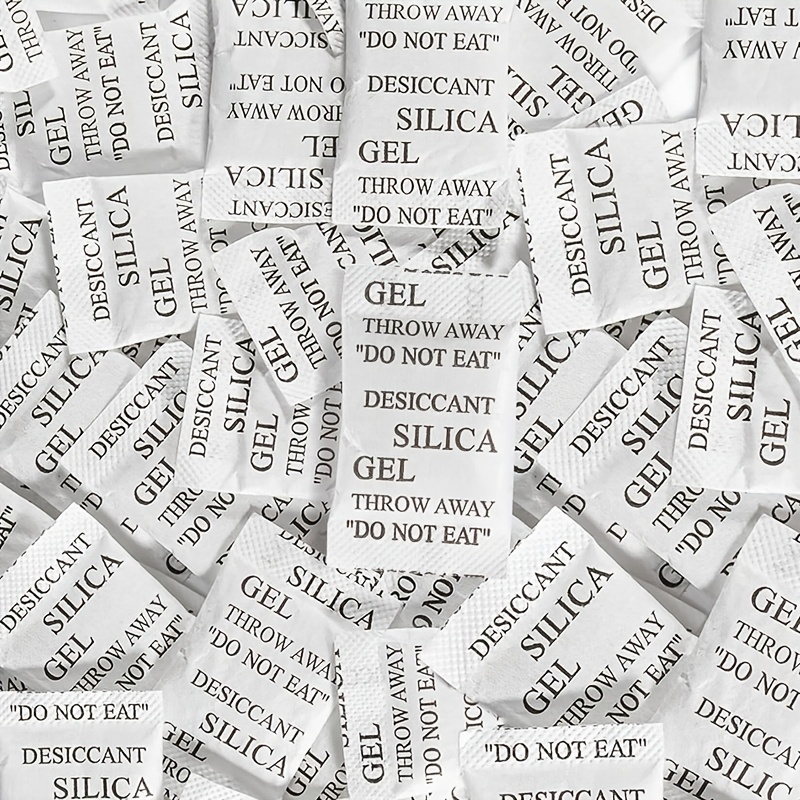
- Microclimates help. Use sealed cases and silica gel to hold a tighter RH. Use 0.1–0.3 air changes per day for quality cases.
These ranges reflect common conservation guidance and HVAC standards. They still need local testing, logging, and judgment.

Monitoring that never blinks
Good control starts with good data. Museum-quality moisture control uses reliable sensors, clear dashboards, and quick alerts.
Best practices:
- Use calibrated data loggers with ±2% RH accuracy or better.
- Place sensors at display height, away from vents, windows, and doors.
- Log every 5–15 minutes. This catches short swings.
- Calibrate at least yearly. Use salt tests or a trusted lab.
- Set alerts for drift, not just hard limits. For example, alert if RH shifts 3% in one hour.
For larger sites, link monitors to a building system. Use trend charts and weekly reviews. Tag events like storms, tours, or deliveries, then match them to data. That is how museum-quality moisture control stays ahead of problems.
HVAC, humidifiers, and dehumidifiers that play as a team
The HVAC is the engine of museum-quality moisture control. It must condition air, not just cool it.
Core elements:
- Dehumidification: Cooling coils pull out water. Reheat brings air back to a stable temperature. Desiccant wheels help in wet climates or for low-temp rooms.
- Humidification: Isothermal steam is stable and clean. Ultrasonic is efficient but needs pure water and tight maintenance.
- Filtration and airflow: Use high-grade filters. Keep air mixing even and gentle.
- Controls: Use PID loops with slow ramp rates. Add deadbands to prevent short cycling. Add N+1 redundancy for key rooms.
Right-sizing matters. Oversized gear cycles too fast. Undersized gear runs hot and fails when you need it most. Commission the system. Test with step changes. Tune the loops. That is museum-quality moisture control in action.

Building envelope and cases: the quiet heroes
You cannot win a humidity fight with a leaky building. The envelope sets the baseline. Display and storage cases finish the job.
Focus on:
- Air sealing at docks, doors, and roof joints.
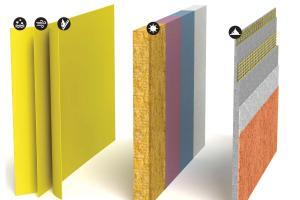
- Vapor control layers that fit the climate.
- Proper insulation to avoid cold spots and condensation.
- Vestibules and air curtains in busy entries.
- Drains, gutters, and grade that push water away.
For cases and cabinets:
- Aim for very low leakage. Around 0.1–0.3 air changes per day is strong.
- Use gaskets and low-permeance materials.
- Charge with pre-conditioned silica gel or molecular sieves.
- Add small data loggers inside to confirm stability.
This passive layer makes museum-quality moisture control cheaper and more robust. It cuts energy use and lowers risk during outages.
Operations and emergency response
Daily habits hold the line. Museum-quality moisture control depends on people who know what to do when the weather turns or a pipe leaks.
Practical steps:
- Housekeeping: Dry mopping, fast spill cleanup, and regular drain checks.
- Seasonal ramps: Move setpoints slowly. Update labels so staff knows current targets.
- Loan prep: Stabilize objects well before transit. Use buffered packing.
- Water response: Keep kits with fans, plastic sheeting, and wet-vac units. Train a call tree. Run drills.
- Mold protocol: Isolate, dry, and assess. Use PPE. Document each step.
Write simple checklists. Post them in the plant room. Train all shifts. That is how museum-quality moisture control survives stress.

Data, analytics, and preventive maintenance
Trends tell the truth. When I audit a site, I start with the data. Museum-quality moisture control uses analytics to catch small drift before it grows.
Build a rhythm:
- Weekly review of RH and temperature charts.
- Monthly variance and rate-of-change reports.
- Seasonal playbooks for known weak spots.
Maintenance to schedule:
- Clean coils, pans, and drains.
- Replace filters on time. Upgrade to higher MERV where possible.
- Inspect steam humidifiers for mineral scale and wetting issues.
- Test alarms and failover dampers.
- Replace case gaskets on a cycle, not only when they fail.
Use a simple dashboard with red, yellow, and green indicators. Keep it visible to facilities and collections teams.
Budgeting and ROI: spend where it saves risk
Not every museum can install a new AHU today. Museum-quality moisture control scales. Start with what gives the biggest risk drop per dollar.
High-impact moves:
- Seal the building first. Air leaks waste control energy.
- Add data loggers and alerts. You cannot fix what you cannot see.
- Use portable dehumidifiers or humidifiers in small zones, with drip-safe drains and DI water.
- Improve cases with better gaskets and silica gel cassettes.
- Adjust hours and setpoints for energy without risk, using slow ramps.
Quantify risk. List object value, sensitivity, and exposure time. Compare to project cost and energy use. This helps win grants and board support for museum-quality moisture control.
Case story: fixing a damp gallery the simple way
A few summers ago, a riverfront gallery kept hitting 62–68% RH in the afternoons. Paintings cupped. Staff wiped condensation off a steel pedestal one morning. We needed a fast, safe fix.
We found three issues. A dock door leaked air. A coil valve stuck half-open. The control loop reacted too fast and overshot. We sealed the dock with better sweeps, freed the valve, and slowed the RH ramp to 1% per hour. We also set the target to 47% RH for the wet season and added a small desiccant unit for peak days. Within a week, the data flattened. No more cup. Lesson learned: museum-quality moisture control is a chain. Fix the weakest link first.
One mistake I made early on was drying too fast after a storm. A gesso frame cracked along a seam. Since then, I step RH down in small steps and let objects catch up.
Implementation checklist
Use this quick path to museum-quality moisture control.
- Define targets and tolerances for each space and collection type.
- Install or verify calibrated RH and temperature loggers.
- Seal major air leaks and fix drainage issues.
- Tune HVAC controls for slow ramps and stable loops.
- Add or service humidifiers and dehumidifiers as needed.
- Upgrade filters and improve airflow balance.
- Improve display and storage cases with better seals and silica gel.
- Set alerts for drift and create a response plan.
- Train staff in daily checks, water response, and mold safety.
- Review trends weekly and adjust setpoints seasonally.
- Schedule preventive maintenance with clear owners and dates.
- Document changes and results to build long-term stability.
Follow these steps in order. You will see quick wins and steady gains in museum-quality moisture control.
Frequently Asked Questions of museum-quality moisture control
What is museum-quality moisture control?
It is the practice of keeping humidity and temperature stable to protect collections. It uses data, HVAC, cases, and habits to limit risk.
What RH and temperature should I aim for?
For mixed collections, 45–55% RH and 64–72°F works well. Keep daily swings small, and adjust by season with slow ramps.
How fast can I change RH without harm?
Move in small steps, around 1–2% RH per day. Slower is safer for fragile or layered objects.
Do I need a microclimate case?
Use a case when the room cannot hold a tight range or the object is very sensitive. A sealed case with silica gel can hold RH steady for weeks.
How often should I calibrate sensors?
At least once a year, and after any shock or repair. Use a known reference and document the offset.
What causes sudden RH spikes?
Common causes are door openings, wet weather, stuck valves, or coil drainage issues. Look for airflow problems and recent changes in settings.
Is cold storage needed for photographs and film?
Yes for best life, but plan it well. Cold storage needs stable RH, proper packing, and strict handling steps.
Can I do this on a small budget?
Yes. Start with sealing, logging, and case improvements. Add portable units carefully and watch drainage and water quality.
Conclusion
Good care is steady care. With clear targets, tight monitoring, and a tuned building, museum-quality moisture control becomes part of daily work, not a crisis task. Start small, fix the weak links, and build habits that last.
Make one change this week, even if it’s just adding two loggers and sealing one door. Your future self—and your collection—will thank you. If you found this helpful, subscribe for more guides, or leave a question and I’ll help you troubleshoot your next step.