

Moisture problems in humid climates spark mold, rot, odors, and higher energy use.
If you live where the air feels thick, you know the struggle. I help homeowners fix moisture problems in humid climates, from beach condos to swampy basements. In this guide, I share what works, what fails, and how to stay dry without stress. Stick with me, and you will learn how to stop moisture problems in humid climates for good.

Why humid air causes trouble: the science of moisture problems in humid climates
Humid air holds a lot of water. When that warm, wet air hits a cool surface, water forms. That is condensation. It feeds mold, stains walls, and smells bad.
Moisture moves three ways. It rides air leaks. It soaks through materials. It diffuses as vapor. In humid zones, air leaks do the most damage. Stop the leaks, and you cut most of the risk from moisture problems in humid climates.
Temperature matters. Dew point is the magic line. If a surface is at or below the dew point, water appears. Keep surfaces warm and air dry, and you stay safe.
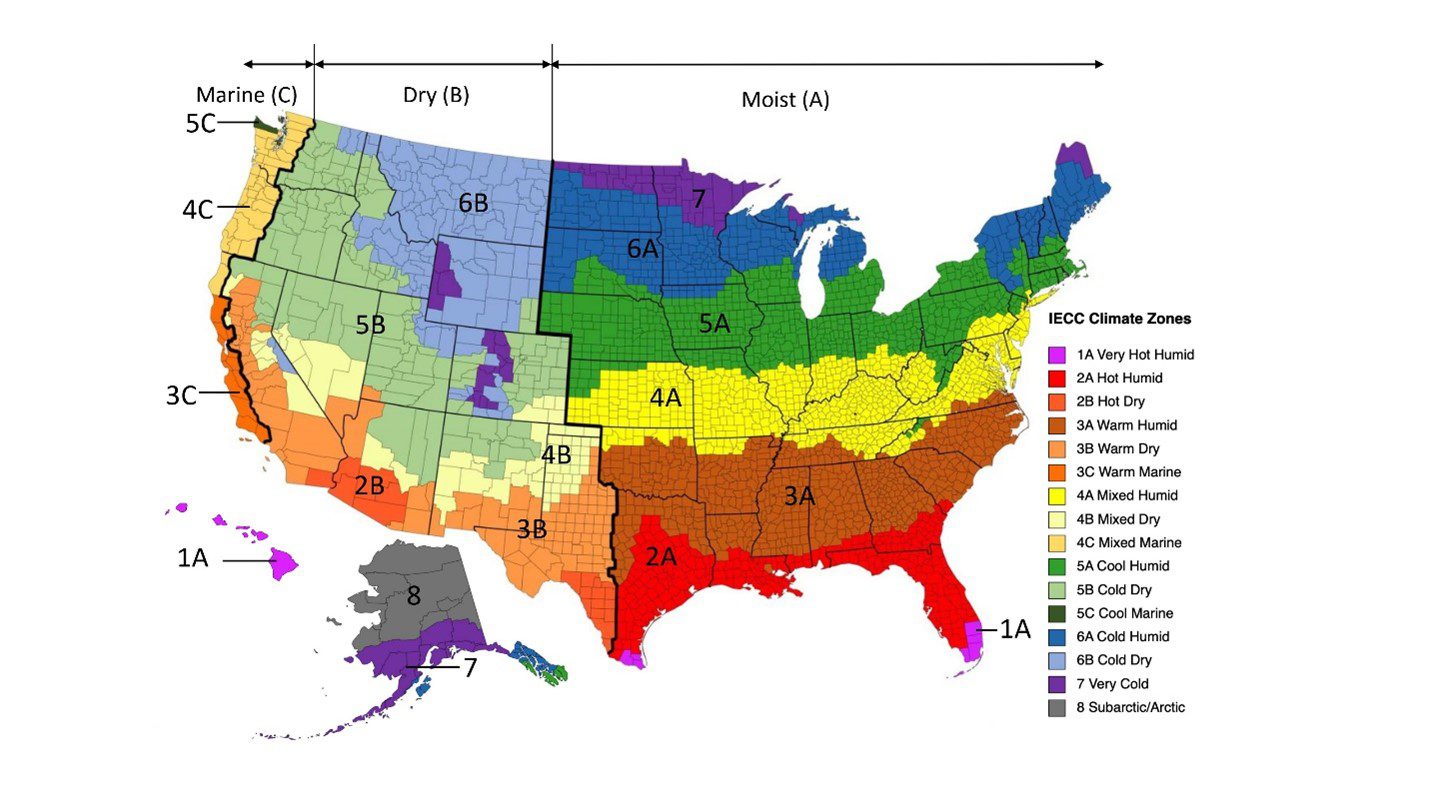
Signs you have moisture problems in humid climates
Some signs shout. Others whisper. Catch them early.
Common signs include:
- Musty smells in closets, rooms, or the HVAC.
- Condensation on windows, ducts, or toilet tanks.
- Sticky air even when the AC runs.
- Peeling paint, bubbled drywall, or dark spots.
- High indoor humidity above 60 percent.
Listen to your body too. Irritated eyes, stuffy nose, or cough can be clues. These are all linked to moisture problems in humid climates.

Health and home risks you should not ignore
High humidity wakes up dust mites and mold. Both can trigger asthma and allergies. People with weak lungs feel it first.
Your home suffers too. Wood swells and warps. Fasteners rust. Insulation sags and loses power. Over time, moisture problems in humid climates can rot framing and shorten roof life.
Energy bills spike as well. Your AC must cool and dry at once. That takes more power, more time, and more money.
.png)
How to measure and diagnose the problem
You cannot fix what you do not measure. Start with a simple plan.
Use these tools:
- A reliable hygrometer for room humidity.
- A data logger to track day and night swings.
- An infrared camera to spot cool, wet spots.
- A smoke pencil to find air leaks.
Aim for 40 to 55 percent indoor humidity. Track for at least a week. Note weather, showers, cooking, and laundry. This shows patterns tied to moisture problems in humid climates.
Check your HVAC. Look at the filter, coil, and drain. Make sure the drain pan is clean and pitched. A clogged pan can flood the air handler and feed mold.

Design and renovation strategies that work in humid zones
Good design fights water on all fronts. It blocks rain, limits vapor, and controls air.
Key steps for builders and remodelers:
- Air seal the shell. Seal top plates, rim joists, and penetrations. Air leaks drive most moisture in.
- Insulate right. Use the correct R-value and avoid gaps. Warm interior surfaces prevent condensation.
- Place vapor control wisely. In humid climates, use smart membranes or vapor-open assemblies that can dry both ways.
- Vent right. Balance fresh air with exhaust. Use dedicated supplies and test flows.
- Condition the air. Size the HVAC to the load. Include dehumidification if needed to handle moisture problems in humid climates.
Pay attention to ducts. Keep them inside the thermal envelope if you can. No leaky ducts in hot attics. Leaks pull wet air in and cause sweat on metal.

Daily habits and quick fixes that make a real difference
Small moves help a lot. Stack a few, and the air gets crisp fast.
Try these:
- Run bath and kitchen fans during and after use. Fifteen to twenty minutes helps.
- Dry clothes with a vented dryer. Clean the lint path so air moves well.
- Keep doors open between rooms. This evens out air and temperature.
- Set AC to auto, not on. Fan-only mode can re-evaporate water from the coil.
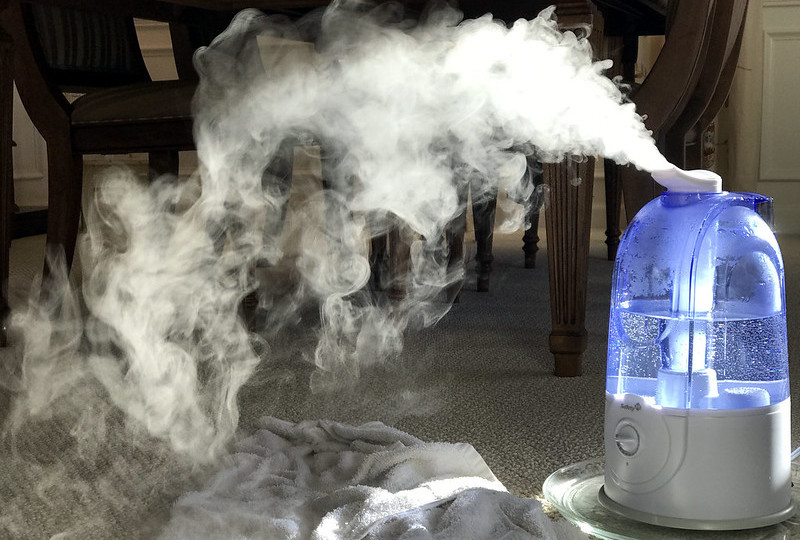
- Use a stand-alone dehumidifier where needed. This is a simple way to cut moisture problems in humid climates.
Watch indoor plants and aquariums. Too many can raise humidity. Place them in well-vented spots.
Room-by-room playbook
Attics
Seal all ceiling leaks first. Add proper soffit and ridge vents if the attic is vented. Keep bathroom fans ducted outdoors, not into the attic.
Crawl spaces
Aim for a dry, sealed crawl. Install a thick ground cover and tape the seams. Add perimeter air sealing and, if needed, a small dehumidifier.
Bathrooms
Use a quiet, strong fan. Vent it outside and run it long enough. Wipe down wet surfaces to reduce load.
Kitchens
Use a vented range hood. Boil with lids on. Fix any leaks at the sink or dishwasher fast.
Basements and slabs
Channel water away with grade and gutters. Seal cracks. Use a dehumidifier and keep storage off walls to prevent hidden moisture problems in humid climates.
Real-world example and lessons learned
A family on the Gulf coast called me about musty rooms. The AC ran all day. Still, their windows sweated and walls felt damp. Classic moisture problems in humid climates.
We found big attic air leaks and an oversized AC. We sealed the leaks, adjusted airflow, and added a whole-home dehumidifier. Within two days, humidity dropped to 50 percent. The smell faded, and the coil stayed dry. Their power bill fell by double digits the next month.
Lessons learned:
- Seal first. Then right-size and balance the HVAC.
- Do not chase smells with perfumes. Remove the cause.
- Track results. Data builds trust and guides tweaks.
Costs, ROI, and mistakes to avoid
Budget matters. You can stage work for the best return.
Low-cost wins:
- Hygrometers for each floor.
- Bath and kitchen fan timers.
- Targeted air sealing with foam and caulk.
Mid-cost upgrades:
- Duct sealing and balancing.
- Stand-alone dehumidifier with hose drain.
- Smart thermostat with humidity control.
Higher-cost projects:
- Right-size HVAC with dedicated dehumidification.
- Envelope rehab with better insulation and air control.
- Crawl space encapsulation to stop moisture problems in humid climates.
Common mistakes:
- Oversizing AC units. Big units short-cycle and do not dry air.
- Skipping air sealing. Insulation alone will not stop wet air.
- Venting into attics or crawl spaces. Always vent outdoors.
Seasonal checklist for humid weather
Spring
- Service the HVAC. Clean coils and confirm the drain is clear.
- Check gutters and grade. Move water away from walls.
Summer
- Set indoor humidity to 50 percent.
- Run fans when you cook and shower.
Fall
- Inspect ducts for leaks and sweat.
- Test window seals and door gaskets.
Winter
- Watch for condensation on windows.
- Keep indoor plants in check to manage moisture problems in humid climates.
Year-round
- Fix plumbing leaks fast.
- Log humidity weekly, then adjust your plan.
Frequently Asked Questions of moisture problems in humid climates
What indoor humidity level should I aim for?
Aim for 40 to 55 percent. This range reduces mold, mites, and musty smells without drying your skin.
Does running the AC fan all the time help?
No. Fan-only mode can lift water off the coil and back into the air. Use auto so the coil can drain.
Will a dehumidifier raise my power bill?
It uses power, but it often lowers AC run time. Many homes see a net drop in total energy and much better comfort.
How do I know if my AC is oversized?
Short run times, big swings in temperature, and sticky air are clues. A load calculation confirms the right size.
Are vapor barriers a good idea in humid climates?
Not always. Use smart vapor control and let assemblies dry. Focus first on air sealing and bulk water control.
Can houseplants cause humidity issues?
A few plants are fine. Many large plants or big aquariums can raise humidity, so place and vent them well.
Conclusion
Moisture thrives where warm, wet air meets cool surfaces. With smart habits, good air sealing, right-sized HVAC, and steady dehumidification, you can stop mold, protect your home, and breathe easy. Start small today, measure your results, and build on each win.
Take one step now. Pick a hygrometer, set a 50 percent goal, and run your bath fan with a timer. Want more tips like this? Subscribe, ask a question, or share your own story so others can beat moisture problems in humid climates too.