

Moisture in shoe storage breeds odor, mold, and ruins leather and sneakers.
If you battle musty closets or damp sneakers, you’re not alone. I’ve helped homes and small shops fix moisture in shoe storage for years, and the pattern is clear. With the right setup, you can stop damage before it starts. This guide shows how moisture in shoe storage happens, what it ruins, and the exact steps to control it like a pro.
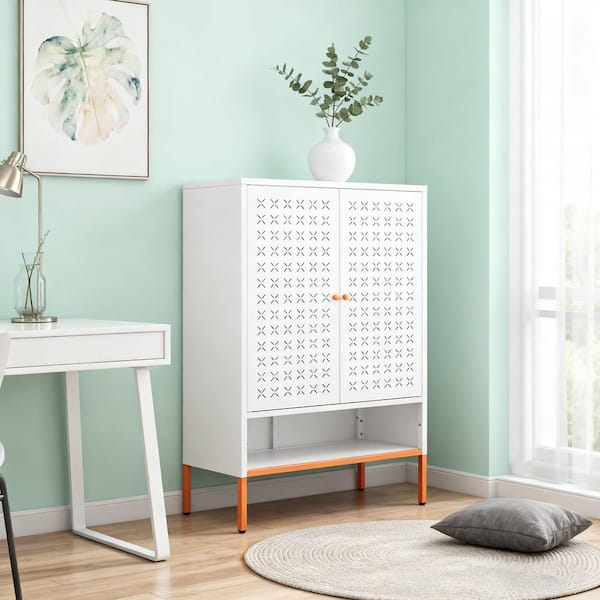
Understanding moisture in shoe storage
Moisture is water in the air or trapped in materials. Shoes soak it up fast. Leather, suede, foam, and fabric all hold damp air like a sponge.
When relative humidity rises, shoes cannot dry. Odor starts. Mold follows. Most closets have poor airflow, so moisture in shoe storage builds up day by day.
Good control is simple. Keep air moving. Keep humidity stable. Dry shoes before you store them. That one habit prevents most damage.

Why moisture builds up in shoe storage
Several small things stack up and create big damp zones.
- Wet shoes placed inside right after a walk trap water in the box or cabinet.
- No airflow in closets keeps humidity stuck around shoes.
- Plastic bins seal air, so moisture has nowhere to go.
- Basements and entry closets often sit at 60–70% RH or higher.
- Seasonal swings cause condensation on cool walls and shelves.
If you reduce one or two of these, moisture in shoe storage drops fast.
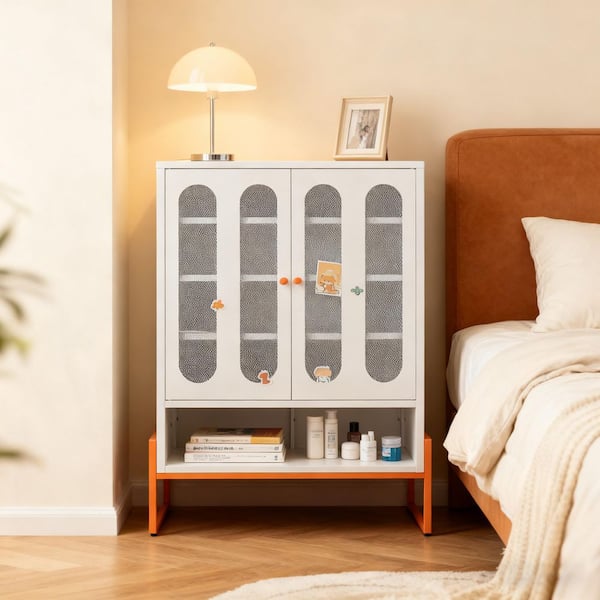
Risks of moisture in shoe storage
Moisture is not only an odor issue. It is a slow, quiet destroyer.
- Mold and mildew grow when RH stays above about 65%.
- Leather can stain, warp, and lose oils.
- Foam midsoles break down faster in damp heat.
- Metals like eyelets and zippers can rust.
- Glues can weaken, which causes sole separation.
Left alone, moisture in shoe storage can cut the life of a pair in half.

How to measure and monitor moisture in shoe storage
You cannot manage what you do not measure. A small tool can save big money.
- Use a digital hygrometer in the closet or cabinet. Aim for 45–55% RH.
- Log a week of readings. Watch mornings and rainy days.
- If RH sits above 60%, add a dehumidifier or more airflow.
- Check shoes with your hand. If they feel cool and damp, they are not dry.
I place one hygrometer on the top shelf and one near the floor. Floor zones are often wetter.
Preventing moisture in shoe storage: step-by-step
Here is a simple plan I use in homes and shops.
-
Dry before storing
- Air-dry shoes 12–24 hours after use.
- Remove insoles. Stuff with plain paper to wick moisture.
-
Improve airflow
- Leave a small gap between shoes.
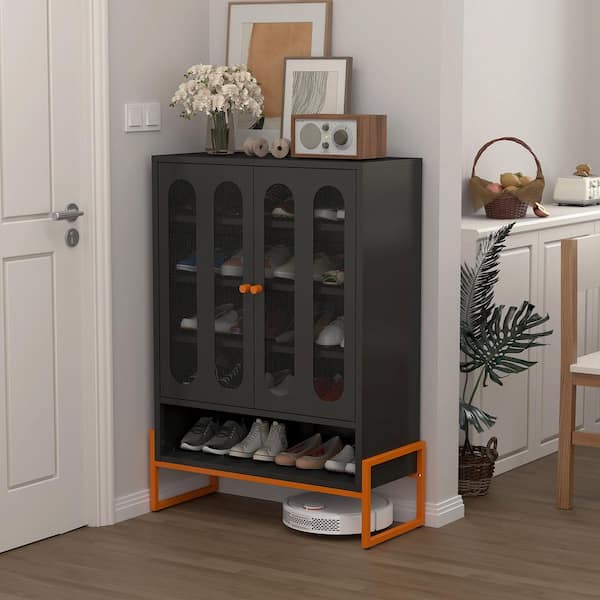
- Use vented racks or cabinets with vents or mesh doors.
-
Control humidity
- Keep RH around 50%.
- Run a small dehumidifier or a bathroom fan after showers.
-
Add moisture control tools
- Place silica gel, clay, or charcoal packs in each bin.
- Refresh or bake silica packs monthly.
-
Choose smart containers
- Use breathable cotton bags or vented plastic bins.
- Avoid sealing wet shoes in boxes.
-
Set a routine
- Rotate desiccants on the first weekend of the month.
- Quick sniff test and wipe-down every two weeks.
Do this, and moisture in shoe storage becomes a non-issue.

Best materials and products to control moisture in shoe storage
Some tools work better than others. Use simple, proven options.
- Silica gel packs pull water from air fast. Reusable when baked dry.
- Activated charcoal reduces odor and helps with dampness.
- Cedar blocks add light control and scent but are not a full solution.
- Unfinished wood shelves buffer humidity better than glass or metal.
- Small dehumidifiers work well in closets with doors.
I test with pairs of identical sneakers. One with silica gel, one without. The pair with silica stays fresh longer and smells clean.
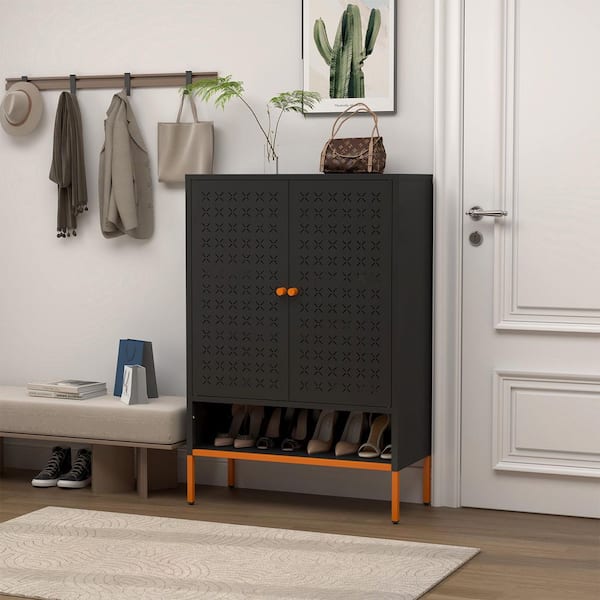
Storage setups: closets, racks, boxes, and bags
Your layout matters as much as your tools.
-
Closets
- Add a vent gap at the door bottom.
- Use a fan on a timer if RH is high.
-
Racks and open shelves
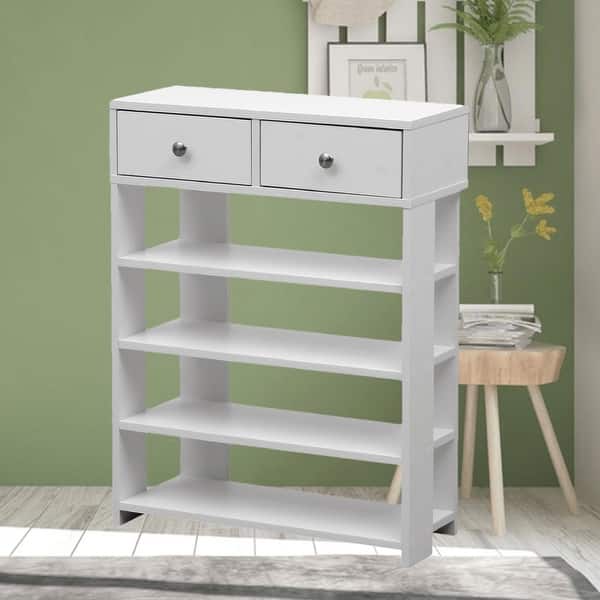
- Best airflow, lowest risk.
- Keep shoes off the floor in damp rooms.
-
Boxes
- Choose boxes with vents.
- Add a silica pack per box.
-
Bags
- Cotton or mesh bags are ideal.
- Skip plastic unless shoes are fully dry.
Match your setup to your climate. This cuts moisture in shoe storage in a big way.

Care by material: leather, suede, sneakers, boots
Different materials need different care.
-
Leather
- Wipe with a damp cloth, then dry.
- Condition after full dry to keep oils balanced.
-
Suede and nubuck
- Brush dry only.
- Use a protector spray. Avoid steam and heat.
-
Knit and mesh sneakers
- Remove insoles. Air-dry with paper.
- Never store damp after workouts.
-
Boots
- Use boot trees to keep shape and airflow.
- Dry soles and welts well before storage.
These steps limit moisture in shoe storage and keep materials strong.
Fixing damage: odor, mold, and mildew removal
If you already have issues, act fast but gentle.
-
Odor control
- Air out in shade.
- Use baking soda in a bag overnight. Replace insoles if needed.
-
Light mildew
- Wipe with a cloth dipped in a mild mix of water and alcohol.
- Dry in moving air. Add silica packs.
-
Visible mold
- Wear gloves and a mask.
- Clean with a mild cleaner safe for the material.
- Dry fully and monitor RH for a week.
If mold returns, the storage RH is too high. Fix that or moisture in shoe storage will win again.
Seasonal and climate-specific tips
Weather shifts can undo good storage. Adjust with the season.
-
Humid summers
- Run a dehumidifier near the closet.
- Rotate desiccants every two weeks.
-
Wet winters
- Keep a boot tray by the door.
- Dry with paper and room airflow before storage.
-
Dry climates
- Over-dry air can crack leather.
- Use a leather conditioner and avoid heat vents.
These tweaks keep moisture in shoe storage under control all year.
Budget vs. premium solutions
You do not need to spend much to get results.
-
Budget
- Paper stuffing, DIY silica packs, vented shoe racks.
- A basic hygrometer is cheap and vital.
-
Mid-range
- Vented boxes, cedar inserts, quiet mini dehumidifier.
- Leather care kit and protector sprays.
-
Premium
- Climate-controlled cabinets, smart sensors with app alerts.
- Professional cleaning and conditioning services.
Choose what fits your space. The key is to measure and act. That alone fixes most moisture in shoe storage problems.
Frequently Asked Questions of moisture in shoe storage
What is the ideal humidity for shoes in storage?
Aim for 45–55% relative humidity. This range keeps materials stable and blocks mold growth.
How do I know if my shoes are dry enough to store?
They should feel room-warm, not cool to the touch. Insoles and seams must be dry.
Do silica gel packs really work?
Yes, they absorb excess moisture around shoes. Bake them to recharge and reuse.
Can I store shoes in plastic boxes?
Yes, if the shoes are fully dry and the box is vented. Add a silica pack to each box.
How often should I replace moisture absorbers?
Check monthly and refresh or replace as needed. Humid seasons may need a faster cycle.
Will a dehumidifier in the hallway help the closet?
It can, but airflow into the closet is key. Add a door vent or a small fan for best results.
Conclusion
Moisture in shoe storage is a simple problem with clear fixes. Dry the shoes first. Keep air moving. Hold humidity near 50%. Use silica packs, smart containers, and a small routine.
Start with one step today. Place a hygrometer in your closet and note the number. If it is high, add airflow or a dehumidifier. Want more tips? Subscribe, share your setup, or ask a question so we can fine-tune your plan together.