

Moisture in electrical panels causes corrosion, tripping, fires, and costly downtime.
If you care about equipment life and safety, keep reading. I’ve inspected and fixed hundreds of cabinets in plants, data rooms, and homes. This guide explains moisture in electrical panels in clear steps. You will learn how to spot it, stop it, and prevent it for good.
Why moisture gets into electrical panels
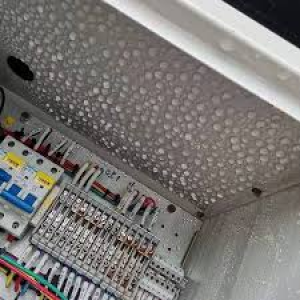
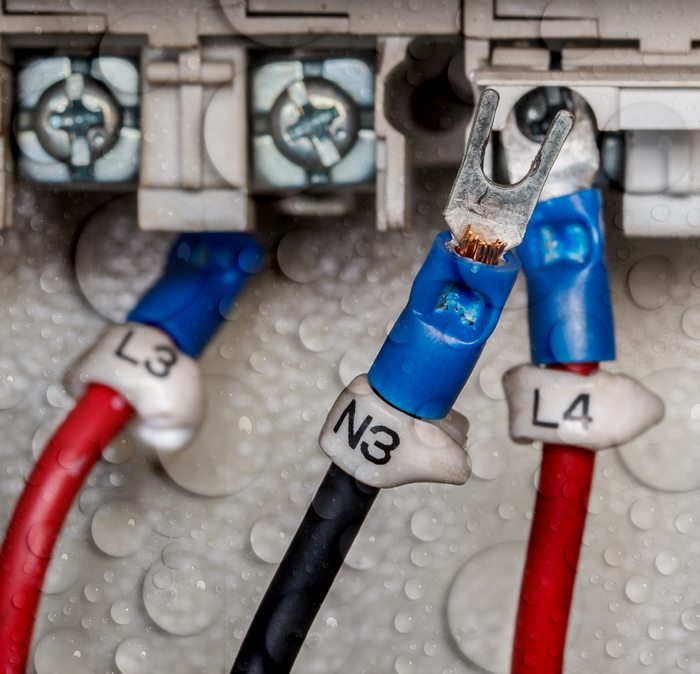
Moisture sneaks in many ways. A rainy day is not the only cause. Warm, humid air meets a cool panel and turns to water. Small leaks at the top of enclosures drip onto live parts. Washdown cycles push water through poor seals. Conduit acts like a straw and wicks water inside.
Common sources include:
- Condensation from temperature swings and high humidity
- Roof leaks, wall leaks, or wind-driven rain
- Poor gaskets, missing knock-out seals, or loose screws
- Unsealed conduits and no drip loops
- HVAC issues that cool the panel below room dew point
- Steam, washdown, or sprinkler overspray
I often see moisture in electrical panels from a small gap around conduit hubs. That tiny gap is a highway for humid air. Fix the gap, and many headaches stop.

What moisture does to a panel
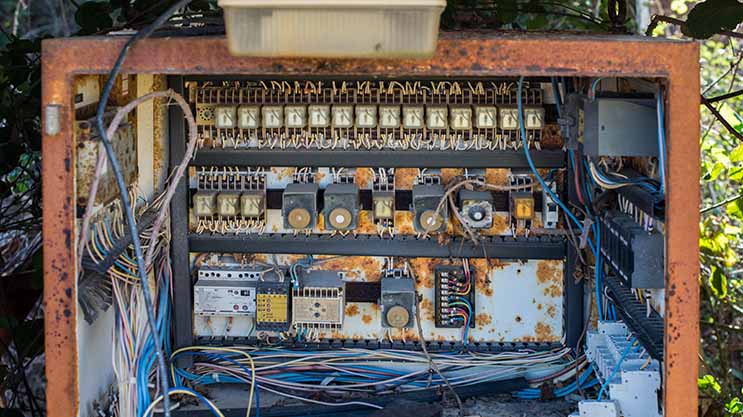
Water is not the only problem. Even high humidity harms parts. Metals corrode. Insulation absorbs water and weakens. Circuits arc and trip. Labels peel off. The panel loses its rating.
Main risks of moisture in electrical panels:
- Corrosion on lugs, bus bars, and breaker frames
- Nuisance tripping from ground faults and leakage
- Insulation breakdown and arc flash hazards
- Sensor drift and control failure in PLC cabinets
- Mold growth and a musty smell that signals deeper issues
Industry tests show wet gear fails faster. Many makers void warranties when moisture is present. The hidden cost can be high.
How to detect moisture early
Do not wait for a trip or a flash. Use your eyes and nose first. Then add simple tools.
What to look for:
- Foggy covers, water beads, or rust stains
- White or green powder on copper or brass
- Dark spots near terminations and bus bars
- Musty odor when you open the door
- Drip trails from the top or hubs
Tools that help:
- Infrared camera to spot cold spots and damp zones
- Hygrometer to check relative humidity in and out of the panel
- Dew point chart or app to compare panel temp vs dew point
- Insulation resistance tester for cables and windings
- Contact moisture meter for wood backboards
When I suspect moisture in electrical panels, I log temperature and humidity for one week. Spikes after sunset often reveal condensation cycles.

Root causes you can control
You cannot stop rain. You can control how a panel handles it. The goal is to keep water out and let any vapor breathe out.
Focus on these areas:
- Enclosure rating that matches the site (NEMA or IP)
- Tight door seal, clean gasket, and proper latch pressure
- Weather head, rain hood, and drip edge above outdoor panels
- Sealed hubs and formed drip loops on each conduit
- Breathable vents or drain plugs where allowed
- Panel siting away from roof leaks and washdown zones
Review loads and heat, too. Cold metal invites condensation. Gentle panel heat often solves the core issue.
Design and prevention best practices
Good design makes maintenance easy and safe. It also cuts life-cycle cost.
Practical steps:
- Choose the right enclosure rating. Use NEMA 3R, 4, or 4X outdoors or in washdown. Follow maker guidance.
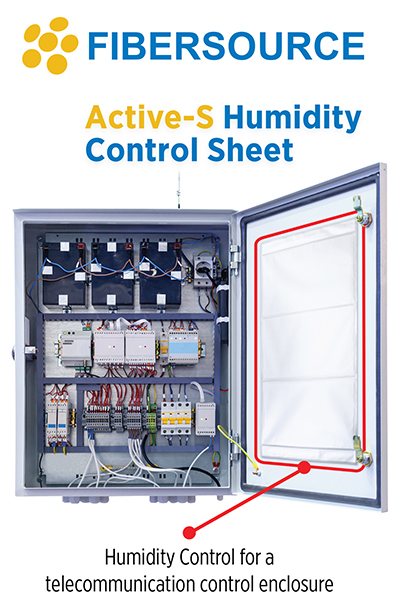
- Add anti-condensation heaters with a thermostat or hygrostat.
- Use hydrophobic vents that equalize pressure yet block water.
- Install drain fittings at the low point if the rating allows it.
- Seal all conduit entries. Use rated fittings. Make drip loops.
- Isolate wet processes. Add barriers or splash shields.
- Control room humidity with dehumidifiers where needed.
I like a small heater with a hygrostat. It keeps parts a bit warmer than air. That tiny delta stops condensation inside the box.

Fixing an active moisture problem, step by step
Safety first. If you are not qualified, hire a licensed electrician. Follow lockout and tagout at all times.
Step-by-step plan:
- De-energize and lock out the panel. Verify zero energy.
- Open the enclosure. Photo all damage for records.
- Remove standing water with lint-free wipes.
- Dry the space with warm, moving air. Use a low-heat blower.
- Replace rusted lugs, pitted breakers, and swollen insulation.
- Clean light corrosion with approved contact cleaner.
- Test insulation resistance and torque all terminations.
- Restore seals, gaskets, hubs, and drip loops.
- Add a heater, vent, or drain as allowed by the rating.
- Re-energize. Monitor humidity and breaker trips for one week.
I once saved a food plant eight hours of downtime with this plan. The root cause was a missing hub seal after a weekend change.
Maintenance checklist you can use
Repeat checks prevent repeat failures. Make it a habit.
Monthly quick checks:
- Look for condensation, rust, and stains
- Verify door gaskets are clean and intact
- Check that space heaters are on and warm
- Confirm vents and drains are clear
Quarterly tasks:
- Test panel temperature and humidity vs room values
- Torque-check main terminations (as allowed by maker)
- Inspect conduit entries and drip loops
- Replace desiccant packs if used
Annual tasks:
- Full insulation resistance test on feeders
- IR scan with doors closed and loads on
- Review enclosure rating vs actual conditions
- Update records with all findings
This checklist keeps moisture in electrical panels from becoming a surprise.
Standards, ratings, and compliance basics
Codes do not like wet gear. Use ratings that match the job.
Key points:
- NEC and local codes require equipment to be suitable for the environment.
- NEMA enclosures and IEC 60529 IP ratings define water and dust ingress limits.
- UL 50/50E and UL 508A guide enclosure and industrial control panel builds.
- GFCI and surge protection help reduce secondary damage in damp areas.
- Follow maker torque and accessory instructions to keep the rating valid.
Aim for the right rating plus good details. Both matter in real life.
Cost, downtime, and ROI
Moisture in electrical panels is not just a mess. It costs money. It cuts component life. It can halt a line.
Typical costs:
- Replacement of corroded breakers and lugs
- Labor for cleanup, testing, and rework
- Scrap or lost output during downtime
- Insurance and safety risk exposure
Simple ROI wins:
- A $100 heater can save a $5,000 breaker
- A $20 hub seal can prevent a day of downtime
- A $200 vent can stop pressure-pump leaks through gaskets
Track trips, repairs, and humidity over time. The best fix often pays for itself fast.
Real-world story from the field
A coastal site had weekly trips on a main feeder. The panel was near a bay door. Night air was cool and wet. The metal box was colder than the room at dawn. Condensation formed and ran into the breaker line side.
We sealed the top hubs. We added a rain hood and a small heater. We set a hygrostat at 60 percent RH. Trips stopped at once. A year later, no corrosion and no lost shifts. That is the power of stopping moisture in electrical panels at the source.
Frequently Asked Questions of moisture in electrical panels
What causes moisture in electrical panels?
Temperature swings drive condensation on cool metal parts. Leaks, unsealed conduit, and washdowns also let water in.
How dangerous is moisture inside a panel?
It raises the risk of arcing and shock. It can also corrode parts and lead to fire.
How do I dry a wet panel safely?
De-energize and lock out first. Then clean, dry with warm air, replace damaged parts, and test before re-energizing.
Will a space heater inside the panel help?
Yes, when sized and controlled right. A small heater and hygrostat can stop condensation without overheating components.
Which enclosure rating should I pick for wet areas?
Use NEMA 4 or 4X for washdowns and corrosive spots. For outdoor use without washdown, NEMA 3R is often enough.
Can desiccant packs prevent moisture problems?
They help with small humidity swings. They do not fix leaks or large condensation loads.
How often should I inspect panels in humid places?
Do a quick monthly check and a deeper quarterly review. Log humidity and temperatures to spot trends.
Conclusion
Moisture in electrical panels is common, but it is preventable. Find the source, fix the seal, control the dew point, and add gentle heat when needed. Use a simple checklist and choose the right enclosure each time.
Start today. Walk your site, note problem spots, and plan low-cost upgrades. If you need help, bring in a licensed pro and use this guide as your plan. Share your results or questions in the comments and subscribe for more practical tips.