

Keep indoor humidity near 30–45%, ventilate smartly, and fix moisture sources.
I help homeowners and renters dial in moisture control in winter every year. This guide gives you clear steps, simple tools, and proven habits. We will cover humidity targets, signs of trouble, ventilation, and smart gear. If moisture control in winter is on your mind, you are in the right place.
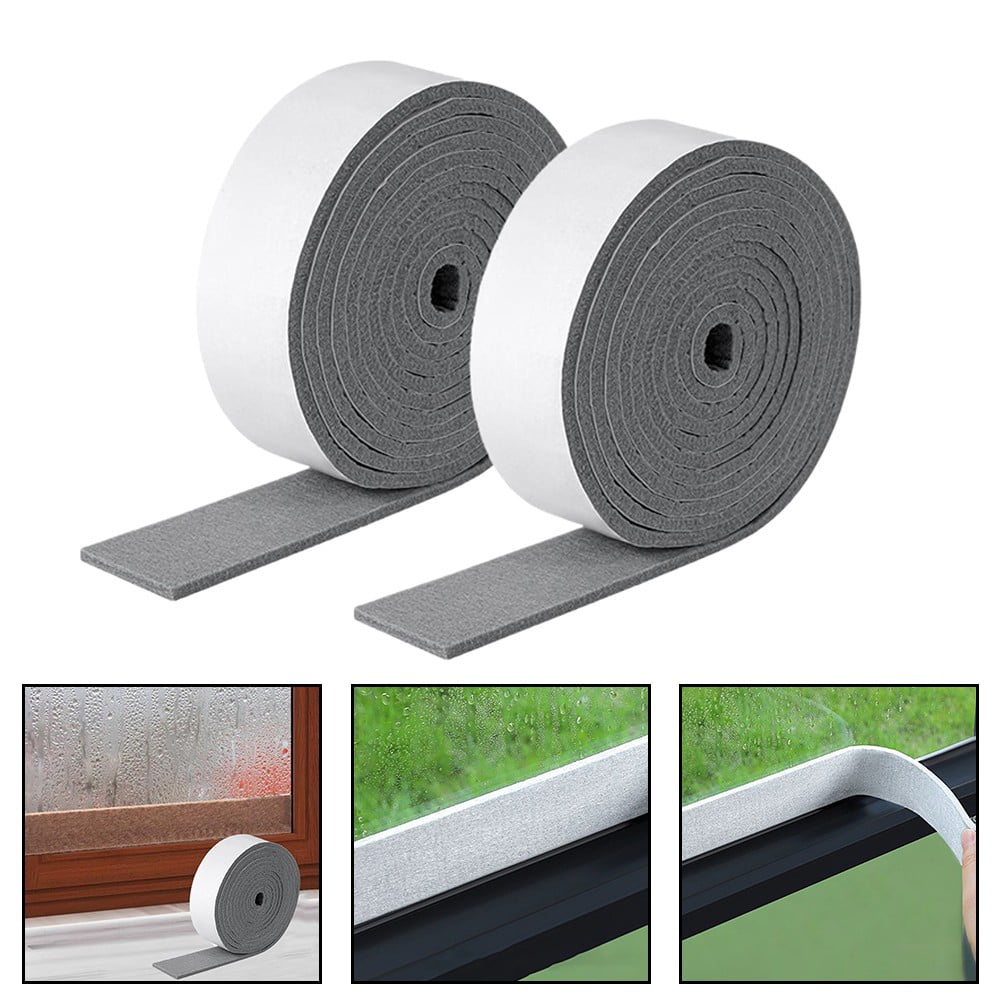
Understanding winter moisture dynamics
Cold air holds less water. When that cold air meets your warm home, moisture can move and condense. It shows up on cold surfaces like windows and walls. That is why moisture control in winter needs a plan, not guesswork.
Warm, moist air also creeps into wall cavities. This can happen through gaps around lights or outlets. When that air cools, water can form inside the wall. Good moisture control in winter balances heat, airflow, and humidity.
Stack effect is real. Warm air rises and pulls cold air in low spots. It can make some rooms dry and others damp. Knowing this helps you target the right fixes for moisture control in winter.

Ideal humidity levels and how to measure
Aim for 30% to 45% relative humidity in living areas. Go closer to 30% when it is very cold outside. This reduces window fog and mold risk. These targets support safe moisture control in winter.
Use a digital hygrometer in key rooms. Place it away from vents and direct sun. Check it at the same times each day. A few low-cost meters help track moisture control in winter across rooms.
You can compare readings to the outdoor temperature. The colder it is, the lower your safe indoor humidity. If windows sweat, drop the setpoint a bit. Your goal is stable moisture control in winter without discomfort.

Spot the signs of trouble
Watch your windows. Fog, droplets, or ice are early warnings. Cold corners or closets can grow spots. These show weak moisture control in winter.
Look for musty smells. Check behind furniture on exterior walls. Watch for flaking paint or swollen trim. These are clues that moisture control in winter needs work.
Dry air signs matter too. Static shocks, sore throat, or dry skin mean you may be too dry. Look for gaps in weather stripping or over-venting. Balance is key for moisture control in winter.

Ventilation and air sealing that work together
Air sealing cuts hidden leaks. This helps walls stay dry. But you still need fresh air. Plan vents and fans to guide moisture control in winter.
Try this simple plan:
- Run the bath fan during showers and for 20 minutes after.
- Use the kitchen range hood for every boil or fry.
- Add a 20–40 CFM continuous fan if your air feels stale.
- Leave a small gap under doors for return airflow.
Do not vent into the attic. Make sure fans go outside. This is the backbone of good moisture control in winter.
Smart use of heat, HRVs, ERVs, and exhaust fans
Heat helps lower indoor relative humidity. Warm air can hold more moisture. But heat alone is not the fix. Mix heat with airflow for steady moisture control in winter.
HRVs and ERVs swap air with minimal heat loss. In very cold climates, HRVs are often best. In mild or mixed climates, ERVs can keep air from getting too dry. Both help moisture control in winter if set to run low and steady.
Use boost modes for showers and cooking. Avoid heavy depressurization near fuel heaters. Keep a CO detector on each level. Safety and moisture control in winter go hand in hand.
Humidifiers vs dehumidifiers: choose, size, maintain
Some homes get too dry in deep cold. A small, clean humidifier can help. Set it to 30–40% in a cold snap. Watch the glass for fog. That is your live feedback for moisture control in winter.
If you have a damp basement, you may still need a dehumidifier. This is true even in winter in some homes. Use auto mode with a 45% setpoint. Drain it to a sink if you can.
Clean tanks and filters often. Old water grows germs. Check manuals and follow a schedule. Good care keeps moisture control in winter safe and healthy.

Control sources: showers, cooking, plants, laundry, basements
Reduce steam at the source. Simple habits add up fast. This is daily moisture control in winter that costs almost nothing.
Try these easy wins:
- Lids on pots and pan-fry with the hood on.
- Shorter, warm showers with the fan running.
- Squeegee shower walls to cut moisture by a lot.
- Vent the dryer outside and fix kinked ducts.
- Group plants and use trays to catch water.
- Keep firewood outside until you need it.
- In basements, seal wall cracks and add a sump cover.
Fix gutters and slope soil away from the house. Keep snow from piling at the foundation. These steps help moisture control in winter from the outside in.
Windows, insulation, and vapor control
Old single panes sweat fast. Add storms or upgrade to double or triple panes. Warmer glass means less fog. This helps moisture control in winter without harsh drying.
Insulate walls and attics right. Seal air leaks first. Add insulation so interior surfaces stay warmer. That avoids hidden wet spots and supports moisture control in winter.
Be careful with vapor barriers. Do not trap moisture between layers. In cold regions, use a smart vapor retarder on the warm side. It slows vapor in winter, yet lets walls dry in summer.

Monitoring routine and quick wins on any budget
Make a simple weekly check. Note the humidity in three rooms. Note any window fog at dawn. Track the outdoor low. This creates a clear picture of moisture control in winter.
Use low-cost data loggers if you can. Put one near a known cool spot. Put one in the basement. Look for spikes after showers or cooking. Then adjust fans and habits.
Quick wins you can start today:
- Keep indoor doors open to share air.
- Move furniture two inches from outside walls.
- Run the range hood for 10 minutes after cooking.
- Wipe window sills dry in the morning.
- Set smart plugs to automate bath fan run times.
Personal lessons from the field
A client’s condo had dripping windows every morning. We set bath fans to a 30-minute timer. We ran the range hood on low more often. We dropped humidity from 48% to 38%. The glass cleared. That simple shift nailed moisture control in winter.
I once overused a humidifier during a cold snap. The house hit 45% at 10°F outside. The windows fogged by noon. I learned to watch the weather and the glass, not just the number. Now I keep a sliding target for moisture control in winter.
In one old farmhouse, sealing attic bypasses changed everything. We cut air leaks around lights and chases. The attic dried out. Ice dams stopped. Good air sealing plus steady venting wins moisture control in winter.
Frequently Asked Questions of moisture control in winter
What is the best indoor humidity in winter?
Aim for 30% to 45% relative humidity. In very cold weather, stay near 30% to avoid window condensation.
How do I know if my home is too humid?
Check for window fog, musty smells, or mold spots. A hygrometer reading above 50% indoors in winter is a red flag.
Should I run my bathroom fan after a shower?
Yes. Run it during and for at least 20 minutes after. This clears steam and reduces moisture load on your home.
Do plants raise humidity in winter?
Yes, many plants release moisture. Group them and use trays to manage water and watch your humidity readings.
Is a humidifier safe to use in winter?
Yes, if you clean it often and set a modest target. Watch windows for fog and lower the setpoint during cold snaps.
Are HRVs or ERVs better for cold climates?
HRVs are often better in very cold areas. ERVs can help in milder winters to prevent air from getting too dry.
Can insulation fix condensation?
It helps by warming interior surfaces. Pair it with air sealing and proper ventilation for the best results.
Conclusion
Moisture control in winter is a balance of habits, airflow, and smart gear. Set a target range, vent at the right times, and seal the obvious leaks. Track what works, and adjust as the weather changes.
Make one change this week. Add a hygrometer and set bath fan timers. Then build from there. If you want more tips like this, subscribe for updates or share your questions in the comments.