

Keep humidity steady at 35–50% to prevent mold, warping, and decay.
If you care about your files, photos, or family papers, moisture can be their silent enemy. I’ve set up archives for small offices and helped families recover damp boxes after leaks. This guide shows how moisture control for storing documents works in the real world. You’ll learn proven methods, smart tools, and simple habits that keep paper safe for years. Read on to master moisture control for storing documents with confidence.

Why Moisture Control Matters For Storing Documents
Paper is tough, yet water vapor can break it down fast. High humidity invites mold, insects, and rust on staples and clips. Low humidity makes paper brittle and causes ink to flake. Rapid swings twist pages and warp covers.
In practice, most paper does best at 35–50% relative humidity and 60–70°F. Going above 60% RH for long periods raises mold risk. Big daily swings stress fibers, glues, and bindings.
I once opened a basement box that looked fine outside. Inside, every folder had faint, powdery mold. The room felt cool, but a hidden pipe leak kept humidity high. That day drove home why moisture control for storing documents is not optional. It is the foundation of preservation.

Humidity, Dew Point, And Microclimates
Humidity is the amount of water vapor in the air. Relative humidity (RH) compares how much water the air holds to how much it could hold at that temperature. Warm air can hold more moisture than cold air.
Dew point is the temperature where air becomes fully saturated. When surfaces drop below dew point, condensation forms. That is why cold outside walls, metal shelves, and uninsulated pipes cause damp corners and wet boxes.
Microclimates are small pockets with different conditions. Back-of-closet spaces, closed drawers, and sealed bins can trap moisture. Good moisture control for storing documents starts with finding these pockets and smoothing them out.

Ideal Ranges And Practical Targets
For mixed paper files, aim for 35–50% RH and 60–70°F. Keep daily swings under 5% RH and 5°F. For photos and film, cooler and drier is safer, but do not freeze unless you use true cold storage methods.
These targets are based on common conservation guidance from archives and museums. They balance comfort, cost, and safety. The key is stability. A steady 45% RH is better than bouncing from 25% to 65%. Build a plan for moisture control for storing documents around slow, steady conditions.

Assess Your Space: A Quick Audit
Start with a simple audit before you buy gear. Many fixes are free.
- Walk-through sniff test: Musty smell? That often means high RH or past leaks.
- Look for risk zones: Exterior walls, basements, attics, under sinks, near HVAC vents.
- Check for condensation: Cold pipes, windows, and concrete can “sweat.”
- Measure, do not guess: Place a digital hygrometer and thermometer in the storage spot.
- Log for two weeks: Record RH and temperature morning and night. Note weather and HVAC use.
- Inspect boxes: Any waves in paper, rust on clips, or sticky photos hint at moisture issues.
This audit gives you a baseline. It tells you how serious your moisture control for storing documents needs to be.
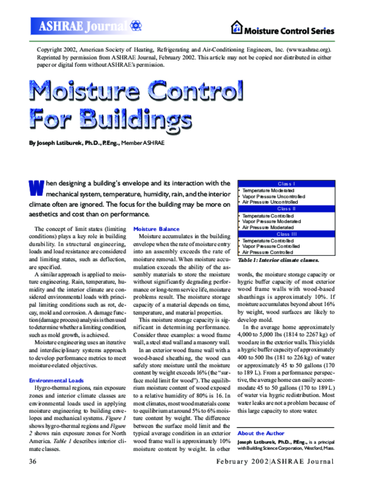
Moisture Control Methods: From Free Fixes To Pro Solutions
There is no single magic product. Use layers of defense that fit your space and budget.
Passive fixes that cost little
- Choose a better spot: A main-floor closet beats a damp basement or hot attic.
- Add airflow: Leave a small gap behind boxes and shelves. Do not push boxes against walls.
- Elevate off floors: Use metal shelves or pallets to avoid minor floods and concrete damp.
- Use archival enclosures: Acid-free folders and boxes slow moisture swings inside.
- Vent smart: Keep doors slightly ajar in safe areas to reduce stale, trapped air.
Active systems that take control
- Dehumidifier: Size it to the room. Drain it to a sink or use a hose to avoid overflow.
- Air conditioner: Cooling drops RH. Keep filters clean for steady airflow.
- Humidifier (dry climates): Use only with a hygrometer. Over-humidifying causes mold.
- HVAC tuning: A small temperature tweak can improve comfort and RH stability.
- Building fixes: Seal foundation cracks, add vapor barriers, insulate cold pipes, and fix gutters.
Monitor and adapt
- Place a data logger or smart hygrometer in or near the storage boxes.
- Use alerts on your phone for RH above 60% or below 30%.
- Review trends monthly and tweak settings as seasons change.
Disaster readiness for wet papers
- If documents get wet, act fast. Gently separate sheets and air-dry with fans, not heat.
- For soaked stacks or photos, freeze in zipper bags to pause damage and buy time.
- Call a paper conservator for rare or valuable items.
Layer these steps to build strong moisture control for storing documents in any setting.
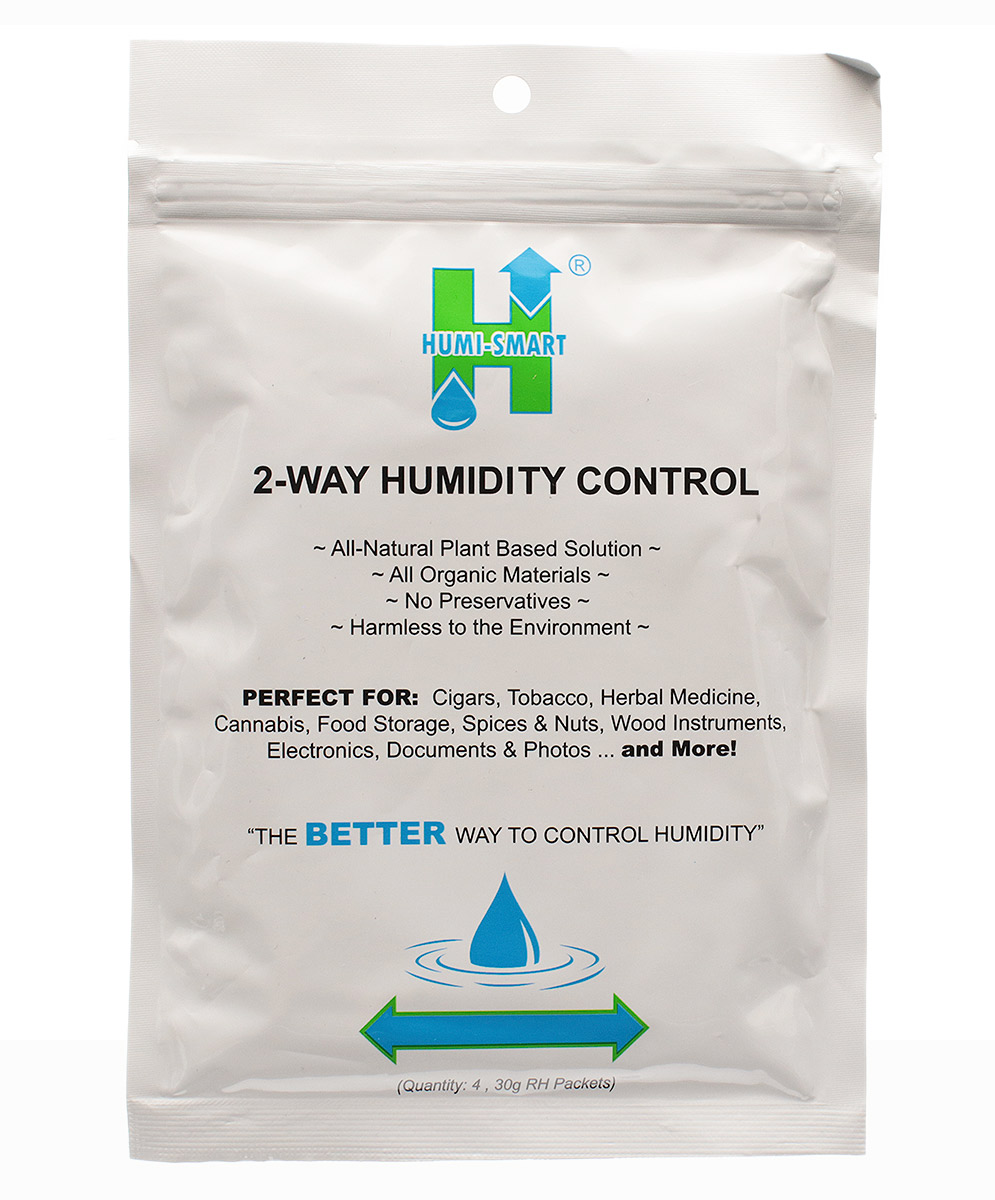
Choosing And Using Desiccants For Document Storage
Desiccants absorb water vapor inside a closed container. They work well when you cannot control the whole room.
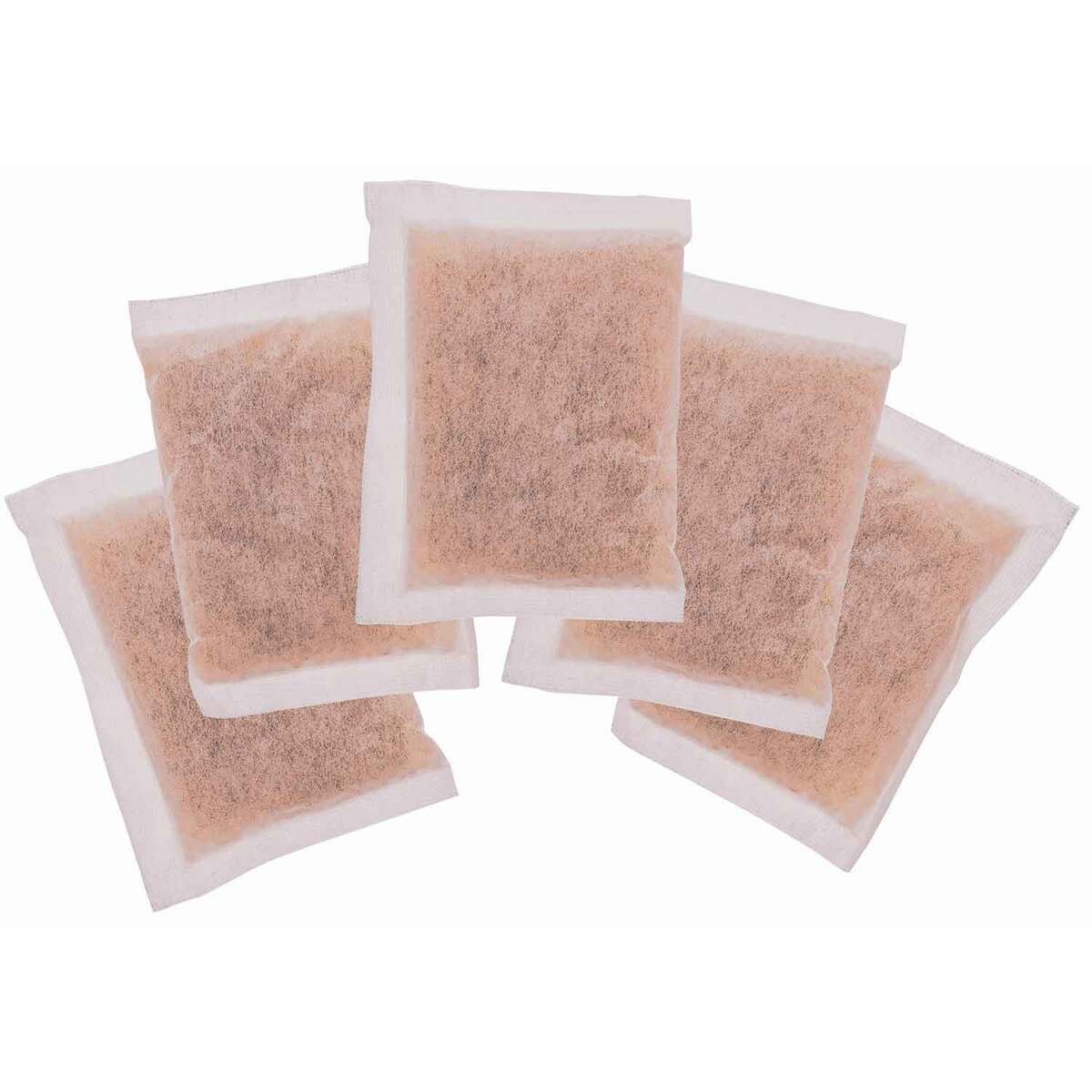
- Best options: Indicating silica gel, non-indicating silica gel, molecular sieve, and clay.
- Where to use: Inside gasketed bins, metal cabinets, or archival boxes with liners.
- How much: Follow the maker’s chart. As a rough start, 1–2 “units” (about 26–52 g each by common spec) per cubic foot helps in normal conditions. Add more in humid spaces.
- Placement: Use breathable sachets. Do not let loose beads touch paper or photos.
- Monitoring: Indicating gel changes color as it fills with moisture. Swap or recharge when the color shifts.
- Recharging: Heat per the label, often around 240–250°F until the color resets. Let sachets cool before returning them.
Desiccants are a targeted tool. They stabilize microclimates and boost moisture control for storing documents inside individual boxes.
Storage Materials And Setups That Fight Moisture
Your storage system can either trap damp air or help level it out. Choose materials that protect, not harm.
- Boxes and folders: Acid-free, lignin-free. Buffered for most paper; unbuffered for color photos.
- Sleeves: Use polyester, polypropylene, or polyethylene. Avoid PVC plastics.
- Fasteners: Use stainless steel or plastic clips. Skip rubber bands and cheap staples.
- Shelving: Powder-coated metal beats wood, which can off-gas acids and hold moisture.
- Spacing: Leave 2–4 inches behind shelving and between stacks for airflow.
This setup slows moisture swings. It also makes cleaning and checks easier, which improves moisture control for storing documents day to day.

Seasonal Strategies And Climate-Specific Tips
Your plan should change with the weather. Small tweaks prevent big problems.
- Humid coasts and summers: Run a dehumidifier. Close windows during muggy spells. Dry entry rugs and basement floors often.
- Dry deserts and winters: Add a humidifier with a setpoint. Use tight boxes to avoid paper brittleness.
- Cold regions: Insulate cold walls and pipes near storage. Keep boxes off concrete.
- Storm season: Raise boxes, check sump pumps, clean gutters, and test alarms.
These habits keep moisture control for storing documents steady, even when the outdoors goes wild.
Common Mistakes To Avoid
Avoiding a few traps makes a huge difference.
- Storing on floors: One small flood can undo years of care.
- Guessing humidity: Use a hygrometer. Your nose and skin are not sensors.
- Plastic tubs without a plan: Sealed bins trap moisture unless you add desiccants.
- Overfilling boxes: Packed boxes limit airflow and raise local RH.
- Ignoring metal: Paper clips and staples rust fast at high RH. Replace with safe options.
- Quick temperature swings: Big AC blasts after hot days cause condensation on cool surfaces.
Dodging these pitfalls supports strong moisture control for storing documents with less stress.
Budget-Friendly Starter Kit And Setup Examples
You can start small and still get great results.
-
Basic kit for a closet
- Digital hygrometer with memory to track highs and lows.
- Two archival boxes, acid-free folders, and stainless clips.
- One indicating silica gel canister per box.
- Small fan for gentle airflow in the room.
-
Small office file room
- Room dehumidifier with hose drain to a sink.
- Metal shelves with a 3-inch wall gap.
- Gasketed cabinet for vital records with desiccant inside.
- Smart sensor with phone alerts at 60% RH.
-
Steps to set up
- Clean and dry the room. Fix leaks and seal gaps.
- Place shelves, elevate boxes, and space them for airflow.
- Load documents into archival folders and boxes.
- Add desiccants, close containers, and record the date.
- Monitor RH for two weeks. Adjust settings as needed.
Each setup gives you practical moisture control for storing documents without a big spend.
Maintenance Schedule And Checklist
A short routine keeps problems from creeping in.
-
Weekly
- Check hygrometer readings. Aim for 35–50% RH.
- Empty or confirm dehumidifier drain. Clean the filter if needed.
- Scan for musty smells or damp spots.
-
Monthly
- Review data logs. Note any spikes during storms.
- Inspect boxes and the first page in a few folders.
- Recharge or replace desiccants if indicators changed color.
-
Seasonally
- Deep-clean shelves and floors.
- Test sump pumps and inspect gutters.
- Re-seal pipe insulation and check window caulk.
These small habits keep moisture control for storing documents steady and reliable over time.
Frequently Asked Questions of moisture control for storing documents
What is the best humidity level for paper documents?
Aim for 35–50% relative humidity with slow, small changes. This range reduces mold risk and prevents brittle paper.
Can I store documents in plastic bins?
Yes, if you add desiccants and monitor RH. Without desiccants, sealed bins can trap moisture and cause mold.
How do I know if mold is starting?
Watch for a musty smell, fuzzy spots, or sticky pages. Check corners, edges, and the first sheets in each folder.
Are silica gel packs safe around paper?
Yes, when sealed in sachets and kept out of direct contact. Use indicating packs and recharge or replace when colors change.
Is a dehumidifier enough on its own?
It helps, but you still need airflow, good boxes, and regular checks. True moisture control for storing documents uses layered steps.
Do metal staples cause a problem?
At high humidity, they rust and stain paper. Switch to stainless steel or plastic fasteners for long-term storage.
What should I do after a leak?
Dry the area fast, separate damp pages, and use fans for airflow. For soaked items, freeze them and call a conservator for guidance.
Conclusion
Moisture is sneaky, but it is not unbeatable. With steady humidity, smart storage, and simple routines, your papers will stay safe and readable. Start with one room, one shelf, and one hygrometer. Build from there.
Put a plan in place this week. Set your target range, log your readings, and swap in archival boxes. If this guide helped, subscribe for more tips or share your own setup in the comments.