

Keep humidity near 50%, boost airflow, and use dehumidifiers or desiccants in storage units.
If you care about your stuff, you should care about moisture control for storage units. I’ve helped renters, collectors, and small business owners stop mold, rust, and musty smells with simple habits and the right gear. In this guide, I’ll walk you through moisture control for storage units in plain language, with steps you can use today.
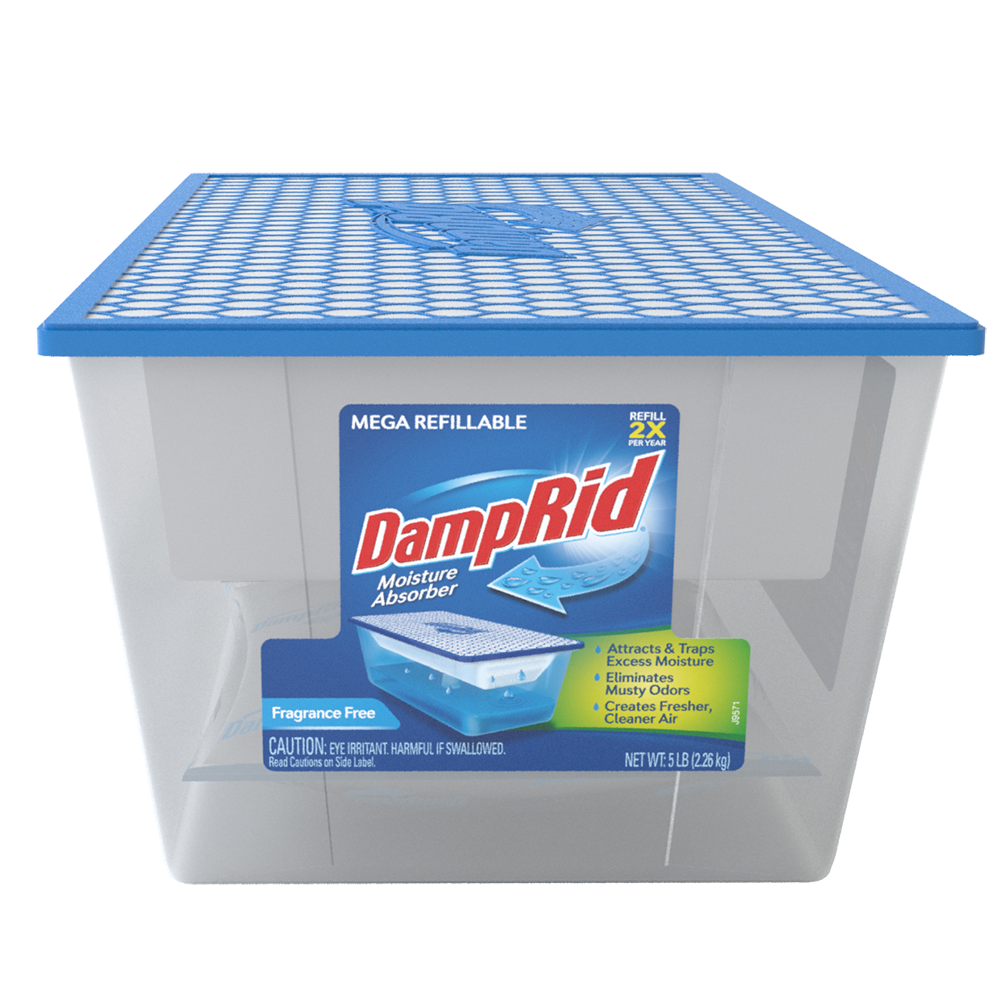
Why moisture control for storage units matters
Moisture ruins items fast. Paper warps. Wood swells. Metal rusts. And mold can start in as little as two days if the air stays damp.
Good moisture control for storage units can save you money and stress. It can also protect things you cannot replace, like family photos or your first guitar. I’ve seen one wet week turn into a full clean-out.
When you manage moisture, you preserve value and peace of mind. You also avoid insurance claims and long cleanup days.

How moisture gets into storage units
Moist air rides in on every open door. It can also seep through tiny gaps and cracks. A change in day and night temps can create condensation on cold surfaces.
Rain can push water under doors. Concrete can wick ground dampness. Items packed while still wet add hidden moisture.
Even your breath and sweat add a small amount of water. It all adds up if the unit is tight and packed full.
Moisture control for storage units starts with finding these sources and blocking them.

Signs of humidity and moisture problems
Your nose is a great tool. A musty smell is a red flag.
Look for these signs:
- Water beads on doors, windows, or metal.
- Rust on tools, bikes, or hinges.
- Swollen wood or sticky drawers.
- Mold spots on fabric or cardboard.
- White powder on concrete or brick.
Moisture control for storage units is easier when you catch these signs early.
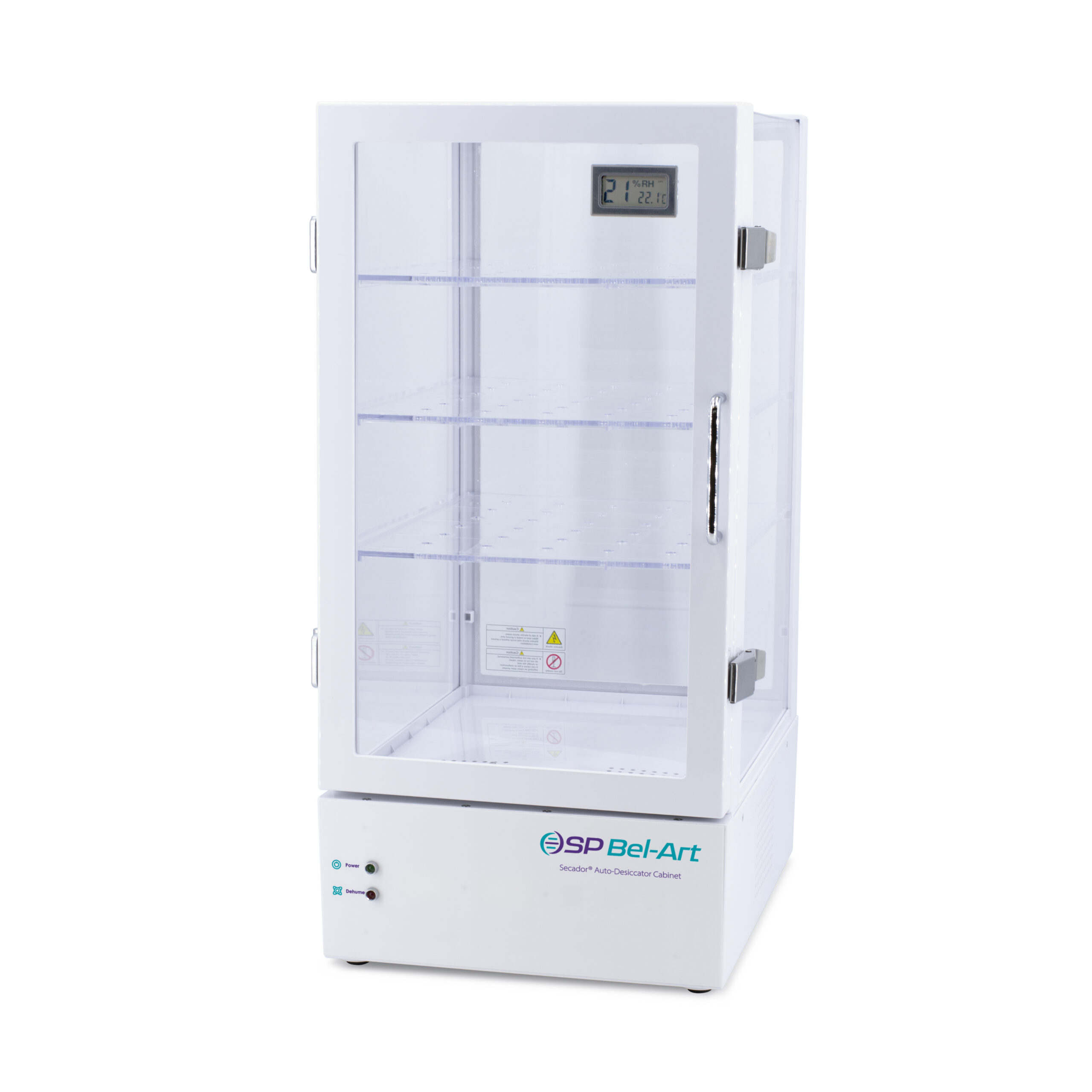
The ideal climate: target numbers and tools
Aim for 45% to 55% relative humidity. Keep temps near 60 to 75°F. This range helps slow mold and rust.
If you see RH above 60% for two days, act fast. Research shows mold can grow when air stays damp. Try to keep surfaces warmer than the room’s dew point.
Use simple tools:
- Digital hygrometer to track RH and temperature.
- Data logger for trends you can check weekly.
- Small fan to move air in tight corners.
- Infrared thermometer to spot cold spots.
Moisture control for storage units works best when you measure what you manage.
_07212023112126691.png)
Step-by-step moisture control for storage units plan
Follow this simple plan.
- Start dry
- Wash and dry items fully, especially fabric and gear.
- Wipe down appliances and leave doors cracked.
- Raise and space
- Use pallets or shelves to lift items off the floor.
- Leave 2 to 4 inches between stacks for airflow.
- Seal the shell
- Add weatherstripping on doors if allowed.
- Seal visible cracks with appropriate sealant.
- Floor and vapor barrier
- In ground-level units, lay a plastic vapor barrier under pallets if permitted.
- Use rubber mats for a simple buffer.
- Smart airflow
- Place a small, low-watt fan on a timer.
- Aim air across surfaces, not at one spot.
- Use desiccants
- Silica gel is safe for most items. Use more for fabric and paper.
- Calcium chloride pulls more water but can drip. Use trays and check often.
- A rule of thumb is 1 to 2 pounds per 100 cubic feet, then adjust based on readings.
- Add a dehumidifier if you have power
- For a small unit, a 30 to 50 pint model is common.
- Use a hose to drain to a safe spot if allowed.
- Empty the tank often if no drain is possible.
- Choose climate control when you can
- A climate-controlled unit saves time and worry.
- It costs more, but it cuts risk for high-value goods.
- Monitor and log
- Check RH and temperature every visit.
- Keep a simple log so you can spot trends.
- Seasonal tune-ups
- In wet seasons, add extra desiccant.
- After storms, do a quick check for leaks.
These steps make moisture control for storage units simple, steady, and effective.

Choosing the right dehumidifier and desiccant for storage units
Pick the method that fits your unit.
If you have no power:
- Use silica gel for safe and dry use around paper and electronics.
- Use calcium chloride for strong pull in very damp months. Keep it upright and check trays.
If you have power:
- Compressor dehumidifiers work best in warm spaces. They pull lots of water at low cost.
- Desiccant rotor units work well in cooler spaces. They cost more but work in the cold.
- Thermo-electric units are small and quiet. They fit tiny spaces but pull less water.
Sizing tips:
- Small units (5×5 or 5×10): start near 30 pints per day.
- Medium units (10×10): 35 to 50 pints per day.
- Large units or very damp sites: 50+ pints per day.
Moisture control for storage units improves when you match gear to space and season.

Packing methods that reduce moisture risk
Smart packing pays off.
- Use plastic totes with gasket lids for paper and fabric.
- Avoid cardboard on the floor. Raise it up.
- Wrap furniture in breathable covers, not tight plastic.
- Slip silica gel packs inside bins and drawers.
- Use acid-free paper for photos and art.
- Use vapor corrosion inhibitor (VCI) bags for tools and metal parts.
- Bag electronics with desiccant, then place in a sealed tote.
These simple moves boost moisture control for storage units without high cost.

Special cases that need extra care
Each item type has its own risk.
Furniture and wood
- Keep RH near 50% to avoid cracks and swell.
- Wax metal parts and oil tool handles lightly.
Photos, film, and art
- Use acid-free sleeves and rigid folders.
- Keep in the dark. Avoid attic-level heat.
Vinyl records and books
- Store upright with snug, not tight, spacing.
- Use inner sleeves and desiccant inside the crate.
Clothes and fabric
- Wash, dry, and pack with silica gel.
- Use breathable garment bags, not thin wrap.
Appliances
- Clean and dry all gaskets.
- Place a desiccant bag inside and keep doors ajar.
Cars, motorcycles, and bikes
- Inflate tires and use a breathable cover.
- Add a small desiccant bucket inside the cabin or trunk.
- Wipe metal with a light protectant to limit rust.
Boats or gear after water use
- Rinse with fresh water. Dry fully in the sun.
- Do not rush wet gear into a sealed tote.
This is where moisture control for storage units can save big value with small habits.

Cost breakdown and ROI
You have choices. Each comes with a cost.
- Climate-controlled unit: higher rent each month. Lower risk. Good for high-value items.
- Standard unit with dehumidifier: middle cost. You buy gear once and pay a small power bill.
- Standard unit with desiccants only: lowest cost. Works well for small or sealed bins. Needs regular checks.
Think about the value of what you store. One ruined sofa or a set of records can cost more than a year of better control. Moisture control for storage units often pays for itself in one wet season.
Maintenance and audits checklist
Use this quick list to stay ahead.
Weekly
- Check RH and temperature readings.
- Look for drips, rust, or musty smells.
Monthly
- Refresh or dry desiccant packs.
- Empty and clean dehumidifier buckets and filters.
Seasonal
- Add weatherstripping if needed.
- After storms or heat waves, do a spot check.
Yearly
- Review your setup and costs.
- Adjust your plan as items and seasons change.
Consistent checks make moisture control for storage units reliable and stress-free.
Common mistakes to avoid
Avoid these traps.
- Packing items while still damp.
- Overfilling the unit so air cannot move.
- Wrapping furniture in tight plastic that traps moisture.
- Using cardboard on the floor where it wicks water.
- Turning off the dehumidifier in cool weather when damp air is still a risk.
- Ignoring the dew point and cold surfaces.
Skip these mistakes and moisture control for storage units becomes far easier.
Real-world story: how a small fix saved a collection
A client stored vintage vinyl in a standard unit. After a week of storms, RH hit 70%. We added pallets, gasketed totes, and a 35 pint dehumidifier with a drain hose. We also slipped silica gel in each crate.
One month later, no mold, no warp, no smell. That small setup cost less than one ruined record lot. It proved how moisture control for storage units can save both money and memories.
Frequently Asked Questions of moisture control for storage units
What humidity level should I aim for?
Keep relative humidity near 45% to 55%. This range helps protect wood, paper, and metal.
Do I need a dehumidifier if I use desiccants?
Desiccants work well in small spaces. For larger units or very damp climates, a dehumidifier adds steady control.
How often should I replace desiccant packs?
Check them monthly at first. Replace or recharge them when they feel heavy or the indicator shows saturation.
Are climate-controlled units worth it?
They cost more but reduce risk for valuable items. If you store photos, art, or musical gear, they are often worth it.
Can cardboard boxes cause moisture issues?
Cardboard can absorb water and hold it. Use plastic totes with gasket lids or raise boxes off the floor.
What if my unit has no power?
Use desiccants, airflow spacing, and good sealing. Visit more often to check readings and refresh packs.
How do I know if I have a leak or just humidity?
Leaks leave water trails or damp spots. High humidity shows as musty air, condensation, and slow, wide damage.
Conclusion
Moisture is sneaky, but you can beat it with a clear plan. Keep RH near 50%, move air, and use desiccants or a dehumidifier that fits your space. Pack smart, monitor often, and fix small issues before they grow.
Take one step today. Add a hygrometer, raise items off the floor, or refresh desiccants. Want more tips on moisture control for storage units and home storage wins? Subscribe, share this guide, or ask a question so we can help you protect what matters.