

Keep spices dry with airtight jars, low humidity, desiccants, and smart handling.
If you care about bold flavor, moisture control for spice storage is your secret weapon. I have spent years testing jars, packets, and pantry setups to keep spices bright and safe. In this guide, I break down why spices hate water, how to measure humidity, and the best tools and habits that work in real kitchens. Stick with me, and moisture control for spice storage will feel simple, practical, and easy to keep up with.

Why Moisture Ruins Spices
Moisture control for spice storage matters because water is the enemy of aroma and safety. Spices are dry plant parts that hold fragile oils. When water enters, flavor fades fast, clumps form, and color dulls.
There is also a safety angle. Most microbes cannot grow when water activity is under 0.6. Wet spices can climb above that line. That can invite mold and spoilage. Steam from a pot is enough to push ground spices into the danger zone.
You also lose volatile oils when heat and moisture mix. I once tested paprika by shaking it over simmering soup. It clumped in a day and tasted flat in a week. That simple mistake showed me how vital moisture control for spice storage really is.

How to Measure and Monitor Humidity in Your Pantry
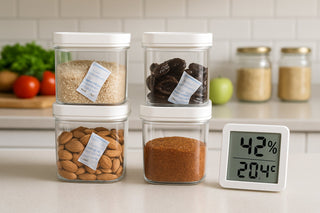
Moisture control for spice storage starts with knowing your numbers. A small digital hygrometer tells you the room’s relative humidity. Aim for 40 to 55 percent in the spice area if you can.
Place the meter where spices live. Check it at different times of day. If levels hover above 60 percent, add help. A mini dehumidifier, air conditioning, or better airflow can bring it down. I keep a meter inside my spice cabinet. That one step made moisture control for spice storage far easier to track.
Do quick monthly checks. If you live near the coast or in a rainy season, check weekly. Use a note on the cabinet door to remind you.

Storage Containers That Actually Work
Containers decide who wins the fight against water. Moisture control for spice storage relies on tight seals and low air exchange. Choose thick glass jars with gasket lids or high grade metal tins with snug tops.
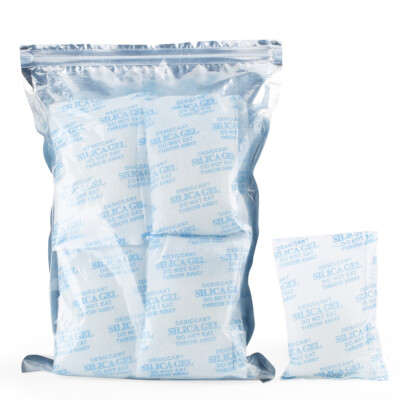
Avoid thin plastic bags for daily use. They breathe and let in moisture. If you buy in bulk, split spices into small mason jars. Keep one jar for use and the rest sealed. For extra defense, drop a food safe desiccant packet in each jar. This simple step boosts moisture control for spice storage without changing taste.
Good add ons include:
- Food grade silica gel packets with color indicators
- Bentonite clay desiccant for a natural option
- Dark glass to block light and heat
Use one 1 to 2 gram packet for small jars and more for big jars. Swap packets when the indicator turns as advised on the label.

Smart Practices in the Kitchen
Daily habits make or break moisture control for spice storage. The biggest rule is simple. Never shake a spice jar over a steaming pot. Steam races up into the jar and condenses.
Use a dry spoon. Measure away from heat. Keep lids closed tight between scoops. Let the jar cool if it feels warm. When I cook big pots, I spoon spices onto a small dish first. That protects the jar and speeds up my flow.
Label jars with the open date. Store spices in a cool, dark cabinet. Move them away from the dishwasher vent and the stove.
Moisture Control Strategies by Climate and Season
Moisture control for spice storage shifts with the weather. In humid areas, run a dehumidifier, or use air conditioning during the wet months. Add extra desiccant to jars. Keep spices on higher shelves inside a closed cabinet.
In dry regions, the main risk is kitchen steam and big temperature swings. You still need good seals and smart handling. Avoid the fridge. Cold jars can gather condensation when they come back to room temp.
During monsoon or peak summer, check hygrometers more often. Swap packets sooner. Open jars fast and close them right away.

Handling Bulk Spices and Long Term Storage
When you score a great deal on bulk spices, think in small units. Moisture control for spice storage works best when you limit how often a jar is opened. Pack spices into many small jars or vacuum sealed bags.
Whole spices keep longer than ground spices. You can freeze whole spices if they are sealed tight and portioned. Bring one portion to room temp before opening the pack. That prevents condensation. Oxygen absorbers slow oxidation, but they do not replace desiccants. You still need a plan for moisture control for spice storage.
Set a simple rotation. Use the oldest jar first. Refill only when the jar is fully dry and clean.
Fixing Moist Spices the Right Way
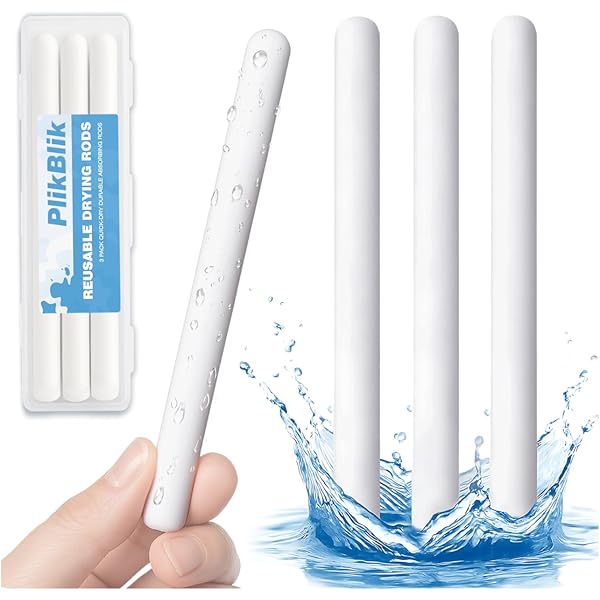
Even with care, things go wrong. If a spice is damp but not moldy, you can dry it. Spread it thin on a baking sheet. Warm it in the oven at 150 to 170°F for 15 to 30 minutes. A dehydrator on a low setting also works. Cool it fully, then seal with a fresh desiccant packet.
Do not use a microwave. It heats unevenly and can scorch oils. If you see mold, toss the spice. No rescue is worth the risk. This is a hard rule in moisture control for spice storage.

Safety, Quality, and Shelf Life Benchmarks
Food science shows that low water activity keeps spices safe. A target below 0.6 is the benchmark. Most dry spices sit around 0.3 to 0.5 when kept right. That is where moisture control for spice storage shines.
Use your senses. If a spice clumps, smells musty, or looks dull, test a tiny pinch. If flavor is weak, repurpose it for broths or dry rubs that cook longer. If you see flakes of mold or a strange film, discard it.
As a rough guide, ground spices keep top flavor for 6 to 12 months. Whole spices can hold for 1 to 3 years. These ranges assume good seals, low light, and solid moisture control for spice storage.
Frequently Asked Questions of moisture control for spice storage
Should I keep spices in the fridge?
Cold air is dry, but jars sweat when moved to room temp. That adds water. Keep spices in a cool cabinet instead.
Is adding rice to spice jars a good idea?
Rice can absorb moisture, but it may add starch and odors. Food safe desiccant packets are better and more reliable.
What is the best humidity level for storing spices?
Aim for 40 to 55 percent relative humidity. This supports moisture control for spice storage and reduces clumping and mold.
How often should I replace desiccant packets?
Replace them when the indicator changes color or every few months. If you live in a humid area, check monthly.
Can I dry damp spices in the microwave?
Avoid it. Microwaves heat unevenly and can burn delicate oils. Use a low oven or a dehydrator instead.
Are vacuum sealed bags safe for long term spice storage?
Yes, if they are thick and sealed well. Add a desiccant and keep bags out of light to improve moisture control for spice storage.
Conclusion
You can protect flavor and safety with a few simple moves. Use tight jars, track humidity, add desiccants, and avoid steam. Build habits you can keep every day. That is the heart of moisture control for spice storage.
Start small. Pick three spices you use most and upgrade their jars and packets today. Notice the fresher smell and cleaner pour. Want more tips like this? Subscribe, share your setup, or drop a question in the comments.