

Keep electronics dry by managing humidity, sealing storage, and using desiccants.
If you need reliable moisture control for electronics storage, you are in the right place. I work with gear that fails when humidity wins. In this guide, I share field-tested steps, simple tools, and data-backed tips. You will learn how moisture control for electronics storage protects cameras, servers, PCBs, and chips for years, not months.

Why moisture hurts electronics
Moisture control for electronics storage matters because water is sneaky. It creeps into gaps, reacts with metals, and never sleeps. Over time, parts corrode, solder joints grow whiskers, and circuits short.
Common damage paths include:
- Corrosion on copper, tin, and silver traces.
- Ionic contamination that leads to leakage and shorts.
- Swelling of laminates and delamination of boards.
- Mold growth on lenses, foams, and cases.
- Battery venting from long exposure to damp heat.
From my bench work, slow failures are the worst. Gear seems fine, then acts random. Keeping humidity in check stops that slide. Moisture control for electronics storage gives you peace of mind and fewer repairs.

Target humidity and temperature ranges
Set clear targets before you buy gear. Moisture control for electronics storage is easiest when you know your numbers.
Suggested ranges:
- Consumer electronics and cameras: 30 to 50 percent RH, 60 to 75°F.
- Lenses and optics: 35 to 45 percent RH to avoid fungus and fog.
- Printed circuit boards and assemblies: 30 to 40 percent RH.
- Moisture sensitive devices in reels or trays: under 10 percent RH in dry storage.
- Lithium batteries: cool, dry place around 30 to 50 percent RH.
Watch the dew point. Keep the dew point well below the coldest part of the storage area. That way, surfaces do not hit condensation. Moisture control for electronics storage works best when the dew point margin is safe.
How to measure humidity and moisture
You cannot control what you do not measure. Moisture control for electronics storage starts with simple checks.
Tools that work:
- Digital hygrometers with a 2 to 3 percent RH accuracy.
- Data loggers to capture daily swings and trends.
- Humidity indicator cards for sealed bins and bags.
- Infrared thermometer to spot cold surfaces.
- Dew point calculator apps for quick planning.
Practical steps:
- Place sensors at top and bottom of storage, not just one spot.
- Log a full week before you judge the room.
- Check sensors every six months with a salt test or a known reference.
- Keep a simple chart. Trends matter more than single numbers.

Source: amazon.com
Desiccants, dehumidifiers, and dry cabinets
Choose a method that fits your space. Moisture control for electronics storage often needs a mix of tools.
Desiccants:
- Silica gel is cheap and great for sealed bins and cases.
- Molecular sieve works better at low humidity and low temperature.
- Use 5 to 10 grams per liter of air as a start. Adjust based on readings.
- Recharge in an oven per label. Color beads help you know when.
Dehumidifiers:
- Refrigerant units work well in warm, damp rooms.
- Desiccant dehumidifiers work better in cool rooms and basements.
- Size the unit to the room volume and daily moisture load.
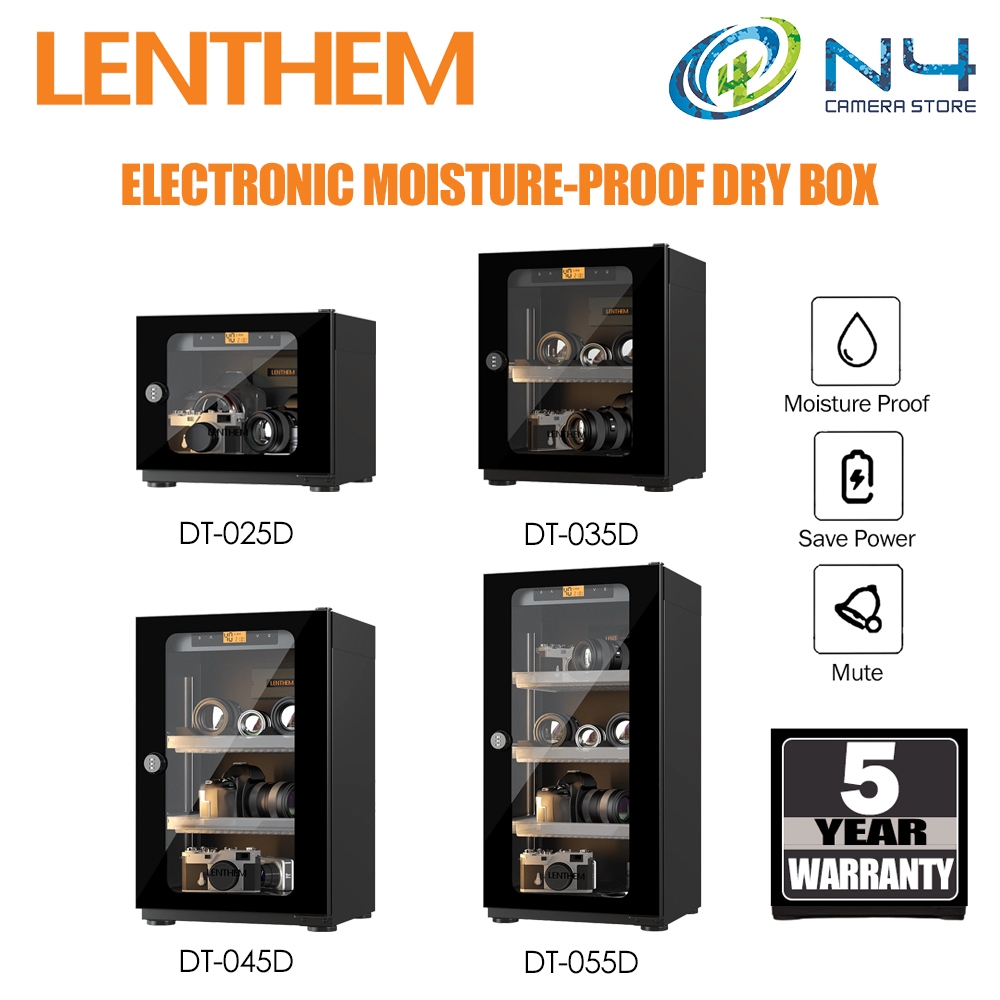
Dry cabinets:
- Set a target RH, often 20 to 40 percent.
- Store optics, cameras, and PCBs with easy access.
- Choose a cabinet with a proper seal and a good meter.
I use a small dry cabinet for lenses and PCBs. I also keep silica gel in each tote. This layered plan keeps numbers stable. Moisture control for electronics storage is simple when each container is its own dry zone.

Storage containers and packaging
Containers make or break your plan. Moisture control for electronics storage relies on good seals.
Best picks:
- Gasketed plastic bins with tight lids.
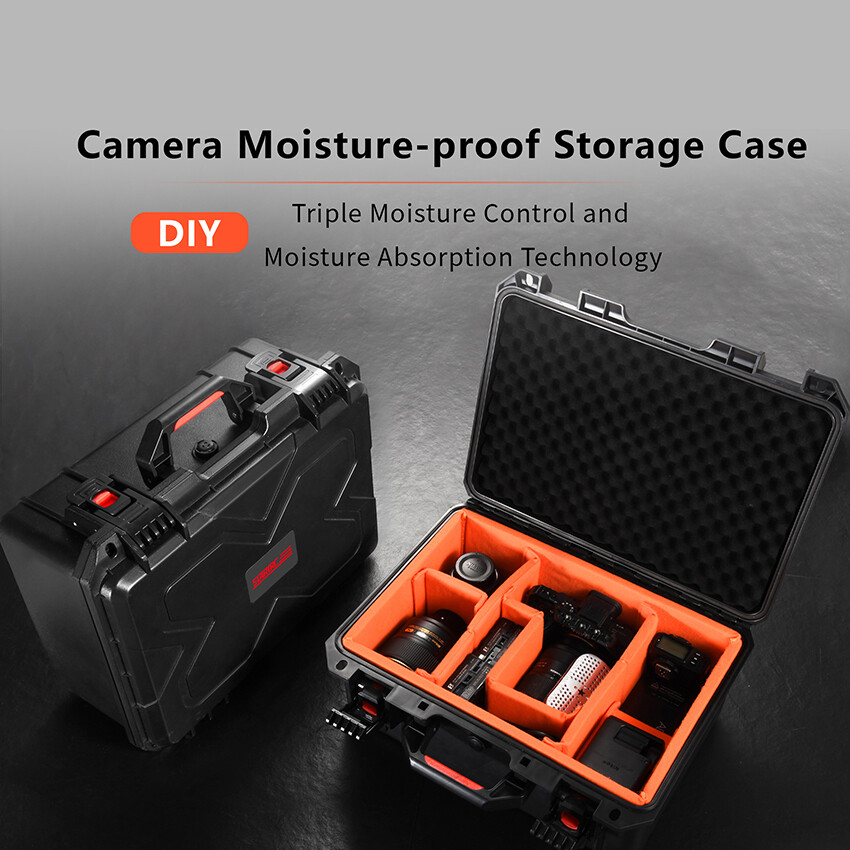
- Pelican-style cases for field kits and cameras.
- Mylar or nylon-poly bags with heat seals.
- ESD-safe moisture barrier bags for boards and chips.
- Zip bags only as a short-term stopgap.
Packing tips:
- Add a humidity card and fresh desiccant in each bin.
- Use trays or foam that does not shed or hold water.
- Label each box with the date and target RH.
- Do not mix open drinks, cleaners, or off-gassing foams near gear.
Avoid cardboard in damp rooms. It holds water and feeds mold. Moisture control for electronics storage works best with clean, sealed surfaces.
Preventing condensation and dew point basics
Condensation is the silent killer. Moisture control for electronics storage must stop sudden wetting.
Simple rules:
- Bag devices before moving them from cold to warm areas.
- Let items warm up in sealed bags for a few hours.
- Do not open cases right after a cold drive.
- Keep airflow gentle, not strong, to avoid pulling in moist air.
Think of dew point like a line in the sand. If metal falls below it, water forms. Keep storage steady so that line does not cross your gear. Moisture control for electronics storage means fewer sharp swings.

Maintenance and monitoring plan
A plan beats guesswork. Moisture control for electronics storage needs routine checks.
Weekly:
- Read RH and temperature logs.
- Spot-check bins with indicator cards.
Monthly:
- Recharge desiccants that changed color.
- Inspect seals and latches for wear.
Quarterly:
- Calibrate or verify hygrometers.
- Deep clean cabinets and remove dust.
I keep a single page checklist on the door. It saves time and prevents drift. Moisture control for electronics storage is easy when the steps are short and clear.
Common mistakes and how to fix them
Mistakes happen. Here is what I see most. Moisture control for electronics storage can fail due to simple habits.
- Storing gear in basements without a dehumidifier. Fix with a small unit and sealed bins.
- Thinking rice dries electronics well. It does not. Use silica gel and airflow.
- Over-drying camera leather or rubber. Keep RH above 30 percent for balance.
- Ignoring dew point when moving gear. Bag first, open later.
- Letting desiccant sit for years. Recharge or replace on a schedule.
Small fixes go a long way. Your future self will thank you.

Cost, ROI, and quick budget setups
You do not need a big budget. Moisture control for electronics storage can be very affordable.
Starter kit under $100:
- Two gasketed bins with seals.
- A digital hygrometer.
- A bag of color-change silica gel.
- Humidity indicator cards.
Pro setup $300 to $800:
- Dry cabinet with setpoint control.
- Room dehumidifier with a drain hose.
- Two quality data loggers.
The ROI is clear. One saved camera body or GPU can pay for it all. Moisture control for electronics storage reduces repair costs and downtime.
Real-world lessons from the field
My first wake-up call was a lens with fungus. It lived in a closet near a shower. After that, I bought a small dry cabinet and never looked back. Moisture control for electronics storage turned stress into a checklist.
A client had random server reboots each summer. Logs showed high humidity and hot nights. We sealed cable gaps, added a dehumidifier, and set alerts. Stability returned. Moisture control for electronics storage solved a vague, costly problem.
Frequently Asked Questions of moisture control for electronics storage
What humidity is best for electronics in storage?
Aim for 30 to 50 percent RH for most gear. Go below 10 percent RH for sensitive chips in sealed dry storage.
How much desiccant do I need in a bin?
Start with 5 to 10 grams per liter of air space. Check RH after 24 hours and adjust the amount.
Can I use rice to dry electronics?
Rice is weak and slow. Use silica gel, airflow, and time, then measure RH to confirm.
Do dry cabinets harm lenses or rubber parts?
No, if you keep RH above 30 percent. Very low RH for long periods can dry some rubbers, so target 35 to 45 percent.
How do I stop condensation when bringing gear indoors?
Seal gear in a bag before moving inside. Let it warm to room temperature before opening.
Are basements safe for electronics storage?
Only with control. Use sealed bins and a dehumidifier, and monitor RH.
How often should I calibrate hygrometers?
Check every six months with a salt test or a reference unit. Replace weak sensors when drift exceeds your tolerance.
Conclusion
Moisture is a slow thief, but you can stop it. Set clear RH targets, seal your storage, and track real numbers. A few simple tools and habits deliver long life for your gear.
Start today. Pick one shelf, one bin, and one meter, and build from there. If you found this useful, subscribe for more guides, ask a question, or share your own tips in the comments.