

Moisture control for cars means keeping the cabin dry to stop mold, rust, and smells.
If you have foggy windows, a musty smell, or damp mats, you need a plan. I’ve spent years helping drivers fix leaks, dry soaked carpets, and stop recurring fog. This guide shows you how moisture control for cars works in real life, with simple steps, proven tools, and expert tips you can trust.

Why Moisture Builds Up In Your Car
Moisture control for cars starts with spotting where water sneaks in. The most common sources are wet shoes, rain leaks, and bad airflow. Add cold glass and warm breath, and you get fog.
I often find drains blocked by leaves. Sunroof tracks, cowl vents, and AC drains clog fast. Old door seals and cracked trunk gaskets also leak. One bad seal can soak a carpet pad for weeks.
Condensation is another culprit. When air cools at night, water forms on glass and fabric. If the cabin never fully dries, the cycle repeats. That is why moisture control for cars is a daily habit, not a one-time fix.

The Real Risks Of Ignoring Moisture
Moisture control for cars is not only about comfort. It protects health and value. Damp interiors build mold in days. That leads to odors, allergies, and stained fabric.
Water also harms wires, sensors, and control modules under the carpet. I have seen corroded connectors cause airbag and ABS lights. Rust spreads in seat tracks and underbody points. High cabin humidity also pits glass and damages leather.
Aim to keep cabin humidity near 40 to 55 percent. Above 60 percent, mold grows fast. Above 70 percent, corrosion speeds up. That is why smart moisture control for cars saves money long term.

How To Spot And Measure Moisture Early
A quick sniff test helps. Musty or sweet coolant smells are red flags. Touch carpet edges and spare tire wells. If they feel cold and damp, you have a leak.
Use simple tools to confirm. A digital hygrometer shows cabin humidity. A moisture meter finds wet padding under carpets. UV dye can help trace coolant leaks. A small mirror helps check the AC drain drip under the car after the air runs.
Track patterns. Is the fog worse after rain or after using heat? Do windows fog fast with two people inside? These clues guide your next steps in moisture control for cars.

Moisture Control For Cars: Daily Habits That Work
Good habits beat constant cleanups. Start with airflow. Use defrost with AC on to pull water from air. Avoid long recirculate use in wet weather.
Keep the cabin clean and dry. Shake off snow and use rubber mats in winter. If mats get soaked, remove and air dry. Crack windows slightly when safe to vent steam after a wet drive.
Park smart. Choose covered spots when possible. Avoid parking under trees that shed leaves into cowl drains. Simple habits like these make moisture control for cars easy and routine.

Fixing Existing Moisture: Step-By-Step Drying Plan
Here is a fast plan I use in the shop when a car is soaked.
- Remove standing water with towels and a wet vac. Press hard to reach padding.
- Pull floor mats, trunk mat, and seat base items. Dry them outside.
- Run heat and AC together on defrost. Open windows a crack. Use fans aimed at footwells.
- Place desiccant bags on the floor and in the trunk. Rotate or recharge as they fill.
- Check drains and seals while the cabin dries. Fix the cause so the water does not return.
If you suspect a heater core leak, look for oily film on glass and fog with sweet smell. In that case, stop and repair first. Full moisture control for cars only works when the source is fixed.

Gear That Helps: Desiccants, Dehumidifiers, And Sealants
The right gear makes drying safer and faster. I have tested many options in wet winters and coastal areas.
- Reusable silica gel bags. Great for daily moisture control for cars. Recharge in an oven or sun.
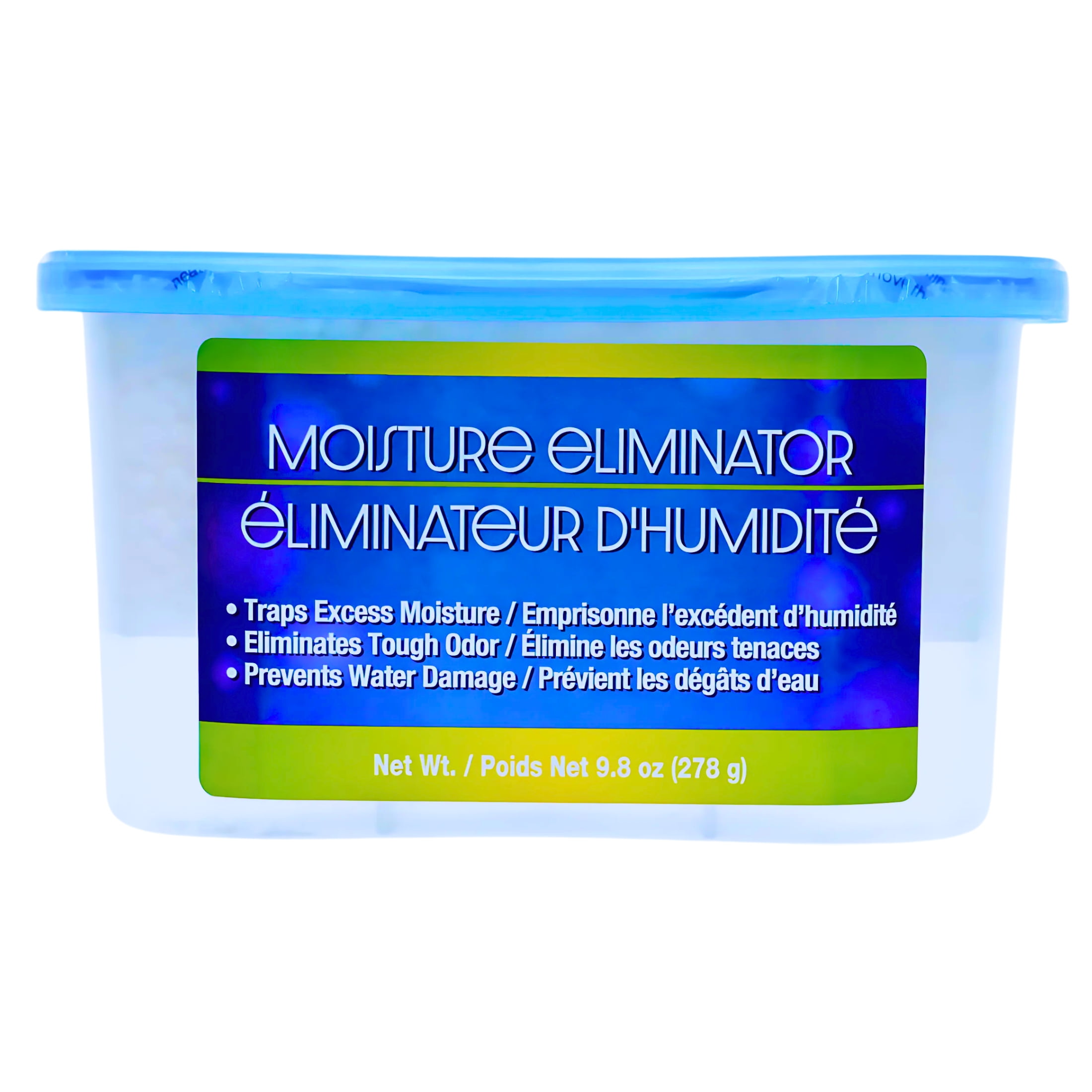
- Calcium chloride tubs. Strong pull, but keep level to avoid spills. Best for storage.
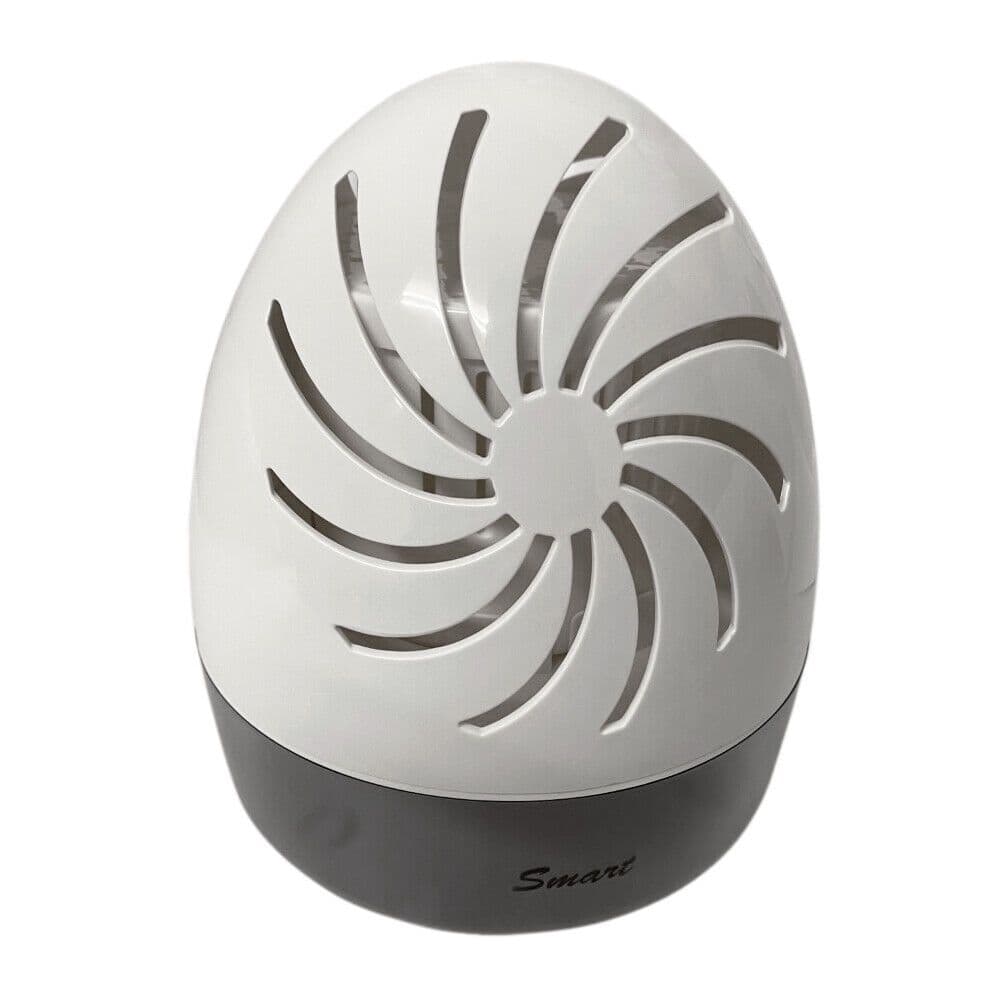
- 12V or battery dehumidifiers. Useful in garages or RVs. Choose ones with auto shutoff.
- Weatherstripping and butyl tape. Reseal door vapor barriers and tail light housings.
- Rubber floor mats and cargo liners. Hold spills and make cleanups easy.
Choose products based on use. Daily drivers do well with silica gel. Stored cars often need stronger tubs. For safe moisture control for cars, place products where they cannot tip.
Seasonal And Climate Tips For Moisture Control
Weather changes how you plan. In winter, snow and slush soak carpets fast. Knock snow from shoes and brush off coats before you sit. Use defrost with AC to strip moisture from the cabin air.
In summer, heat drives moisture into seats and headliners. Park in shade, use sunshades, and vent briefly before driving. Coastal areas need extra care. Salt plus moisture speeds rust. Rinse wheel wells and use a rust inhibitor.
After heavy rain, inspect seals and drains the same day. A five minute check saves weeks of mold cleanup. These routines make moisture control for cars easy across seasons.

Storage And Classic Cars: Extra Care For Dry Interiors
Stored cars need a steady plan. Do not use a plastic cover that traps water. Use a breathable cover and place desiccant bags on the floor and trunk. Crack windows a tiny bit if the space is safe and dry.
Lift mats and check under them monthly. Replace the cabin air filter before storage to reduce odors. If you store in a garage, add a room dehumidifier and aim for 45 to 50 percent RH.
Classic cars need extra love. Old seals and felt pads soak up water. Refresh door seals and vapor barriers with care. Thoughtful moisture control for cars preserves leather, wood trim, and wiring for years.
Simple Maintenance Checklist For Dry, Healthy Cars
Use this quick checklist once a month. It keeps things dry without fuss.
- Check under floor mats and in the spare tire well for damp spots.
- Inspect sunroof and cowl drains. Clear leaves and dirt.
- Look at door seals and tail light gaskets. Replace cracked pieces.
- Verify AC drain drips under the car after using defrost.
- Swap the cabin air filter every 12 months or 12,000 miles.
Keep a small hygrometer in the glove box. Note readings after rain and after drying runs. With this checklist, moisture control for cars becomes a simple habit.
Frequently Asked Questions of moisture control for cars
What humidity level should I target inside my car?
Aim for 40 to 55 percent relative humidity. This range helps prevent mold and reduces fog on glass.
How do I stop windshield fog fast while driving?
Use defrost with AC on, even in winter. Set fresh air, raise heat, and crack a window slightly.
Are moisture absorbers safe to leave in a car?
Yes, if you place them level and secure. Choose sealed bags for daily use and tubs for storage.
Why do I smell a sweet odor and see oily film on glass?
That suggests a heater core leak. Fix it first, then dry the cabin to prevent mold and corrosion.
Can a clogged sunroof drain flood my carpet?
Yes, blocked drains send water down pillars into floors. Clean the drains with a soft line and test with a small cup of water.
Do rubber floor mats really make a difference?
They trap slush and spills, which protects carpet and padding. They also make cleanup fast and easy.
Conclusion
Moisture control for cars protects health, comfort, and resale value. Start with clean drains and tight seals. Build a simple routine that dries fast and keeps humidity in check.
You can do most of this in your driveway with basic tools. Pick one step today, like drying mats or checking drains, and build from there. Want more tips like this? Subscribe, share your results, or ask a question so we can help you dial in a dry, fresh ride.