

Keep boats dry by stopping leaks, boosting airflow, and controlling humidity.
Moisture control for boats is not guesswork. It is a repeatable system. I have fought mold in the tropics and frost on winter docks. This guide shows what actually works. You will learn smart, simple steps for moisture control for boats that protect health, gear, and hull value. Read on to build a dry boat plan you can trust.
Why Moisture Control Matters on Every Boat
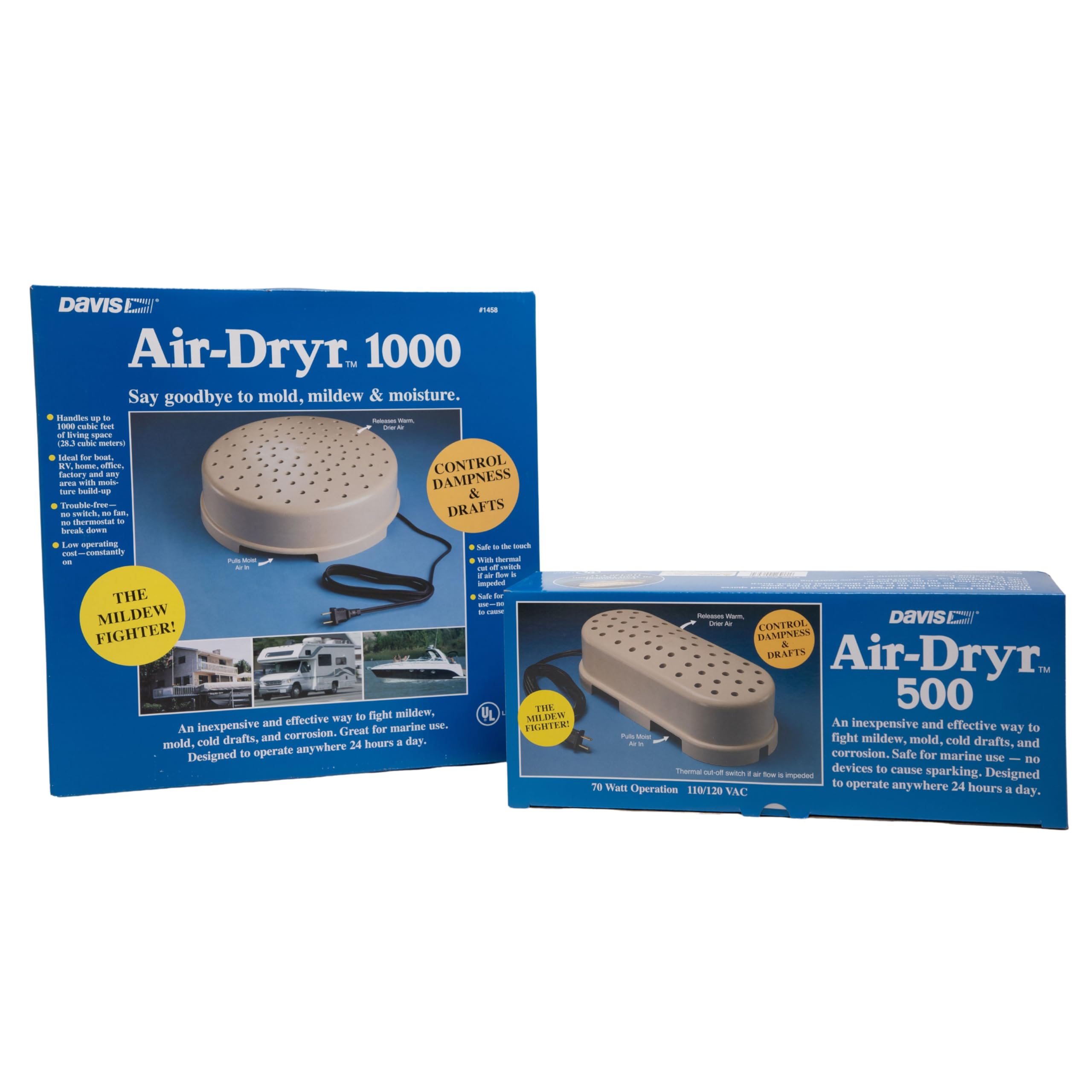
Moisture control for boats protects your wallet and your crew. Damp air leads to mold, smells, and damage. It can also cause soft decks and corroded wires.
Left alone, trapped moisture can chew through foam cores and wood. It feeds mildew in cushions and lockers. It fogs windows and ruins charts and sails.
You also breathe what grows on board. Dry air helps sleep and health. A dry boat is safer and holds value. Moisture control for boats is a core skill for every owner.
Where Moisture Comes From Aboard
Moisture sneaks in from many small places. Find and fix the sources first.
Common sources:
- Rain and spray. Leaks at hatches, ports, chainplates, and deck fittings.
- Bilge water. Weeping shaft seals, stuffing boxes, and limber holes.
- People. Cooking, showers, and wet gear drying in the cabin.
- Condensation. Cold hull or windows meeting warm cabin air.
- Engine spaces. Exhaust moisture and warm, damp air.
- Plumbing. Drips at pumps, water heaters, and hose clamps.
Track the path of water. Wipe a tissue around fittings to spot leaks. Use a bright light and mirror. In my refit, one loose stanchion base soaked a whole locker. One turn of a wrench saved a season.

Core Methods: Ventilation, Drying, and Heat
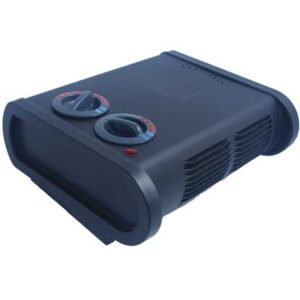
Moisture control for boats needs three tools. Move air. Remove water. Warm cold surfaces when needed.
Ventilation
- Aim for steady airflow. Open vents high and low.
- Use a solar vent or a small fan to pull stale air out.
- Add slats under mattresses and cushions for hidden airflow.
Drying
- Keep the bilge dry. Fix leaks. Hand-pump the last puddles.
- Use a dehumidifier at the dock.
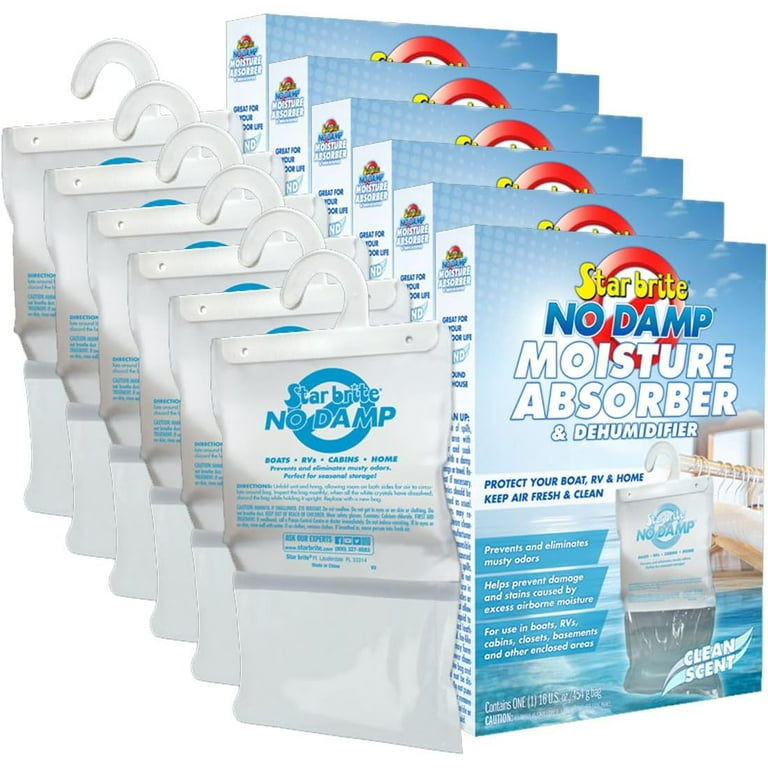
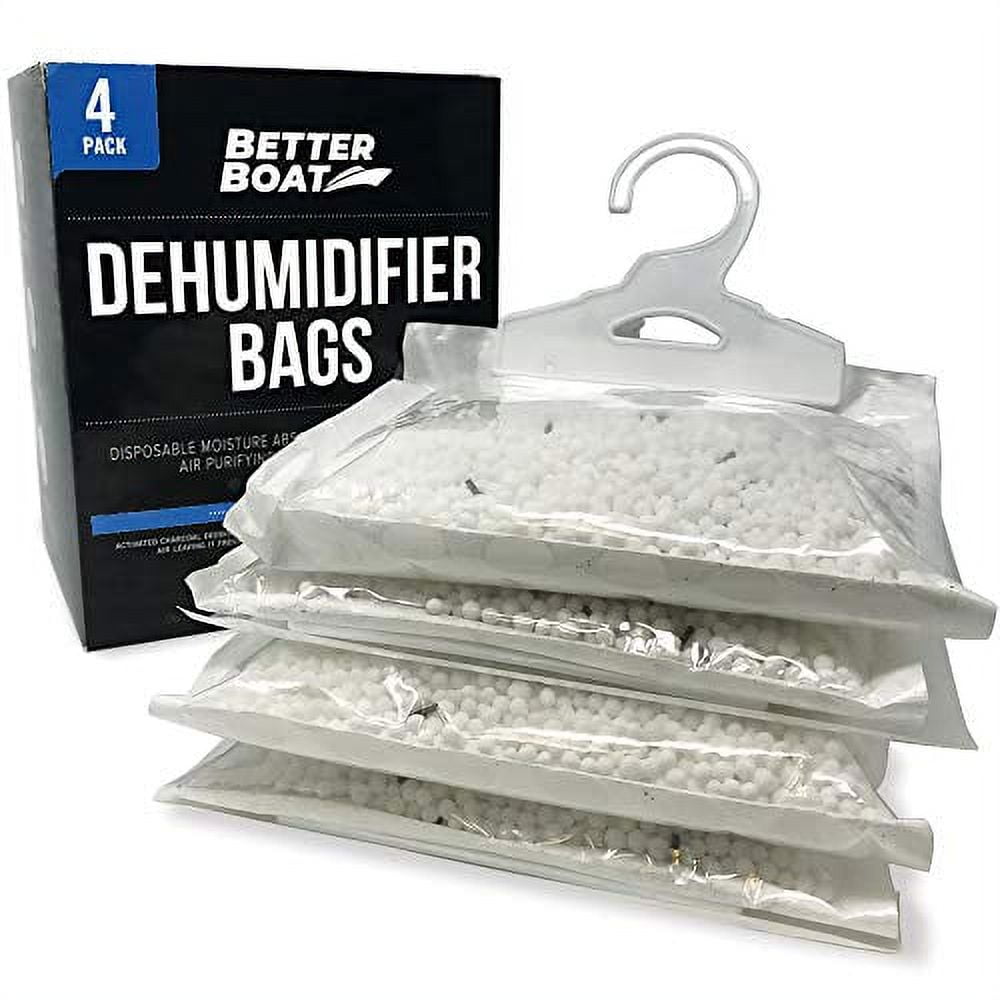
- Use desiccant bags in closed lockers and under bunks.
Heat
- Gentle heat stops cold-surface sweat. It reduces window fog.
- In cold weather, a safe heater lowers humidity by raising air temp.
- Warm air holds more moisture, so vent it outside.
Match the method to the space. A galley needs venting when you cook. A locker needs desiccant. An engine room needs a fan. Moisture control for boats is about the right fix in the right place.
Gear That Works: Dehumidifiers, Desiccants, and Sensors
Use simple gear and check it often. Keep setup safe and tidy.
Dehumidifiers
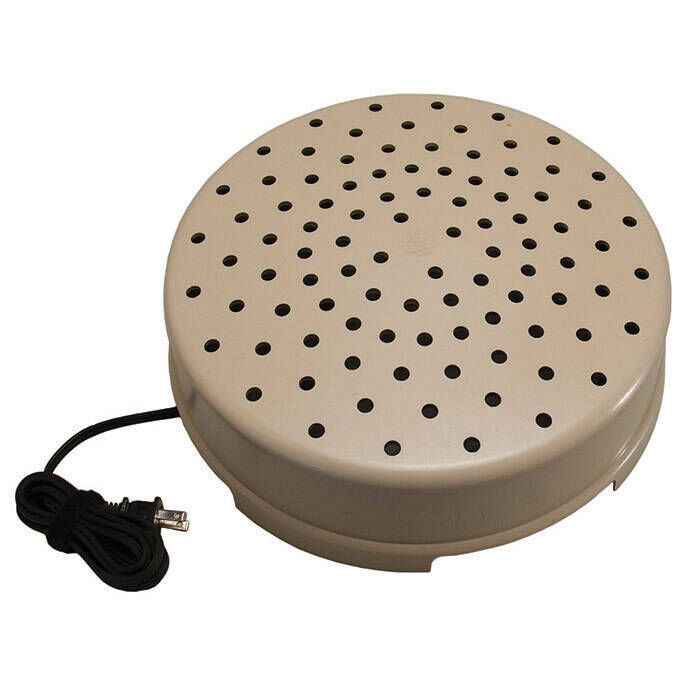
- Pick size by cabin volume. Small boats do well with 20 to 35 pint units. Larger cabins may need 35 to 50 pint units.
- Drain to a sink or cockpit drain with a loop to stop backflow.
- Use GFCI outlets and a drip loop. Tie the unit so it cannot tip.
Desiccants
- Silica gel works in small, sealed spaces. Recharge in the sun or oven.
- Calcium chloride pulls lots of water in layup. Use a catch container.
- Place in lockers, under berths, and near tools.
Sensors
- Use a digital hygrometer. Aim for 45 to 55 percent RH in warm weather.
- In cold storage, target 35 to 45 percent RH to cut window sweat.
- Add smart sensors for alerts. Track trends and adjust.
Fans and airflow tools
- Use quiet cabin fans to mix air.
- A small bilge blower on a timer helps under-floor damp.
- Louvered doors and vent grills reduce dead air pockets.
From my tests, one midsize dehumidifier plus two solar vents held 48 percent RH all summer. That setup made moisture control for boats easy and low effort.
Seasonal and Regional Strategies
Climate changes your plan. Adjust for the season and your waters.
At the dock, in season
- Vent high and low. Run a dehumidifier on a timer.
- Keep the bilge dry. Wipe lockers monthly.
- Rinse salt from decks. Salt traps moisture.
Underway
- Crack a hatch downwind to vent steam from cooking.
- Hang wet gear in a vented area, not the cabin.
- Squeegee windows to cut drip trails.
Winter or long layup
- Remove soft goods. Store dry at home if you can.
- Open cushions and add slats. Place desiccants.
- Cover the boat so it breathes. Avoid airtight wraps.
- If shore power is safe, run a small dehumidifier.
Tropical heat
- Shade reduces heat and interior humidity spikes.
- Use fans to keep air moving at anchor.
- Spray-and-wipe vinegar on vinyl if mildew starts.
Cold waters
- Insulate hull sides near berths with closed-cell foam.
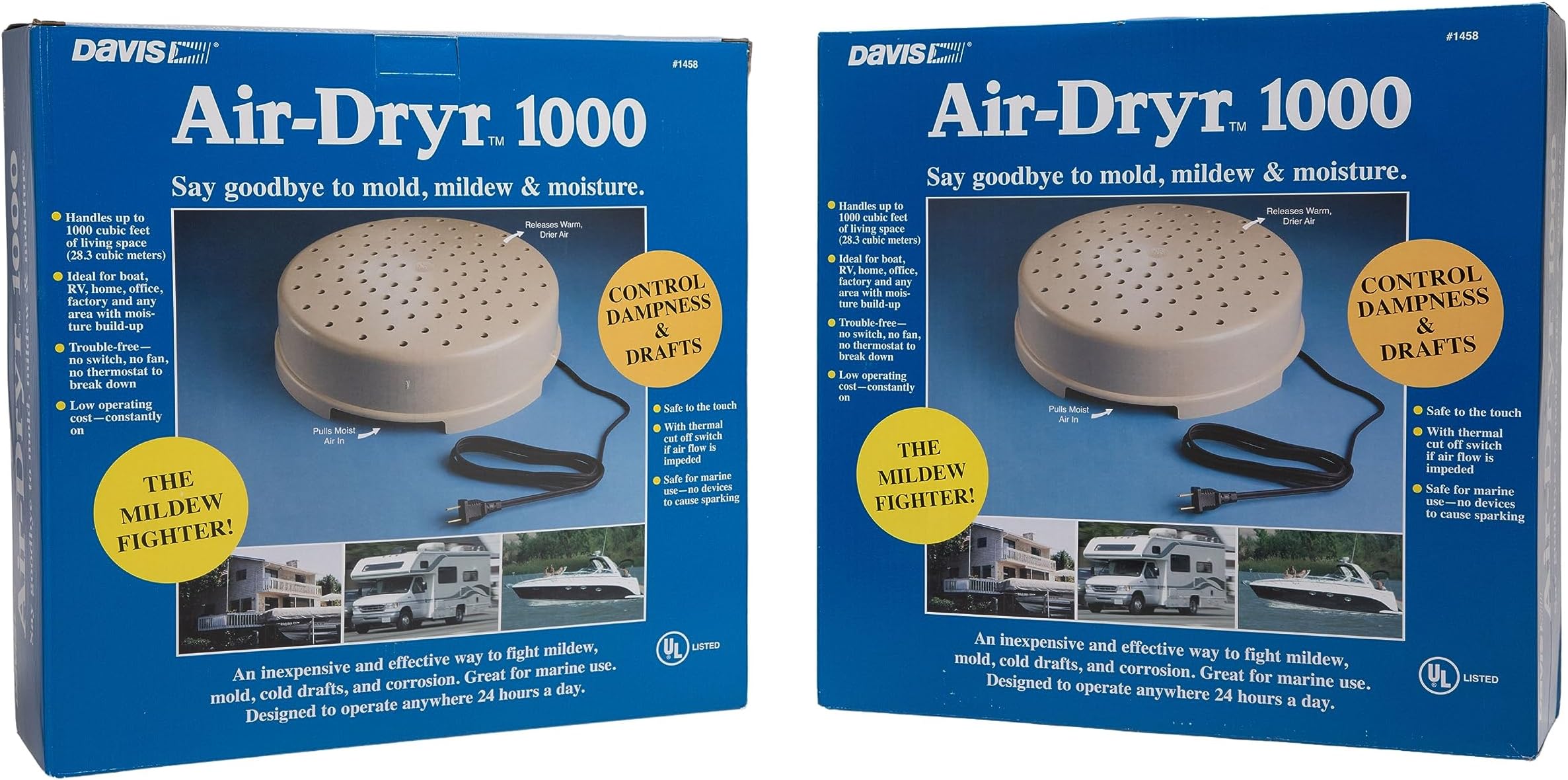
- Use a safe heater on low to combat window sweat.
- Vent moist air out after cooking or making coffee.
Moisture control for boats is dynamic. Tune it by weather and crew habits.
Space-by-Space Playbook
Each space has unique needs. Tackle them one by one.
Cabin and berths
- Add slats under mattresses. Leave a gap off the hull.
- Use vented locker doors. Place a small desiccant bag.
- Wipe window tracks and add drain holes if needed.
Galley and head
- Run a vent fan while cooking and showering.
- Squeegee walls and glass after hot showers.
- Check sink traps and hose clamps for slow drips.
Bilge and under-sole
- Clear limber holes. Keep wiring and hoses tidy.
- Add an inspection port if access is poor.
- A small blower on a timer can help dry voids.
Engine room
- Fix exhaust leaks and coolant weeps.
- Use a thermostatic fan after shutdown.
- Keep drip pans clean and dry.
Lockers and lazarettes
- Avoid cramming gear. Air must flow.
- Add EVA foam pads to keep items off the hull.
- Use silica gel canisters and swap monthly.
Cockpit and canvas
- Reseal stitching and zippers. Replace cracked vinyl.
- Ensure scuppers run free and fast.
A space-by-space plan makes moisture control for boats simple to keep up. Small wins add up.

Build and Materials: Prevent Leaks at the Source
Stop water before it starts. Good build and care matter most.
Deck fittings
- Rebed hardware with the right sealant. Clean and prime first.
- Use butyl rubber for through-bolts where suitable.
- Inspect chainplates and backing plates for stains.
Windows and hatches
- Replace failed gaskets. Check latch tension.
- Add drip rails or gutters if rain pools.
- Keep drain channels clear.
Cores and laminates
- Probe for soft spots. Tap test decks.
- Seal fastener holes into any cored area.
- If you see brown stains below, find the leak fast.
Hoses and plumbing
- Double-clamp below the waterline with stainless clamps.
- Replace old hoses and brittle elbows.
- Add shutoffs you can reach fast.
A tight, well-kept boat cuts humidity at the root. This is the heart of moisture control for boats.
Monitoring, Targets, and a Simple Routine
Make your routine short and steady. Small checks beat big fixes.
Targets
- Relative humidity: 45 to 55 percent in season.
- Winter layup: 35 to 45 percent, with airflow.
- Keep bilge dry. No standing water.
Weekly dockside checks
- Read the hygrometer. Adjust vents or timers.
- Empty the dehumidifier tray if needed.
- Wipe window tracks and hatch gutters.
Monthly deeper checks
- Open every locker. Smell for musty air.
- Inspect under mattresses and behind settees.
- Tighten any weeping clamps or fittings.
After storms
- Trace fresh drips with tissue and a flashlight.
- Blot wet spots and dry with a fan.
- Log the issue and fix it that week.
Moisture control for boats works best with habits. Ten minutes a week saves big repairs later.

Troubleshooting and Common Mistakes
A few small errors cause most damp problems. Avoid these traps.
Common problems and fixes
- Condensation on hatches. Add insulation tape and crack a vent.
- Musty cushions. Dry in sun, add slats, and use breathable covers.
- Wet headliner. Check deck core and rebed fittings above.
- Dripping AC unit. Clean the pan and clear the drain.
- Persistent bilge water. Track it by taste and smell. Salt hints at seawater. Fresh suggests rain or plumbing.
Mistakes to avoid
- Running heat without venting. Warm, trapped air gets wetter.
- Overloading lockers. No airflow means damp corners.
- Draining a dehumidifier to a closed seacock. Risky. Use a jug or free drain.
- Using bleach on porous mold. It can miss roots. Use vinegar or peroxide, then dry fast.
Use a simple logbook. Note humidity, fixes, and results. That record builds trust in your moisture control for boats plan.
Budget vs Pro Solutions and a 7-Day Action Plan
You can start small or go all in. Both paths work.
Budget wins
- Silica gel canisters and calcium chloride bags.
- Two solar vents for slow, steady air.
- A basic hygrometer in the cabin and one in the bilge.
Pro upgrades
- Smart dehumidifier with remote alerts.
- Closed-cell insulation on hull sides near berths.
- Leak mapping with dye and a moisture meter.
7-day action plan
- Day 1. Measure RH and inspect for leaks.
- Day 2. Dry the bilge. Clear limber holes.
- Day 3. Add vents and a small fan.
- Day 4. Place desiccants in lockers and berths.
- Day 5. Rebed one suspect fitting.
- Day 6. Set dehumidifier and route safe drain.
- Day 7. Log results. Adjust airflow.
Follow this and you will feel the change. Cushions stay dry. Smell fades. That is moisture control for boats working for you.
Frequently Asked Questions of moisture control for boats
What humidity level should I aim for on my boat?
Target 45 to 55 percent RH in season. In cold storage, 35 to 45 percent helps reduce condensation without over-drying wood.
Do I need a dehumidifier if I have good ventilation?
Often yes at the dock. Ventilation removes moist air, but a dehumidifier lowers the humidity fast and keeps it steady.
Are desiccant bags enough for the whole cabin?
They help in small spaces. For a full cabin, use desiccants in lockers and a dehumidifier or strong airflow for the main space.
How can I stop window condensation at night?
Warm the cabin a little and crack a vent. Add insulating covers or films to cold glass and wipe tracks dry in the morning.
Is bleach safe for mold on boats?
It is not ideal on porous surfaces. Use vinegar or hydrogen peroxide, scrub, then dry fast and improve airflow.
Conclusion
Moisture control for boats is a system, not a single gadget. Stop leaks, move air, and keep humidity in range. Use small, steady habits that fit your boat and waters.
Start this week. Pick one leak to fix and one airflow upgrade to add. Track your RH and enjoy a fresher, safer, higher-value boat. Want more tips like this? Subscribe, share your setup, or ask a question and I will help you dial it in.