

Manage attic humidity with air sealing, balanced ventilation, and proper insulation.
If you want a dry, healthy home, start at the top. I have spent years solving hidden moisture issues in attics. In this guide, I will break down moisture control for attics in simple steps. You will learn what causes the problem, how to fix it, and how to keep your attic dry for good.
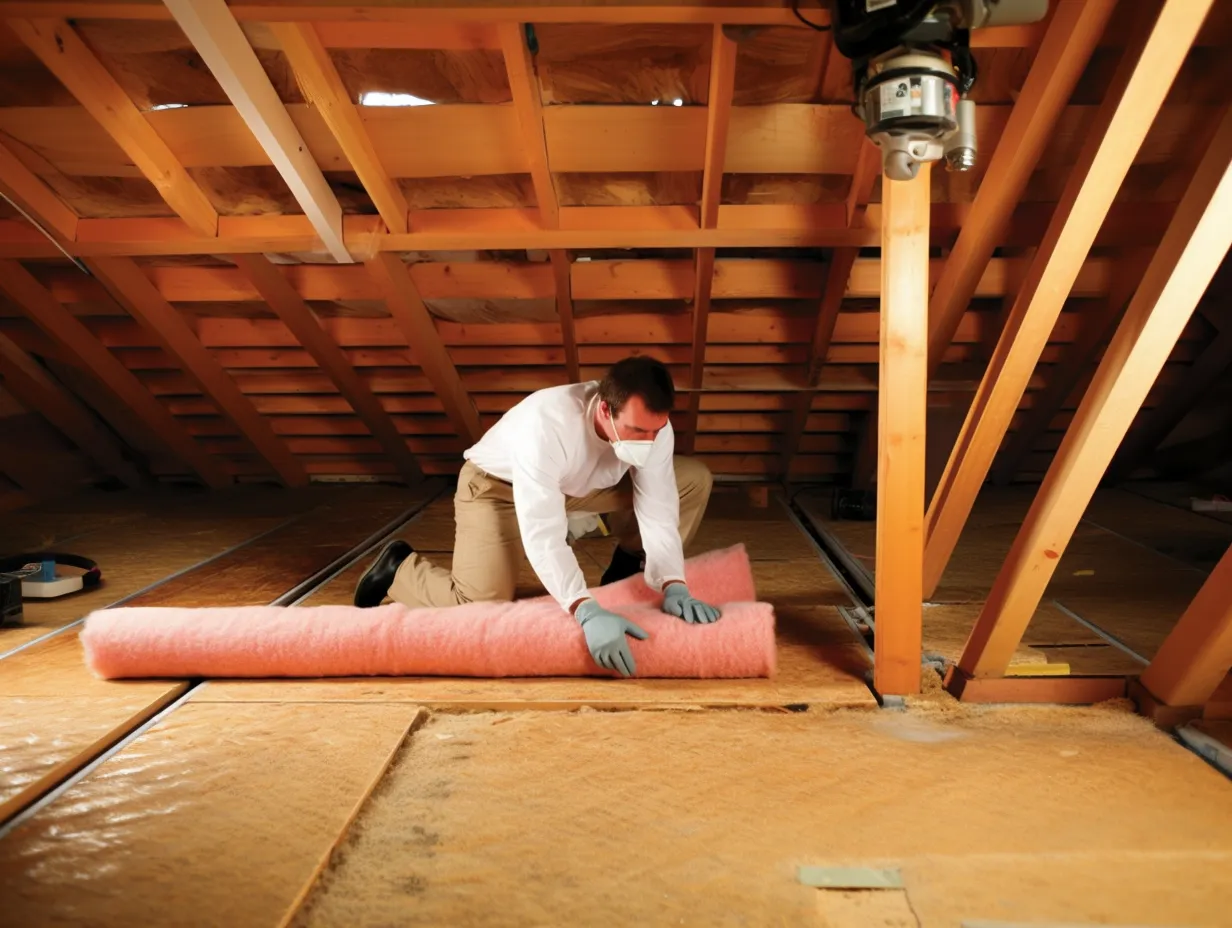
Why Attics Get Wet: The Core Causes
Attics do not get wet by accident. Moisture needs a path in and a place to land. Most issues start with warm indoor air leaking into a cold attic. That air cools, hits its dew point, and leaves water on wood and nails.
Common sources of moisture:
- Air leaks from living spaces such as around lights, hatches, and fans.
- Bathroom or kitchen fans vented into the attic instead of outdoors.
- Roof leaks at valleys, chimneys, skylights, and flashing.
- Blocked soffit vents from insulation or paint.
- Unbalanced attic ventilation with too much exhaust and low intake.
- Duct leaks and uninsulated ducts that drip from condensation.
- High indoor humidity from humidifiers, cooking, and showers.
- Ice dams that push meltwater under shingles in winter.
Moisture control for attics is about cutting off those sources. Then we help the space dry fast with the right airflow.

Clear Signs of Moisture Trouble
You may not see water drops. But the signs are easy to spot if you know where to look.
Watch for:
- Musty smell when you open the hatch.
- Dark stains or white frost on roof sheathing.
- Rusted nail tips and wet or matted insulation.
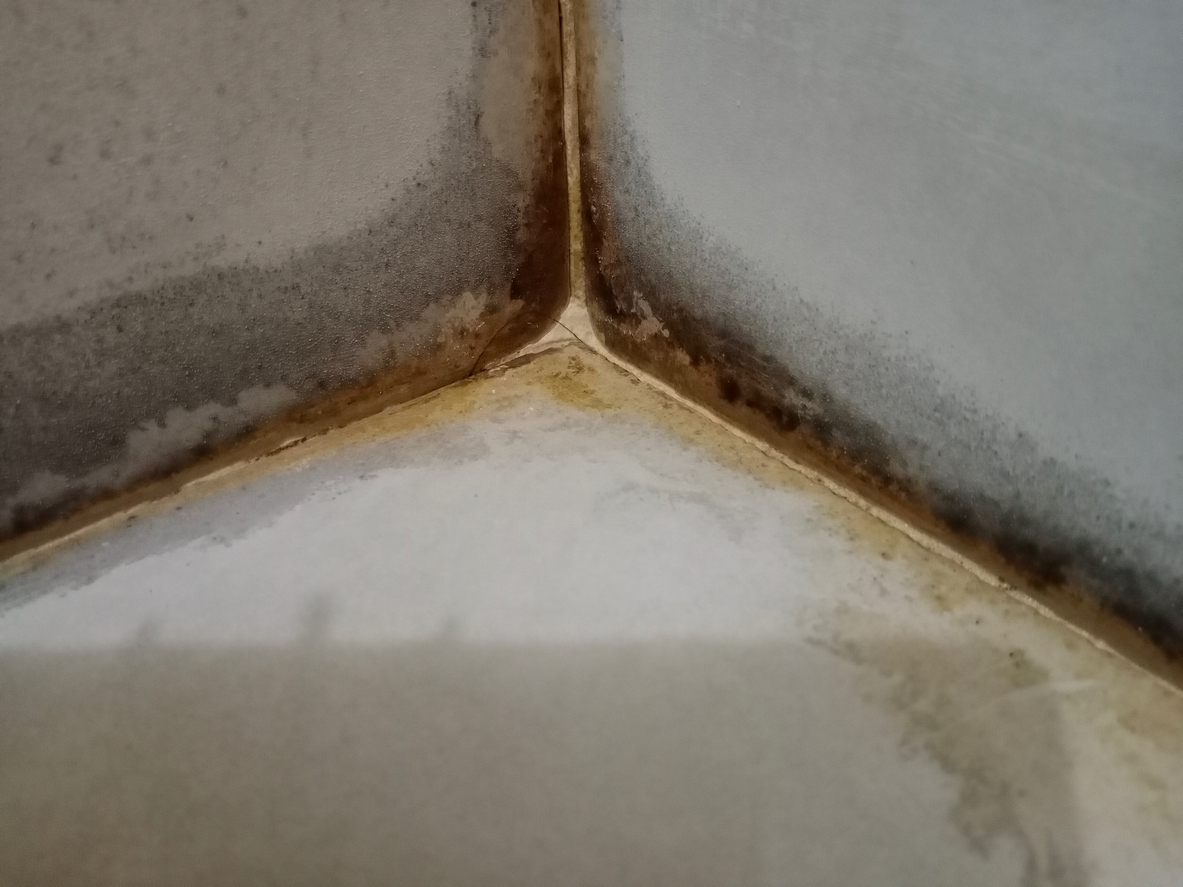
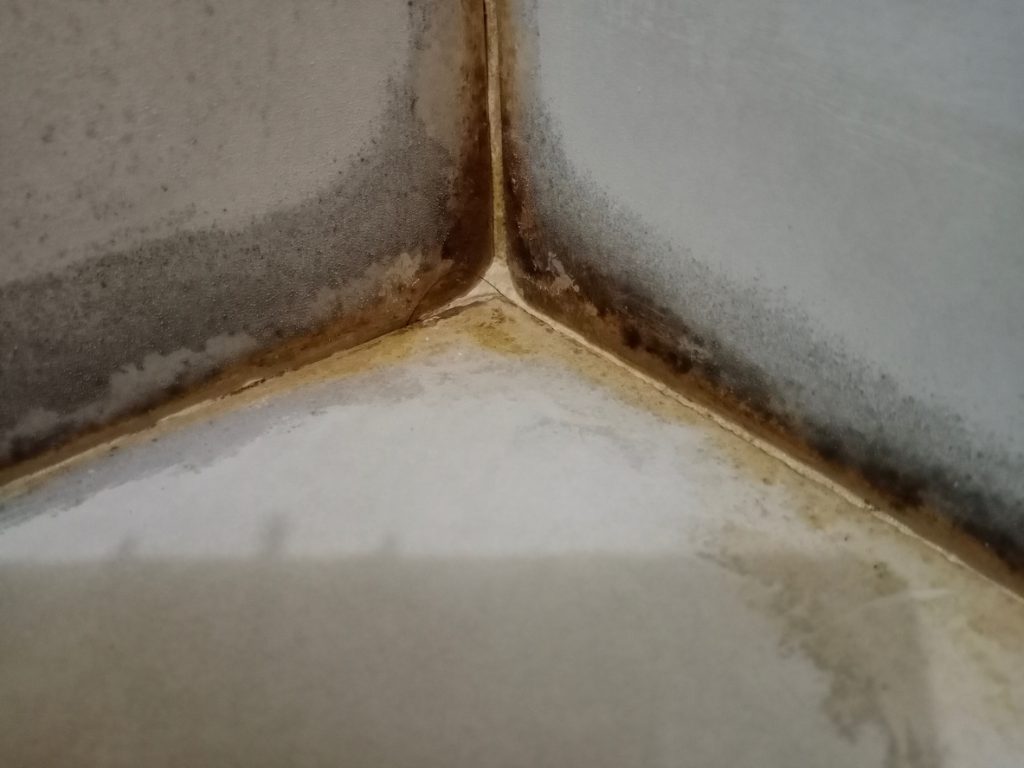
- Mold on rafters or the back of drywall.
- Dripping bath fan ducts or water stains on ceiling.
- Ice dams at the eaves and heavy icicles in winter.
- High attic humidity on a sensor, especially in cold weather.
If you find two or more of these signs, plan a fix now. Moisture control for attics gets harder if mold takes hold.
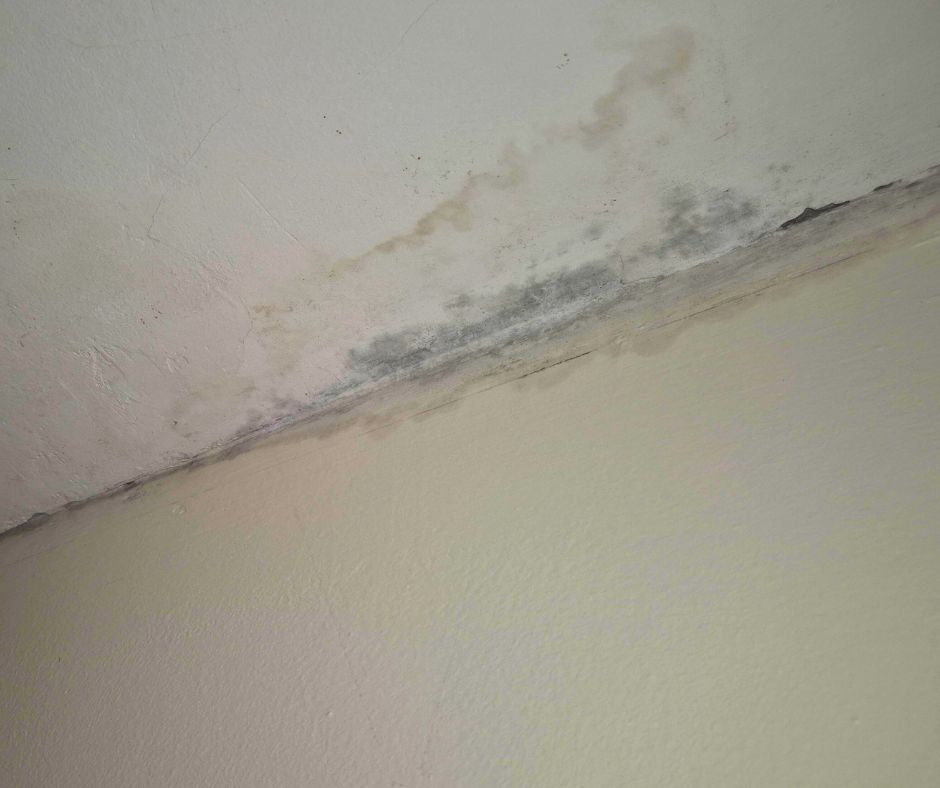
The Science Made Simple: Humidity, Dew Point, and Airflow
Warm air can hold more moisture than cold air. When warm air cools, it drops water. The dew point is the temperature where that happens. Attic wood is often colder than the air below your ceiling. So even a small leak can cause wet wood.
Air likes to move up through tiny gaps. This is the stack effect. In winter, indoor air rises and leaks into the attic. In summer, hot attic air can push down. Good moisture control for attics cuts leaks first. Then it uses balanced intake and exhaust to flush stray moisture out.
Step-by-Step Plan to Fix and Prevent Moisture
You can stop most attic moisture with a clear plan. Follow these steps in order for the best results.
- Inspect and measure
- Open the hatch on a cool morning. Look for frost, stains, or mold.
- Use a hygrometer. Aim for indoor humidity near 30 to 50 percent in winter.
- Take photos. Track changes after each step. This makes moisture control for attics measurable.
- Air seal the attic floor
- Seal gaps at light fixtures, top plates, bath fans, and the hatch.
- Use foam and caulk. Cover big holes with rigid foam and seal the edges.
- Add a gasket to the hatch. Air sealing is the backbone of moisture control for attics.
- Vent bath and kitchen fans outdoors
- Duct to the exterior with smooth metal or insulated flex duct.
- Seal joints with foil tape. Add a backdraft damper.
- Never dump moist air into the attic.
- Balance attic ventilation
- Clear soffit vents with baffles at each rafter bay.
- Pair intake at soffits with exhaust at a ridge vent. Keep the system simple.
- A common guide is 1 square foot of net free area per 300 square feet of attic. Double to 1 per 150 if no vapor retarder. Check local codes.
- Right-size and protect insulation
- In most homes, target at least R-38 to R-49 on the attic floor.
- Install baffles so insulation does not block soffits.
- Keep insulation fluffy and dry. Wet insulation loses power.
- Vapor control where it matters
- In cold regions, a smart vapor retarder on the warm side can help.
- Paint-grade vapor retarder primer on ceilings can reduce vapor drive.
- Moisture control for attics is safer with air sealing than with plastic alone.
- Fix roof and drainage
- Repair flashing at chimneys, skylights, and sidewalls.
- Keep gutters clear and downspouts moving water away from the house.
- Replace cracked shingles and install an ice and water shield at eaves in cold zones.
- Seal and insulate ducts
- Seal duct seams with mastic.
- Insulate ducts to at least R-6 in unconditioned attics.
- Better yet, bring ducts inside the conditioned space during future upgrades.
- Add monitoring and, if needed, dehumidification
- Place a low-cost temp and humidity sensor in the attic and one indoors.
- In rare cases, add a small dehumidifier in shoulder seasons.
- Use data to tune your setup. That is smart moisture control for attics.
- Recheck after storms and cold snaps
- Look for new stains after heavy rain or deep freezes.
- Adjust soffit airflow if needed.
- Keep notes. Small changes often yield big gains.

Climate-Specific Tips
Moisture control for attics is not one-size-fits-all. Your climate shapes your best plan.
Cold and very cold climates
- Focus on air sealing and strong intake and ridge ventilation.
- Keep indoor humidity low in winter, around 30 to 40 percent.
- Use deep insulation and ice dam protection.
Mixed and marine climates
- Air seal first. Use balanced ventilation.
- Manage indoor moisture with fans and short shower times.
- Check for wind-driven rain at gables and walls.
Hot-humid climates
- Limit venting that draws moist outdoor air into the attic space.
- Insulate and seal ducts well. Consider an unvented sealed attic with spray foam under the roof deck when designed right.
- Control indoor humidity with proper AC sizing and fan settings.
Hot-dry climates
- Ventilation helps shed heat. Moisture is less common but still possible from duct leaks and roof leaks.
- Keep bath fans ducted out. Maintain roofing and flashing.
In all regions, air sealing is the best first move. It sets up lasting moisture control for attics without guesswork.

Mistakes I See All The Time
Experience saves money and time. These errors show up again and again.
- Venting bath fans into the attic. This floods the space with steam.
- Adding a big power vent without intake. It pulls indoor air through your ceiling.
- Blocking soffit vents with insulation. Air needs a clear path from soffit to ridge.
- Skipping air sealing and only adding insulation. The attic still gets moist air.
- Laying plastic on the attic floor in cold climates. It traps moisture below.
- Mixing multiple exhaust vents. This can short-circuit airflow at the ridge.
Avoid these, and moisture control for attics becomes simple and steady.
Costs, ROI, and DIY vs Pro
You can do much of this yourself with care and time. Some jobs call for a pro.
Typical costs and notes:
- Air sealing materials can be low cost for foam, caulk, and gaskets.
- Baffles and soffit clearing is a small cost with a big payoff.
- Ridge vent and soffit vent upgrades vary by roof design and labor.
- Insulation top-ups cost more but save heat and reduce ice dams.
- Infrared scans and blower door tests can guide your work and avoid mistakes.
The return is strong. You protect the roof, keep energy bills down, and avoid mold. That is a big win for moisture control for attics and for your wallet.

Simple Maintenance and Monitoring Checklist
Keep it easy. Small habits prevent big repairs.
- Run bath and kitchen fans during and after use for 20 to 30 minutes.
- Check soffit and ridge vents each spring and fall.
- Look under the roof deck after the first deep freeze.
- Keep gutters and downspouts clean and flowing.
- Watch indoor humidity. Use a sensor and keep it in range.
- Inspect fan ducts and attic hatches for loose seals.
- Log what you see. Track changes over seasons.
Consistent habits make moisture control for attics reliable year-round.
My Field Notes: A Quick Case Study
A family called me about a musty smell and brown ceiling spots. Their bathroom fan dumped steam into the attic. Soffits were blocked by insulation. We sealed the ceiling leaks, ran a proper fan duct outside, and cleared soffits with baffles.
Two weeks later, humidity dropped and the smell faded. In a month, the wood dried to safe levels. Their energy bill fell as well. This is classic moisture control for attics done right and done in order.
Frequently Asked Questions of moisture control for attics
How much ventilation does my attic need?
A common guide is 1 square foot of net free area per 300 square feet of attic. If you lack a vapor retarder, use 1 per 150. Balance intake and exhaust.
Should I use a dehumidifier in the attic?
Only if moisture persists after air sealing and fixing ventilation. A dehumidifier can help in short bursts, but it should not replace proper fixes.
Can I seal my attic and skip ventilation?
Yes, but only with a designed unvented system, like spray foam under the roof deck. This must be detailed right to control vapor and heat.
What indoor humidity should I aim for in winter?
Aim for 30 to 50 percent, lower during deep cold. This helps prevent attic condensation and window frost.
Do ridge vents work without soffit vents?
Not well. Without intake at the soffits, ridge vents can pull air from leaks in your ceiling. This makes moisture worse.
How do I know if I have enough insulation?
Check your region’s recommended R-value. If you see joists, you likely need more. Insulation should be even and fluffy.
Will an attic fan fix moisture problems?
Not by itself. Power fans can pull indoor air into the attic and add moisture. Air sealing and balanced passive vents work better.
Conclusion
A dry attic protects your roof, air quality, and energy bill. Start with air sealing, then balance intake and exhaust, and finish with the right insulation. Use sensors to guide your choices and catch small issues early.
You can make real progress in a weekend. Pick one step from this guide and get it done. If you need a hand, bring in a pro and share your goals. Ready to dive deeper? Subscribe for more tips, or leave a comment with your attic challenges.