

Moisture absorbers for warehouses reduce humidity, prevent damage, and protect your inventory.
If you run a warehouse, you know humidity does not forgive. It causes mold, rust, and product loss. In this guide, I break down moisture absorbers for warehouses in plain words. You will learn how they work, how to size them, and how to place them. I will share field tips, common mistakes, and smart ways to save money. Stay with me, and you will leave with a plan you can use today.
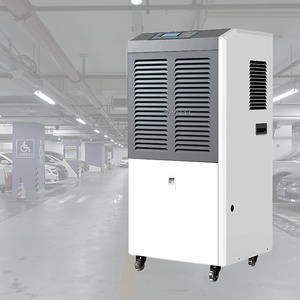
Why humidity control matters in warehouses
Moisture is sneaky. It seeps in through doors, concrete, and outside air. When warm air hits a cool surface, water appears. That is condensation. The result can be mold, rust, warping, clumping, and short circuits.
For most goods, aim for 40 to 60 percent relative humidity. Some items need lower targets. Metals and electronics do better near 35 to 45 percent. Paper and packaging stay flatter and stronger under 50 percent.
This matters to your bottom line. High humidity increases returns, rework, and claims. It adds slip hazards from condensation and brine leaks. Moisture absorbers for warehouses give you control. They keep air dry, steady, and safe.
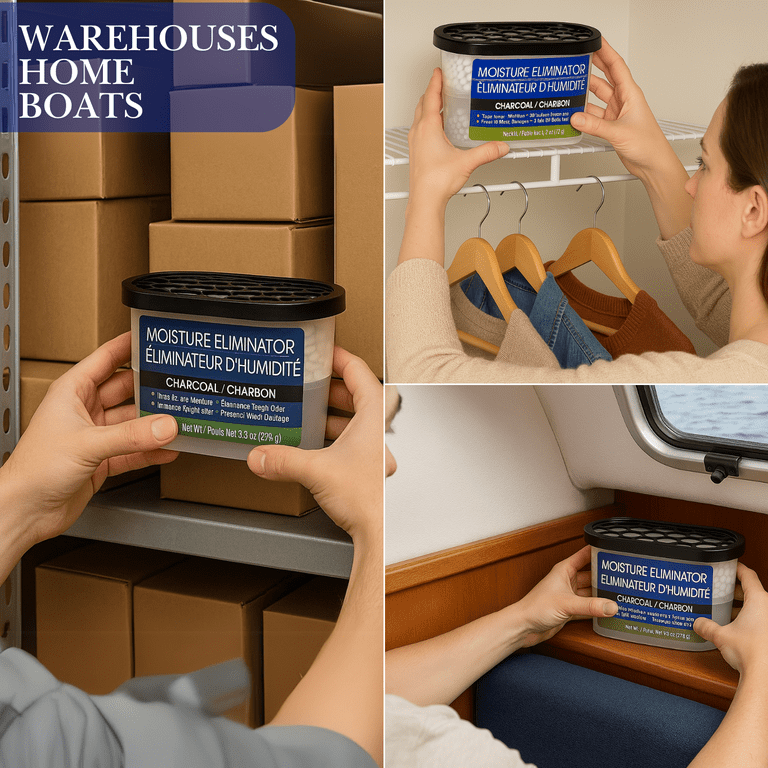
How moisture absorbers work
Moisture absorbers pull water from the air. They do it in a few ways.
Desiccants grab water vapor and hold it. Silica gel and calcium chloride are common. Some can be dried and reused. Others turn to brine and need safe disposal.
Refrigerant dehumidifiers cool air. Water condenses on cold coils and drains away. These work best in warm, humid air.
Desiccant dehumidifiers pass air through a dry wheel. Water sticks to the wheel. Heat then drives the water off outside. These shine in cold rooms or low target RH.
Moisture absorbers for warehouses blend these tools. The right mix depends on your climate, building, and products.
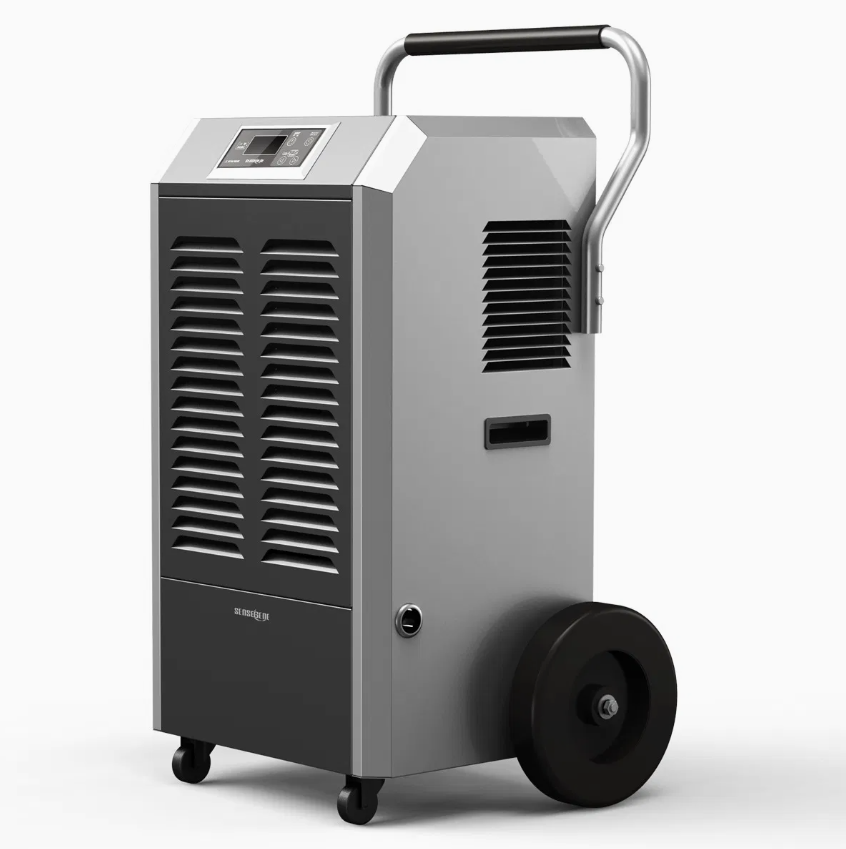
Types of moisture absorbers for warehouses
You have many choices. Each has a sweet spot.
-
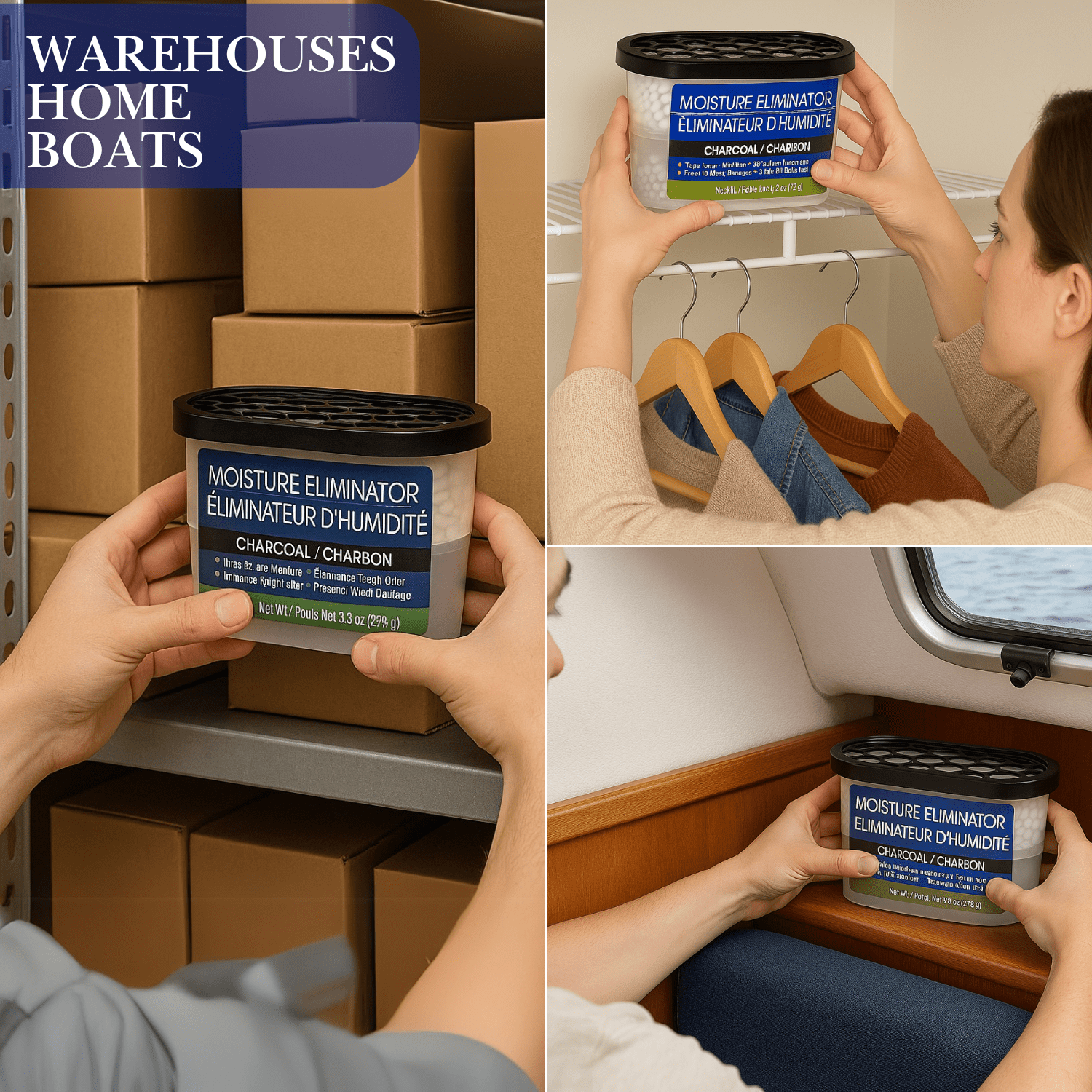
Passive desiccant bags and tubs
Good for small zones, shelves, bins, and inside crates. Calcium chloride pulls hard at high RH. Silica gel is clean and can be regenerated. Check and replace on a set schedule. -
Container and pallet desiccant strips
Hang in containers or wrap with pallets. Great for inbound freight and cross-docks. They reduce moisture spikes from door openings. -
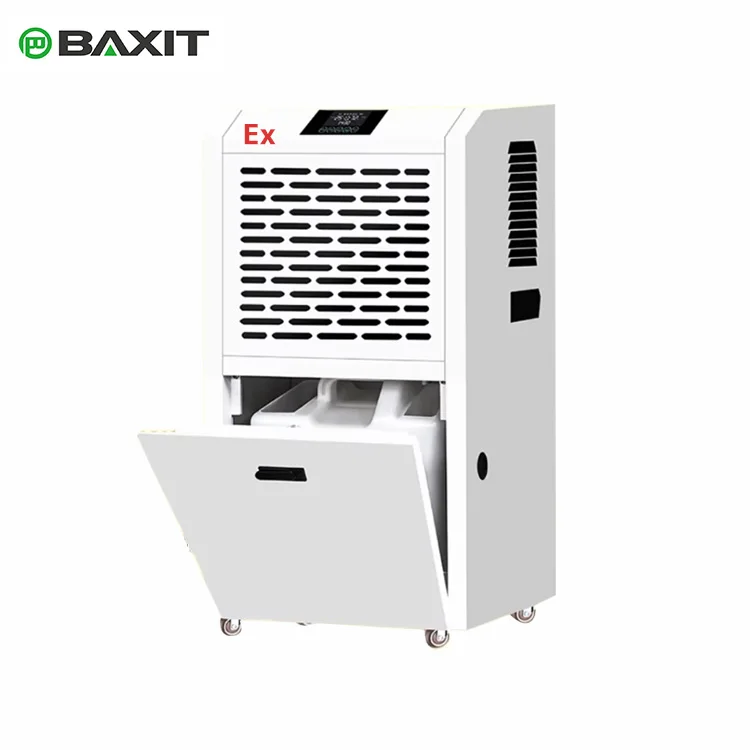
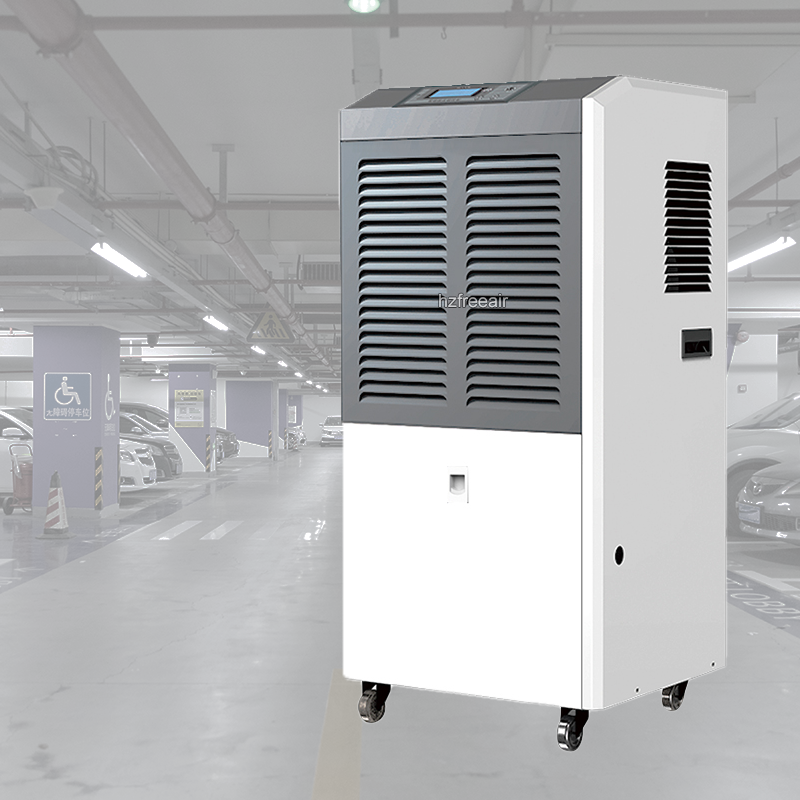
Refrigerant dehumidifiers (DX units)
Best for warm spaces and moderate targets like 50 to 60 percent RH. They are energy efficient in summer. Keep coils clean and drains clear. -
Desiccant wheel dehumidifiers
Ideal for low RH targets, cold spaces, and critical storage. They handle large moisture loads. They need heat for regeneration, so plan for energy. -
Whole-building HVAC with reheat or hot gas reheat
These control both temperature and humidity. Good for large, mixed-use warehouses. Set clear RH priority in controls. -
VCI emitters and anti-corrosion packaging
Add extra protection for metals. Use along with moisture absorbers for warehouses, not instead of them. -
Absorbent floor granules and mats
Use for spill cleanup. Do not rely on these for air moisture control.
Use more than one method if needed. Many warehouses run a hybrid plan. That often gives the best value and stability.

Choosing the right system
Start with what you store and where you are. Then size the system to your load.
Key factors to review:
-
Climate and season
Coastal and humid zones need more capacity. Winter loads can rise in heated spaces due to cold, dry outside air causing condensation cycles on colder goods. -
Building tightness and air changes
Leaky doors and dock activity bring in wet air. Count door cycles and measure infiltration where you can. -
Target RH and temperature
Lower RH needs more capacity. Cold spaces need desiccant methods. -
Product sensitivity and packaging
Electronics, metals, and powders need tighter control. Use sensors near product zones. -
Floor area and ceiling height
Big volumes spread the load. Airflow planning matters. -
Energy and maintenance
Balance upfront cost, power use, and staffing. Consumables can be cheap to start and costly over time.
Quick path to a good pick:
- Set a target RH by product.
- Measure current RH and dew point for at least two weeks.
- Estimate moisture loads from infiltration and door use. Vendor tools can help.
- Compare options: passive desiccants, refrigerant, desiccant wheel, or a hybrid.
- Pilot in one zone. Tune, then scale.
Moisture absorbers for warehouses are not one-size-fits-all. Matching the tool to the load is the win.
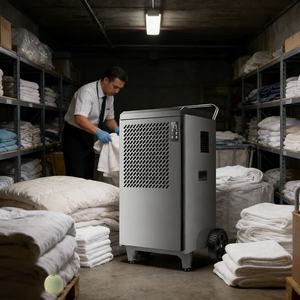
Placement and installation best practices
Placement makes or breaks results. You want even, steady drying.
Tips that work:
-
Treat the wettest zones first
Focus near docks, cool walls, and under leaky skylights. Add local units or more desiccant there. -
Create a dry air path
Aim dry air toward doors and problem aisles. Use fans to mix air. Avoid dead corners. -
Elevate and protect devices
Keep units off dusty floors. Leave space around coils and filters. -
Use sensors at product height
Put loggers near the goods, not at the ceiling. Track aisle ends and center bays. -
Seal, then dry
Fix gaps around doors and dock plates. Use fast doors or air curtains. Dry air works best in a tight shell.
For passive desiccants, hang strips high and place tubs where drips cannot hit product. Keep calcium chloride away from metal surfaces. The brine is corrosive. Always use trays.
Maintenance, monitoring, and KPIs
What you track improves. Make it simple and steady.
What to monitor:
-
RH and temperature
Use data loggers. Track daily highs and time above 60 percent RH. -
Dew point
Dew point shows when condensation will happen. Keep product surfaces warmer than dew point. -
Unit health
Check filters, coils, belts, and drains monthly. Rotate spare parts. -
Consumables
Replace desiccant before it is spent. Mark install dates on each unit.
Useful KPIs:
- Percent of hours within target RH
- Claims and rework due to moisture
- Energy per square foot
- Cost per pallet protected
These KPIs help prove the value of moisture absorbers for warehouses to finance and operations.

Cost, ROI, and energy
Think in total cost. Include energy, labor, and product loss.
Typical patterns I see:
-
Passive desiccants
Low capex, higher ongoing costs. Great for small zones and containers. Watch labor time. -
Refrigerant dehumidifiers
Mid capex, low to mid energy. Best for moderate RH and warm warehouses. -
Desiccant wheels
Higher capex and energy. Best for low RH or cold spaces. Very stable control.
A simple ROI check:
- Estimate annual loss from moisture. Include scrap, returns, rust cleanup, and delays.
- Price a system that cuts RH within target.
- Compare one year of savings to the full cost. Many sites see payback in 6 to 18 months.
In one coastal site I supported, moisture absorbers for warehouses cut rust claims by over half in three months. We added dock curtains, two desiccant wheels, and smart controls. The system paid for itself in a year.
Real-world examples and lessons from the field
Auto parts near the coast
We fought flash rust on brake rotors. We targeted 45 percent RH. We used door seals, hung container strips on inbound pallets, and added a desiccant wheel near docks. Claims fell fast. Staff loved the clear SOP for bag swaps and weekly checks.
Food distribution in a humid summer climate
Cardboard was sagging. Powdered mixes clumped. We chose large refrigerant units, set 50 percent RH, and improved airflow at the ceiling. We placed moisture absorbers for warehouses near high-traffic doors. Damage dropped, and pick rates rose.
Lessons I keep:
- Fix the shell and airflow first.
- Place sensors where product lives.
- Start with a pilot zone. Prove it. Then roll out.
Safety, compliance, and sustainability
Safety first:
-
Calcium chloride brine is corrosive
Keep away from metal. Use trays and spill kits. -
Electrical and water
Dehumidifiers make water. Protect drains and cords. Prevent slip hazards. -
Mold cleanup
If mold appears, follow an approved cleanup plan. Dry first, then clean.
Sustainability ideas:
-
Regenerate silica gel where possible
Use low-energy ovens or vendor services. -
Use smart controls
Stage units and avoid over-drying. Each 5 percent lower RH can add a lot of energy. -
Heat recovery and reheat
Reuse waste heat from regeneration or compressors.
With smart planning, moisture absorbers for warehouses can cut waste and shrink your footprint.
Common mistakes to avoid
Avoid these traps:
-
Using only fans and hoping for the best
Fans move wet air. They do not dry it. -
Overloading passive desiccants
Big, leaky spaces will eat bags fast. Use powered units for bulk loads. -
Placing sensors in the wrong spot
Ceiling readings lie. Measure at product height. -
Skipping door management
A single door propped open can beat any system. -
Running units without service
Dirty coils and full tubs undo all your work.
Moisture absorbers for warehouses work best with a tight shell, good airflow, and a simple service plan.
Frequently Asked Questions of moisture absorbers for warehouses
What RH should I target in a general warehouse?
Aim for 40 to 60 percent RH for most goods. Lower targets may be needed for electronics, metals, and pharmaceuticals.
Do I need dehumidifiers if I already use desiccant bags?
Often yes. Desiccant bags handle small zones and short bursts. Large, leaky spaces need powered units for steady control.
How often should I replace calcium chloride tubs?
Check them weekly at first. Replace when brine nears the fill line or after the vendor’s suggested service life.
Where should I place sensors?
Place them at product height and near known wet spots. Add one at the dock, one mid-aisle, and one deep in storage.
Are desiccant wheel units worth the energy use?
If you need low RH or work in cold spaces, yes. They offer stable, precise drying that passive or refrigerant units cannot match.
Can moisture absorbers help prevent condensation on floors and walls?
Yes. Lowering dew point reduces condensation. Pair drying with insulation and airflow to prevent slick surfaces.
How many moisture absorbers for warehouses do I need?
It depends on volume, leaks, and target RH. Start with a pilot, measure results, then scale the count based on data.
Conclusion
Moisture control is a steady habit, not a one-time fix. Start with a clear RH target, seal the shell, and pick tools that match your load. Place sensors at product height, service your gear, and track a few simple KPIs. With the right moisture absorbers for warehouses, you protect goods, people, and profit.
Ready to act? Audit one zone this week. Set a target, add sensors, and test a small solution. Subscribe for more field guides, or reach out with your questions and wins.