

Pick “with odor eliminator” for smells and dampness; pick “without” for pure moisture control.
If musty air creeps into closets, cars, basements, or your RV, you want clear guidance. I’ve tested both options for years and coached homeowners on the best pick for each space. In this guide, I break down moisture absorber with odor eliminator vs without, how each works, when to choose either, and how to use them the right way for clean, dry air.
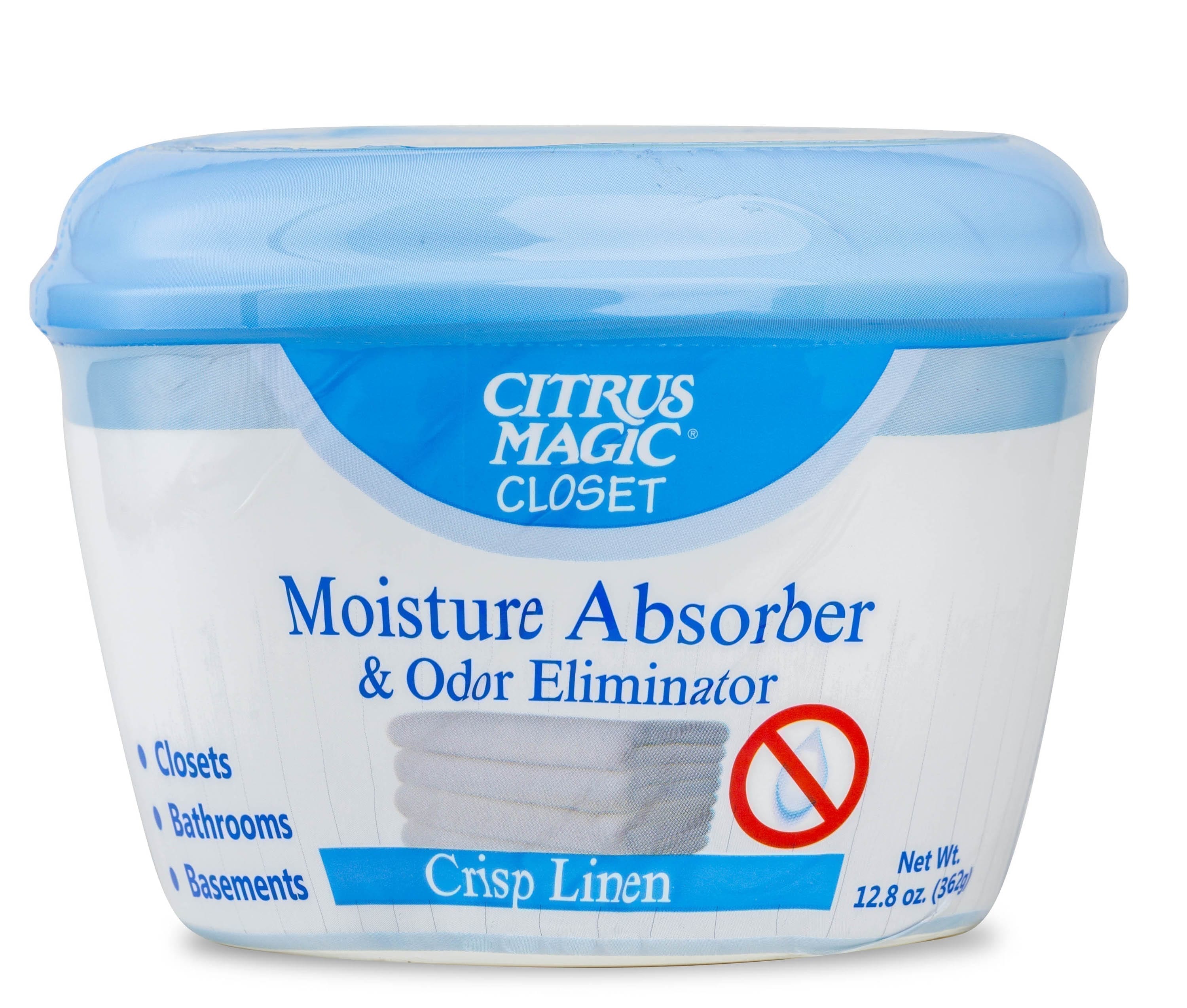
What do “with odor eliminator” and “without” actually mean?
A standard moisture absorber uses salts or gels to pull water from air. The goal is to lower humidity. That cuts mold risk and damp smells caused by moisture.
A moisture absorber with odor eliminator adds a second layer. It includes carbon, baking soda, or a scent system. Some formulas trap odor. Some only mask odor.
The choice comes down to your problem. If you have high humidity, both can help. If you have strong smells, a moisture absorber with odor eliminator vs without can make a big difference.

How odor eliminators work (and what they don’t do)
Most “with odor eliminator” tubs use one or more tools.
- Activated carbon traps many odor molecules. It does not add scent.
- Baking soda buffers some acids. It helps with light smells.
- Cyclodextrin binds some scent molecules. It is common in sprays.
- Fragrance adds a pleasant smell. It can mask a bad smell but may not remove it.
A key point: odor control is not the same as dehumidifying. The desiccant, like calcium chloride or silica gel, lowers moisture. The add-on targets smells. When you compare moisture absorber with odor eliminator vs without, know that odor units may cost more and may need more frequent change if smells are heavy.
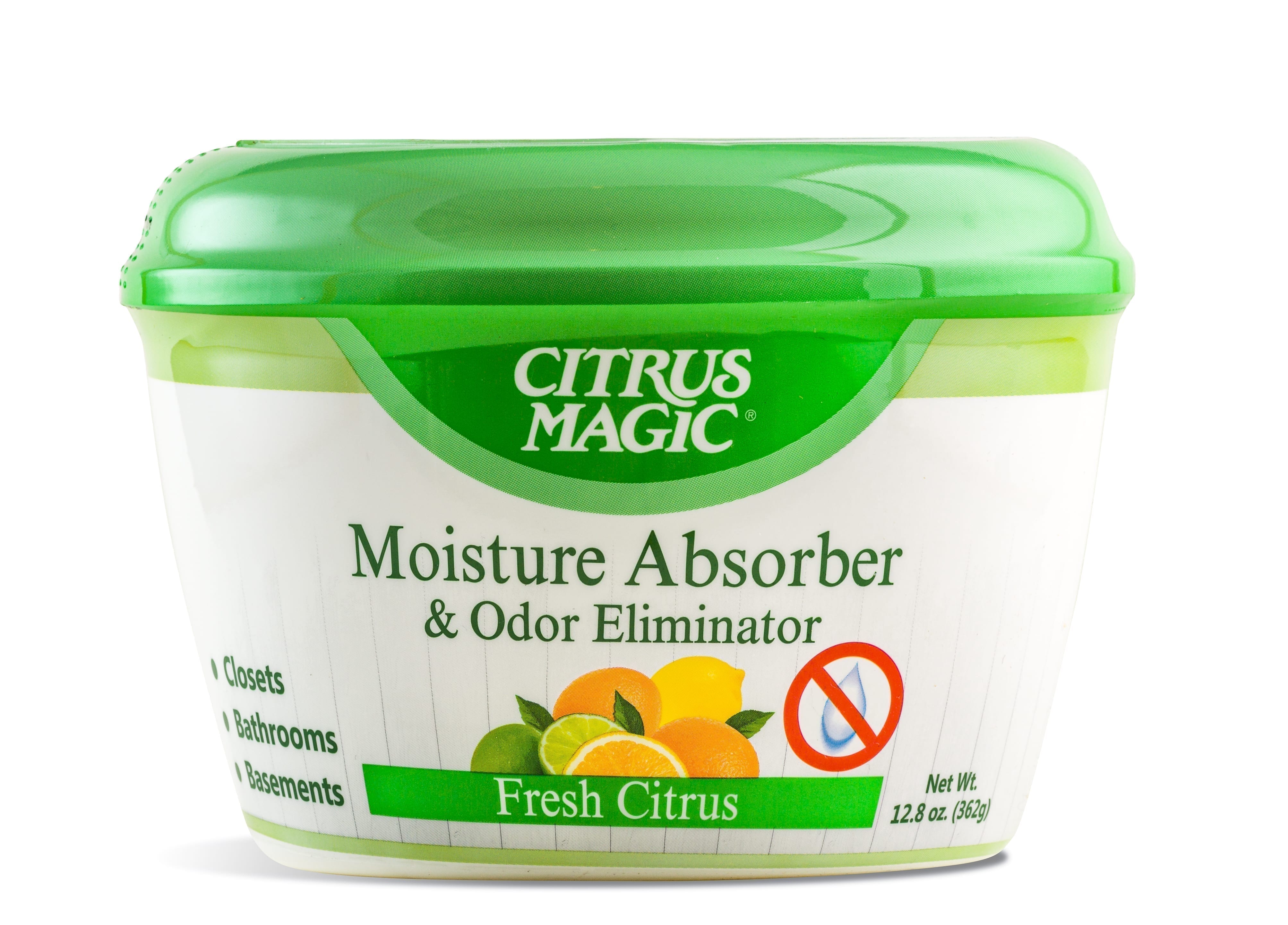
When to choose moisture absorber with odor eliminator vs without
Use cases where “with odor eliminator” is smart:
- Small closets with musty clothes or shoes.
- Entry cabinets where damp umbrellas live.
- Cars, boats, or RVs after storage with stale air.
- Litter areas or laundry rooms with mixed odors.
Use cases where “without” is better:
- Basements or crawl spaces with high humidity but no clear smell source.
- Rooms with fragrance-sensitive people, babies, or pets.
- Areas where you use other odor control, like HEPA or carbon filters.
- Near instruments, books, or art where neutral air is best.
For mixed issues, I often pair both. I place a strong, plain absorber for humidity. I add a small odor unit near the smell source. That balance wins the moisture absorber with odor eliminator vs without debate in many homes.

Pros and cons of each option
With odor eliminator:
- Pros: Tackles moisture and smells at once; faster relief; great for small, closed spaces.
- Cons: Costs more; fragrance can bother some people; may not fix the source of odor.
Without odor eliminator:
- Pros: Lower cost; fewer additives; great for pure humidity control; safer for scent-sensitive homes.
- Cons: Won’t handle smoke, pet, or food odors by itself; may feel “not enough” in stale spaces.
If you must pick one, think about your top pain point. For heavy damp air, go “without.” For light damp plus smells, go “with.” This is the heart of moisture absorber with odor eliminator vs without.
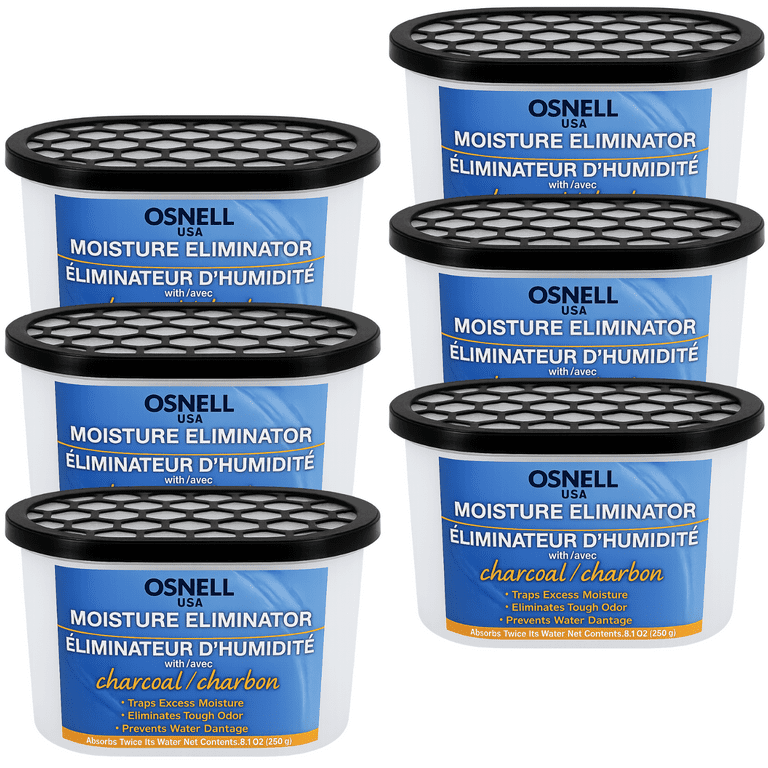
Safety, ingredients, and pets
Common desiccants:
- Calcium chloride pulls a lot of water. It turns into liquid brine. Keep away from kids and pets. The brine can irritate skin and surfaces.
- Silica gel comes as beads. It is less messy but has lower capacity. Avoid ingestion.
- Clay or mineral blends absorb less water. They can still help in small spaces.
Odor add-ons:
- Fragrance can release VOCs. Some people get headaches or irritation. Ventilation helps.
- Carbon is inert and low odor. It is a good pick for sensitive homes.
- Baking soda is mild. It works best for small odor loads.
Large health groups note that dry air and clean ventilation reduce mold and allergens. That aligns with my field results. When we weigh moisture absorber with odor eliminator vs without for families, we lean “without” in nurseries and “with” in mudrooms, closets, and garages.

Cost, capacity, and lifespan
Think in terms of cost per ounce of water removed.
- A typical 10–16 ounce calcium chloride tub can pull about 20–32 ounces of water over 1–2 months in a small room.
- If that tub costs 4–6 dollars, your cost per ounce of water is about 0.12–0.20 dollars.
- Odor versions can cost 10–30 percent more. They may need quicker change if odor media saturates first.
For steady damp spots, plain tubs win on value. For smell-prone corners, the small extra spend for odor control feels worth it. This is a key math step in moisture absorber with odor eliminator vs without.
Tip: In very humid climates, a small electric dehumidifier often beats any tub on long-term cost per gallon removed.
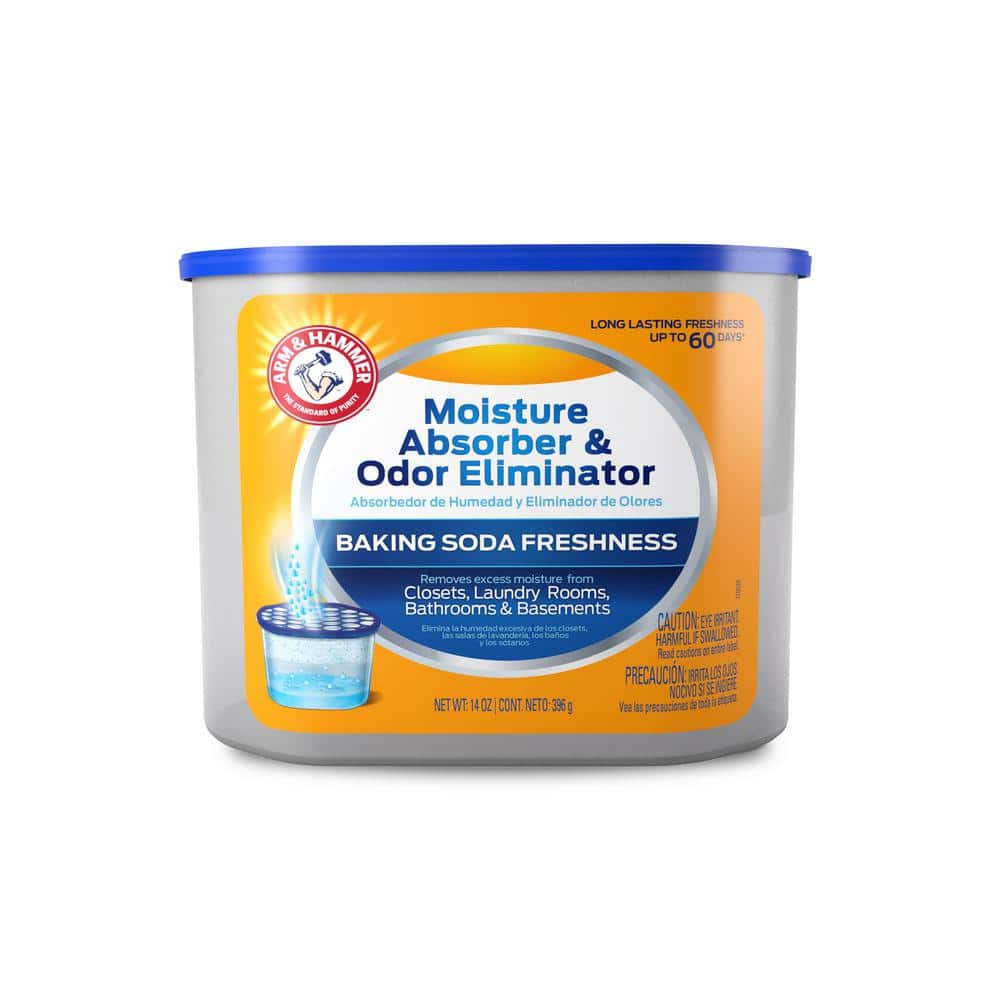
Setup, placement, and maintenance tips
Smart placement boosts results by a lot.
- Put tubs low and near the center of the problem area. Keep airflow clear.
- Do not set on wood without a tray. Brine can spill and stain.
- Close doors and windows for best draw in closets and bathrooms.
- Check fill lines weekly in wet months. Change packs before overflow.
- For odor units, place closer to the source, like near shoes or hampers.
If you test moisture absorber with odor eliminator vs without in the same room, keep them 3–5 feet apart. That makes it easy to track which one is doing the heavy lifting.

Alternatives and combos for better results
Sometimes you need more than a tub.
- Portable dehumidifier: Pulls pints per day. Best for basements or big rooms.
- Ventilation: Run exhaust fans in baths and kitchens. Add a door undercut for closets.
- Air purifiers with carbon: Great for smoke, food, and pet odors.
- Source control: Wash fabrics, fix leaks, seal sump covers, and clean drains.
- Sun and airflow: Open closets for a few hours on dry days.
These add-ons reduce how hard your tub has to work. In a moisture absorber with odor eliminator vs without plan, combos often give the best long-term air quality.
My field notes and lessons learned
From my work and home tests:
- Closet fix: A plain calcium chloride tub ended musty shirts in 48 hours, but shoes still smelled. A small carbon odor unit near the shoe rack solved it. Winner: with odor eliminator near the source, plus a plain tub for humidity.
- RV storage: A plain silica gel pack helped a little. An odor unit with carbon did better for stale air after storage. Best result came after I cracked a vent for airflow too.
- Litter area: Odor unit helped, but weekly box care was the hero. The tub kept humidity down so the smell did not linger.
Bottom line: The right pick is about the main problem. That is the core of moisture absorber with odor eliminator vs without.
Frequently Asked Questions of moisture absorber with odor eliminator vs without
Which option works best for musty closets?
If the closet is damp and musty, start with “with odor eliminator.” It cuts smell fast while you lower humidity. If the smell fades, you can switch to “without” to save cost.
Are fragrance-free odor eliminator options available?
Yes. Look for units that use activated carbon with no added scent. These handle odors without fragrance.
Is calcium chloride safe around kids and pets?
Keep it out of reach. The brine can irritate skin and is harmful if swallowed. Use trays and place tubs up high.
How long do these products last?
In a small, damp room, expect 1–2 months per tub. In dry seasons, they can last longer. Check often in summer.
Can I use both types in one room?
Yes. Place a plain absorber for moisture and a small odor unit near the smell source. This combo often works best.
Will an air purifier replace a moisture absorber?
No. Purifiers clean particles and some odors, but they do not remove water from air. You may need both.
Conclusion
The choice is simple once you define the problem. If you need dry air, go “without.” If you face damp air plus smells, go “with.” In many homes, the winning setup blends both: a strong moisture unit for humidity and a compact odor unit right at the source.
Try one space this week. Track changes for seven days. Adjust as needed. If you found this guide on moisture absorber with odor eliminator vs without helpful, subscribe for more home air tips or leave a comment with your setup and results.