

Moisture absorbers help in small spaces; ventilation fixes whole-home humidity long-term.
If you are weighing moisture absorber vs ventilation, you are in the right place. I have helped many homeowners solve damp rooms, foggy windows, and musty basements. In this guide, I break down what works, what fails, and why. You will see when a moisture absorber is enough and when ventilation is the smarter move. Stick with me to make a clear, confident choice.

Why indoor humidity matters more than you think
Humidity is the quiet troublemaker in many homes. It drives mold, dust mites, wood warping, and stale air. It can even make your home feel colder in winter and sticky in summer.
The sweet spot for indoor humidity is usually 30 to 50 percent. That range keeps mold at bay and helps you breathe easier. Going beyond that range for long can harm your home and your health.
Moisture often comes from daily life. Showers, cooking, drying clothes, and even people add water to the air. Hidden issues include leaks, wet basements, and poor airflow. This is where the moisture absorber vs ventilation choice matters. Pick right and you solve the root cause, not just the symptom.
Moisture absorbers explained
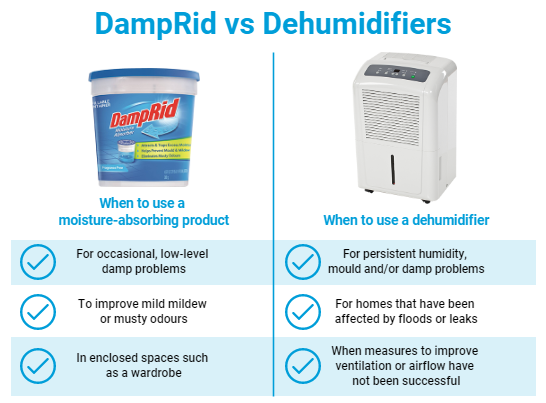
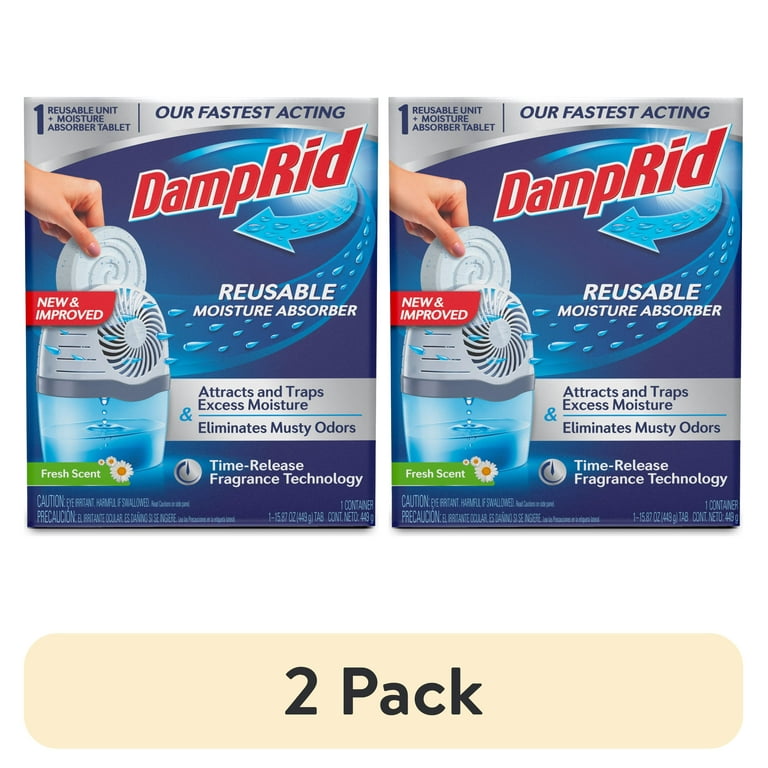
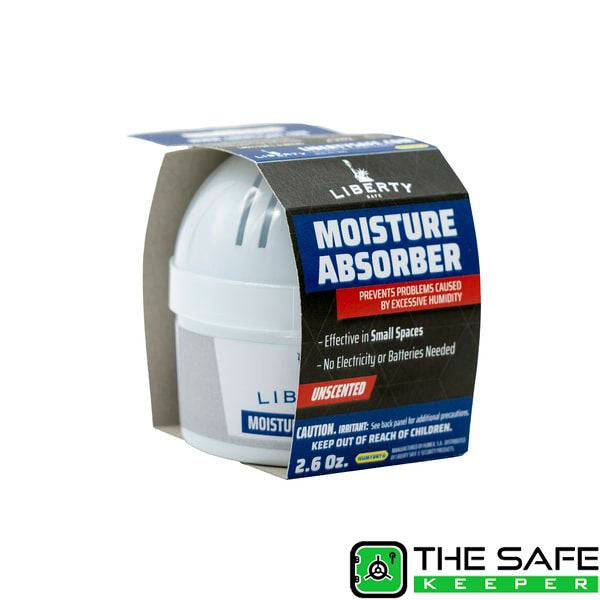
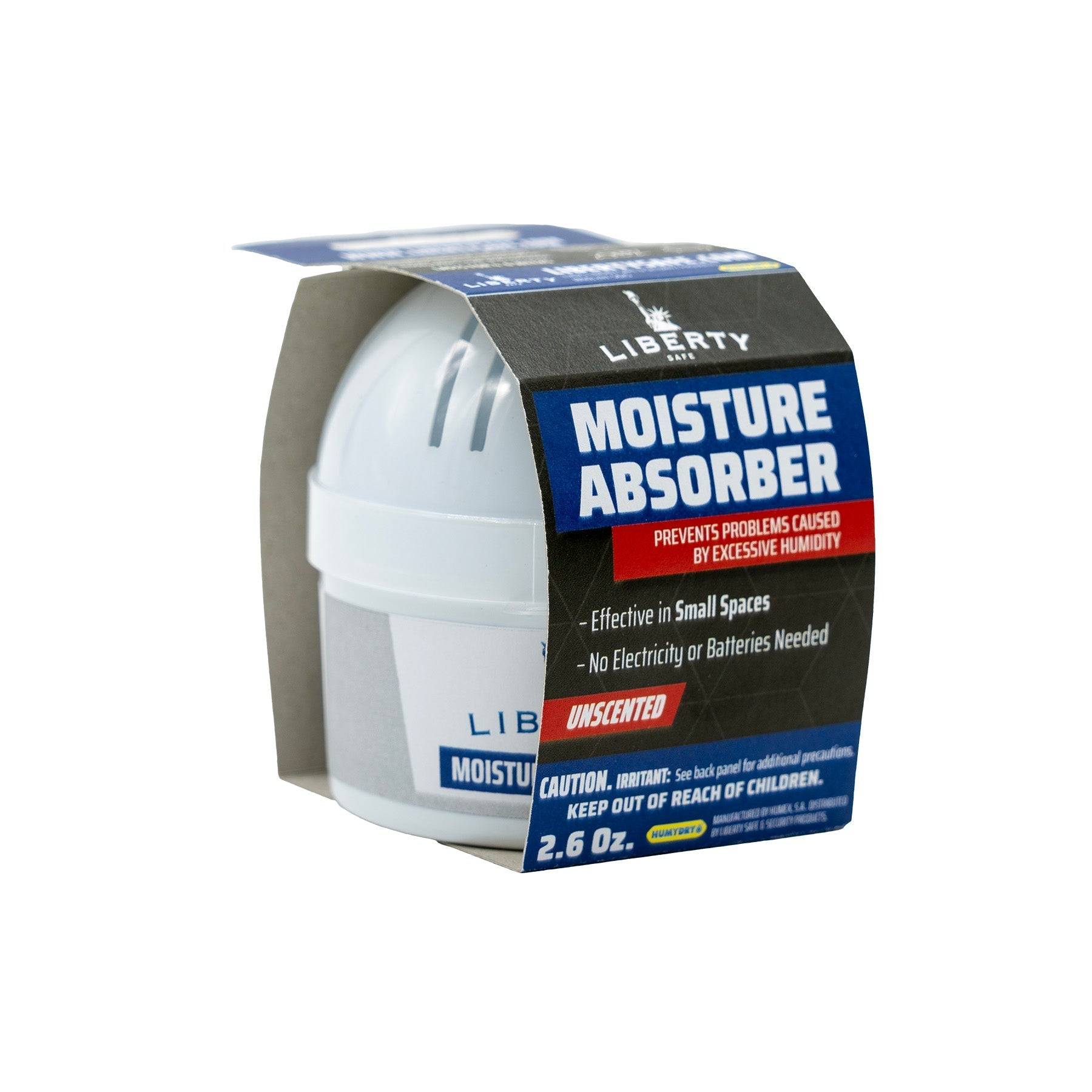
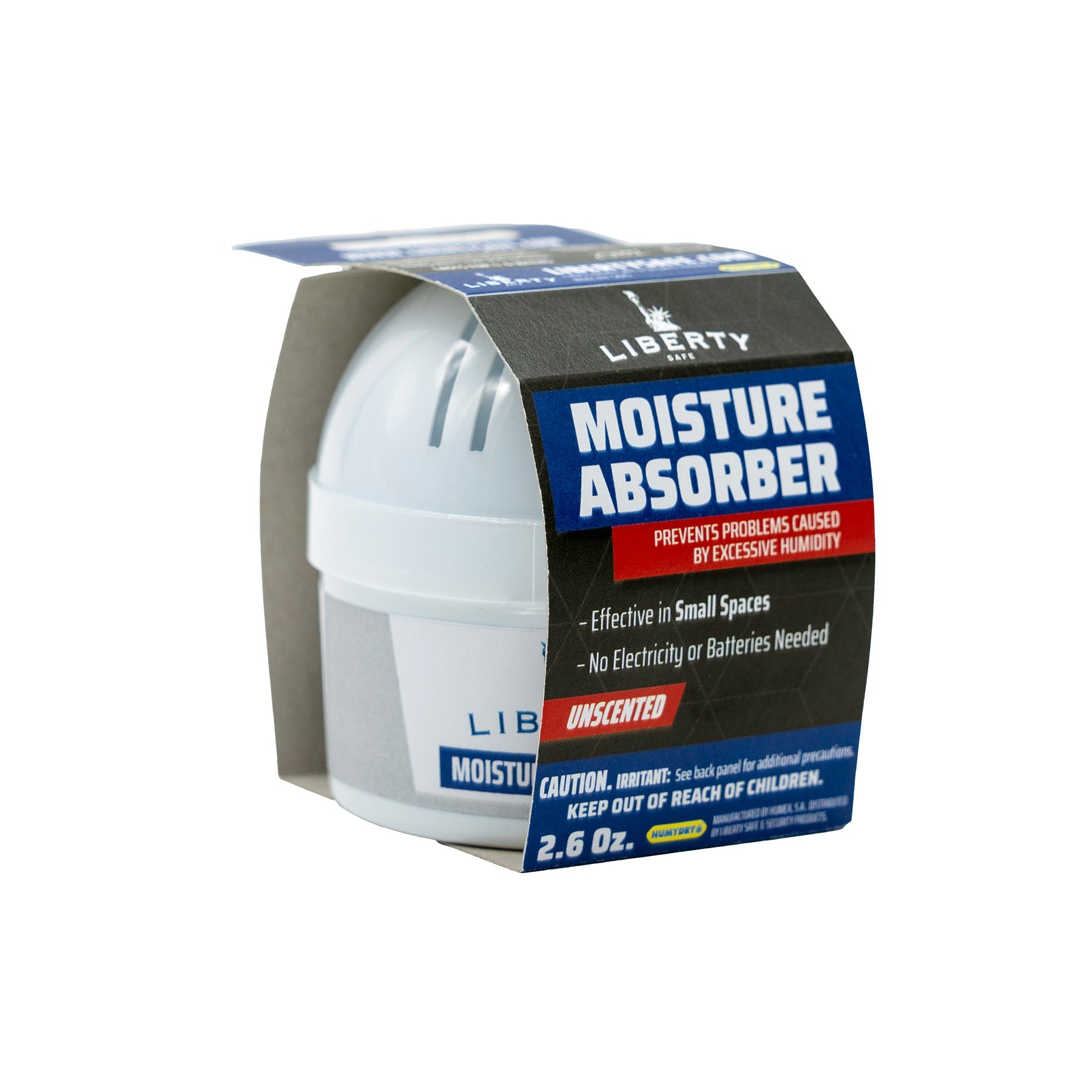
Moisture absorbers are simple tools that pull water from the air. Most are passive. They use salts like calcium chloride or silica gel. You see them as hanging bags, small tubs, or closet packs. They work best in tight spaces with little airflow.
Pros are low cost, easy use, and zero power draw. They shine in closets, cabinets, boats, RVs, and storage bins. They can also help inside a sealed container or a gun safe. I keep one in a rarely used wardrobe, and it stops that musty smell.
Cons show up in bigger rooms. Capacity is small. A tub might hold a few cups of water. In a damp basement, it fills fast and falls behind. Spills can be messy. You must replace or refill often. When it comes to moisture absorber vs ventilation for whole rooms, absorbers usually lose.
Ventilation explained
Ventilation swaps stale indoor air for fresh outdoor air. It can be natural, like open windows on a dry day. It can be spot ventilation, like bath or kitchen fans that pull moisture out at the source. It can be whole-home, using systems like HRVs or ERVs that move air with heat and moisture recovery.
Good ventilation fixes causes, not just symptoms. Run a bath fan during and after a shower. Use the range hood while boiling water. These steps cut moisture at the source. In dry or cold weather, outdoor air is often less humid, so ventilation lowers indoor humidity fast.
Ventilation does need power and planning. In hot, humid climates, bringing in outdoor air can add moisture if not managed. This is why the moisture absorber vs ventilation choice depends on season and location. In many homes, the right answer is smart ventilation plus targeted dehumidification.

Moisture absorber vs ventilation: head-to-head comparison
If you want a clear winner, it depends on the job. Use this quick guide to decide.
- Speed of control. Ventilation can drop humidity fast, especially in cold or dry weather. Moisture absorbers are slow and small.
- Area served. Ventilation can serve whole rooms or the whole home. Absorbers are best for closets, cabinets, and sealed spaces.
- Energy and cost. Absorbers cost little up front but need refills. Fans use little power. HRV or ERV systems cost more but improve comfort and air quality.
- Climate and season. In winter in cold regions, ventilation dries the air well. In humid summers, ventilation alone may raise humidity. Then you need dehumidification or an ERV set right.
- Air quality. Ventilation removes odors, CO2, and VOCs. Moisture absorbers do not improve air quality beyond humidity.
- Maintenance. Absorbers need frequent checks and safe disposal. Fans need simple cleaning. HRV or ERV cores and filters need scheduled care.
My verdict on moisture absorber vs ventilation is simple. Use ventilation as your base strategy for rooms and daily use. Add moisture absorbers for tiny, closed spaces. Add a dehumidifier where outdoor air is too humid or the load is heavy.
A simple decision framework that works
I use the same steps in homes, rentals, and boats. Follow this framework and you will not waste money.
- Find the source
- Look for leaks, wet foundations, and clogged gutters.
- Watch for steamy baths, unvented dryers, and unsealed crawlspaces.
- Fix water entry first. No tool beats a simple leak repair.
- Measure before you buy
- Get an affordable hygrometer for each problem area.
- Track humidity for a week. Note weather, showers, and cooking times.
- In the moisture absorber vs ventilation debate, data wins.
- Match the tool to the space
- Closet or cabinet. Use a moisture absorber. Swap or recharge as needed.
- Bathroom or kitchen. Use spot ventilation with timers. Run 20 to 30 minutes after use.
- Basement or crawlspace. Use a dehumidifier and seal leaks. Add ventilation only if outdoor air is drier.
- Whole home. Use balanced ventilation like HRV or ERV. Tune airflow to your climate.
- RVs and boats. Combine a small dehumidifier, limited ventilation on dry days, and absorbers in lockers.
- Test, adjust, and keep it simple
- Set targets of 40 to 50 percent RH most of the year.
- If RH stays high with fans, add dehumidification.
- If RH drops too low in winter, dial back ventilation slightly or add humidity carefully.
A quick story. I tried to fix a damp basement with moisture absorbers alone. I went through buckets fast and still smelled must. I added a right-sized dehumidifier, sealed rim joists, and ran the bath fan with a timer. The space dried out, and the smell disappeared. That experience shaped how I look at moisture absorber vs ventilation now.
Costs, energy, and environmental impact
The cheapest sticker price is the moisture absorber. But long term costs add up with refills. A small tub can need replacement every few weeks in a damp area. Waste and salt disposal also matter.
Fans are cheap to run. A 50 CFM bath fan might cost only a few dollars per year if used smartly. Whole-home HRV or ERV systems cost more up front. They save energy by recovering heat or cooling while bringing in fresh air. That helps comfort and indoor air quality.
Dehumidifiers use more energy, yet they can be the right tool. Newer Energy Star models are far better than old units. The right mix of ventilation and dehumidification keeps both energy use and humidity in check. In the moisture absorber vs ventilation balance, aim for low energy, high impact solutions.

Installation, sizing, and maintenance tips
Sizing matters a lot. For dehumidifiers, check pints per day. A damp 1,000 to 1,500 square foot basement might need 30 to 50 pints per day. Very wet spaces need more. For ventilation, size bath fans at 50 to 110 CFM and run them long enough after use.
Place absorbers where air is trapped. High shelves, closed boxes, and corners are good spots. Keep them upright and away from kids and pets. Replace or recharge before they saturate.
For fans, use timers or humidity controls. Duct bath fans outside, not into the attic. Clean fan grilles and ducting so airflow stays strong. For HRV or ERV units, change filters and wash the core as the maker suggests. These small steps make moisture absorber vs ventilation strategies work better and last longer.
Common mistakes and how to avoid them
People often trust a small absorber to fix a big room. It will not keep up. Use it only in tight spaces.
Another mistake is ventilating with humid outdoor air in summer. That can make things worse. Check outdoor humidity before pulling in air, or use an ERV or a dehumidifier.
Do not ignore leaks and bulk water. No tool can fight a broken gutter or a groundwater issue. Fix water entry first. Then tune your moisture absorber vs ventilation plan.
Blocking airflow is common too. Stuffed closets, closed doors, and dirty filters trap moisture. Open paths for air, and clean or replace filters on time.
Frequently Asked Questions of moisture absorber vs ventilation
Is a moisture absorber enough for a bathroom?
Usually no. Use a bath fan during and after showers to remove steam. A moisture absorber can help with odors in cabinets but not with daily steam loads.
Does ventilation always lower humidity?
Not always. It works best when outdoor air is drier or colder. In humid summers, you may need an ERV or a dehumidifier.
Are moisture absorbers safe to use around kids and pets?
Most are safe if used as directed. Keep them out of reach and avoid spills, as the liquid can be irritating.
What indoor humidity level should I aim for?
Aim for 30 to 50 percent most of the time. In very cold weather, 30 to 40 percent helps reduce window condensation.
Can I use both moisture absorbers and ventilation together?
Yes. Use ventilation for rooms and daily moisture, and absorbers for closets or storage. Many homes also add a dehumidifier for basements or humid seasons.
Will an HRV or ERV dehumidify my home?
An HRV or ERV manages moisture exchange but is not a dehumidifier. It can reduce indoor humidity when outdoor air is drier, but in humid weather you still may need a dehumidifier.
How do I know if my fan is strong enough?
Check the CFM rating and compare it to room size. A bath fan of 80 to 110 CFM is common, and it should clear a mirror within minutes after a hot shower.
Conclusion
Moisture control does not need to be a guessing game. Use ventilation to handle daily moisture and improve air quality. Use moisture absorbers only in tight, closed spaces. Add a dehumidifier when outdoor air is too humid or the load is heavy.
Take a walk through your home today. Find the sources, measure humidity, and choose a plan. Your best move in the moisture absorber vs ventilation decision is a smart mix that fits your space, your climate, and your habits. Want more practical tips? Subscribe, ask a question, or share your own results in the comments.