

Moisture absorbers pull water from air; vapor barriers stop vapor from passing.
If you want a dry home, you must know the difference. I have installed crawlspace liners, fixed musty closets, and tested many products. This guide breaks down Moisture Absorber vs vapor barrier in plain language. You will see what each does, where each wins, and how to avoid costly mistakes. Read on to make the right call for your space.

Moisture Absorber vs vapor barrier: What each one does
Moisture absorbers are small products that take water from air. Common types use calcium chloride or silica gel. They work best in tight spaces like closets, boats, RVs, and bins. They do not seal a room. They only soak up some water.
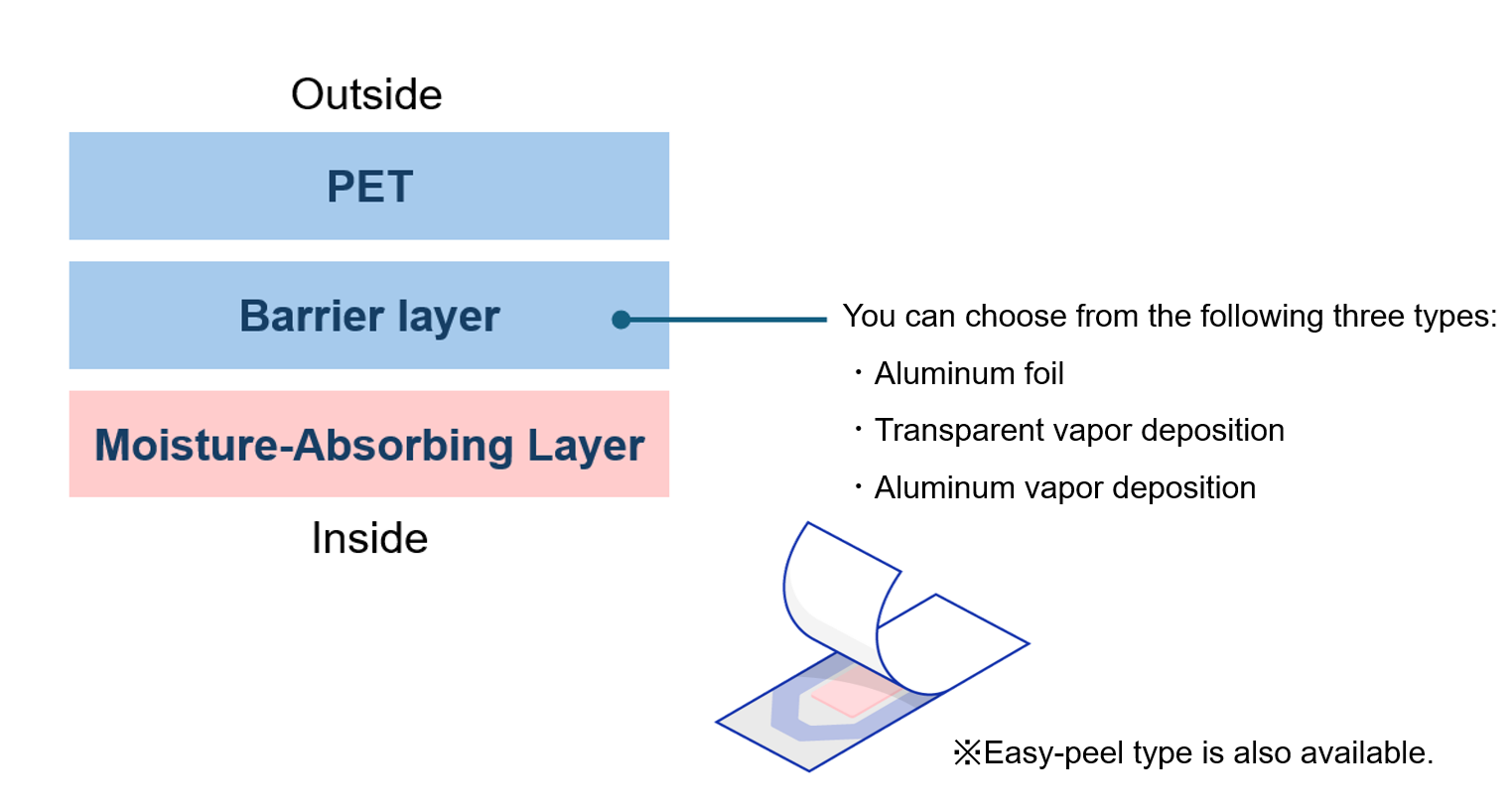
Vapor barriers are sheets or membranes that block vapor from moving through a wall, floor, or roof. Polyethylene film, rubber sheets, and coated papers are common. A true vapor barrier has a very low perm rating. It slows vapor to a crawl. In short, Moisture Absorber vs vapor barrier is not a size issue. It is a job issue.
Perm ratings matter. Class I is 0.1 perm or less. Class II is 0.1 to 1 perm. Class III is 1 to 10 perms. Barriers and retarders sit in those ranges. Absorbers do not have perms. They do not block; they only collect.
 moisture actually moves in buildings”
style=”max-width: 100%; height: auto; border: 2px solid black; border-radius: 10px; display: block; margin: 0 auto;”
loading=”lazy”
/>
How moisture actually moves in buildings
Moisture moves in three main ways. Air leaks move the most water. Vapor diffusion is slow but steady. Liquid water moves by leaks and capillary action.
A vapor barrier fights diffusion. An air barrier fights air leaks. You often need both. This point is key in the Moisture Absorber vs vapor barrier debate. An absorber does not fix wet walls or leaks. It only drops humidity in a small zone.
Moisture Absorber vs vapor barrier: When to use which
Use an absorber when you have a small, closed space. Think closets, gun safes, storage bins, parked cars, and boats. It helps when odors start and air feels damp. It is simple, low cost, and low risk.
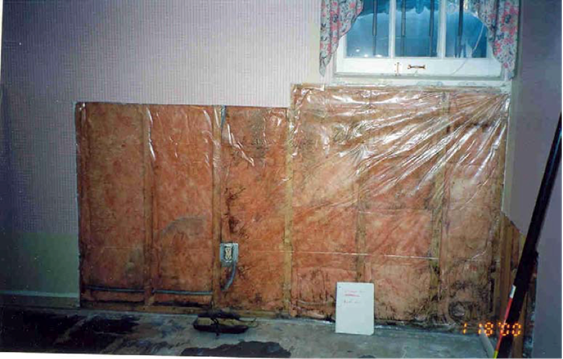
Use a vapor barrier when you must stop ground or wall moisture. Think crawlspaces, basements, concrete slabs, and below flooring. It also helps in walls and roofs where code calls for a vapor retarder. In these cases, Moisture Absorber vs vapor barrier is no contest. The barrier wins by design.
If you have a whole room that feels damp, use a dehumidifier. Absorbers will not keep up. A dehumidifier can pull pints per hour. A tub of crystals pulls cups over weeks. That is the scale gap at the core of Moisture Absorber vs vapor barrier choices.
Climate and code basics for vapor control
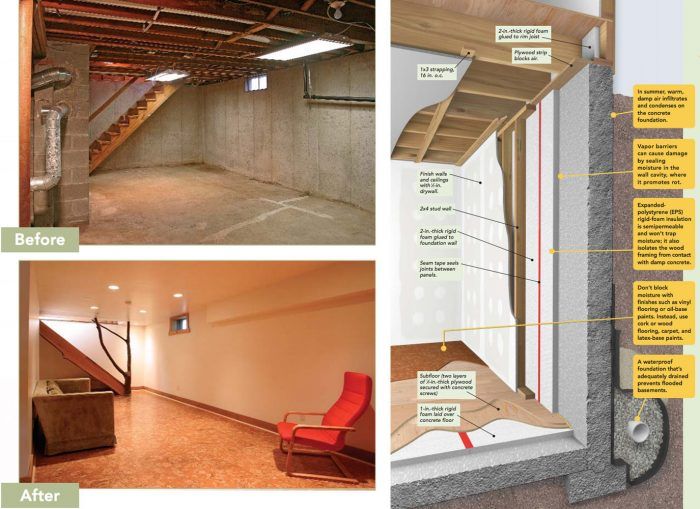
Cold climates often place a vapor retarder on the warm-in-winter side. Hot-humid climates often favor the exterior side. Mixed climates need smart membranes that change with seasons. Local code rules vary, so check them.
Smart vapor retarders can open up when humidity rises. They close down when it is dry. They help walls dry to one side when needed. In the Moisture Absorber vs vapor barrier talk, smart films sit in the middle. They are not tubs, and they are not poly sheets. They are flexible tools.

Room-by-room guidance and real use cases
Crawlspace or basement
- Lay a thick liner over soil or slab.
- Seal seams and posts. Tape and seal edges to walls.
- Control bulk water first with drains and gutters.
Bathrooms and laundry
- Fix fans first. Vent to the outside.
- Seal gaps around pipes and lights.
- Use a Class II or smart retarder in cold zones if code needs it.
Floors over concrete
- Use a vapor barrier under the slab at build time.
- For remodels, use a vapor retarder under new flooring if the slab tests damp.
Attics and roofs
- Air seal ceiling leaks.
- Insulate to code.
- Use vapor control where code calls for it.
Closets, safes, RVs, boats
- Use moisture absorbers.
- Replace or recharge as needed.
- For big issues, add a small dehumidifier.
These steps show the heart of Moisture Absorber vs vapor barrier. Use the right tool for the job, not for the wish.

Costs, lifespan, and ROI
Moisture absorbers
- Small tubs cost $5 to $25 each.
- Packs for bins cost less per unit.
- They last weeks to a few months in damp seasons.
- Ongoing cost adds up in large rooms.
Vapor barriers and retarders
- Poly film runs about $0.10 to $0.80 per square foot by thickness.
- Smart membranes run about $0.50 to $1.00 per square foot.
- Pro crawlspace encapsulation can run $1.50 to $4.00 per square foot.
- Long life if installed well and protected.
Think scale. For a 500-square-foot crawlspace, Moisture Absorber vs vapor barrier is not close. A barrier costs more up front yet can save mold risk, odors, and energy for years.

Install tips and mistakes to avoid
For moisture absorbers
- Place on a flat tray to catch spills.
- Keep away from kids and pets.
- Swap or recharge on a set schedule.
- Do not expect room-wide change in wet spaces.
For vapor barriers and retarders
- Fix leaks and drainage first.
- Overlap seams by at least 6 to 12 inches and tape them.
- Seal to edges, posts, and penetrations.
- Protect from tears with boards or foam.
- Do not trap two vapor barriers on both sides of a wall.
- Know the warm side in your climate before you place it.
These habits cut risk. They also solve most Moisture Absorber vs vapor barrier failures I see in the field.

Myths, facts, and simple science
Myth: A vapor barrier stops all moisture.
Fact: It stops diffusion. It does not stop air leaks or bulk water.
Myth: Moisture absorbers fix basement damp.
Fact: They help only in small, sealed spots. Use drainage and a dehumidifier.
Myth: More plastic is always better.
Fact: Walls must dry to at least one side. Choose the right class and location.
Myth: Any tape works on poly.
Fact: Use tapes made for polyethylene and for the temps and surfaces on site.
These facts clear up the Moisture Absorber vs vapor barrier mix-ups that cause mold and waste.

A quick decision guide you can trust
- Is the damp in a small, shut space like a closet or bin? Use an absorber.
- Is the damp from soil, slab, or wall diffusion? Use a vapor barrier or retarder.
- Is there liquid water or leaks? Fix drainage and leaks first.
- Is the whole room humid? Use a dehumidifier and air seal leaks.
- Unsure where the vapor retarder goes? Check local code or use a smart membrane.
Follow this, and the Moisture Absorber vs vapor barrier choice gets simple and sound.
Field notes from real projects
A musty closet over a bath kept ruining shoes. I tried a small moisture absorber and added a door sweep. Odors faded in a week. The owner swaps the pack each season. Cheap and done.
A crawlspace had bare soil and mold on joists. Moisture Absorber vs vapor barrier came up fast. We graded the soil, added a drain, sealed a 12-mil liner, and taped all seams. We also sealed rim joists and added a small dehumidifier. Smell gone. Wood dry. Energy bills dropped a bit too.
These jobs taught me a clear rule. Use absorbers for pockets of damp. Use barriers and air sealing for the building.
Frequently Asked Questions of Moisture Absorber vs vapor barrier
What is the main difference between a moisture absorber and a vapor barrier?
A moisture absorber pulls water from the air. A vapor barrier blocks vapor from moving through materials and assemblies.
Can moisture absorbers replace a dehumidifier?
No. Absorbers work in small, sealed spaces. A dehumidifier handles whole rooms and keeps a set humidity.
Where should a vapor retarder go in a wall?
It depends on climate and code. Cold zones often place it on the interior side; hot-humid zones shift outward or use smart membranes.
Will a vapor barrier cause mold?
It can if placed wrong or if it traps water. Use the right class, install with care, and allow drying to one side.
How often should I change a moisture absorber?
Check monthly in damp seasons. Replace or recharge when crystals dissolve or the tray fills.
Is thicker plastic always better under a slab or in a crawlspace?
Thicker plastic resists tears and leaks. Choose a product rated for crawlspaces or slabs and tape seams well.
Does paint count as a vapor retarder?
Some paints are Class III retarders. They slow vapor but are not a full barrier.
Conclusion
Choosing between a moisture absorber and a vapor barrier comes down to scale and source. Absorbers shine in small, closed spots. Vapor barriers and retarders protect the building and stop vapor at its path. Fix bulk water, seal air leaks, and then pick the right control layer.
Take one space in your home and apply this guide today. Check where the damp comes from. Decide on Moisture Absorber vs vapor barrier based on the job, not the label. Want more tips like this? Subscribe, share your project in the comments, and let’s solve it together.