

Moisture absorbers are cheap for small spaces; dehumidifiers handle rooms fast and well.
If you are torn between a bag of crystals and a humming machine, you are not alone. I have set up both in closets, basements, RVs, and bathrooms. In this guide, we will unpack moisture absorber vs dehumidifier in plain English. You will learn what each does, where they shine, and how to choose with confidence.
What is a moisture absorber?
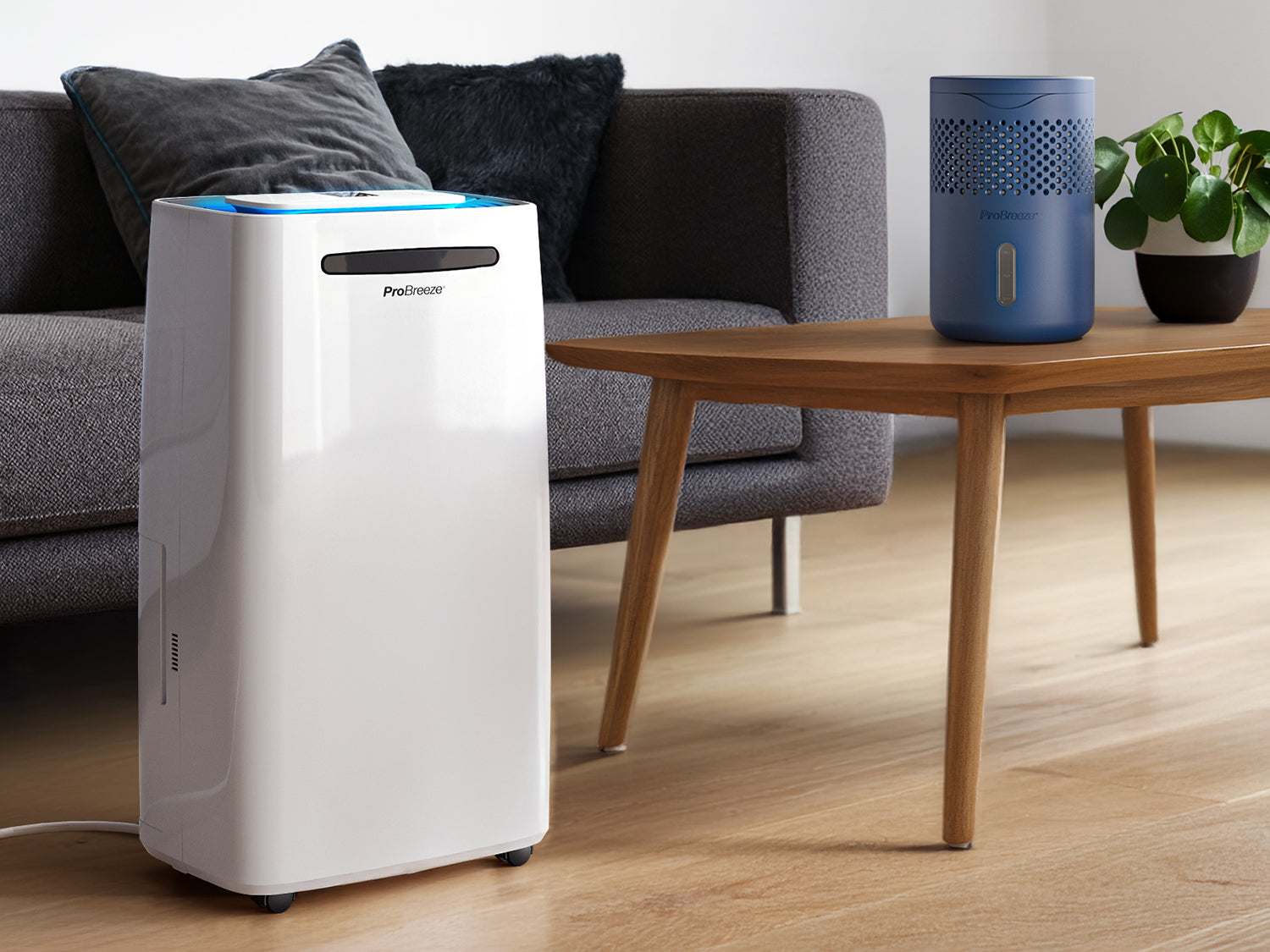
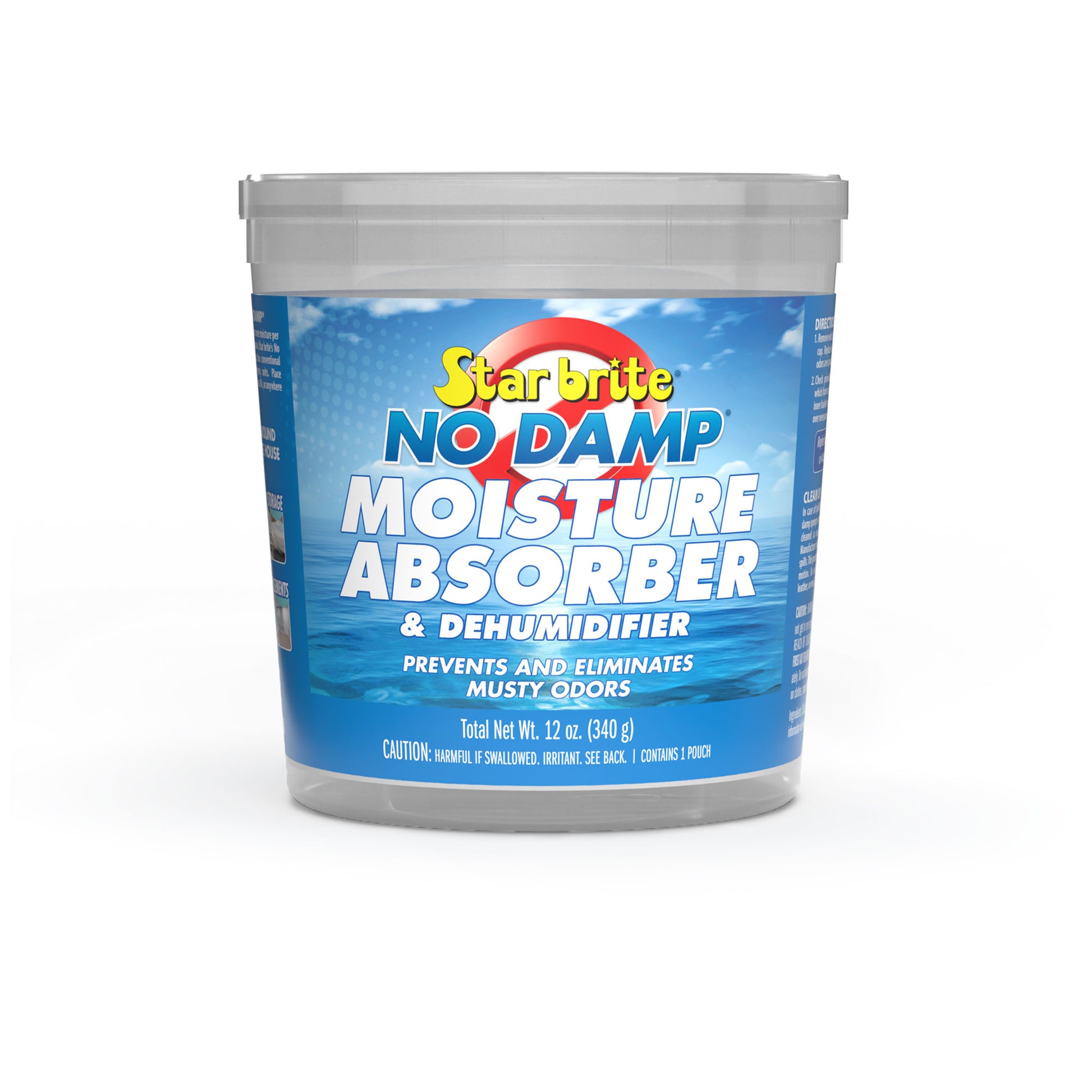
A moisture absorber is a small product that soaks up water from the air. Most use calcium chloride or silica gel. They come as tubs, hanging bags, or packets. You open them and let them work.
They do not use power. They do not blow air. They just sit and absorb water over time. They are great for tight spaces that smell musty.
Common places where they work well:
- Closets and wardrobes
- Cabinets and pantries
- Storage bins and gun safes
- Boats, RVs, and cars in storage
- Small bathrooms without fans
You must replace or recharge them. A tub can last a few weeks to a few months. It depends on humidity and size. Seal used liquid before you toss it. Keep away from kids, pets, and metals.
What is a dehumidifier?
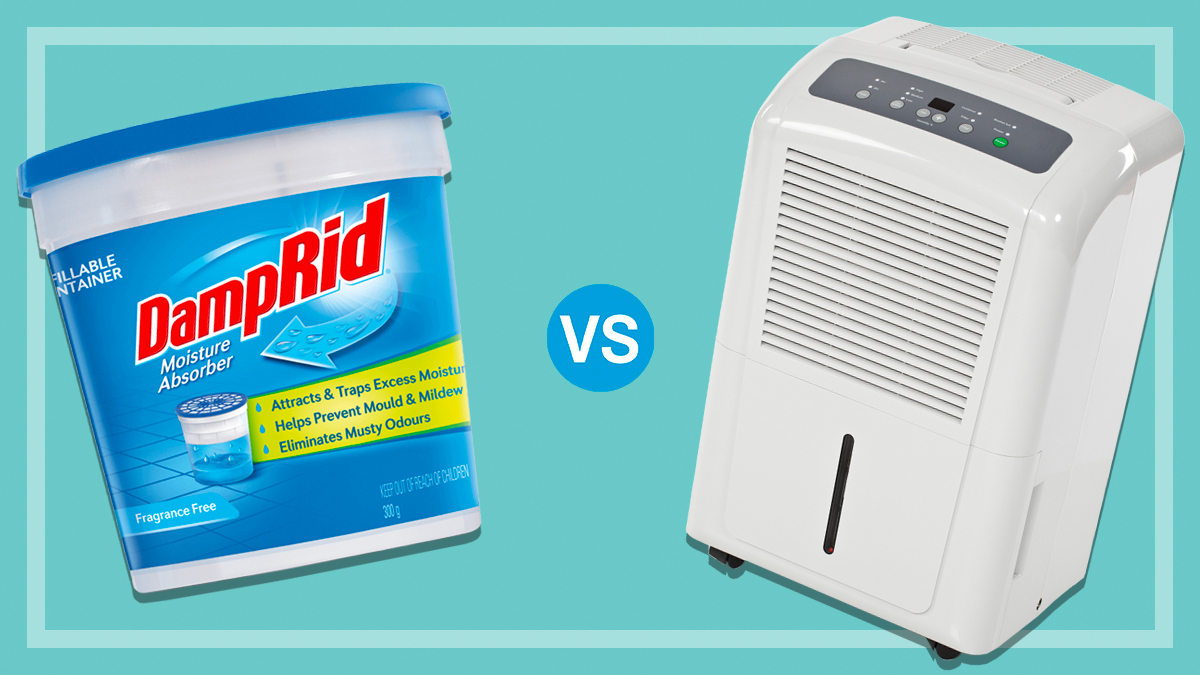
A dehumidifier is a machine that pulls humid air across cold coils. Water condenses. It drops into a bucket or drains via a hose. Warm, dry air blows back into the room.
Most home units are refrigerant style. They are best in warm rooms. Desiccant dehumidifiers also exist. They work better in cool spaces or cold seasons.
Core perks:
- Fast moisture removal across a whole room
- Set a target humidity and forget it
- Continuous drain or built‑in pump options
- Filters to catch dust and spores
You will hear a soft fan noise. Power use varies by size. Many ENERGY STAR units sip less power than older models. Aim for 30–50% relative humidity. That is a sweet spot for comfort and health.
Moisture absorber vs dehumidifier: key differences
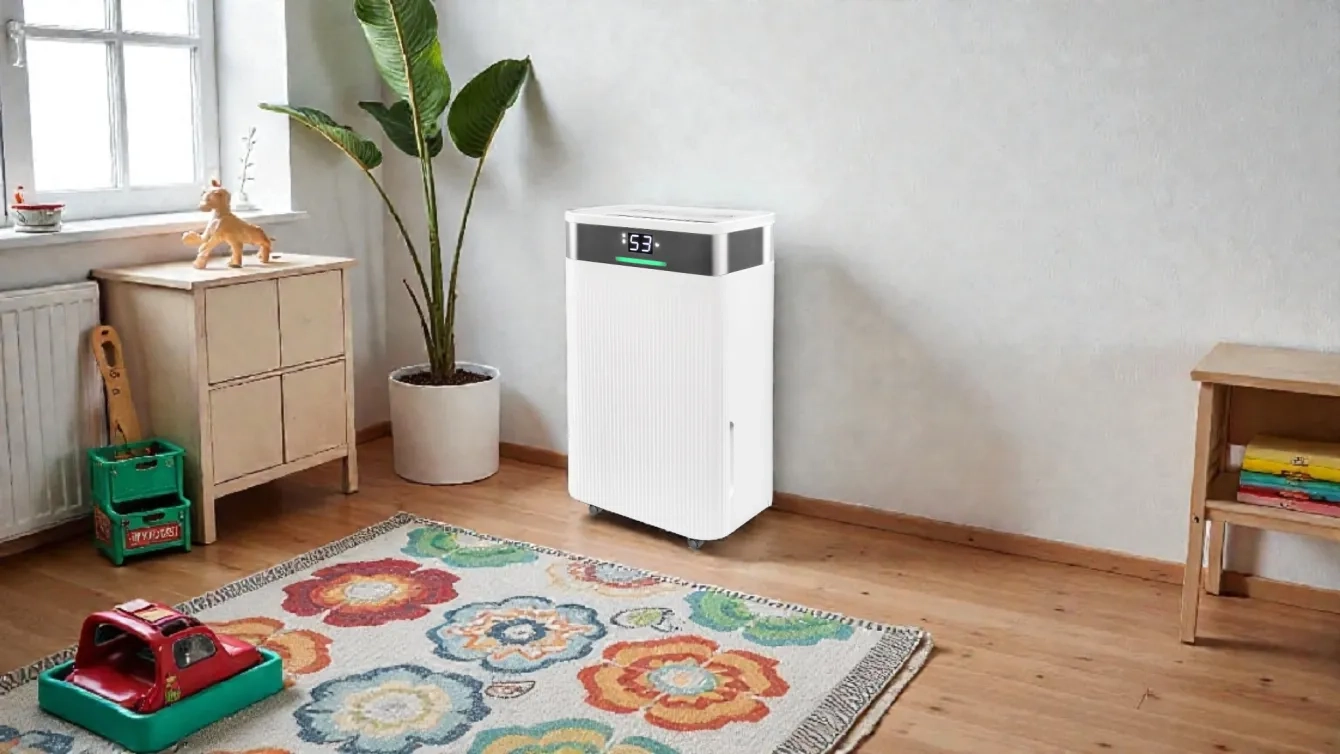
The moisture absorber vs dehumidifier debate comes down to scope and speed. Absorbers are passive and small scale. Dehumidifiers are active and room scale.
Key differences in simple terms:
- Coverage: Absorber handles a small, enclosed space. Dehumidifier handles a room or floor.
- Speed: Absorber is slow and steady. Dehumidifier is fast and controlled.
- Cost: Absorber is cheap up front. Dehumidifier costs more but treats more space.
- Upkeep: Absorber needs frequent refills. Dehumidifier needs filter cleaning and bucket draining.
- Power: Absorber needs no power. Dehumidifier uses power but can be efficient.
- Control: Absorber cannot target a set RH. Dehumidifier can hold 45–50% RH.
Think of an absorber like a sponge in a shoebox. A dehumidifier is more like AC for water. For moisture absorber vs dehumidifier, ask how big the job is and how fast you need results.
Pros and cons at a glance
Moisture absorbers
- Pros: Low cost, silent, no power, easy to place.
- Cons: Slow, small coverage, ongoing refills, messy spills if tipped.
Dehumidifiers
- Pros: Fast results, whole‑room control, set‑and‑forget, drainage options.
- Cons: Higher price, uses power, some noise, needs airflow and space.
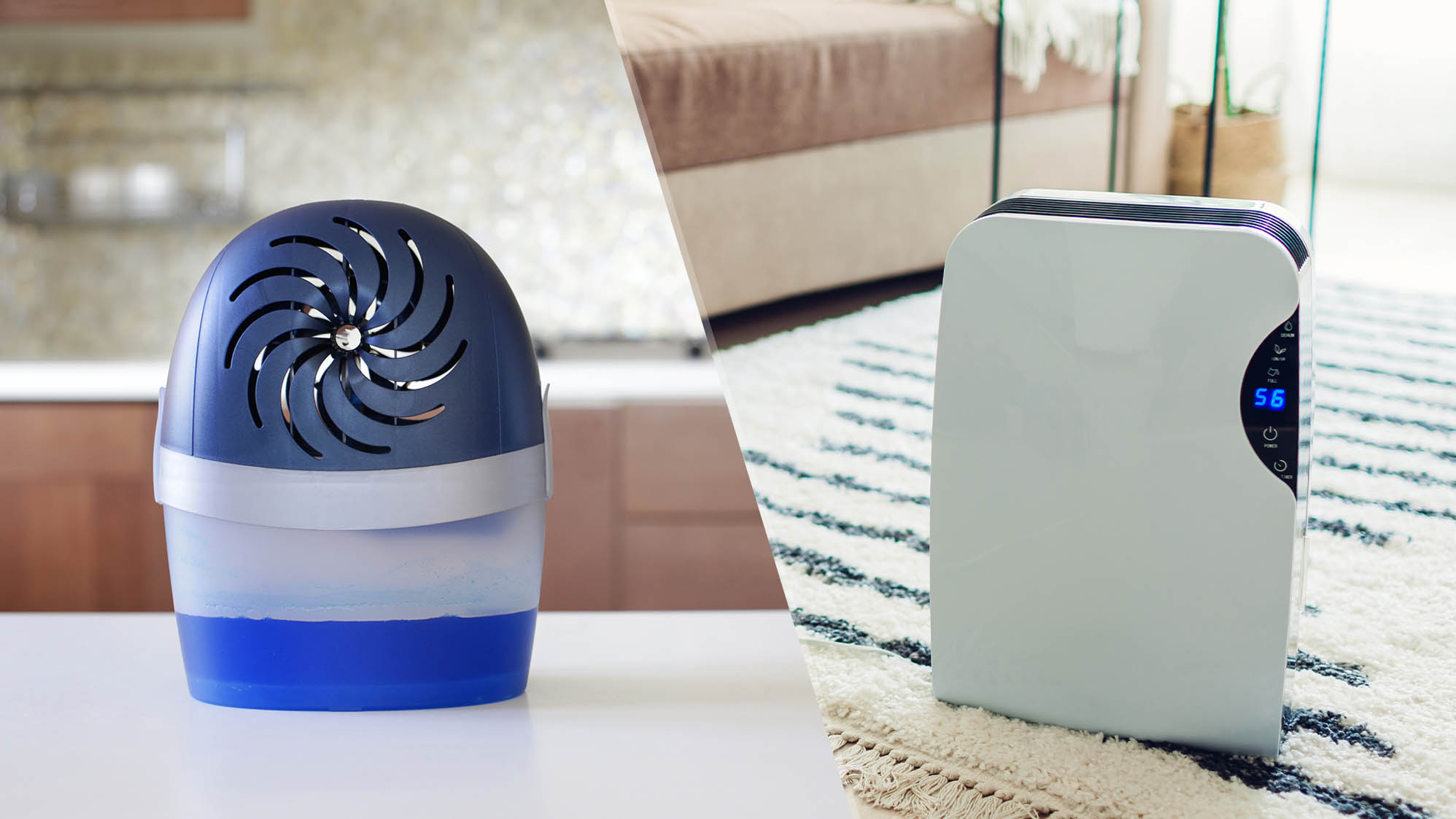
If you seek the best of both worlds, you can mix them. Use a dehumidifier for the room. Add small absorbers in sealed cabinets or drawers. That balances moisture absorber vs dehumidifier in layered control.
When to use which in real life
Use moisture absorbers when:
- You have a damp closet, cabinet, or safe.
- You store seasonal clothes, books, or gear in bins.
- You want silent control in a tiny area.
- Power access is hard or risky.
Use a dehumidifier when:
- You see condensation on windows or pipes.
- The room smells musty or shows mold spots.
- You dry laundry indoors or run long showers.
- The basement floods or feels sticky in summer.
I often start with an absorber as a quick test. If the tub fills fast in days, that is a red flag. That tells me a room dehumidifier is the right move. This simple test keeps moisture absorber vs dehumidifier choices grounded in reality.

Cost, energy, and ROI
Upfront cost
- Moisture absorbers: 5–20 dollars per tub or pack.
- Dehumidifiers: 150–350 dollars for most homes. 600+ dollars for large or whole‑home units.
Ongoing cost
- Absorbers: 5–15 dollars per month per small space. More in very damp areas.
- Dehumidifiers: Power can be 0.05–0.20 dollars per hour. It depends on kWh rates and unit size. ENERGY STAR models cut usage by up to 15–20% versus older units.
ROI tips
- If you run AC to fight sticky air, a dehumidifier can help you raise the thermostat a bit. That can cut cooling costs.
- Preventing mold and warped wood can save big repair bills. Consider that in the moisture absorber vs dehumidifier decision.
- A simple drain hose saves time. Time saved is money saved.

Safety, health, and maintenance
Health targets
- Most experts suggest 30–50% RH indoors.
- Below 60% RH slows mold and dust mites.
Maintenance
- Absorbers: Check weekly. Empty liquid with care. Keep off metal shelves to avoid corrosion.
- Dehumidifiers: Clean the filter monthly. Wipe coils and bucket. Use a drain line if you can. Give the unit 6 inches of clear space.
Safety
- Keep absorber brine away from pets and kids.
- Dehumidifiers add a little heat. Do not block vents.
- Use a GFCI outlet in damp areas when required.
A small digital hygrometer costs little. It shows you the truth. I keep one on each floor. It makes the moisture absorber vs dehumidifier choice data‑driven.

Sizing and placement tips
How to size a dehumidifier
- Measure the room in square feet.
- Note how damp it feels. Slight, moderate, very damp, or wet.
- As a simple rule: small bedrooms do well with 20–30 pint per day. Basements often need 35–50 pint per day. Very wet spaces may need 70 pint or more.
Placement
- Put it near the center or the dampest side.
- Keep doors open for air flow.
- Close windows while it runs.
- Aim exhaust away from walls for even drying.
Choosing absorbers
- For a closet, a 10–16 ounce calcium chloride tub works well.
- For storage bins, use small silica gel packs. Pick color‑changing packs so you know when to recharge.
These steps make moisture absorber vs dehumidifier setups simple and effective.
Real‑world examples from my work
Closet with musty coats
- Tried one absorber tub. It filled in a week. That told me the closet had a bigger issue.
- We added a small dehumidifier for the bedroom and kept the closet door open. Smell was gone in two days.
Damp basement office
- A 50‑pint unit with hose to a drain kept RH at 45%.
- Paper files stayed crisp. Electronics lasted longer. No silverfish. The moisture absorber vs dehumidifier choice was clear here.
RV in winter storage
- Two large absorber tubs and four silica packs in cabinets worked great.
- No power needed, no frost issues, no odors in spring.
Common mistakes to avoid
- Using only absorbers for a wet basement. They will not keep up.
- Hiding a dehumidifier in a tight corner. It needs airflow to work.
- Forgetting to clean filters. Airflow drops and so does performance.
- Ignoring doors and windows. Open doors help rooms dry. Closed windows keep outside humidity out.
- Setting the target RH too low. 45–50% is usually enough.
Avoid these and your moisture absorber vs dehumidifier plan will run smooth.
Frequently Asked Questions
Is a moisture absorber the same as a dehumidifier?
No. A moisture absorber is passive and small scale. A dehumidifier is an active machine that dries a whole room.
Which is cheaper in the long run?
For tiny spaces, absorbers can be cheaper. For rooms and basements, a dehumidifier often wins over time due to lower ongoing supplies.
Can I use both at the same time?
Yes. Run a dehumidifier for the room and place absorbers in sealed cabinets or drawers. This layered approach handles hidden damp spots.
What humidity level should I aim for?
Aim for 30–50% relative humidity. This range balances comfort, health, and energy use.
Do dehumidifiers work in cold rooms?
Standard units lose efficiency in cold spaces. A desiccant dehumidifier works better in cool rooms or winter conditions.
Are moisture absorbers safe around pets?
Keep them out of reach. The brine can irritate skin and is unsafe to ingest for pets or kids.
How loud are dehumidifiers?
Most are like a box fan. Expect about 45–60 dB in normal use, which is fine for living spaces.
Conclusion
Choosing between a moisture absorber and a dehumidifier comes down to space, speed, and control. Absorbers are perfect for closets, cabinets, and storage. Dehumidifiers take charge in rooms, basements, and busy homes. Use a hygrometer, set a clear target, and match the tool to the job.
Try this today: measure your room humidity and check one small area with an absorber test. If it fills fast, step up to a dehumidifier and set it to 45–50% RH. Want more tips like this? Subscribe for updates, ask a question, or share your own moisture absorber vs dehumidifier story in the comments.