

Moisture absorbers reduce dampness; purifiers with dehumidifiers clean air and control humidity.
If you are weighing moisture absorber vs air purifier with dehumidifier, you are in the right place. I test these tools in real homes, basements, and closets. I will break down what works, when, and why. You will get clear steps and real numbers so you can make a smart choice that fits your space and budget.
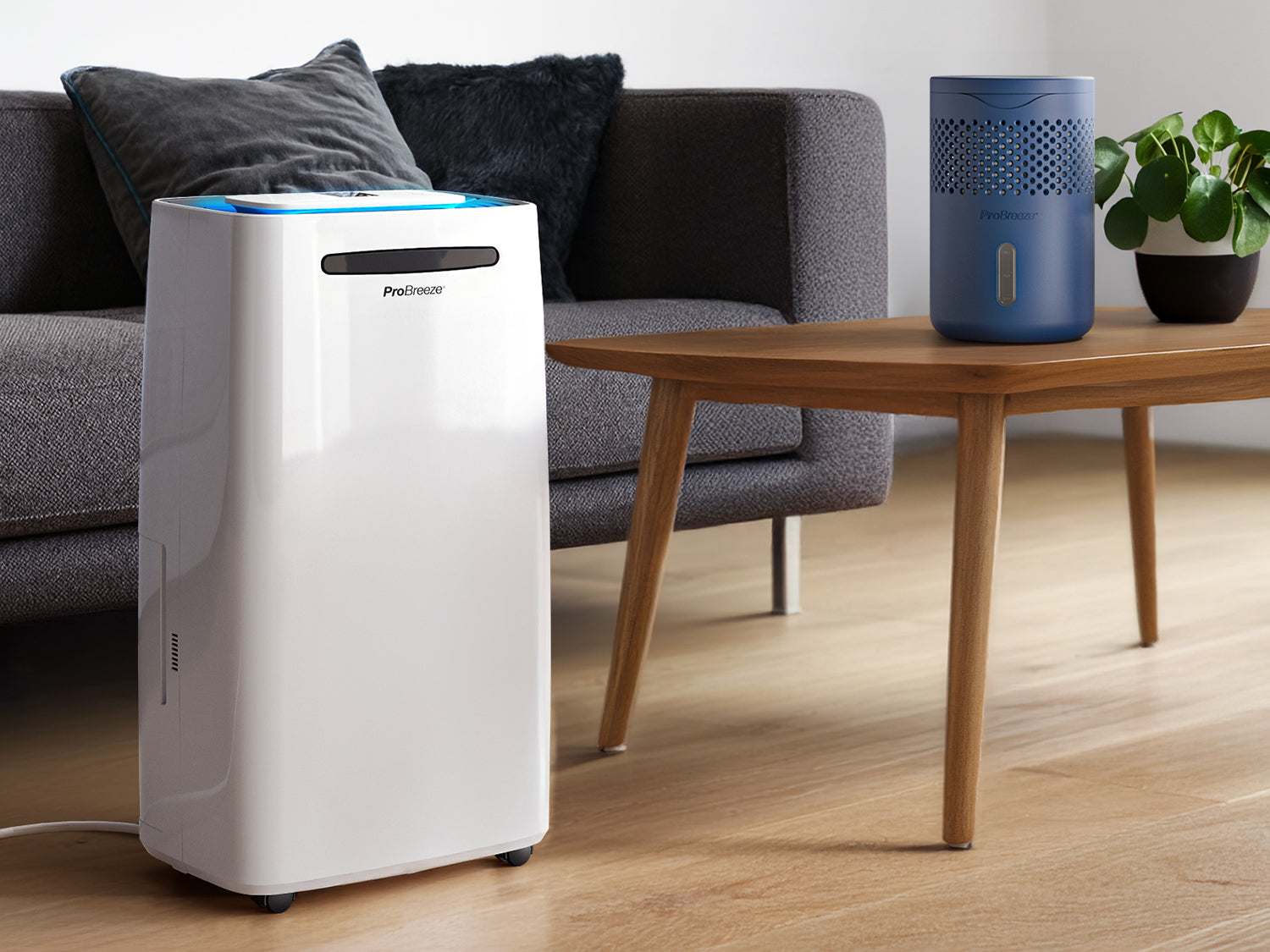
What each device actually does
A moisture absorber is a passive product. It uses salts like calcium chloride or silica gel to pull water from the air. It is cheap, silent, and small. It does not clean air or lower allergens.
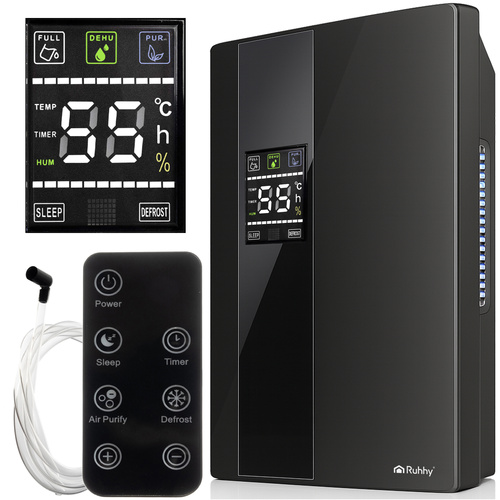
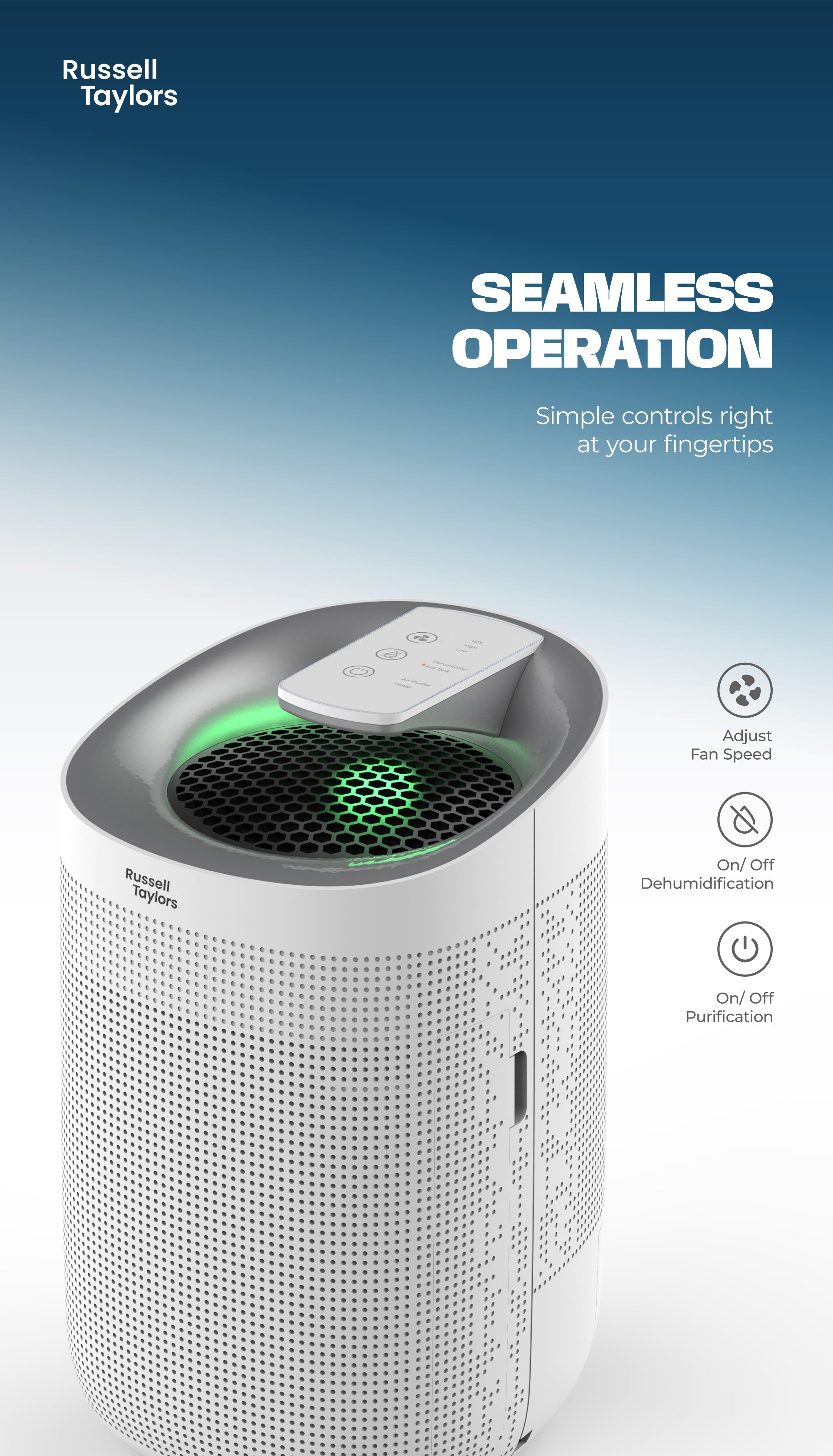
An air purifier with dehumidifier is an active machine. The purifier side uses a HEPA filter to trap dust, pollen, and smoke. A carbon filter helps reduce odors and some gases. The dehumidifier side pulls water from air and keeps humidity in check.
Think of it this way. A moisture absorber is for small, closed spots that feel damp. The combo unit is for whole rooms that need dry, clean air. This is the core of moisture absorber vs air purifier with dehumidifier.
Moisture absorber vs air purifier with dehumidifier: key differences
- Goal: Moisture absorbers only reduce humidity a little. Purifier + dehumidifier reduces humidity and cleans the air.
- Speed: Absorbers work slowly over weeks. A dehumidifier drops humidity in hours.
- Area: Absorbers suit closets, cabinets, or storage bins. A combo unit can handle rooms or small apartments.
- Results: Absorbers do not remove allergens, smoke, or mold spores. A purifier with HEPA can.
- Power: Absorbers use no power but need refills. A combo unit uses power but has controls and auto modes.
- Upkeep: Absorbers need frequent replacement. Combo units need filter changes and a drain or bucket.
- Safety: Calcium chloride can spill and is salty. Purifiers and dehumidifiers are sealed and safer to handle.
- Features: Absorbers have none. Combo units can have timers, smart control, and a humidistat.
If you want a clear win for air quality and comfort, the combo unit is the stronger pick in moisture absorber vs air purifier with dehumidifier.
When to use each one
Use moisture absorbers when:
- You have a small closet, safe, RV cabinet, or shoe rack.
- You need zero noise and zero power use.
- The room is already near 50% humidity and you just want a small buffer.
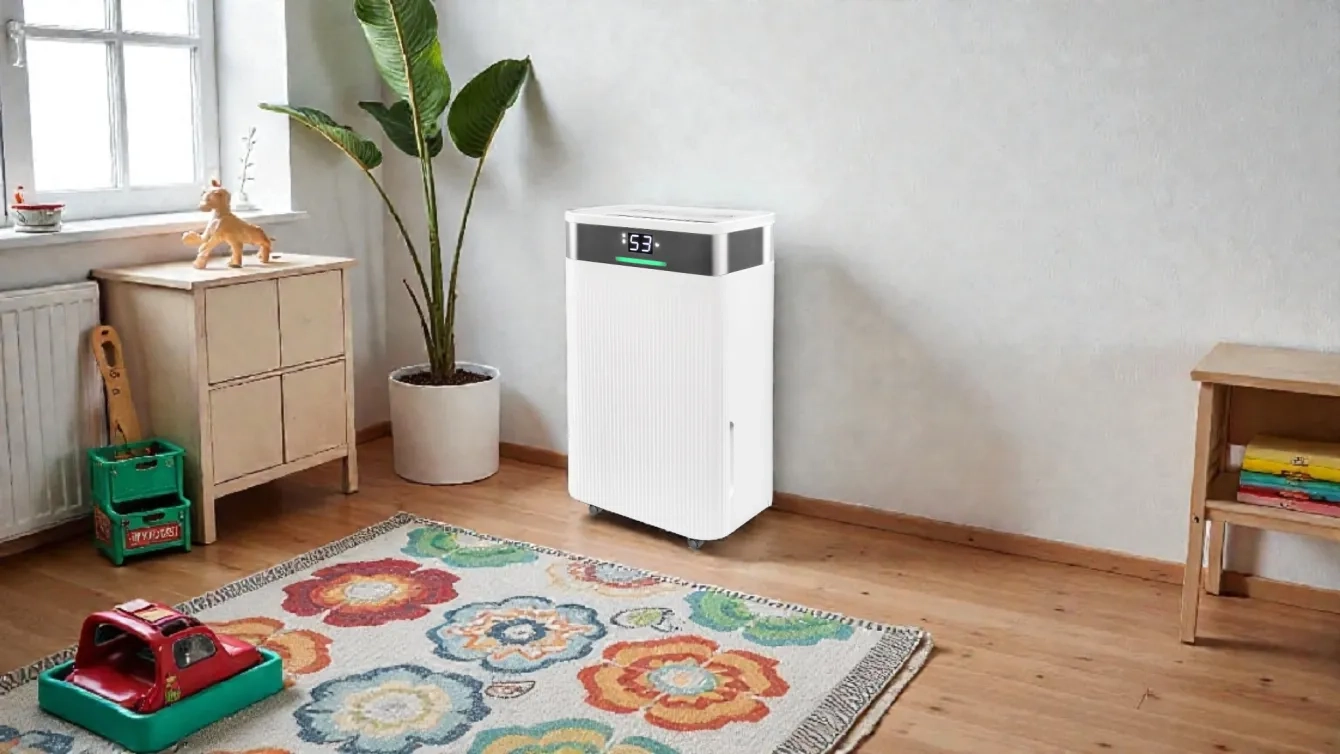
Use an air purifier with dehumidifier when:
- Rooms sit over 55% humidity for long periods.
- You have musty odors, mold spots, or condensation on windows.
- You or a family member have allergies, asthma, or react to smoke.
- You want a set-and-forget solution with steady humidity and clean air.
For moisture absorber vs air purifier with dehumidifier, match the tool to the size of the problem.
Real-world performance: humidity, mold, and odors
Most health guides suggest keeping indoor humidity between 30% and 50%. Mold likes it above 60%. Dust mites thrive above 50%. A compressor dehumidifier can drop a damp room from 65% to near 50% in a few hours. A moisture absorber might take weeks and may never reach the target in a large room.
Output matters. A typical homeowner dehumidifier removes 20 to 50 pints per day. A small moisture absorber may collect 8 to 20 ounces over a week or two. For odors, the carbon filter in a purifier helps much more than salts.
If the space smells musty after rain or showers, a combo unit wins fast. That is the heart of moisture absorber vs air purifier with dehumidifier in daily life.
Costs, energy, and maintenance
Upfront cost:
- Moisture absorber: a few dollars each. Low entry price, but you buy many.
- Air purifier with dehumidifier: mid to high price. You pay once for hardware.
Ongoing cost:
- Absorbers: frequent refills or replacements.
- Combo unit: electricity plus filter changes every 6 to 12 months. Look for Energy Star to cut power use.
A quick math check: If you refill a $6 absorber monthly, that is $72 per year for a closet. A dehumidifier may cost $80 to $120 per year to run in a damp basement, but it dries fast and keeps air clean when paired with HEPA.
For lasting comfort, the combo wins in many homes. This is a key cost angle in moisture absorber vs air purifier with dehumidifier.

Health and allergy impact
HEPA filters can trap 99.97% of tiny particles at 0.3 microns. That means pollen, dust, and many mold spores. Carbon helps reduce smoke odors and some gases. A dehumidifier lowers humidity so dust mites and mold struggle to grow.
A moisture absorber does not filter air. It can reduce a bit of damp odor in a tight spot. But it will not fix allergen load or smoke.
If health is the top goal, the combo unit is the right call in moisture absorber vs air purifier with dehumidifier.
Sizing and placement tips
Start with a simple hygrometer. Check morning and night for a week. If you sit over 55%, plan for a dehumidifier.
Pick size by room and load:
- Small bedroom or office: 20 to 30 pints per day.
- Medium living room or basement room: 35 to 50 pints per day.
- Very damp or large basement: 50 to 70 pints per day.
Placement:
- Keep the unit away from walls by a few inches.
- Use continuous drain if you can. No more bucket trips.
- Close windows while it runs. Keep doors open if you want to dry nearby rooms.
- For absorbers, place near cold corners or behind boxes where air is still.
Sizing well is half the battle in moisture absorber vs air purifier with dehumidifier.
Side-by-side quick comparison
- Best for small, closed spaces: Moisture absorber.
- Best for whole-room comfort: Air purifier with dehumidifier.
- Best for allergies and smoke: Air purifier with dehumidifier.
- Lowest effort over time: Air purifier with dehumidifier with auto mode.
- Lowest entry cost: Moisture absorber.
- Most control and data: Combo unit with humidistat and air quality sensor.
If your search is moisture absorber vs air purifier with dehumidifier, decide if you need dry air only or dry, clean air. That single question often sets the answer.
Buying checklist and features that matter
For air purifier with dehumidifier:
- True HEPA or H13 filter for fine particles.
- A thick carbon filter for odors and smoke.
- Clean Air Delivery Rate (CADR) that matches your room.
- Built-in humidistat and auto mode to hold 45% to 50% RH.
- Energy Star rating to cut costs.
- Continuous drain or built-in pump for basements.
- Defrost and laundry modes for cool or wet days.
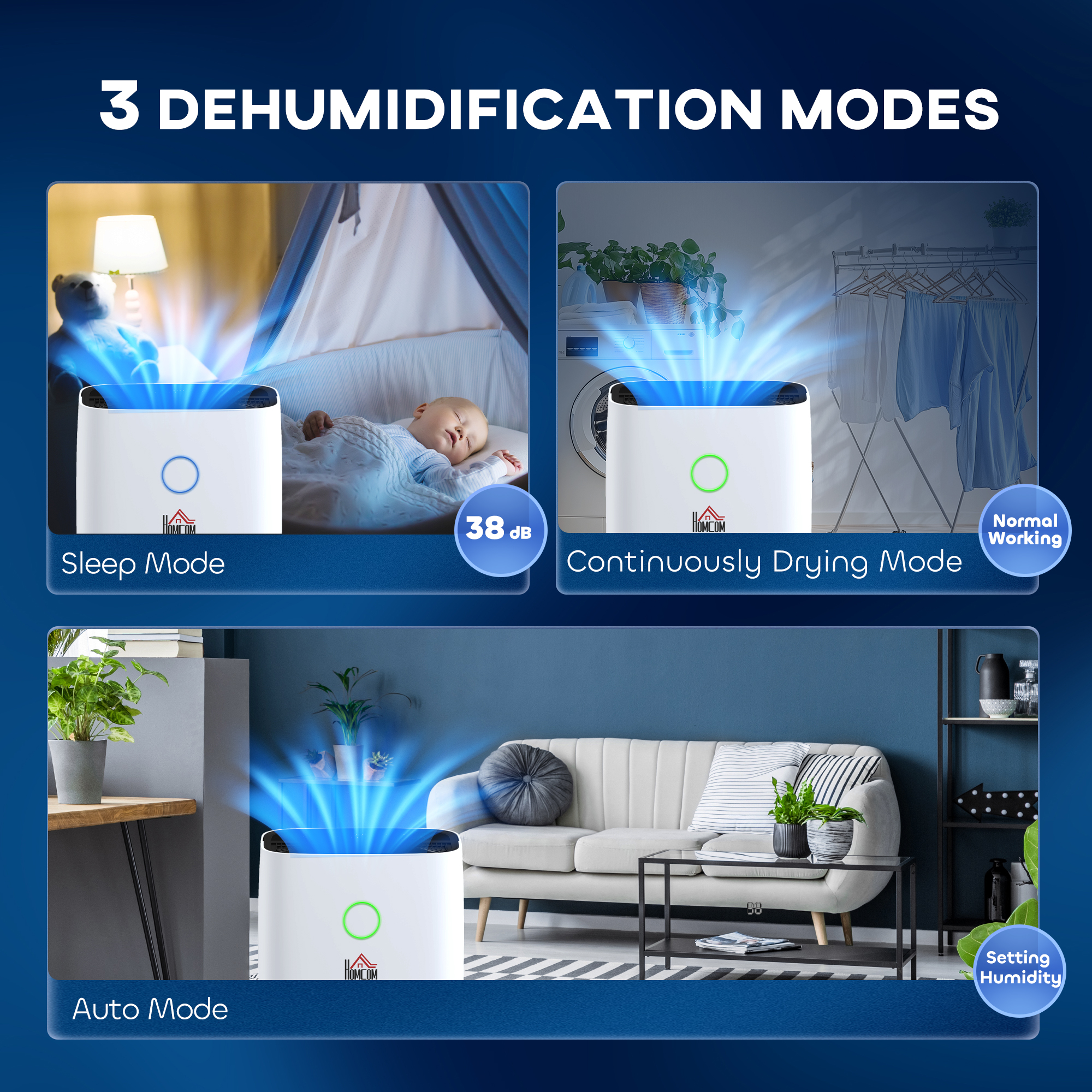
- Low noise on sleep mode if it will run at night.
- Simple filter access with clear change reminders.
For moisture absorbers:
- Calcium chloride for strong moisture pull. Silica gel if you want reusable.
- Spill-resistant design with a sturdy tray.
- Clear fill window so you know when to replace or recharge.
- Odor control beads only help a bit. Do not expect full deodorizing.
Use this list to sharpen your pick in moisture absorber vs air purifier with dehumidifier.
Setup and use: step-by-step
Air purifier with dehumidifier:
- Unbox and remove packing from filters. Many forget this step.
- Place the unit in the room center or near damp spots.
- Set target humidity to 45% to 50%.
- Enable auto mode and sleep mode at night.
- Attach a drain hose if possible.
- Check filters every few months.
Moisture absorber:
- Place it in a small, closed space.
- Keep it level to avoid spills.
- Replace or recharge when full.
- Use more than one in bigger closets.
These simple steps keep you on track in moisture absorber vs air purifier with dehumidifier.
My hands-on lessons from the field
In my 600 square foot basement, spring humidity hit 65% to 70%. A 50 pint unit brought it to 48% in four hours and held steady. Adding a HEPA purifier cut dust on shelves within days.
In a walk-in closet, a pair of moisture absorbers kept shoes dry during a wet month. They filled fast and needed swapping every three weeks. They helped the small space but would not touch a larger room.
My biggest miss was trying a moisture absorber in a windowless guest bath. It did almost nothing after hot showers. A small dehumidifier with a 30 pint rating fixed it in a day. That is the real gap in moisture absorber vs air purifier with dehumidifier.
Frequently Asked Questions: moisture absorber vs air purifier with dehumidifier
Is a moisture absorber enough for a bedroom?
It can help a little if the room is already near 50% RH. If humidity and odors linger, a dehumidifier or combo unit is the better choice.
Do I need both a purifier and a dehumidifier?
If you have allergies or smoke plus damp air, yes. The combo gives dry air and removes particles at the same time.
Will a dehumidifier remove mold?
It stops mold from growing by lowering humidity. It will not remove existing mold stains; you still need safe cleaning.
How loud are these machines?
Most run like a box fan on low to medium. Look for sleep mode and published decibel levels if noise is a concern.
Do moisture absorbers work in basements?
They help small storage areas but not open basements. Use a dehumidifier sized for the room to see real results.
What humidity should I set?
Aim for 45% to 50% for comfort and mold control. Go near 40% in winter only if windows do not fog.
Conclusion
If the space is small and only a bit damp, a moisture absorber is fine. If you want whole-room comfort, fewer allergens, and steady odor control, an air purifier with dehumidifier is the clear winner. That is the practical outcome of moisture absorber vs air purifier with dehumidifier.
Measure your humidity this week. Match the tool to your space. Then set your target to 45% to 50% and let smart controls do the work. Ready to dial in your air? Share your room size and humidity in the comments, and I will help you choose the right setup.