

Use desiccant packs or a small dehumidifier to stop closet moisture and odors.
If your walk-in smells musty or your leather feels damp, you are not alone. I’ve helped many homeowners pick the right moisture absorber for walk-in closets, and the difference can be huge. In this guide, I’ll show you what works, what to avoid, and how to stay mold-free with the best moisture absorber for walk-in closets. Expect clear steps, real examples, and tips you can use today.

Why moisture builds up in walk-in closets and why it matters
Walk-in closets trap air. With little light and poor airflow, humidity can rise fast. Warm, moist air from bathrooms, laundry rooms, or exterior walls often seeps in and stays put.
High humidity leads to mold, mildew, and odors. It can spot leather, warp wood shelves, and rust zippers. Aim for 40% to 55% relative humidity. That range keeps fabrics fresh and helps a moisture absorber for walk-in closets do its job.
Moisture also hides in heavy textiles. Winter coats, leather bags, and wool rugs can hold water. That load feeds musty smells and dust mites. A simple fix is better airflow and the right moisture absorber for walk-in closets placed in smart spots.

How a moisture absorber for walk-in closets works
Most products use desiccants. They pull water from the air and lock it in crystals, beads, or charcoal. Calcium chloride turns into a safe brine and collects in a tank or bag. Silica gel traps moisture inside tiny pores.
Electric units remove water with a fan and cold coil or a thermo-electric plate. They collect water in a tank. A moisture absorber for walk-in closets can be passive, like a hanging bag, or active, like a mini dehumidifier. The best choice depends on your climate, closet size, and habits.

Types of moisture absorber for walk-in closets
There is no one-size-fits-all. Here are the main options and when to use them.
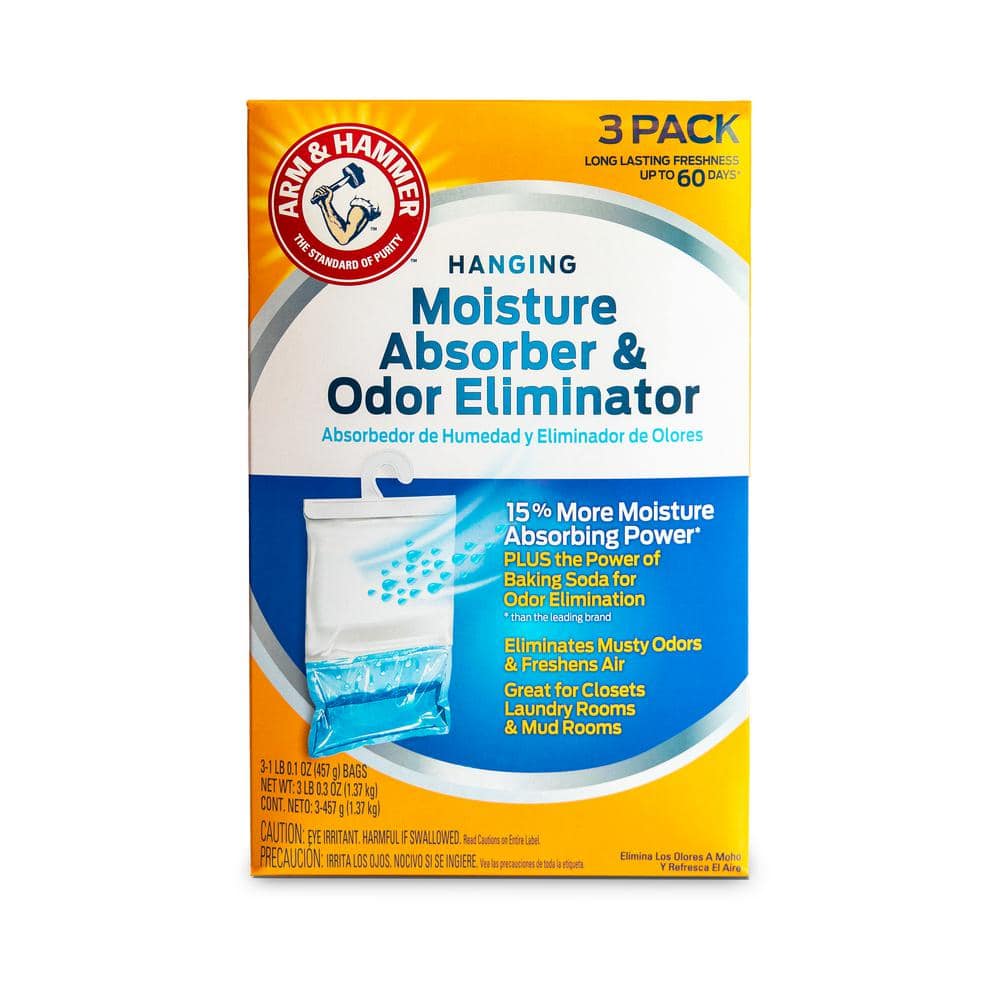
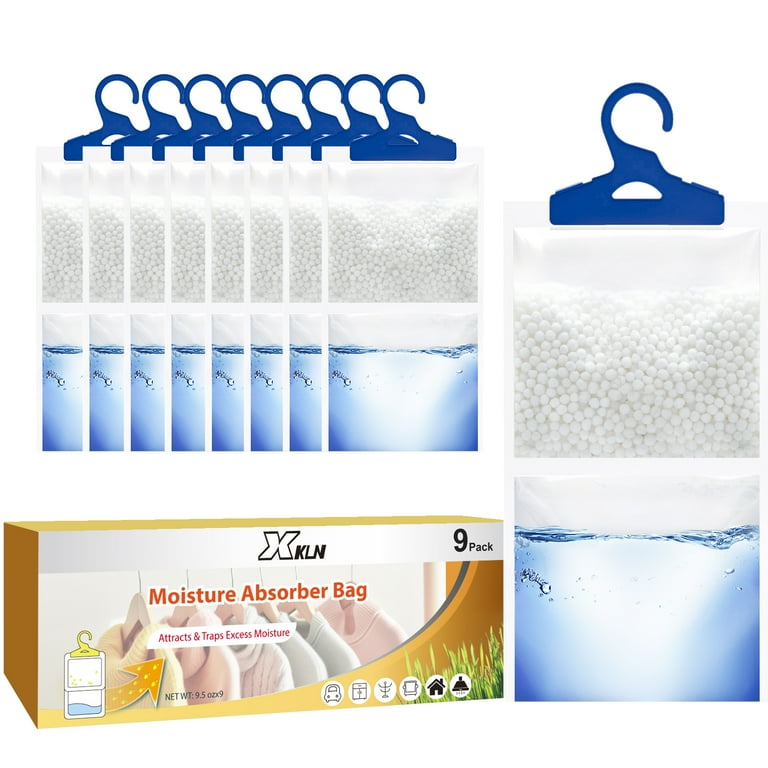
- Hanging calcium chloride bags: Great for high humidity and tight spaces. They pull a lot of water fast and help stop musty odors.
- Refillable desiccant tubs: Good for shelves and floor corners. Easy to check and replace. Choose leak-proof designs for safety.
- Silica gel canisters or boxes: Reusable and low mess. Some change color when saturated. They work best in mild humidity or for protecting leather and cameras.
- Rechargeable desiccant dehumidifiers: Plug in to dry the beads, then place in the closet. No liquids to spill. Solid for medium humidity and regular use.
- Small electric dehumidifiers: Best for very damp closets or large walk-ins. They cost more but give steady control. Look for auto-shutoff and a quiet fan.
- Natural options like bamboo charcoal: Gentle odor control and light moisture help. Use with other tools if humidity is high.
A moisture absorber for walk-in closets should match your closet size. It should also match your climate. Many homes do well with a mix of a hanging bag plus one silica gel can near shoes.
How to choose and size the right moisture absorber for walk-in closets
Start with a quick plan. Five minutes now saves you returns later.
- Measure your closet: Length × width × height gives volume. A typical 6×8×8 foot closet is about 384 cubic feet.
- Check your humidity: Use a small hygrometer. If it reads over 55% most days, go stronger.
- Pick your type: For hot, humid areas, use calcium chloride or a small electric unit. For mild homes, use silica gel or rechargeable desiccants.
- Match capacity to space: Many hanging bags list weeks of use or water volume. In a 300–400 cubic foot walk-in, start with two 300–500 g bags or one bag plus a tub. For electric units, pick a compact model rated for small rooms.
- Protect special items: Use silica gel near leather boots and camera gear. Use a moisture absorber for walk-in closets that will not drip on shelves or clothing.
- Plan upkeep: Choose products with clear windows, color-change beads, or easy-to-empty tanks.
A good rule is to start small and watch the hygrometer for 7 to 10 days. If RH stays above 55%, add another moisture absorber for walk-in closets or step up to a powered unit.
Placement, setup, and routine
Placement matters as much as the product. Place units where air moves and moisture enters.
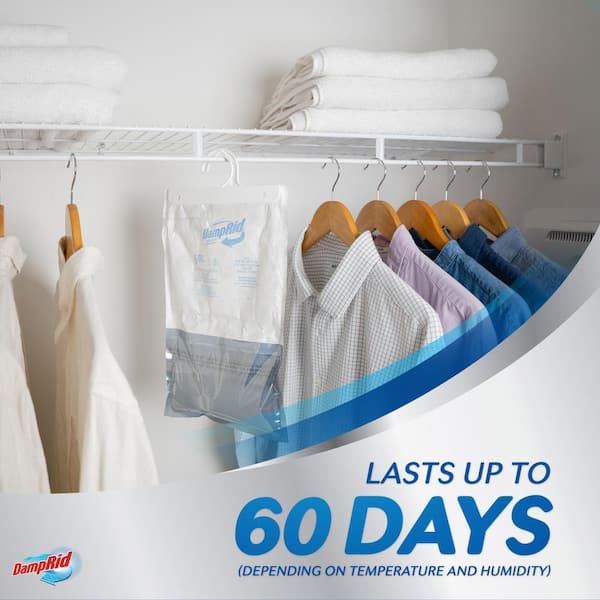
- Put hanging bags on rods near the door or on the dampest wall. Keep them away from delicate fabrics.
- Set tubs on a low shelf or floor corner. Use a tray under calcium chloride to catch any drips.
- Spread units out. One moisture absorber for walk-in closets near shoes and one near coats works well.
- Leave a little space between clothes. Even two fingers of space helps air flow.
- Use door time wisely. Open the door wide for a minute when you get dressed. That tiny burst of air helps.
- Track with a hygrometer. Check once a week and swap or recharge as needed.
Common mistakes include placing absorbers behind baskets, pressing them into fabric, or forgetting to empty tanks. I’ve seen all three. A small tweak in placement often fixes the problem.
Safety, maintenance, and disposal
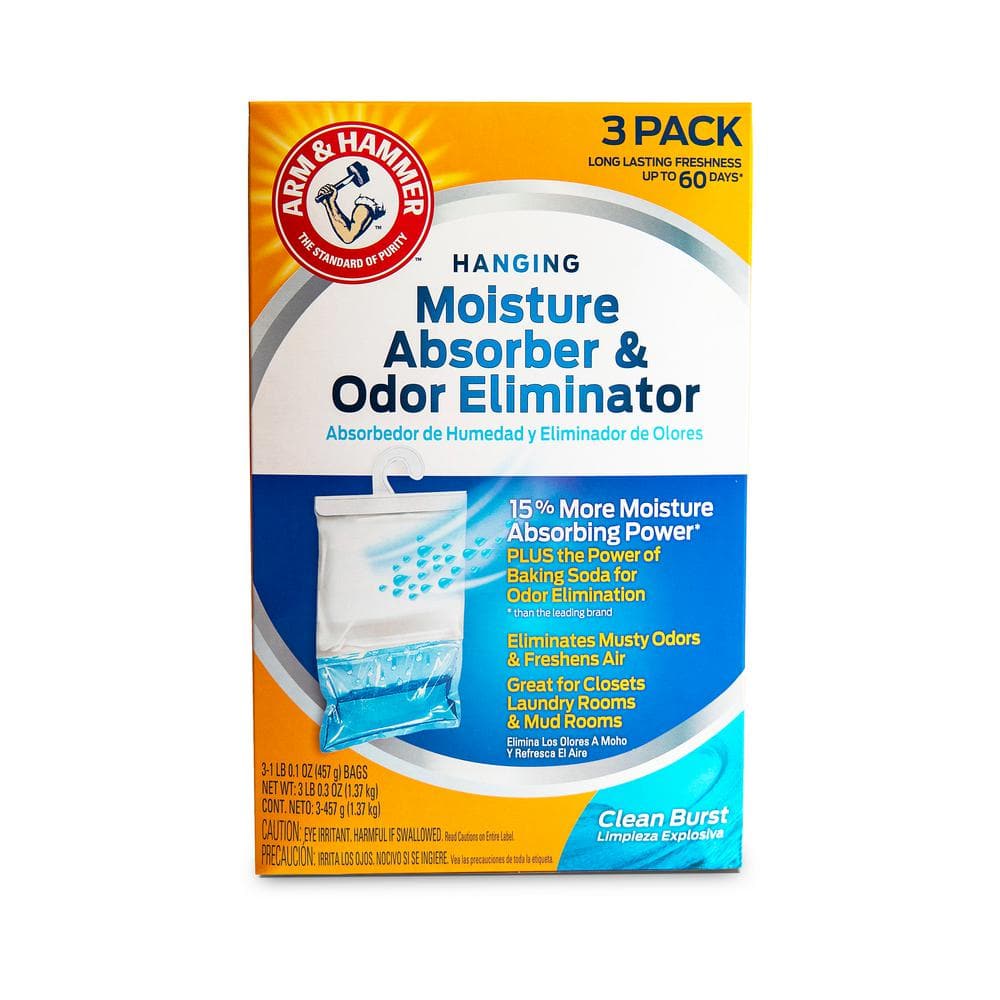
Calcium chloride is effective, but it can leak a salty liquid when full. Keep it upright and away from kids and pets. If a spill happens, wipe it up and rinse the area with water. Avoid contact with metal since brine can corrode.
Follow the label for disposal. Most brine can go down a sink with plenty of water. For silica gel, you can often recharge at low heat in an oven. Many brands suggest around 200–250°F for one to three hours. Check your product first and never microwave unless the label says it is safe.
Clean your closet surfaces every few months. Wipe shelves, vacuum floors, and wash any musty items. A clean closet helps any moisture absorber for walk-in closets last longer and work better.

Real-world examples and tips from experience
In a coastal home with a 7×9 walk-in, we paired one hanging bag with a small electric unit on a shelf. Humidity dropped from 68% to 48% in three days. Odor vanished by week two.
In a dry climate with a closet on an exterior wall, two silica gel canisters near leather bags kept RH at 45–50%. We recharge beads every three to four weeks. That simple plan saved a pair of high-end boots from mildew.
Try a seasonal checklist. In spring, deep clean and add fresh bags. In summer, consider a powered unit if RH spikes. In fall, recharge silica gel. In winter, crack the door after showers if the closet is near a bathroom. A steady routine is the secret to a top-performing moisture absorber for walk-in closets.
Cost, value, and eco footprint
Desiccant bags are cheap to start and work well short term. Expect to replace them every one to two months in humid seasons. Refillable tubs cost a bit more but reduce waste.
Rechargeable desiccant units cost more up front but last for years. They use a small amount of power only when you recharge the beads. Small electric dehumidifiers cost the most but can be worth it in very damp homes. Track your hygrometer and adjust. A well-chosen moisture absorber for walk-in closets can save far more in clothing and shoe damage than it costs.
If you want to cut waste, combine a small electric unit with a couple of silica gel boxes near valuables. This hybrid plan keeps energy low and cuts refills. It is my go-to setup for many clients who need a reliable moisture absorber for walk-in closets with fewer throwaways.
Frequently Asked Questions of moisture absorber for walk-in closets
What humidity level should I aim for in a walk-in closet?
Try to keep it between 40% and 55% relative humidity. This range avoids mold and keeps fabrics, leather, and wood safe.
How many moisture absorbers do I need for a walk-in?
Start with two units for a mid-size walk-in, then check your hygrometer after a week. Add another unit or upgrade to a small electric dehumidifier if RH stays high.
Are calcium chloride bags safe around clothes and shoes?
Yes, if kept upright and away from contact with fabrics. Place them where drips cannot reach shelves, and use a tray for extra safety.
Can I use baking soda or charcoal instead?
They help with odor but have limited water capacity. Use them as a support, not the main moisture absorber for walk-in closets in humid areas.
How often should I replace or recharge my absorbers?
Most bags last one to two months in humid seasons. Silica gel often needs recharging every three to four weeks, but always follow your product’s indicator.
Will a dehumidifier make the closet too dry?
Not if you monitor with a hygrometer and use a low setting. Aim for 45–50% RH, and turn it off if you dip under 40%.
Do I still need ventilation if I use absorbers?
Yes. A small gap under the door or brief daily door opening helps a lot. Good airflow boosts the performance of any moisture absorber for walk-in closets.
Conclusion
Moisture control in a closet does not need to be hard. Use a hygrometer, pick the right tool, and place it well. A good moisture absorber for walk-in closets protects clothes, stops odors, and saves money over time.
Take one small step today. Measure your humidity, choose a starter setup, and check results in a week. If this helped, subscribe for more smart home tips, or share your closet win in the comments.