

Moisture absorbers keep small spaces dry, stop musty smells, and prevent mold.
If you struggle with damp closets, foggy cabinets, or a musty RV, you are in the right place. I’ve tested many ways to control humidity in tight spots, from simple tubs to reusable canisters and tiny dehumidifiers. In this guide, you’ll learn how a moisture absorber for small spaces works, how to choose one, where to place it, and how to keep it safe and effective.
What Causes Moisture Problems In Small Spaces
Small spaces trap air. That air holds water. When the temperature drops, water condenses. That is how damp starts.
Common causes include:
- Little or no airflow in closets, cabinets, or drawers.
- Daily steam from showers, cooking, or laundry.
- Leaks under sinks or around windows.
- Cool surfaces that cause condensation.
- Storing damp items like coats, towels, or shoes.
Indoor comfort is best at 30% to 50% relative humidity. Mold and dust mites grow fast above 60%. If your tiny nook feels clammy, a moisture absorber for small spaces can help you get back below 50%.

How A Moisture Absorber For Small Spaces Works
A moisture absorber pulls water from the air. Most use desiccants. Some types turn air moisture into a brine. Others bind vapor to tiny pores.
Popular options:
- Calcium chloride absorbs water and forms liquid brine. It works fast and suits damp rooms.
- Silica gel traps moisture in its pores. It is clean and reusable.
- Activated charcoal helps with smells and takes in a little moisture.
- Clay or zeolite granules absorb gently and are often low cost.
There are also tiny electric units. Peltier (thermoelectric) dehumidifiers condense water on a cool plate. They fit on shelves and work best in warm rooms. But they use power and need a drain or tank. A moisture absorber for small spaces has no cord and is silent, which is great for closets and drawers.
Choosing The Right Moisture Absorber For Small Spaces
Match the tool to the job. Think about:
- Space size and shape. Measure length, width, and height. Tight cabinets need compact tubs or canisters.
- Humidity level. If RH is above 60%, pick calcium chloride. For 40% to 60%, silica gel works well.
- Temperature. Desiccants work in cool spots. Small electric units like warmer rooms.
- Spill risk. Calcium chloride brine can leak. Use stable tubs or hanging bags in a drip-safe area.
- Refill and reuse. Disposable tubs are easy. Silica gel canisters recharge in an oven or with a plug-in base.
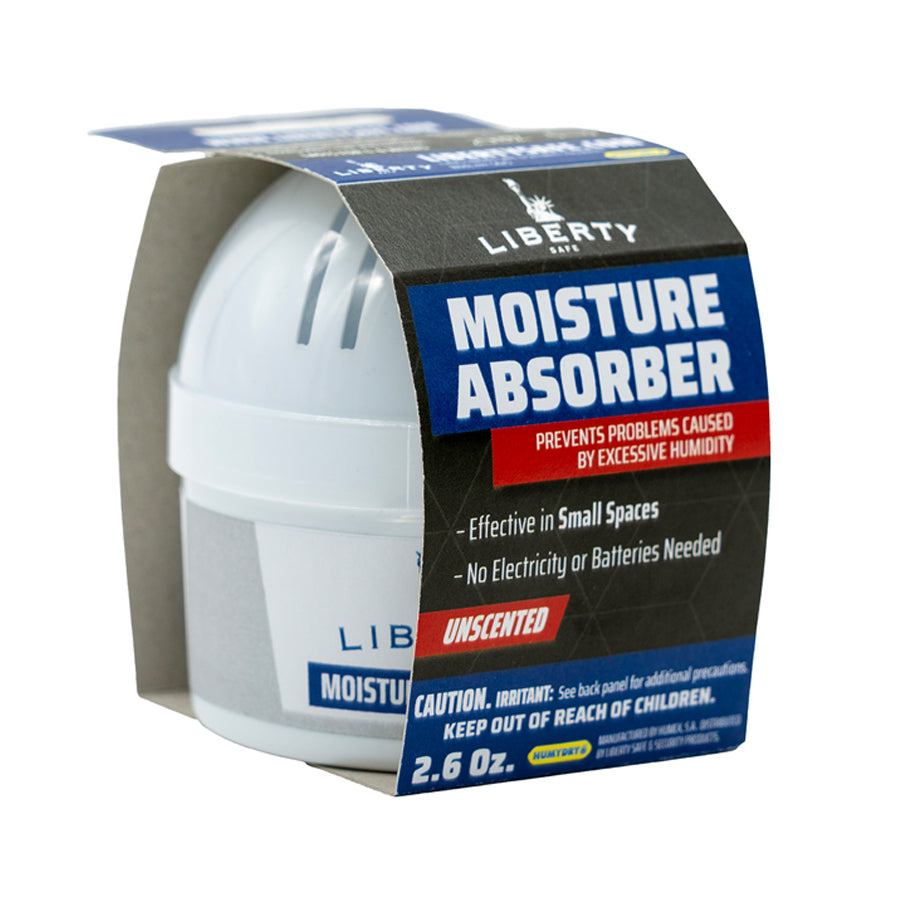
- Scent and allergies. Fragrance can mask odors, but it may irritate. Unscented is safest for closets.
- Materials nearby. Keep brine away from metal and leather.
If you need low effort, pick a disposable moisture absorber for small spaces. If you want less waste, pick a reusable canister. If the air is very wet, a mini electric unit may be better.

Product Types And When To Use Each
Disposable tubs and hanging bags
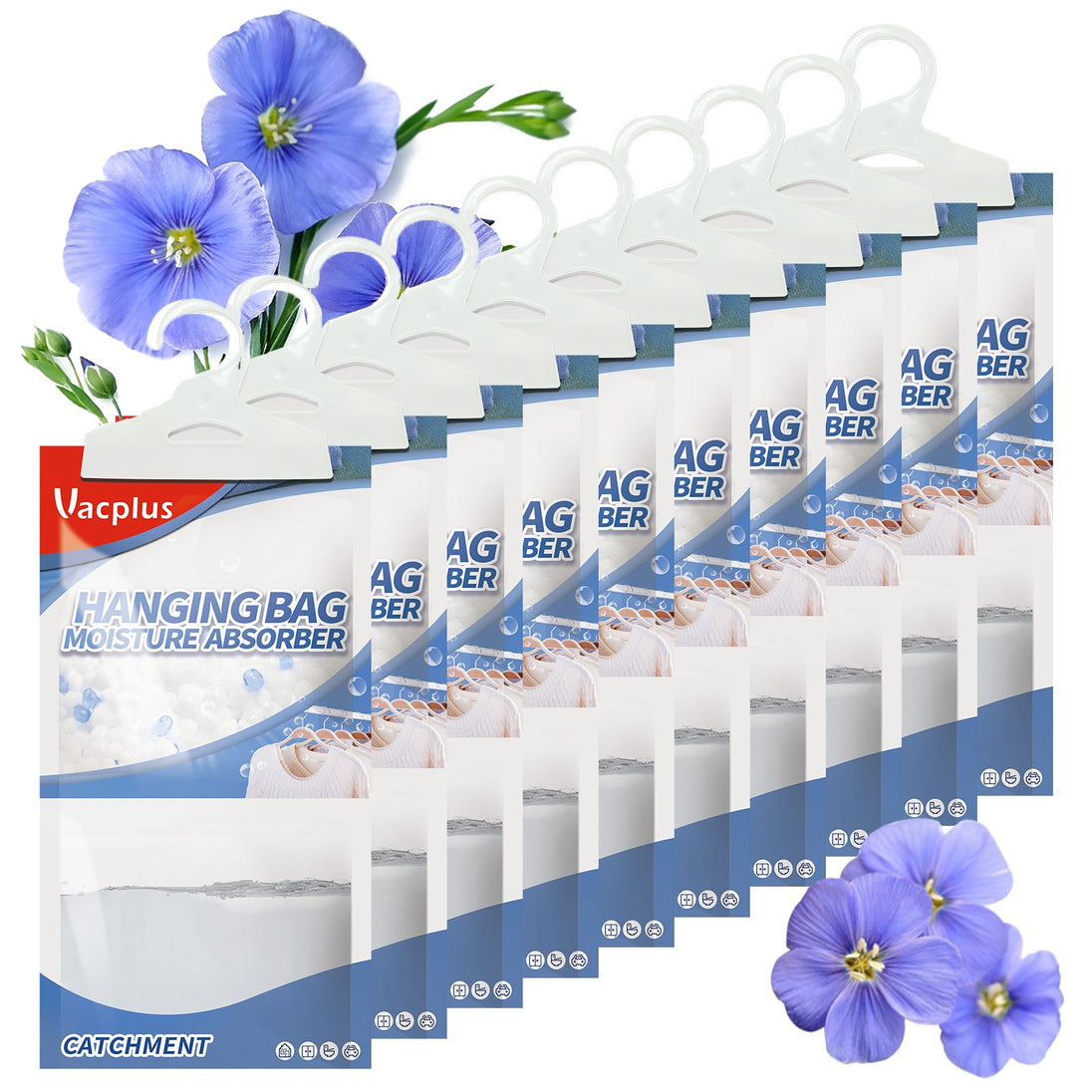
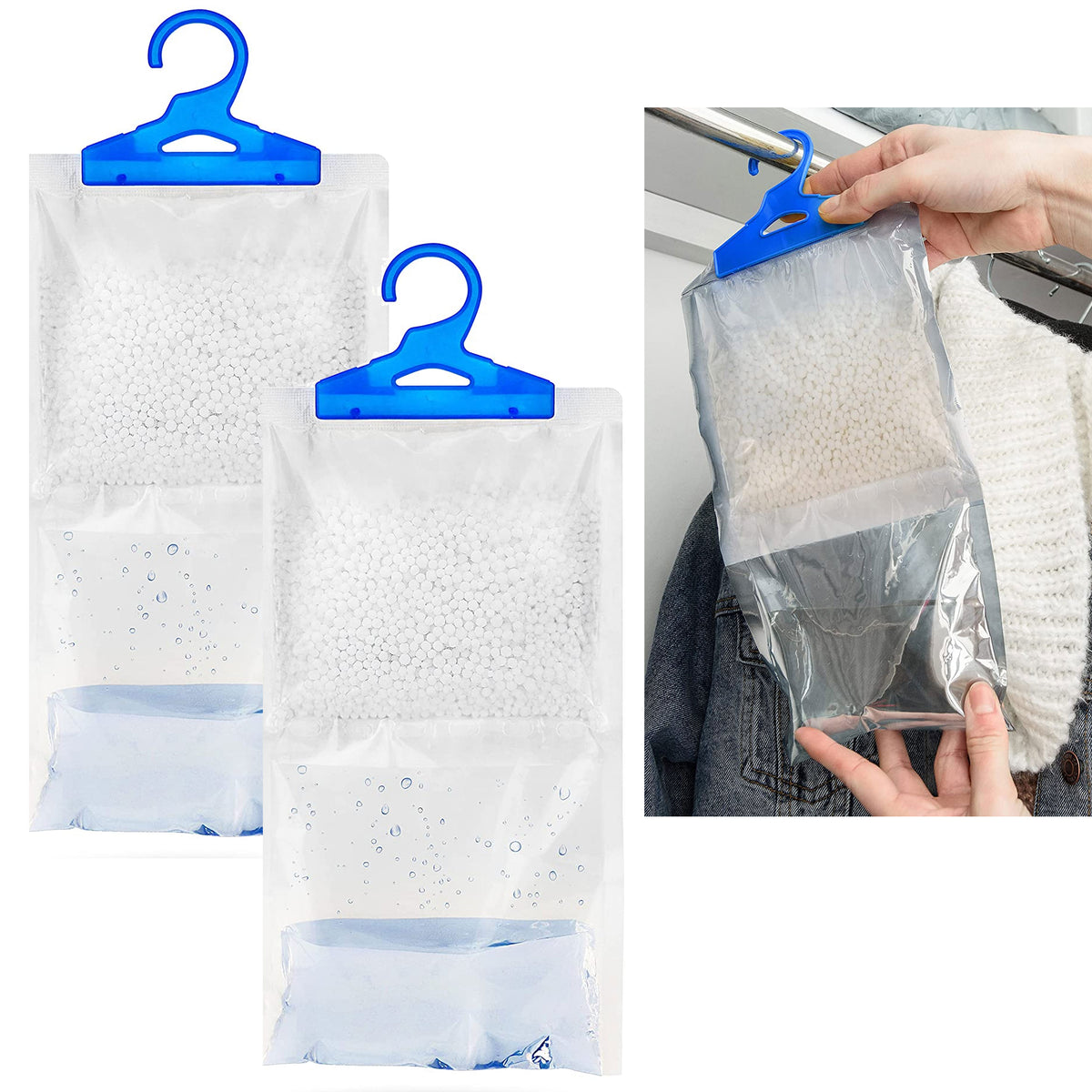
These use calcium chloride. They are great for entry closets, bathrooms, laundry cupboards, and under-sink spaces. They fill with liquid. Check often and keep them upright.
Reusable desiccant canisters
These use silica gel beads. They are neat for safes, camera cabinets, shoes, and drawers. Many have a window that turns from orange to green when full. Recharge in a low oven per the label.
Electric mini dehumidifiers
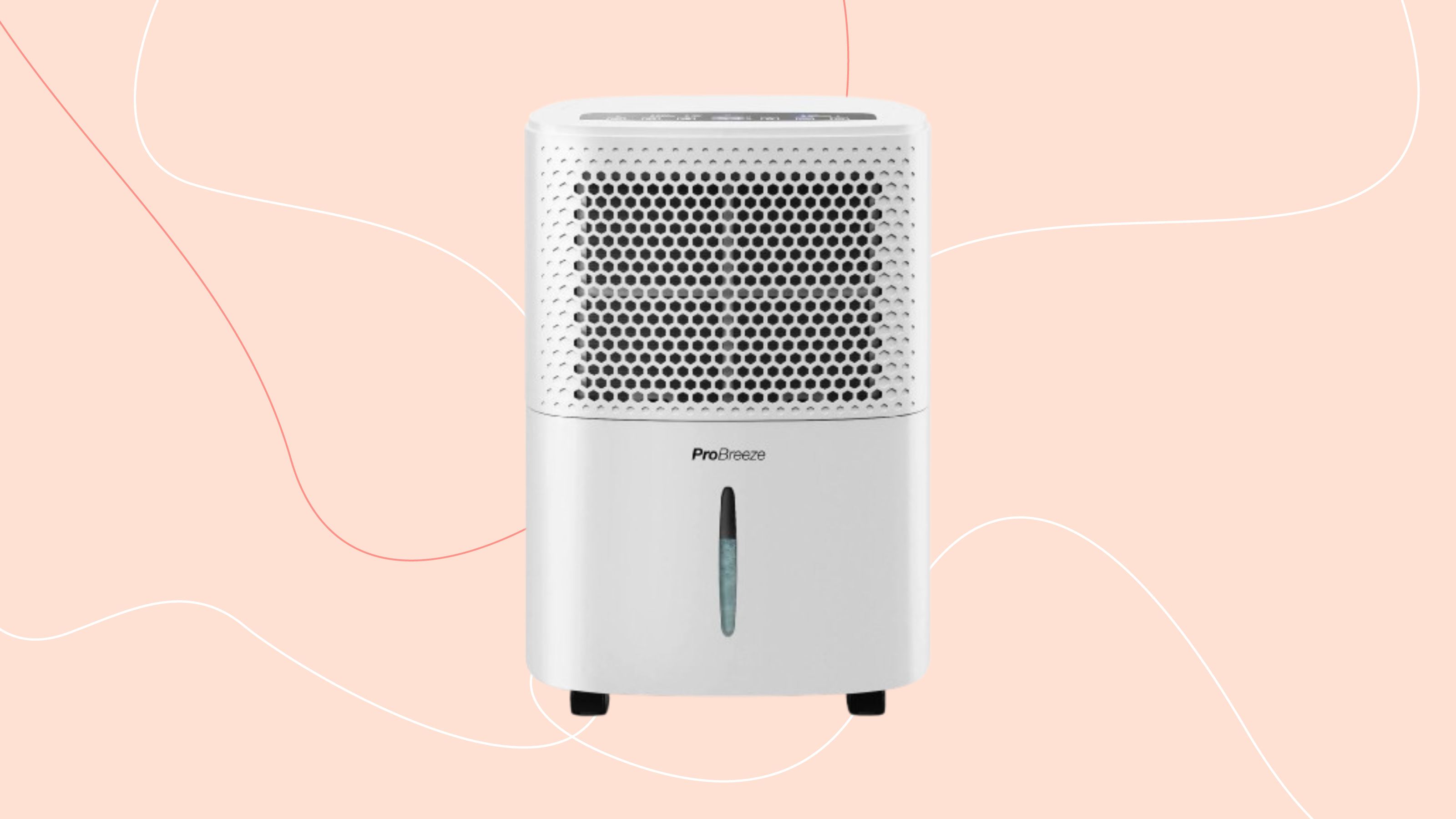
Peltier units fit bookshelves or small bedrooms. They pull more water than passive tubs, but they need power and clearing. Use them where you can empty the tank.
Natural options
Charcoal, baking soda, and chalk help with odors and slight damp. They are simple and cheap. They do not handle heavy moisture.
Pick a moisture absorber for small spaces based on the problem level. For musty shoes, use silica gel. For a wet bathroom cabinet, use calcium chloride. For a damp office nook, a small dehumidifier can run a few hours a day.
Step-By-Step Setup And Placement Tips
Follow these steps for best results:
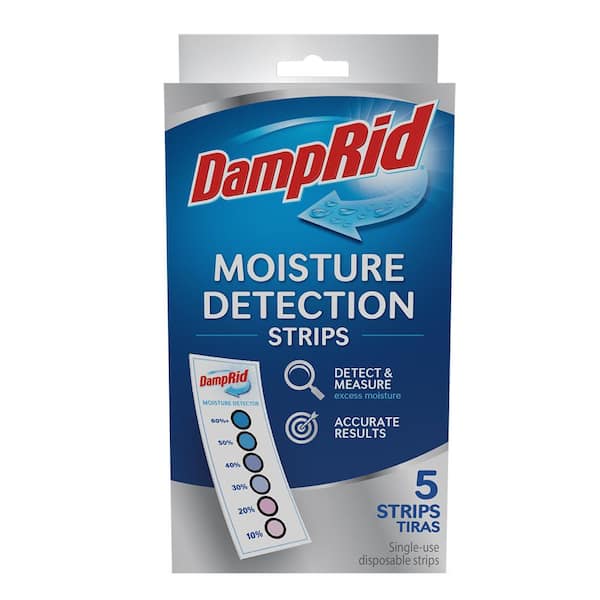
- Measure humidity. A small hygrometer is cheap and handy. Aim for 40% to 50% RH.
- Fix obvious moisture sources. Dry towels, seal leaks, and wipe condensation.
- Place the unit. Set it low where air is still. Keep it stable and upright.
- Allow airflow. Do not push it into a corner. Leave a few inches around it.
- Protect surfaces. Use a tray for calcium chloride tubs. Keep away from metal and wood finishes.
- Monitor weekly. Check the fill line, color window, or tank level.
- Rotate as needed. Move units between hotspots after you reach target RH.
A moisture absorber for small spaces works best when the door is shut but not sealed tight. A small gap helps air move.

Maintenance And Replacement Schedules
Keep it simple:
- Disposable tubs. Replace when the crystals dissolve and the liquid reaches the line.
- Hanging bags. Swap when the bottom pouch is full.
- Silica gel canisters. Recharge when the beads change color, usually every 2 to 6 weeks.
- Mini dehumidifiers. Empty the tank daily or as needed. Clean the intake grill monthly.
Log your checks. A calendar reminder helps. If odor returns fast, add a second moisture absorber for small spaces or step up to an electric unit.
Safety, Health, And Environmental Notes
Calcium chloride forms a salty brine. It can irritate skin and corrode metal. Keep it away from kids, pets, and leather. Clean spills with lots of water and a towel. Do not pour brine on plants.
Silica gel is non-toxic, but packets can be a choke risk. Recharge in a well-ventilated area and follow the label. Some scented absorbers can bother people with allergies. Use unscented in bedrooms and closets.
If you see visible mold, clean it first with proper safety gear. A moisture absorber for small spaces controls new moisture. It does not kill existing mold.

Real-Life Examples And Pro Tips
Here is what has worked for me:
- Closet rescue. A damp winter made our hall closet smell like a basement. One calcium chloride tub near the floor pulled a cup of water in one week. The smell was gone.
- Camera gear care. I keep two silica gel canisters in my camera cabinet. I recharge them every month. Lenses stay haze-free.
- Under-sink fix. A slow drip left the cabinet humid. After fixing the leak, a moisture absorber for small spaces kept wood dry while it aired out.
- RV season. I place three hanging bags in the RV over the off-season. In spring, cushions and curtains feel fresh.
Mistakes to avoid:
- Using brine tubs above clothes without a tray.
- Overstuffing a closet so air cannot move.
- Ignoring the humidity meter.
Troubleshooting: When A Moisture Absorber For Small Spaces Is Not Enough
If RH stays above 60% after a week, you may need more power. Try:
- Add a second absorber or pick a larger size.
- Use a small electric dehumidifier for a few hours a day.
- Improve ventilation. Crack a window or add a vent.
- Seal leaks and use caulk around pipes and windows.
A moisture absorber for small spaces is a great first step. But leaks and heavy condensation need a bigger fix.
Cost Breakdown And Value
Here is a simple way to think about cost:
- Disposable tubs. Low upfront cost. Expect a few dollars per month per space.
- Reusable canisters. Higher start cost but low ongoing cost. Pay back in a few months.
- Small dehumidifiers. Medium upfront cost and a small electricity cost. Good for spaces that refill tubs too fast.
Compare cost to damage avoided. Replacing moldy shoes or a warped shelf costs far more than a moisture absorber for small spaces. Add a hygrometer to track your win.
Frequently Asked Questions of moisture absorber for small spaces
How long does a moisture absorber for small spaces last?
Most tubs last from two weeks to three months, based on humidity and size. Silica gel canisters last longer and can be recharged many times.
Is calcium chloride safe to use in closets?
Yes, with care. Keep it upright, use a tray, and check often to avoid brine spills.
Can I reuse silica gel packs?
Yes. Dry them in a low oven per the label until the color changes back. Let them cool before placing them in a container.
Do moisture absorbers remove odors?
They help by reducing damp, which drives odors. Charcoal can help with smells, but it does not absorb as much water as calcium chloride or silica gel.
Will a moisture absorber for small spaces stop mold?
It helps prevent mold by lowering humidity below 60%. Clean any existing mold first and fix leaks for lasting results.
Conclusion
Small spaces get damp fast, but you can fix that. Pick the right moisture absorber for small spaces, place it well, and check it weekly. Pair it with a cheap humidity meter so you know when you have hit the 40% to 50% sweet spot.
Take action today. Start with the dampest nook in your home. Choose a product, set it up, and track results for one week. Want more guides like this? Subscribe for tips, or leave a comment with your space and I’ll help you choose the best setup.